
 Worksheets
Industrial Revolution Review
Total questions: 37
Worksheet time: 39mins
Name
Class
Date
1.
What country did the Industrial Revolution begin in?
a)
France
b)
Britian
c)
United States
d)
Spain
2.
The cottage industry system involved manufacturing...
a)
of steam engines.
b)
of luxury goods.
c)
in the home.
d)
in small factories.
3.
Which of the following was NOT associated with early factory working conditions?
a)
Low wages
b)
Widespread pollution
c)
Dangerous working conditions
d)
Safe working conditions
4.
Who designed the first efficient steam engine?
a)
James Hargreaves
b)
John Kay
c)
Richard Arkwright
d)
James Watt
5.
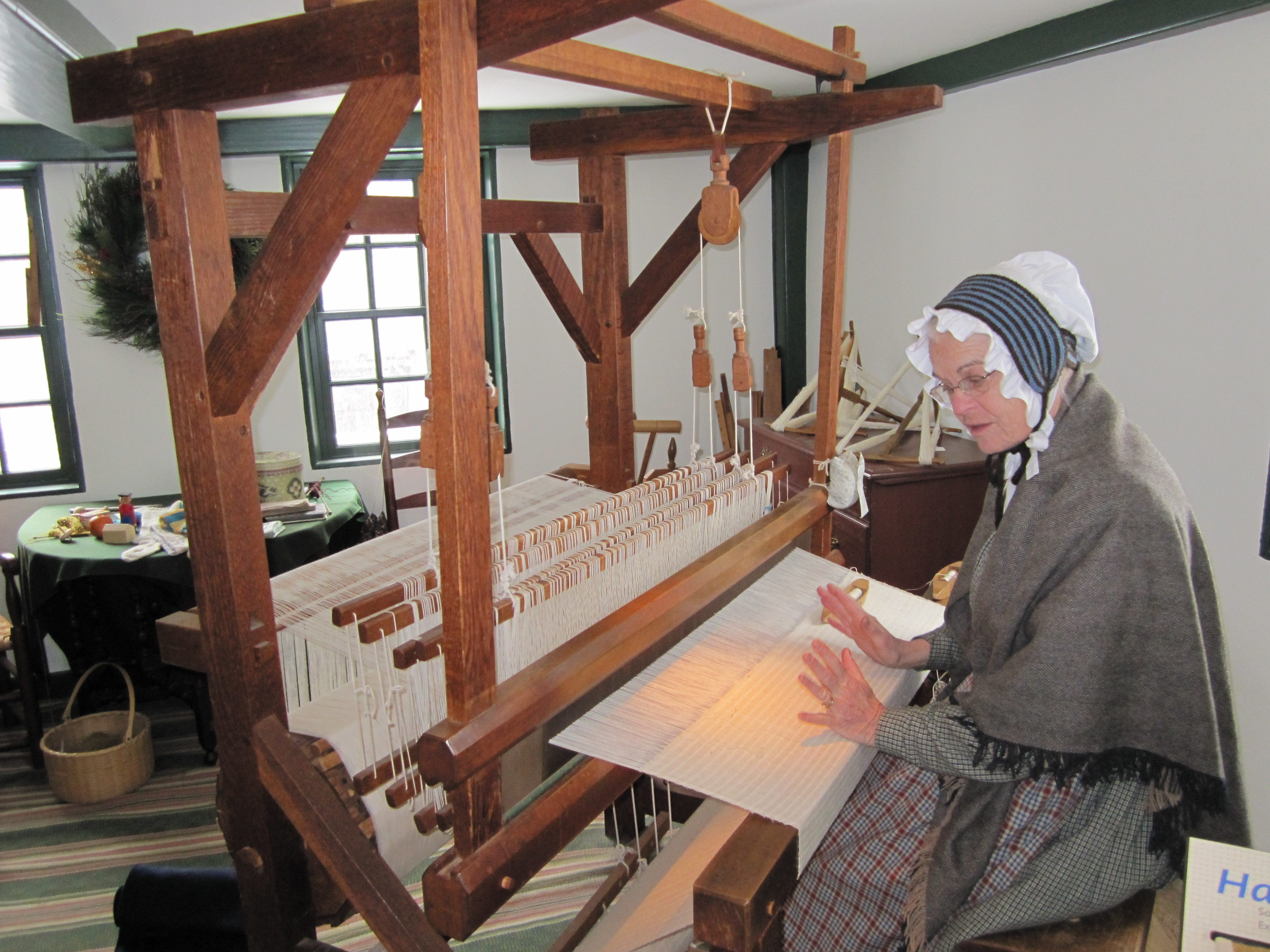
Any fabric that is woven (by machine or hand) is called -
a)
technology
b)
textile
c)
economy
d)
industrialization
6.
What product was first made using machines in factories?
a)
Steel
b)
textiles
c)
locomotives
d)
flying shuttles
7.
What innovation increased the transportation of goods and people?
a)
Flying Shuttle
b)
Spinning Jenny
c)
Steam Engine
d)
Water Frame
8.
This machine separated the seed from cotton fibers.
a)
Spinning Mule
b)
Spinning Jenny
c)
Steam Engine
d)
Cotton Gin
9.
The Industrial Revolution was triggered by sweeping changes in what?
a)
Religion
b)
Education
c)
Agriculture
d)
Politics
10.
Mass production led to:
a)
Products being more superior in quality
b)
goods became less expensive
c)
laborers received higher wages
d)
industries moved to rural areas
11.
Before the Industrial Revolution all products were created by
a)
Factories
b)
Hand
c)
Slaves
d)
Royalty
12.
How did the Industrial Revolution affect the cities?
a)
Made the crime rate decrease
b)
Led to an increase in farm workers
c)
Make the cities cleaner and safer
d)
Led to an increase in population in the cities
13.

Who invented the cotton gin?
a)
Eli Whitney
b)
Jim Morse
c)
James Watt
d)
the guy that delivers your pizza
14.
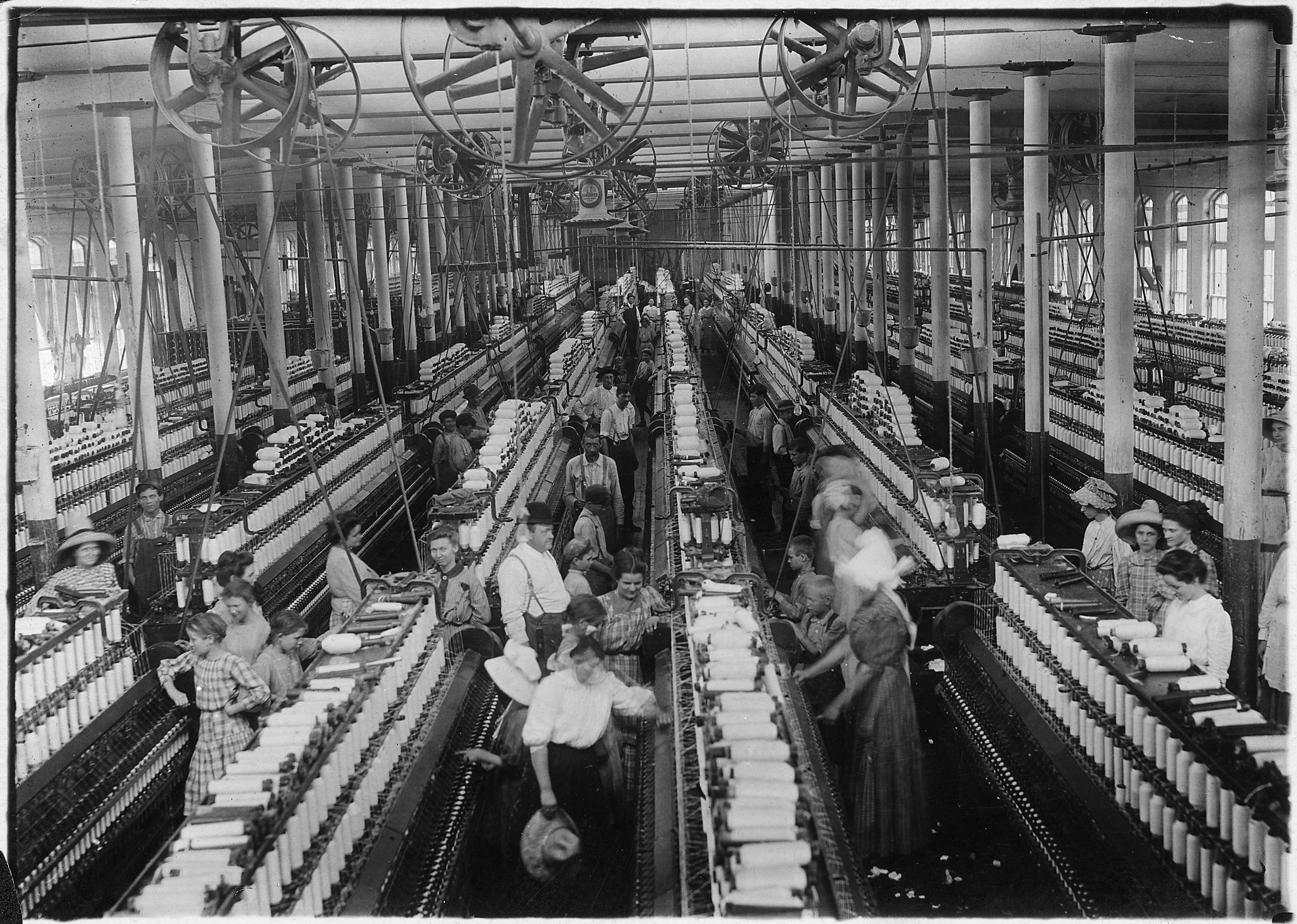
Where were most factories built before the steam engine was invented?
a)
in the mountains
b)
in the desert
c)
along rivers
d)
anywhere
15.
Which 2 natural resources were the backbone of the Industrial Revolution?
a)
wood and peat
b)
oil and natural gas
c)
coal and iron
d)
cotton and tobacco
16.

Why were railroads so important during this time?
a)
they moved goods more quickly and less expensively over greater distances
b)
they were fun to ride on to go visit family in other states
c)
people could ride on railroads to get to their jobs in another city
17.
What were living conditions in the city like during the Industrial Revolution?
a)
Very extravagant
b)
Strict housing regulations
c)
Spacious and luxurious
d)
Crowded and unsanitary
18.
Rapid movement of people from the rural areas to cities in search of industrial jobs was known as:
a)
Industrialization
b)
Urbanization
c)
Depopulation
d)
Migration
19.
Voluntary worker organizations that wanted help with labor issues were called:
a)
mens clubs
b)
proletariat
c)
labor unions
d)
strikes
20.
Henry Ford revolutionized which of the following industries?
a)
Agriculture
b)
Railroad
c)
Automobile
d)
Education
21.
The following are all logical reasons as to why industrial workers joined labor unions EXCEPT:
a)
higher wages
b)
improve working conditions
c)
protection from lay-offs
d)
strengthen upper management
22.
What type of technology paved the way for what we known as "division of labor" within industries?
a)
assembly line
b)
spinning jenny
c)
water frame
d)
Bessemer process
23.
Which of the following factors were key to the passage of factory acts?
a)
child labor in factories
b)
invention of the printing press
c)
increase in agricultural jobs
d)
rise of labor unions
24.
What is the name for the working class during the Industrial Revolution?
a)
darwinist
b)
proletariat
c)
communist
d)
dynamo
25.
Who wrote the Communist Manifesto?
a)
Charles Darwin
b)
Adam Smith
c)
Karl Marx
d)
Alfred Nobel
26.
Which scientific theory was suggested by Charles Darwin?
a)
Plate Tectonics
b)
Heliocentrism
c)
Evolution
d)
Relativity
27.
Rapid movement of people from the rural areas to cities in search of industrial jobs was known as:
a)
Industrialization
b)
Urbanization
c)
Depopulation
d)
Migration
28.
Why did the Industrial Revolution begin in England?
a)
famine in Europe
b)
floods in Asia
c)
war in Europe
d)
natural resources
29.
_________ is a group of workers that work together to improve pay, work hours, and benefits.
a)
Labor Unions
b)
Reformers
c)
Urbanization
d)
Monopoly
30.
What was the original approach by the British government toward the working conditions and child labor during the Industrial Revolution?
a)
Communism
b)
Laissez Faire (hands off none of our business)
c)
Mercantilism
d)
Market Approach
31.

This economy is controlled completely by the government
a)
traditional
b)
command
c)
market
d)
mixed
32.
Karl Marx and Friedrich Engels published a book describing a new type of Socialism. What was this book called?
a)
The Communist Manifesto
b)
Communist is King
c)
Capitalism Works
d)
Dr. Suess
33.
All of the following are concepts of Capitalism except:
a)
labor unions
b)
competition
c)
self-interest
d)
supply and demand
34.
What was the factor that most contributed to a shorter life span for those living in cities?
a)
Illness caused by unhealthy living conditions
b)
Not enough housing
c)
too much garbage
d)
long working hours
35.
This person wrote "The Wealth of Nations" and believed the government should have a limited role in business.
a)
Bernie Sanders
b)
Adam Smith
c)
Charles Fourier
d)
Hillary Trump
36.
Henry Bessemer's contribution to industrialization was to
a)
create the first electric motor
b)
invent dynamite
c)
build the first internal combustion engine
d)
patent a new steelmaking process
37.
French chemist who showed that tiny germs can cause disease
a)
Louis Pasteur
b)
Claude Monet
c)
Alfred Nobel
d)
Guglielmo Marconi
100 %

