
NEW
Font size
 Worksheets
Earth's Layers Vocabulary
Total questions: 20
Worksheet time: 10mins

shaped like a ball, with all points on the surface at a equal distance from the center
sphere
mantle
plate tectonic
divergent boundary
the force that every object exerts on all other objects because of their masses
gravity
crust
core
subduction
the amount of mass in a material per unit volume
density
mass
volume
weight
the brittle, rocky outer layer of Earth
crust
mantle
asthenosphere
core
the thick middle layer in the solid part of Earth
mantle
core
crust
lithosphere
the crust and the uppermost mantle are grouped together in a rigid layer called
lithosphere
asthenosphere
mantle
core
the plastic (flowing) layer within the mantle
asthenosphere
lithosphere
mantle
core
rocks that flow
plastic
rubber
amorphous
river
dense metallic center of Earth
core
plastic
sphere
density

Earth's surface is made of rigid slabs of rock, or plates, that move with respect to each other. This is called
plate tectonics
aesthosphere
plate boundaries
subduction

forms where two plate collide when the denser plate sinks below the other plate
subduction
transform plate boundaries
convection currents
divergent plate boundaries
the circulation of material caused by differences in temperature and density is called
convection currents
plate tectonics
asthensphere
subduction
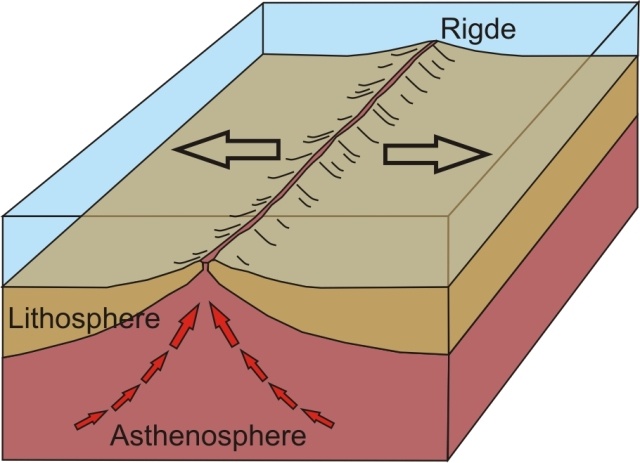
forms where two plates separate
divergent boundary
convergent boundary
transform boundary
subduction

forms where two plates slide past each other
divergent boundary
convergent boundary
transform boundary
subduction
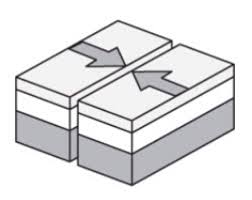
forms where two plates collide
convergent boundary
divergent boundary
transform boundary
serian boundary

forms where two plates collide making mountains
Convergent Boundaries
Subduction Boundaries
Divergent Boundaries
Transform Boundaries
liquid center of Earth
inner core
outer core
crust
lower mantle
solid center of Earth
inner core
outer core
lower mantle
aesthensphere
where tectonic plates meet
plate boundary
dinner plate
plate tectonics
convection
proposed that the plates slowly moved to their current locations
Alfred Wegener
Albert Eistein
Isaac Newton
Stephen Hawking

