
 Worksheets
Igneous and Sedimentary Rock Formation
Total questions: 26
Worksheet time: 18mins

Rock that are made of layers of compressed and cemented sediments are called...
regular sedimentary rock
chemical sedimentary rock
clastic sedimentary rock
foliated metamorphic rock

The breakdown of rock into smaller particles from the effects of wind, water and ice is known as...
erosion
cementation
pressure
weathering

Wind, water, ice and gravity moving sediments from the source rock is known as...
weathering
deposition
erosion
cementation

This process happens when sediment settles on the floor of rivers, lakes and oceans.
weathering
erosion
cementation
deposition

This part of the rock forming process is from the weight of new sediment layers being deposited on top of older layers.
erosion
compaction
pressure
weathering
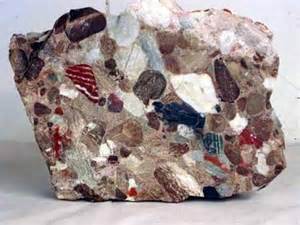
The process of sediments sticking together due to dissolved minerals crystallizing around the sediments is called...
rock gluing
cooling and crystallization
cementation
heat and pressure

The waste and remains of plants and animals is called...
organic matter
fossil fuels
fossils
biolithic materials
When sediments are under pressure from other sediments above them, this is called . . .
cementation
compaction
weathering
heat and pressure
Students create a science demo by layering crayon shavings in a jar, then pressing them together to show a process. Which step are they demonstrating?
weathering
erosion
deposition
compaction
This keeps sedimentary rock stuck together.
fossils
gorilla glue
minerals
sand
The word lithification=
rock bearing
rock weathering
compaction & cementation
erosion

The cooled and hardened lava from volcanoes forms what rock type?
extrusive igneous
sedimentary
metamorphic
intrusive igneous

Hot, molten rock inside the earth is called ...
lava
magma
igneous rock
minerals


Which processes form extrusive igneous rocks?
Lava cools and hardens to form a rock.
Weathering, Erosion, Deposition, Compaction, Cementation
Extreme heat and pressure from inside the Earth turn rocks into new rocks.
Magma trapped under the Earth's surface cools and solidifies.
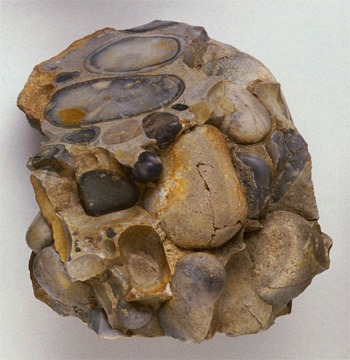
This rock was formed by smaller pieces of rock that settled at the bottom of a lake millions of years ago. What type of rock is this?
Sedimentary - clastic
Sedimentary - chemical
Metamorphic - non-foliated
Igneous - extrusive
Which processes form sedimentary rocks?
Lava cools and hardens to form a rock.
Weathering, Erosion, Deposition, Compaction, Cementation
Extreme heat and pressure from inside the Earth turn rocks into new rocks.
Magma trapped under the Earth's surface cools and solidifies.


Cooling & crystalization produce
igneous rocks
metamorphic rocks
sedimentary rocks
The processes by which igneous rocks are formed include...
heat and pressure
melting and cooling
compaction and cementation
weathering and erosion

Rocks are classified by ...
how they look.
how they are formed.
which minerals crystallize together.
the size of the crystals they have.
What are the 3 major types of rocks?
Igneous, Metamorphic, Sedimentary
Metamorphic, Igneous, Cementation
Clastic, Chemical, Biological
Intrusive, Extrusive, Plutonic
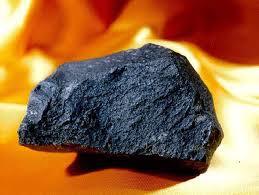

Deposition then compaction and cementation (lithification) produce...
sedimentary rocks
igneous rocks
metamorphic rocks
all three types of rocks

