
 Worksheets
Cardiovascular/Respiratory Systems
Total questions: 41
Worksheet time: 32mins
Name
Class
Date
1.
How many chambers in the heart?
a)
1
b)
2
c)
3
d)
4
2.
What is the function of the cardiovascular system
a)
carries oxygen and nutrients to body
b)
carries waste to excretory system
c)
defense against disease
d)
all of the above
3.
Types of blood vessels:
a)
arteries,veins,bronchioles
b)
arteries,veins,neurons
c)
arteries, veins, capillaries
d)
arteries,veins,aorta
4.
____________carry blood away from the heart
a)
bronchioles
b)
arteries
c)
veins
d)
capillaries
5.
________carry blood back to the heart
a)
arteries
b)
capillaries
c)
veins
d)
arterioles
6.
How many liters of blood circulate through out the body?
a)
1-2 liters
b)
3-4 liters
c)
4-5 liters
7.
Which of the following delivers oxygen to cells?
a)
Red Blood cells
b)
White blood cells
c)
Platelets
d)
Plasma
8.
Which of the following fights infection?
a)
Red Blood cells
b)
White blood cells
c)
Platelets
d)
Plasma
9.
Which of the following are the blood vessels that helps blood flow to the cells?
a)
Veins
b)
Arteries
c)
Cappillaries
10.
What is the name of the problem that happens when brain cells are starved of oxygen and die?
a)
Atherosclerosis
b)
Heart failure
c)
Heart attack
d)
Stroke
11.

What is the name of the part labelled 1?
a)
Right Atrium
b)
Left Atrium
c)
Right Ventricle
d)
Left Ventricle
12.

What is the name of the part labelled 2?
a)
Right Atrium
b)
Left Atrium
c)
Right Ventricle
d)
Left Ventricle
13.

Blood that flows between the heart and lungs is known as the
a)
Pulmonary circulation
b)
Systemic circulation
14.

Blood that flows from the heart to the rest of the body is known as the
a)
Pulmonary circuit
b)
Systemic circuit
15.
The smallest blood vessels of the body are the _____________
a)
arterioles
b)
venules
c)
capillaries
d)
aorta
16.
The average blood pressure is
a)
120 / 80
b)
80 / 120
c)
115 / 180
d)
120 / 180
17.
What is a resting heart rate?
a)
When your heart takes a break from working.
b)
When your heart rate is 175.
c)
When your heart is at it's lowest beats per minute (bpm).
d)
220 minus your age.
18.
If I drove in a car for 5 hours to see my family, what zone would my heart rate be in?
a)
Resting
b)
Target
c)
Maximum
19.

What is Heart Rate?
a)
The maximun number of heartbeats in a given amount of time
b)
Is the number of heartbeats per unit of time
c)
The minimum number of heartbeats in a given amount of time
d)
Number of times your heart beats per minute while at rest
20.

How do you find your pulse?
a)
Neck, Wrist and Chest
b)
Count your heartbeats for 10 seconds and multiply by 6
c)
Is expressed as beats per minute (BPM)
d)
Elbow, Ankle and Ear
21.
Inhale!!!!
Your lungs are ___________ air
Your lungs are ___________ air
a)
taking in
b)
letting out
22.
EXHALE!!!
My lungs are __________________ air.
My lungs are __________________ air.
a)
taking in
b)
letting out
23.
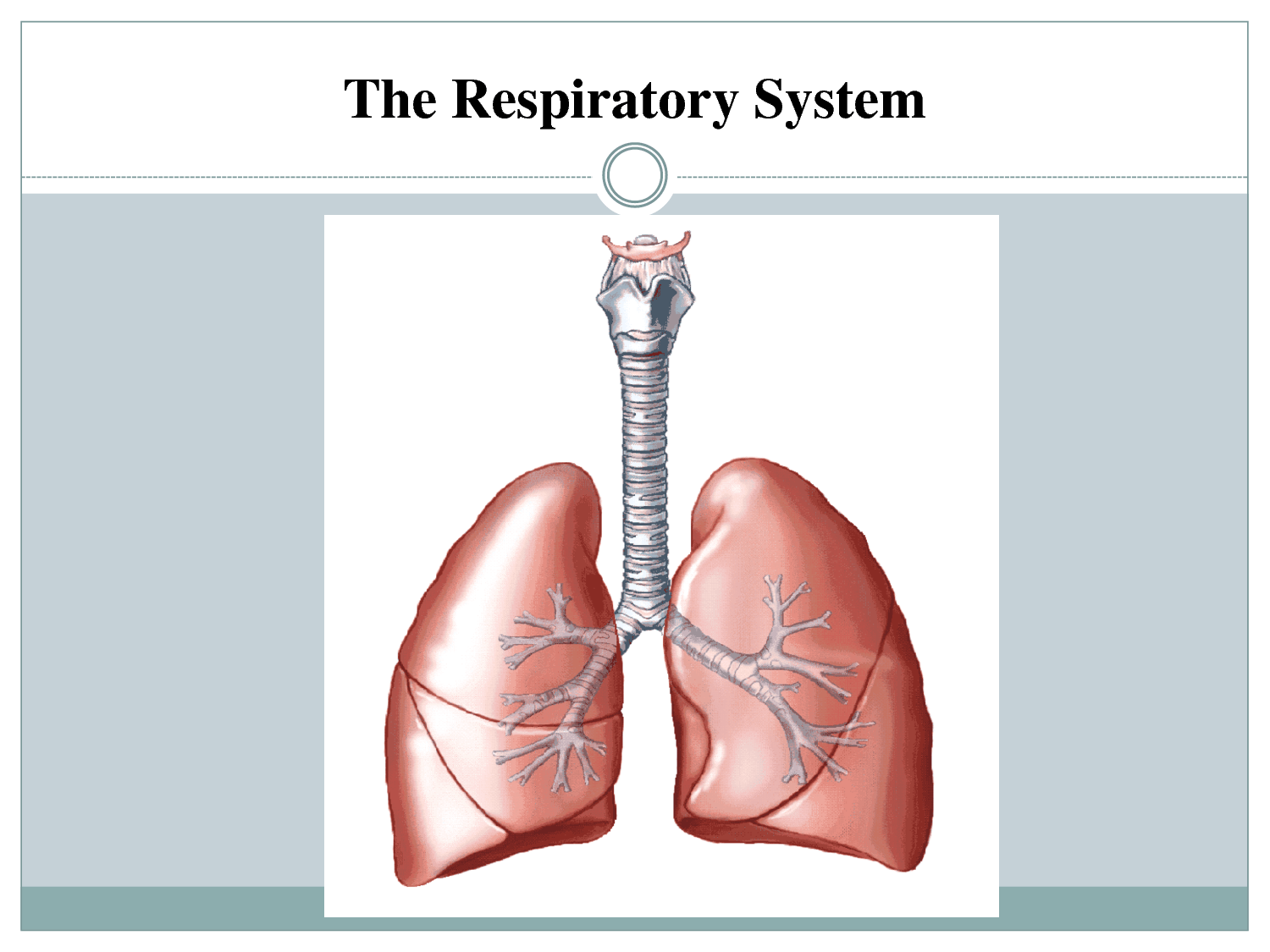
What is the main function of the respiratory system?
a)
to provide oxygen and remove carbon dioxide from the body
b)
to bring oxygen to the body
c)
to break down food and absorb nutrients
d)
to remove oxygen from the body and deliver carbon dioxide
24.
What are the main organs of gas exchange in the respiratory system?
a)
diapragm
b)
lungs
c)
trachea
d)
bronchi
25.
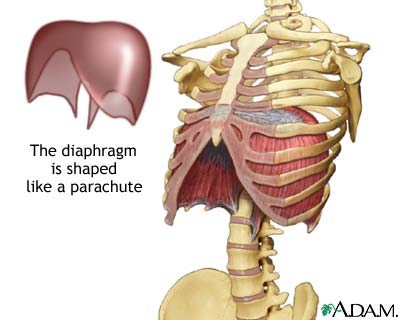
What is function of the dome-shaped diaphragm?
a)
This is where gas exchange happens.
b)
Air passes through the diaphragm on the way to the lungs.
c)
It attaches to the lungs to help in breathing.
d)
It is under the lungs and keeps them from falling down to your stomach.
26.
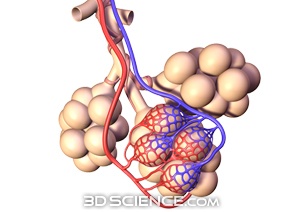
When you breathe, your lungs take in ___ and remove ___.
a)
air/oxygen
b)
oxygen/carbon dioxide
c)
carbon dioxide/waste
d)
waste/air
27.
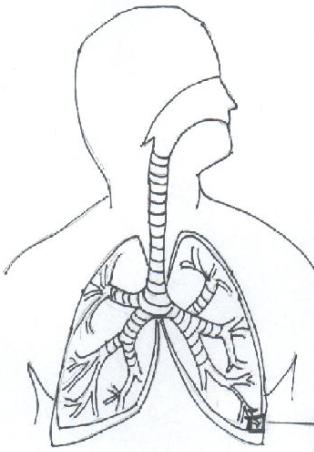
What is the function of the bronchi?
a)
Transport air from nose to lungs
b)
Transport air from trachea to lungs
c)
Transport air from lungs to alveoli
d)
Transport air from alveoli to blood
28.
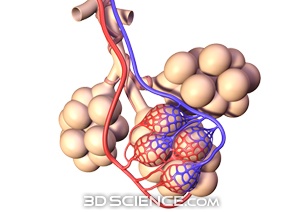
The air sacs that are covered with capillaries where gas exchange takes place
a)
bronchi
b)
lungs
c)
oxygen
d)
alveoli
29.

Within the lungs, the exchange of oxygen and carbon dioxide occurs between the ___ and the capillaries.
a)
trachea
b)
bronchi
c)
alveoli
d)
diaphragm
30.
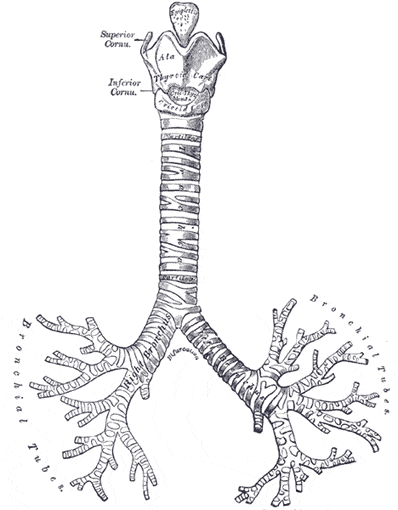
What is tube that is also known as your wind pipe?
a)
esophogus
b)
bronchi
c)
trachea
d)
alveoli
31.
The passageway that is shared by both the digestive and respiratory system is the....
a)
larynx
b)
pharynx
c)
trachea
d)
nose
32.
Which is NOT a function of the Respiratory System?
a)
it warms the air
b)
it exchanges O2 and CO2
c)
It pumps blood to the organs
d)
it creates sound through the larynx
33.
Which system works closely with the respiratory system?
a)
skeletal system
b)
circulatory system
c)
excretory system
d)
digestive system
34.
The beginning of the respiratory system that warms and moistens the air.
a)
trachea
b)
nose
c)
bronchi
d)
diaphragm
35.

When you exercise, your heart beats faster to...
a)
spread oxygen throughout your body more quickly.
b)
make you feel excited.
c)
let you know you're working hard.
d)
inflate your lungs
36.
Name the two body parts that work together to force air IN and OUT of the body:
a)
Lungs and trachea
b)
Rib cage and diaphragm
c)
Rib cage and nasal passage
d)
Diaphragm and nasal passage
37.
When the diaphragm contracts and moves down, the lungs are...
a)
expanding with air
b)
shrinking - pushing air out
38.
What antigens are present in a person with type B blood?
a)
B
b)
A and B
c)
A
d)
none
39.
What antigens are present in a person with type A blood?
a)
B
b)
A and B
c)
A
d)
none
40.
What antibodies are present in a person with type AB blood?
a)
B
b)
A and B
c)
A
d)
none
41.
What antibodies are present in a person with type O blood?
a)
B
b)
A and B
c)
A
d)
none
100 %

