
 Worksheets
DMS Respiratory System
Total questions: 42
Worksheet time: 1hrs 22mins

Flap of tissue that covers the opening to the windpipe during swallowing
Pharynx
Trachea
Epiglottis
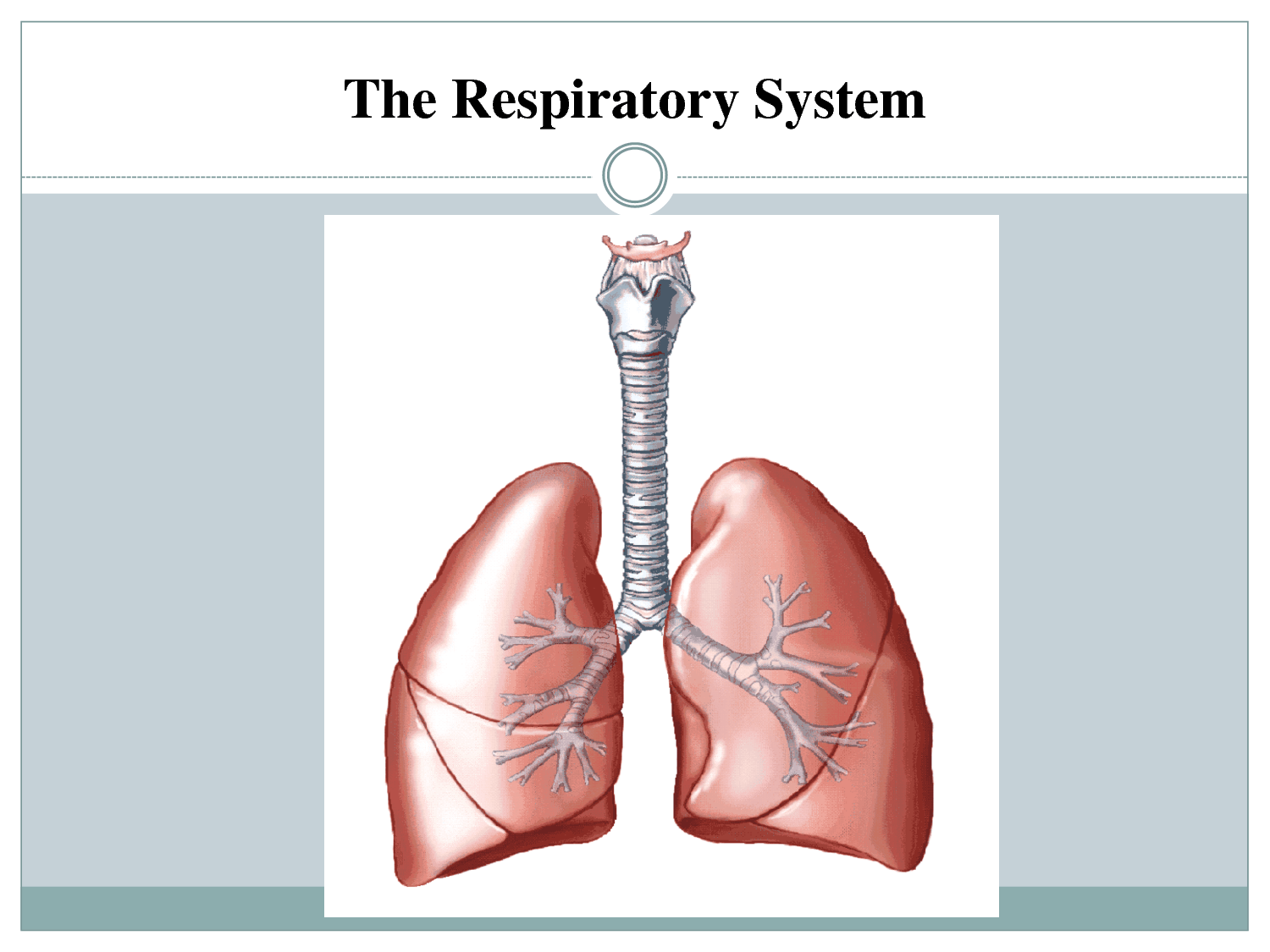
1. larynx
2. nasal cavity
3. pharynx
4. trachea
Which of the following is the correct order that air would flow during inhalation.
What is the site of gas exchange?
alveoli
nose
lung
bronchi
The only externally visible part of the respiratory system
Eyes
Nose
Pharynx
Larynx
Which part of the Respiratory System plays a major role in speech?
nose
pharynx
larynx
trachea

tiny sacs of lung tissue specialized for the movement of gases between air and blood.
lungs
bronchi
alveoli
diaphragm
Tiny, hair-like structures in the airway that move in a wavelike manner in order to move dirt, germs, etc. up the respiratory tract so that they can be swallowed or spit out.
alveoli
cilia
trachea
lungs
the windpipe; a passage through which air moves in the respiratory system.
trachea
lungs
larynx
bronchi
the passages that direct air into the lungs.
lungs
trachea
bronchi
alveoli
Which of the following statements is true?
Your lungs can store several hours' worth of oxygen.
Your body can't store oxygen at all.
Your body stores oxygen in your bloodstream.
Your body needs carbon dioxide to function properly.
What word best describes the function of the trachea?
Pumping station
Entrance point
Muscle
Passageway
Where does the transfer of oxygen into the bloodstream take place?
In the heart
In the trachea
In the alveoli
In the nasal passages
The walls of the alveoli and capillaries are permeable. What does this mean?
Substances can pass through them.
They are made of muscle.
They are located throughout the body.
They are made of bone.
What happens when your diaphragm relaxes and moves upward?
Your lungs deflate and you breathe out.
Your lungs inflate and you breathe in.
Your alveoli transfer oxygen to your bloodstream.
Your bloodstream transfers carbon dioxide to your alveoli.

What organ of the respiratory system is in blue.
pharynx
trachea
larynx
epiglottis
What organ of the respiratory system is in purple.
pharynx
trachea
larynx
epiglottis
Where does cellular respiration take place in?
chloroplast
mitochondria
nucleus
vacuole
Cellular respiration uses glucose and __________ to make energy.
carbon dioxide
glucose
oxygen
mitochondria
When we breath in the diaphragm...
Contracts and moves downward
Relaxes and moves downward
When we breathe out the diaphragm...
Contracts and moves upward
Relaxes and moves upward
The respiratory system is made up of ___
The heart, blood, trachea and bronchi
The brain, muscles and lungs
The nostrils, trachea, bronchi and lungs
The trachea is a tube that divides into two smaller tubes called _____
Bronchi
Nostrils
Lungs
What does the respiratory system release?
oxygen
glucose
carbon dioxide
ATP
The "windpipe" is known as the
alveoli
esophagus
trachea
bronchi
Where would you find cilia?
nose and alveoli
bronchioles and mouth
trachea and nose
all of the above
Which is known as the voice box?
pharynx
larynx
trachea
bronchi
Which two structures filter air and moisten air as it passes through the human respiratory system?
cilia and mucous membranes
alveoli and cartilage rings
diaphragm and bronchioles
epiglottis and bronchi
Which respiratory structure is supported by C-shaped rings of cartilage?
trachea
alveolus
bronchiole
pharynx
What is the correct order of respiratory structures that air passes through when you inhale?
trachea -> bronchi -> bronchioles -> alveoli
trachea -> bronchioles -> bronchi -> alveoli
alveoli -> trachea -> bronchioles -> bronchi
alveoli -> bronchioles -> trachea -> bronchi
In humans, which structure prevents food from entering the trachea?
epiglottis
alveolus
mucous membrane
cartilage ring
Which diagram best illustrates the function of an alveolus?


In the human respiratory system, bronchioles directly connect the
trachea and pharynx
bronchi and alveoli
nasal cavity and trachea
epiglottis and larynx
A man develops a severe infection in his lungs. This would impact the man's ability to
digest food
transport nutrients throughout the body
absorb oxygen and expel carbon dioxide
produce sex cells
An allergic reaction characterized by the constriction or narrowing of the trachea, bronchi, and bronchioles is known as
coronary thrombosis
arthritis
asthma
emphysema
Which disease is linked to smoking and results in a reduction in damage to the alveoli and elasticity of alveoli?
emphysema
asthma
bronchitis
meningitis
The nasal cavity
warms, filters and moisturizes air
is divided into the left and right parts by a hard palate
always leaks when I'm sick
all of the above
What genetic disorder causes excess mucus production in the respiratory and digestive systems, causing low blood oxygen levels, low nutrient absorption, and fatty stools
(a)
What disorder of the respiratory system causes narrowing of the airways when exposed to specific triggers, causing shortness of breath, wheezing, and death in severe cases.
asthma
asma

