wayground logo

Free Printable Worksheets

NEW

Font size

S
M
L
XL
Worksheets

Earth Science Post Test

Total questions: 64

Worksheet time: 2hrs 49mins

Name
Class
Date
1.

What is groundwater?

a)

water that is on Earth's surface

b)

water that is beneath Earth's surface

c)

water that is stored in the oceans

d)

water that is stored in rivers and streams

2.
Where is most water found on Earth?
a)
glaciers
b)
lakes
c)
rivers
d)
oceans
3.

What percentage of the water on Earth is salt water?

a)

25%

b)

72%

c)

97%

4.
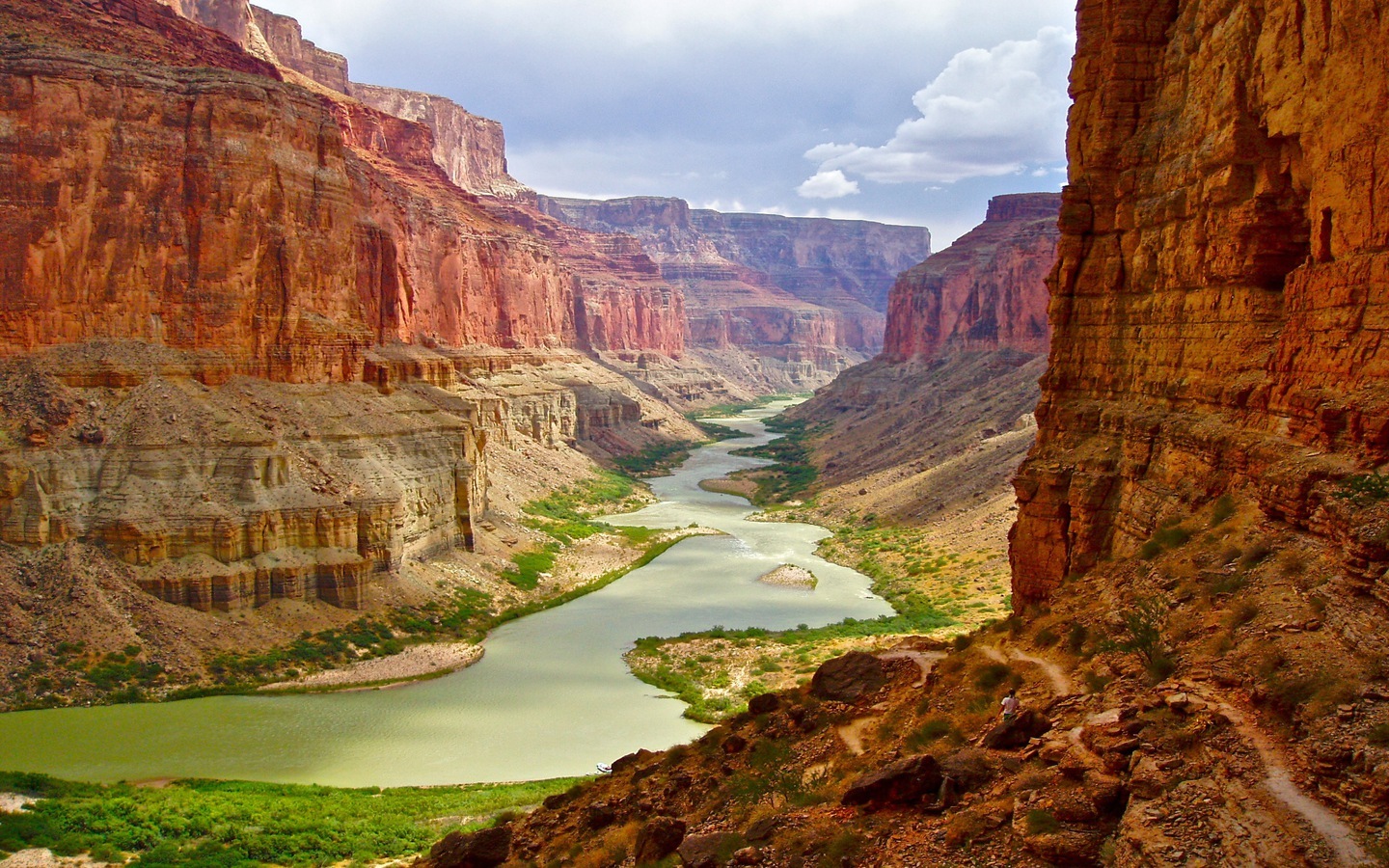
What is this landform?
a)
mountain
b)
canyon
c)
coast
d)
cliff
5.

What is a body of water that is surrounded by land and is usually freshwater?

a)

river

b)

lake

c)

ocean

d)

sea

6.

Deltas forming at the mouths of rivers is an example of _____________.

a)

Weathering

b)

Erosion

c)

Deposition

7.

Water getting into cracks, freezing, and breaking the rocks or pavement apart

a)

Weathering

b)

Erosion

c)

Deposition

8.

The process of breaking up rocks on Earth's surface is called...

a)

sediment

b)

erosion

c)

weathering

d)

deposition

9.
An avalanche is an example of which process?
a)
Weathering
b)
Erosion
c)
Deposition
d)
Volcanic Eruption
10.

What is the process that picks up and moves weathered rocks?

a)

Deposition

b)

Landslide

c)

Weathering

d)

Erosion

11.
Deposition changes the Earth’s surface because bits of broken rock and soil _____.
a)
stop rivers from flowing.
b)
make rich farmlands.
c)
are dropped in new places.
d)
move very slowly.
12.

Muddy water being carried away by a fast-moving river is an example of

a)

Weathering

b)

Erosion

c)

Deposition

d)

A nice place to swim

13.
What is an enormous mass of ice moving over land, causing weathering of rock and soil?
a)
A glacier
b)
An iceberg
c)
An ice wedge
d)
A sand dune
14.
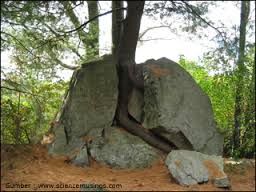
How do plants weather rocks?
a)
During photosynthesis
b)
When roots grow into cracks of rocks and expand the rock breaks.
c)
When the plant moves water from the roots to the leaves, the rock breaks.
d)
Plants don't weather rocks.
15.
Flood water pounding against a canyon wall and wearing it down is an example of
a)
Weathering
b)
Erosion
c)
Deposition
d)
An avalanche
16.

What is sediment?

a)

the process of rocks being broken down and carried away

b)

bits of rock, sand, and silt caused by the weathering of rocks

c)

the top layer of the soil

d)

decaying plant or animal material

17.

What happens when weathering and erosion work together?

a)

New Mountains are created

b)

The climate changes overnight

c)

Metal objects become rusty

d)

They change the Earth's surface

18.
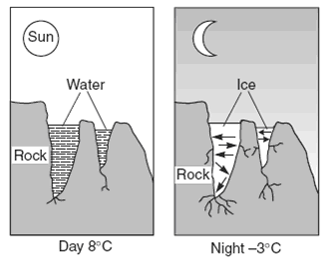
The diagrams  shows a natural process that weathers rock.
 Which statement best explains why this process results in weathering?
a)
frozen water acts as a solute
b)
water expands when it freezes
c)
the mass of water increases when it freezes
d)
frozen water dissolves most types of rock
19.
What is the correct order of the processes?
a)
they all happen at the same time
b)
erosion, weathering, deposition
c)
weathering, erosion, deposition
d)
weathering, deposition, erosion
20.

How do we know that a rock has been weathered?

a)

it has sharp edges

b)

it has round edges

21.
Weathering involves the movement of rocks and minerals by agents such as water, wind and gravity.
a)
True
b)
False
22.
The outside layer of the earth is called ______________________.
a)
core
b)
crust
c)
mantle
d)
outer core
23.
The huge pieces of the earth's crust are called ____________________________. 
a)
crust
b)
plates
c)
directions
d)
seismos
24.
What occurs when two plates move, bump or slide past each other?
a)
An Earthquake
b)
Nothing
c)
Movement
25.
Many earthquakes happen along the borders of...
a)
Countries
b)
Tectonic Plates
c)
Climate Zones
d)
None of the above.
26.
The epicenter of an earthquake is
a)
The point below the surface where rock begins to break and the first motion occurs
b)
The seismic station closest to the earthquake
c)
The place where the greatest damage occurs
d)
The point on the surface directly above the focus
27.

An instrument that detects and measures earthquakes is a

a)

seismogram

b)

focus seismic map

c)

focus

d)

seismograph

28.
The focus of an earthquake is
a)
The point (below Earth's surface) where rock breaks
b)
The closest seismic station
c)
The place where the greatest damage occurs
d)
A fault
29.
The Richter scale measures:
a)
the amount of radon gas released
b)
the movement of plates
c)
the strength of an earthquake
d)
the weight of tectonic plates
30.
During an earthquake, the earth's crust can crack. 
a)
true
b)
false
31.
What are seismic waves?
a)
The shaking movements that start at the focus
b)
Waves in the ocean
c)
Big hand movements
d)
Where the earthquake ends
32.

In what areas of the world do hurricanes form?

a)

Warm ocean waters

b)

Polar ocean waters

c)

On lakes and rivers

d)

Over the central plains of the U.S

33.
A hurricane gets its energy from
a)
Warm ocean waters
b)
high air pressure
c)
winds along surface
d)
Sun
34.

The center of a hurricane is called the ______.

a)

center

b)

brain

c)

eye

d)

circle

35.

What causes damage in a hurricane?

a)

Winds

b)

Flooding

c)

Storm Surge

d)

All of these

36.

Hurricane season goes from ______ 1st to _______ 30th

a)

June, October

b)

April, September

c)

June, November

d)

May, October

37.
What is the source for warming up ocean water?
a)
the sun
b)
water movement
c)
wind
d)
fish peeing in the ocean water
38.

Where do most hurricanes develop?

a)

Middle of the United States

b)

Near the Equator

c)

Near Canada and Alaska

d)

Antarctica

39.
What makes a hurricane lose energy?
a)
Land
b)
Increased low pressure
c)
Meteorologists 
d)
Superman flying the other direction
40.

How fast do winds have to be before it is considered a hurricane?

a)

50 mph

b)

75 mph

c)

100 mph

d)

40 mph

41.

What are conditions like in the eye of the hurricane?

a)

Very rainy

b)

Very windy

c)

Calm and possibly sunny

d)

Cloudy and humid

42.
What part of the hurricane has the strongest winds, thickest clouds, and heaviest rain? 
a)
eye
b)
eye wall
c)
rain bands
d)
wind direction
43.

What part of the hurricane spins out and makes the storm bigger?

a)

eye

b)

eye wall

c)

rain bands

d)

wind direction

44.

The difference between magma and lava is _____

a)

where it is found (above or below the surface)

b)

how hot the molten rock is (lava is hotter than magma)

c)

the type of boundary where it forms

d)

the viscosity of the molten rock (lava has a lower viscosity)

45.

What is / are sign(s) that a volcano may erupt soon?

a)

Earthquake activity in the area

b)

Changes in the shape of the volcano

c)

Different amounts of gas being produced

d)

All of these are signs

46.

Where are most volcanoes found?

a)

Southern Hemisphere

b)

Ring of Fire

c)

Mid-Atlantic Ridge

d)

Hot Spots

47.
What stage is a volcano in when it is considered to be "sleeping"?
a)
Dormant
b)
Active
c)
Extinct
d)
Alive
48.
Which type of volcano has recently erupted or will soon erupt?
a)
Active
b)
Dormant
c)
Extinct
49.
Which kind of volcano will probably never erupt again? 
a)
a chamber volcano
b)
an extinct volcano
c)
an active volcano
d)
a dormant volcano
50.
Vocanoes are found...
a)
on land
b)
under water
c)
on islands
d)
all of the above
51.
The point on Earth's surface directly above an earth quake's starting point, or focus
a)
focus
b)
epicenter
c)
fault
d)
earthquake
52.
The body of molten rock that feeds a volcano.
a)
magma chamber
b)
vent
c)
focus
d)
magma shift
53.
What do you call a mountain that forms when molten rock, called magma, is forced to the Earth's surface?
a)
volcano
b)
mountain
c)
caldera
d)
Paricutin
54.

What is the shaking of the Earth’s crust caused by a release of energy?

a)

Earthquake

b)

Epicenter

c)

Fault

d)

Plate

55.
What is the measure of the amount of energy released in an earthquake?
a)
Earthquake
b)
Epicenter
c)
Magnitude
d)
Seismogram
56.

What is a large ocean wave that results from an underwater earthquake, landslide, or volcanic eruption?

a)

Aftershock

b)

Liquefaction

c)

Seismic Gap

d)

Tsunami

57.

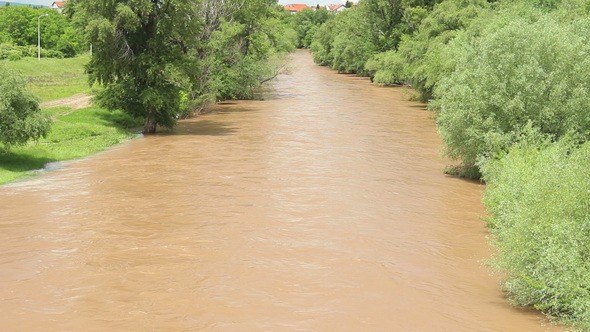
What has settled in this river?

a)

Fish

b)

Sediment

c)

Boulders

d)

Trash

58.
A cliff formed near the ocean.  Which statement best describes how this cliff formed?
a)
Warm air melted the rock.
b)
Sun rays evaporated the rock.
c)
Ocean waves washed away rock.
d)
Plant roots pushed away the rock.
59.

What is this a picture of?

a)

mountain

b)

glacier

c)

coast

d)

cliff

60.
Sand dunes like the ones pictured above are most likely caused by —
a)
rain
b)
glaciers
c)
wind
d)
water
61.

Glaciers can change the shape of the land.

a)

True

b)

False

62.

Erosion transports sediment

a)

True

b)

False

63.

The Grand Canyon was carved out by a river. This is an example of which erosion force?

a)

Water

b)

Ice

c)

Gravity

d)

Wind

64.
Deposition changes the Earth’s surface because eroded materials _____.
a)
stop the river's flow
b)
make rich farmlands
c)
are dropped in new places
d)
move very slowly