
 Worksheets
Sedimentary Rocks
Total questions: 36
Worksheet time: 43mins
Clay or Silt
What is deposition?
Pieces of sediment come to rest on a surface
Movement of sediment
Breaking down of sediment


Rock made of layers of compressed sediments
metamorphic rock
igneous rock
sedimentary rock
school house rock
Small pieces of rock are also called
sediment
coal
organic matter
erosion

The breakdown of rock into smaller particles from the effects of wind, water and ice
erosion
cementation
pressure
weathering

Wind, water, ice and gravity carry sediments away
weathering
deposition
erosion
cementation

Sediment that is left behind in rivers lakes and oceans
weathering
erosion
cementation
deposition

When the weight of new sediment layers is deposited on top of older layers
erosion
compaction
pressure
weathering
Force of objects pushing on other objects
erosion
pressure
fighting
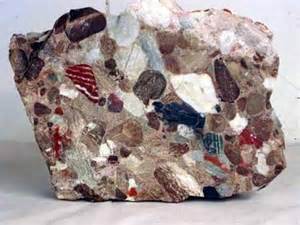
The process of layers become stuck together forming sedimentary rocks
sticking
pressuring
cementation
deposition

The waste and remains of plants and animals
organic matter
fossil fuels
fossils

Preserved parts or traces of animals and plants that lived in the past
natural gas
imprints
photos
fossils
Which of the following is not a fossil fuel
Coal
Electricity
Oil
Natural Gas
A flammable material, without a definite form, made from the remains of marine organisms from millions of years ago
coal
oil
natural gas
gasoline
Coal, oil and natural gas formed over millions of years are called
rare
fuel energy
fossil fuels
ancient fuels
Small pieces of rock are also called
sediment
coal
organic matter
erosion
Rock made of layers of compressed sediments
metamorphic rock
igneous rock
sedimentary rock
school house rock
Boulder or Cobble

In which kind of rock do we usually find a fossil?
sedimentary rock
metamorphic rock
igneous rock
How do fossils form?
Living things die and their remains are covered by sediment
insects are covered in tree sap
all of these are correct
Freezing preserves the remains of an organism
Which statement is true about the fossil record?
It is a record of all living things
It shows how our climate has remained the same over time
It provides evidence for history of life on Earth
It does not support the theory of evolution
What is the movement of soil from one place to another?
weathering
deposition
discharge
erosion

