
NEW
Font size
 Worksheets
Rock Weathering Practice
Total questions: 27
Worksheet time: 16mins
This type of weathering occurs when rock is physically broken down into smaller pieces of rock.
mechanical weathering
chemical weathering
sediment
deposition
This type of weathering occurs when rocks weaken then break down due to chemical changes in the composition of the rock.
mechanical weathering
chemical weathering
sediment
deposition
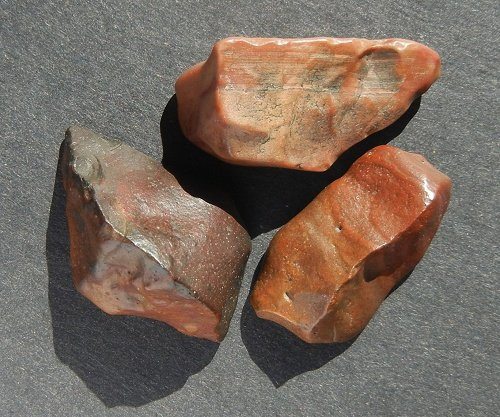


This rock has many spaces or holes which allow water to seep through it, meaning it...
has more surface area available, so it may chemically weather easily.
will weather more slowly due to the drafty effects of the holes.
won't weather any differently from a more solid rock.
will remain unchanged because the water can flow through.

Tree roots growing into the cracks in a sidewalk and the sidewalk cracking is an example of:
mechanical weathering by root wedging
chemical weathering by acidic rain water
mechanical weathering by abrasion
chemical weathering by organic acids
Holes forming in the limestone rocks under ground is an example of...
mechanical weathering by abrasion
chemical weathering by dissolution
mechanical weathering by ice wedging
chemical weathering by oxidation
A metal statue slowly turning green after years of being outside is an example of:
mechanical weathering by abrasion
chemical weathering by oxidation
mechanical weathering by hydrolysis
chemical weathering by dissolution
Rocks along a riverbed that are smoothed from continuously moving water and sediment rubbing against them is an example of:
mechanical weathering by ice wedging
chemical weathering by hydrolysis
mechanical weathering by abrasion
chemical weathering by oxidation
A piece of sandstone changing color (from brown to rusty red) from exposure to water and air is an example of:
mechanical weathering by dyeing
chemical weathering by dissolution
chemical weathering by oxidation
mechanical weathering by exfoliation

The formation of a cave as water mixed with carbon dioxide creates carbonic acid, which dissolves away the limestone, is an example of:
chemical weathering by by abrasion
chemical weathering by oxidation
chemical weathering by dissolution
chemical weathering by water movement
The formation of large cracks in the face of a mountain from repeated freezing and thawing of water in smaller cracks is an example of:
mechanical weathering by ice wedging
chemical weathering by hydrolysis
mechanical weathering by abrasion
mechanical weathering by crystal growth
Lichens growing on a large boulder release enzymes and other acids that slowly break the rock apart. This is an example of:
mechanical weathering by wedging
chemical weathering by hydrolysis
chemical weathering by dissolution
chemical weathering by oxidation
The reaction of rock minerals with oxygen changes the mineral composition of the rock, making them become less resistant to weathering. This is an example of
mechanical weathering by wind
chemical weathering by oxidation
chemical weathering by hydrolysis
chemical weathering by dissolution

This rock was molten lava that cooled quickly as it came out of a volcano. What type of rock is this?
Clastic Sedimentary
Extrusive Igneous
Intrusive Igneous
Chemical Sedimentary
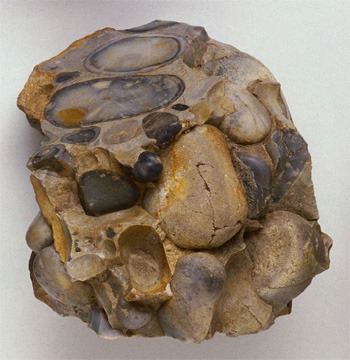
This rock was formed by smaller pieces of rock that settled at the bottom of a lake millions of years ago. What type of rock is this?
Clastic Sedimentary
Extrusive Igneous
Intrusive Igneous
Chemical Sedimentary

Which statement best explains why this process results in weathering?

