wayground logo

Free Printable Worksheets

NEW

Font size

S
M
L
XL
Worksheets

EEN-EHH 2.1.2 - 2.1.4 Quiz/Make-Up

Total questions: 55

Worksheet time: 2hrs 50mins

Name
Class
Date
1.

Erosion is...

a)

materials begin moved across the Earth's surface by water and wind

b)

materials deposited into a new location as sediment

c)

rocks and other materials being broken down both physically and chemically

2.
What are three types of rocks?
a)
sedimentary, igneous, metamorphic
b)
mantle, igneous, sedimentary
c)
crust, core, mantle
3.
When lava cools what does it form?
a)
igneous rock
b)
fossils
c)
sedimentary rock
d)
metamorphic rock
4.
How are sedimentary rocks formed?
a)
cooling
b)
erosion
c)
heat and pressure
d)
compacting and cementing
5.
Which layer would be the oldest?
a)
siltstone
b)
sandstone
c)
conglomerate
d)
mudstone
6.
Hot gases and lava flow from...
a)
faults
b)
volcanoes
c)
glaciers
d)
earthquakes
7.
Which one of the following will improve soil quality?
a)
using too much fertilizer
b)
planting the same crops each year
c)
cutting everything down
d)
planting flowers and grass
8.
Which of these often occur as the Earth's crustal plates move?
a)
earthquakes
b)
floods
c)
tornadoes
d)
hurricanes
9.
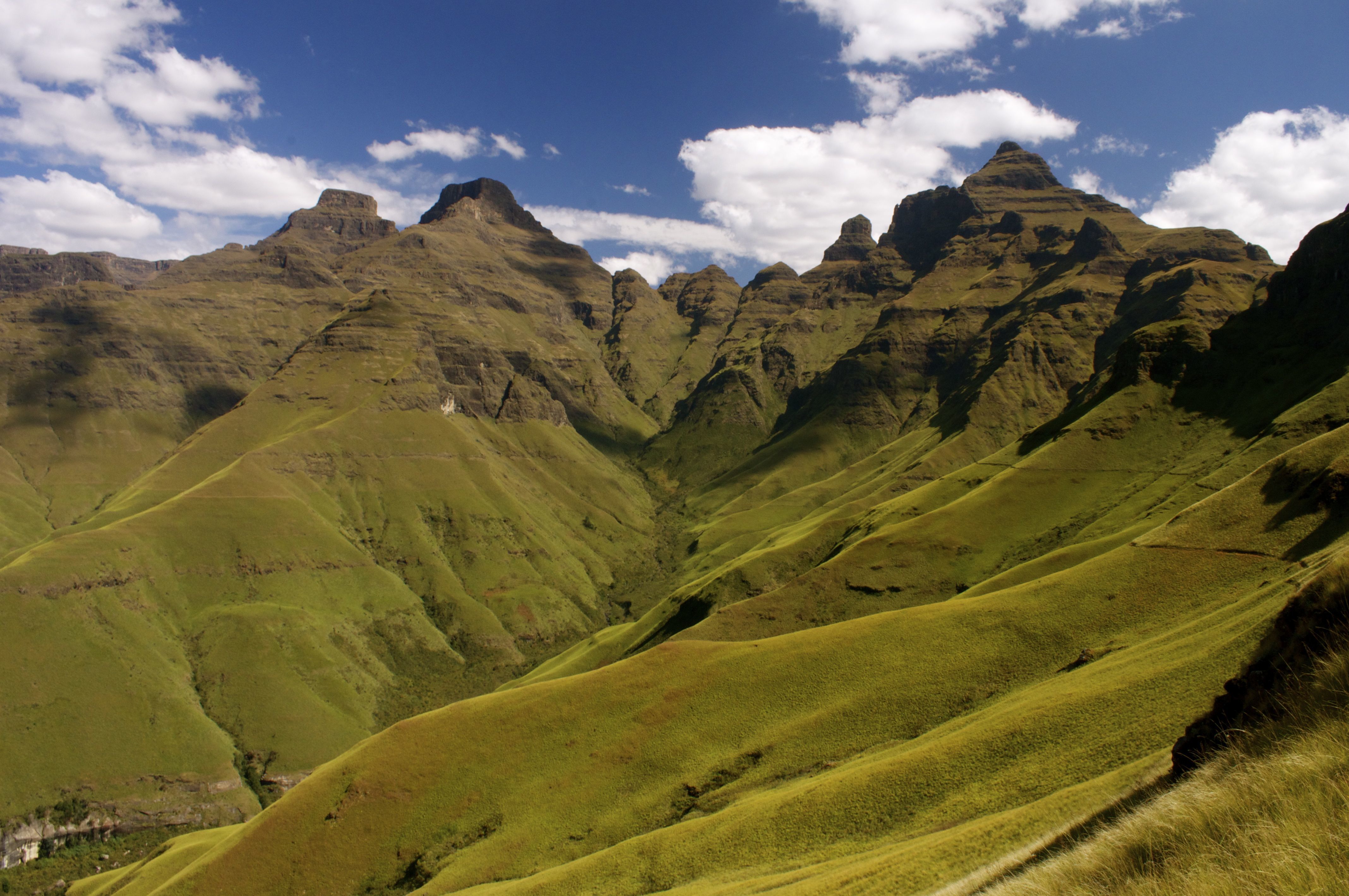
Mountains are formed by...
a)
wind slowly building up rocks
b)
erosion
c)
lowering of the sea level
d)
folding and faulting of the Earth's crust
10.
Igneous rock may be broken into tiny pieces and changed into what?
a)
metamorphic rock
b)
sedimentary rock
11.
What is the rock cycle?
a)
model that shows how rocks are changed from one type to another
b)
the process of minerals changing and transforming
12.
Where are earthquakes and volcanoes likely to occur?
a)
anywhere
b)
at boundary plates (fault lines)
c)
on mountains
13.

What type of rock forms from the cooling of magma?

a)

Intrusive Igneous

b)

Extrusive igneous

c)

Sedimentary

d)

Metamorphic

14.

What type of rock forms from the cooling of lava?

a)

Intrusive Igneous

b)

Extrusive Igneous

c)

Sedimentary

d)

Metamorphic

15.

What type of rock forms from the compaction and cementation of sediment?

a)

Intrusive Igneous

b)

Extrusive Igneous

c)

Sedimentary

d)

Metamorphic

16.

What type of rock forms from other rocks that have been through extreme heat and pressure?

a)

Intrusive Igneous

b)

Extrusive Igneous

c)

Sedimentary

d)

Metamorphic

17.

When rock goes through weathering and erosion what forms?

a)

Sediment

b)

Magma

c)

Lava

d)

Boulders

18.

Molten rock inside the Earth

a)

Lava

b)

Magma

c)

Sediment

d)

Rocks

19.

Molten rock outside the Earth (on the Earth's surface)

a)

Lava

b)

Magma

c)

Sediment

d)

Rocks

20.

What is the moving of sediment by wind, water, or gravity?

a)

Mechanical weathering

b)

Chemical weathering

c)

Erosion

d)

Compaction

21.

When a rock is broken down and the composition of the rock changes

a)

Mechanical weathering

b)

Chemical weathering

c)

Erosion

d)

Melting

22.

A tree root breaks a rock into two pieces.

a)

Mechanical weathering

b)

Chemical weathering

23.

Which of the following is NOT one of the causes of erosion?

a)

Wind

b)

Water

c)

Fire

d)

Gravity

24.

What force causes geohazards like creep and mudslides?

a)

Gravity

b)

Wind

c)

Water

d)

Friction

25.

When rocks move suddenly down a slope.

a)

Mudslide

b)

Slump

c)

Creep

d)

Rockslide

26.

When a large area of land drops straight down a hill.

a)

Mudslide

b)

Slump

c)

Creep

d)

Rockslide

27.

Weathered rock mixed with organic material is _____

a)

Soil

b)

Humus

c)

Parent material

d)

Sediment

28.

Organic material in soil

a)

Humus

b)

Ferns

c)

Parent material

d)

Climate

29.
The remains of living things that died long ago are often found in what type of rock?
a)
igneous rocks
b)
sedimentary rock
c)
metamorphic rock
d)
all rocks
30.
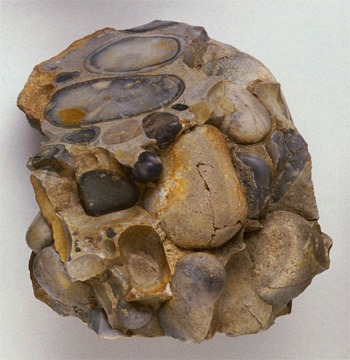
This rock was formed by smaller pieces of rock that settled at the bottom of a lake millions of years ago. What type of rock is this?
a)
Sedimentary
b)
Igneous
c)
Metamorphic
31.
The process in which sediment are fused or glued together.
a)
compaction
b)
deposition
c)
organic rock
d)
cementation
32.
What do earthquakes tell scientists about the history of the planet?
a)
Earth's climate is constantly changing.
b)
The continents of Earth are continually moving.
c)
Dinosaurs became extinct about 65 million years ago.
d)
The oceans are much deeper today than millions of years ago.
33.
What can be used to find the exact age of a rock specimen?
a)
ice cores
b)
index fossils
c)
radioactive dating
34.
States that younger rocks lie above older rocks if the layers have not been disturbed
a)
Law of crosscutting
b)
Law of superposition
c)
Relative Dating
d)
Unconformity
35.
The rock formation labeled "P" is a(n)...
a)
fault
b)
intrusion
c)
inclusion
d)
unconformity
36.
The rock formation labeled "P" is a(n)...
a)
fault
b)
intrusion
c)
inclusion
d)
unconformity
37.
This sphere includes the continents, the ocean floor, all the rocks on the surface, and all of the sand in the deserts. 
a)
Hydrosphere 
b)
Biosphere 
c)
Atmosphere 
d)
Geosphere 
38.
When a plants takes carbon dioxide from the air which two spheres are interacting? 
a)
Biosphere and atmosphere 
b)
Geosphere and atmosphere 
c)
Hydrosphere and atmosphere 
d)
Atmosphere and atmosphere 
39.
This is part of the....
a)
Geosphere
b)
Atmosphere
c)
Hydrosphere
d)
Cryosphere
40.
What part of the water cycle does this picture show?
a)
condensation
b)
precipitation
c)
evaporation
41.
An example of a connection between ATMOsphere and HYDROsphere is:
a)
rain
b)
rivers
c)
lakes
d)
rocks
42.
What is the water cycle?
a)
the 3 forms of water
b)
the movement of water on, above, or below the surface of the Earth
c)
when water melts
d)
when clouds form
43.
Which stage does ground water try to return to the ocean or soak into the ground?
a)
condensation
b)
evaporation
c)
precipitation
d)
run off
44.
Which stages does liquid water from the ocean turn into water vapor?
a)
condesantion
b)
evaporation
c)
precipitation
d)
run off
45.
Which stages does liquid water from the ocean turn into water vapor?
a)
condesantion
b)
evaporation
c)
precipitation
d)
run off
46.
What process is occurring here? 
a)
sea-floor spreading
b)
mountain formation
c)
subduction
47.
4. What causes the tectonic plates to move?
a)
Conduction from the mantle
b)
Convection from the mantle
c)
Radiation from the mantle
48.
What layer is shown by letter A?
a)
Crust
b)
Mantle
c)
Outer core
d)
Inner core
49.
What layer is shown by letter B?
a)
Crust
b)
Mantle
c)
Outer core
d)
Inner core
50.
What layer is shown by letter C?
a)
Crust
b)
Mantle
c)
Outer core
d)
Inner core
51.
What layer is shown by letter D?
a)
Crust
b)
Mantle
c)
Outer core
d)
Inner core
52.
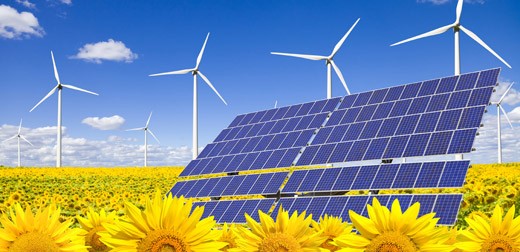
__________ is an energy resource that WILL NOT run out in the next several hundred years.
a)
Renewable Energy Resource
b)
Nonrenewable Energy Resource
53.
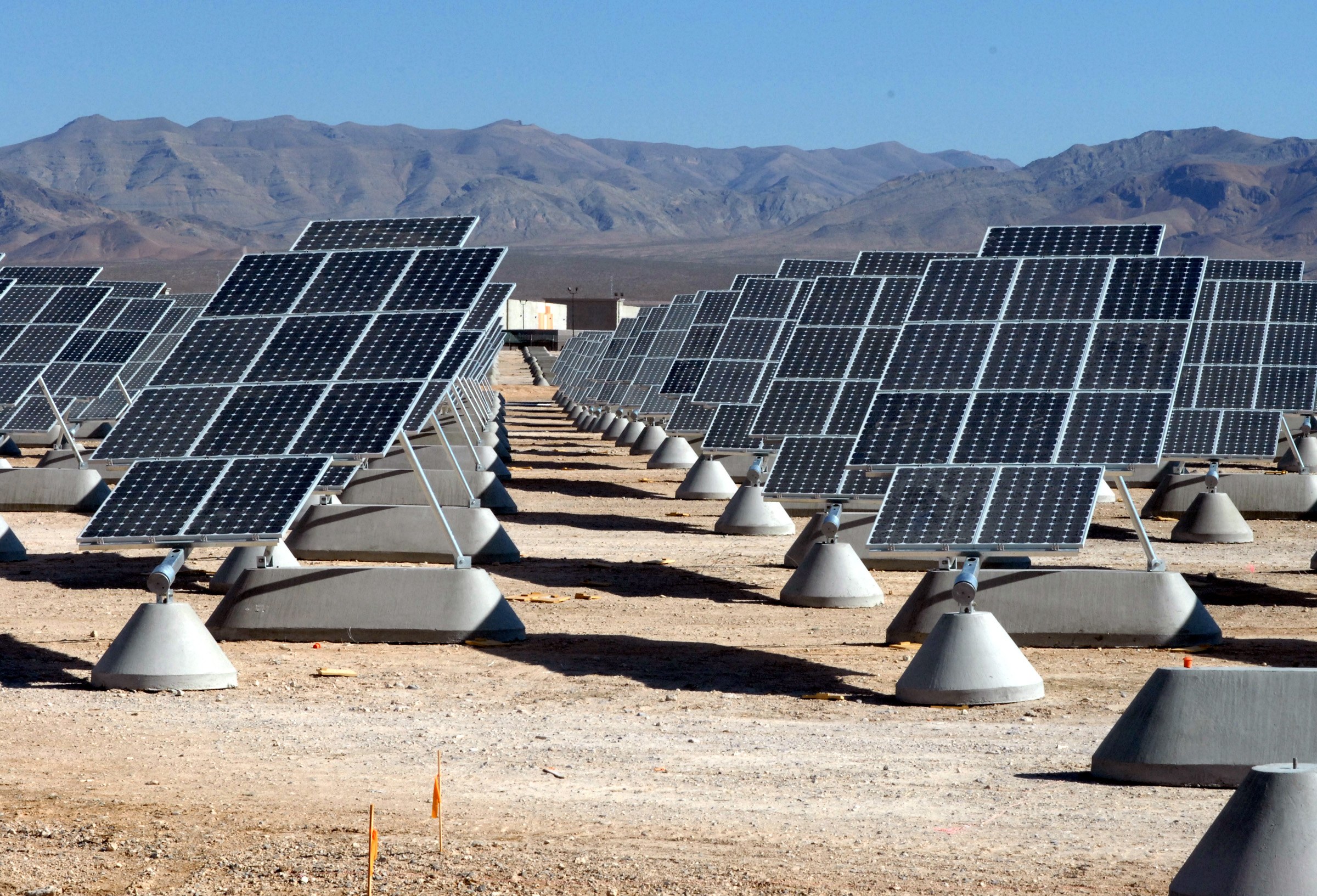
Solar Power is a __________ energy resource.
a)
Renewable
b)
Nonrenewable
54.
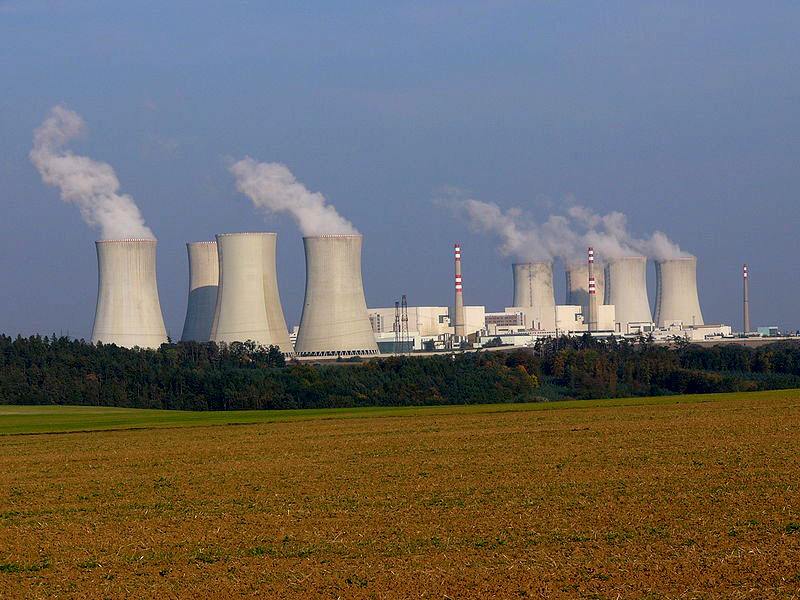
Nuclear Power is a __________ energy resource.
a)
Renewable
b)
Nonrenewable
55.
An underground layer of rock or sediment that holds water?
a)
Reservoir
b)
Aquifer
c)
Groundwater
d)
Watershed