
 Worksheets
Living World
Total questions: 35
Worksheet time: 26mins
Name
Class
Date
1.

a)
Living
b)
Non-living
2.

a)
Living
b)
Non-Living
3.

Is water living, nonliving, or once alive?
a)
Living
b)
Nonliving
c)
Once alive
d)
None of the above
4.

This animal is.........
a)
ovoviviparous
b)
viviparous
5.

This animal is ........
a)
viviparous
b)
ovoviviparous
6.
Which is not a product of cellular respiration?
a)
oxygen
b)
carbon dioxide
c)
water
d)
Energy
7.
Fiber is a good source of energy.
a)
TRUE
b)
FALSE
8.
Factors such as age, gender, and level of physical activity influence your calorie needs.
a)
TRUE
b)
FALSE
9.
Calcium, Sodium, and Fluoride are examples of ________?
a)
Minerals
b)
Vitamins
c)
Fruits
d)
Fiber
10.
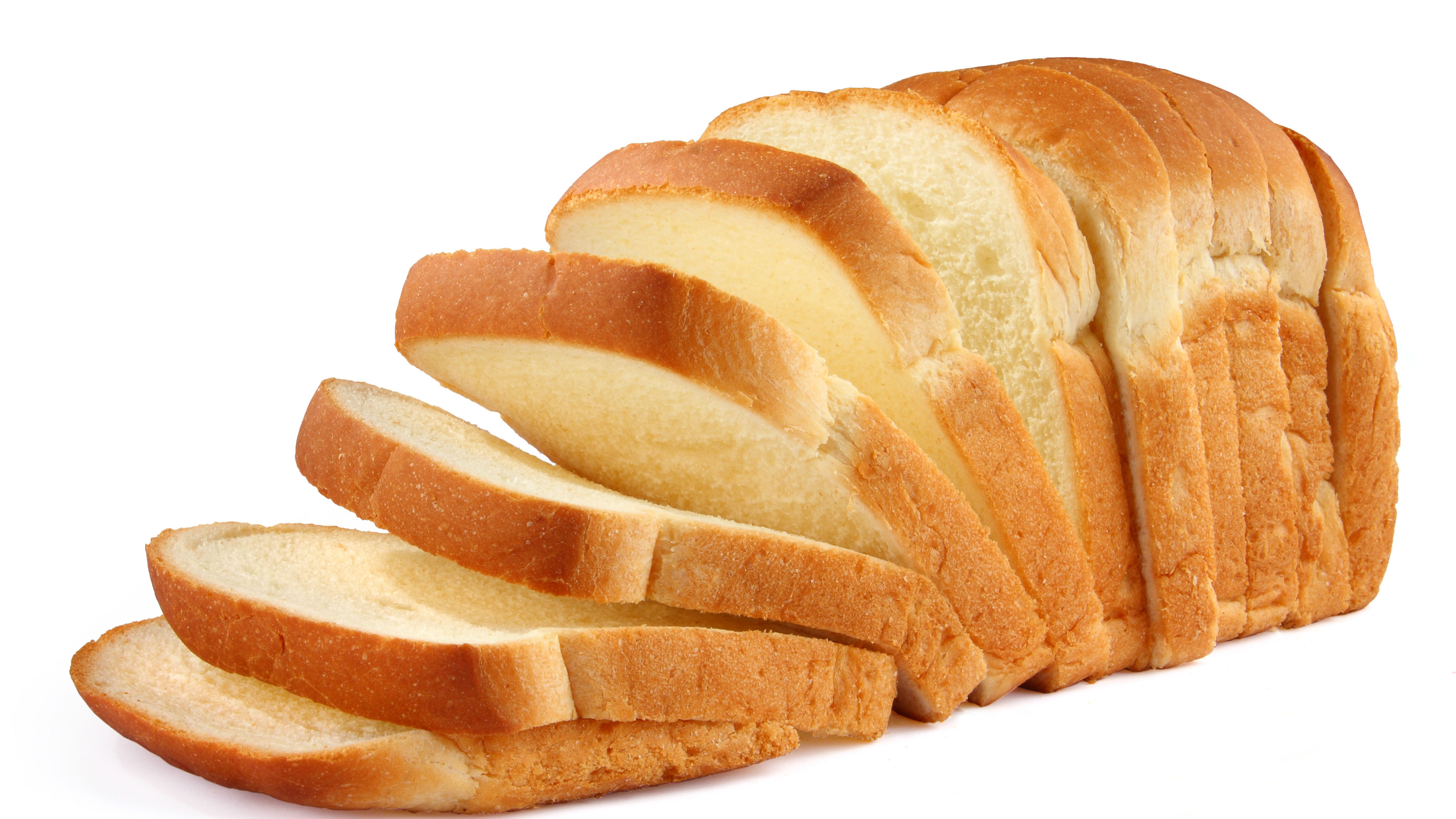
Bread is a great source of which energy nutrient?
a)
Carbohydrates
b)
Fats
c)
Proteins
d)
All of the above
11.
When using a dichotomous key to identify organisms, what do we look at?
a)
physical features
b)
weather patterns
c)
environment
d)
diet
12.
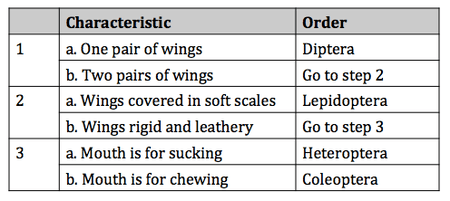
A dichotomous key for insects is given. To what order does an insect with two pairs of scaly wings belong?
a)
Coleoptera
b)
Heteroptera
c)
Diptera
d)
Lepidoptera
13.

Invertebrates are animals
a)
with a backbone
b)
without a backbone
14.

What are vertebrates?
a)
Animals with a backbone
b)
Animals without a backbone
15.

I am covered in dry scales and I lay eggs. What am I?
a)
Mammal
b)
Fish
c)
Amphibian
d)
Reptile
16.

My body is warm and covered in feathers. I lay eggs which hatch into chickens. What am I?
a)
Reptile
b)
Amphibian
c)
Mammal
d)
Bird
17.

My body is moist and smooth, I lay eggs, and live in or near the water. What am I?
a)
Amphibian
b)
Reptile
c)
Bird
d)
Fish
18.
When leaves fall off of trees in the winter, what stimulus are they responding to?
a)
Light
b)
Air temperature
c)
Touch
d)
Humans
19.
A phototropism is a response to _____.
a)
Touch
b)
Smell
c)
Temperature
d)
Light
20.
If you leave a plant on a table and there is a window nearby, what will the plant do?
a)
Crawl to the window
b)
Grow towards the window
c)
Jump out the window
d)
It will die
21.
Which part of the plant takes in the carbon dioxide?
a)
Leaves
b)
Stems
c)
Flowers
d)
Roots
22.
What is the job of the stem?
a)
Supports plant; transports materials
b)
Turns into a seed
c)
Soaks up water from the soil
d)
Makes food
23.
What do producers need to make food?
a)
water, oxygen, sunlight
b)
carbon dioxide, sunlight, water
c)
oxygen, glucose and water
d)
glucose, oxygen and carbon dioxide
24.

What is this called?
a)
Food Web
b)
Food Chain
c)
Abiotic Factors
25.

What is this called?
a)
Food Web
b)
Food Chain
c)
Abiotic Factors
26.

What does a food web represent?
a)
All connections of energy flow throughout all organisms in a ecosystem.
b)
The specific ways that mutualism is carried out.
c)
A single pathway or energy flow between organisms.
d)
How carnivores get their food.
27.
What word describes a trait that helps an organism survive in its environment?
a)
natural selection
b)
mutation
c)
camouflage
d)
adaptation
28.
What word describes the process of having the advantageous traits that helps an organism survive and reproduce?
a)
natural selection
b)
adaptation
c)
mutation
d)
genetic engineering
29.
Which of the following means "genetic change over time"
a)
natural selection
b)
speciation
c)
evolution
d)
fitness
30.

Which of the following is a decomposer
a)
Fox
b)
fungi
c)
virus
d)
brazillian pepper tree
31.

Which of the following describes how ALL consumers get their energy
a)
from eating primary producers
b)
From inorganic chemicals like hydrogen sulfide
c)
directly from the sun
d)
from eating organisms that were once living or are living
32.
a group of organisms of one species living in the same place at the same time that interbreed
a)
Ecosystem
b)
Community
c)
Biosphere
d)
population
33.
simple model that shows how matter and energy move through an ecosystem
a)
food chain
b)
food web
c)
food/energy pyramid
34.
the place in which an organism lives out its life
a)
habitat
b)
ecosystem
c)
niche
d)
organism
35.
Nearly all energy that fuels life on Earth comes from
a)
water
b)
the soil
c)
the sun
d)
the air
100 %

