wayground logo

Free Printable Worksheets

Font size

S
M
L
XL
Worksheets

Water Water Everywhere

Total questions: 105

Worksheet time: 6hrs 6mins
Name
Class
Date
1.
What is the energy source for the water cycle?
a)
the sun
b)
the earth
c)
water
d)
the moon
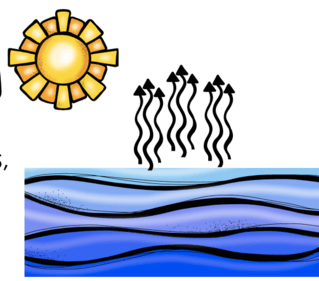
2.
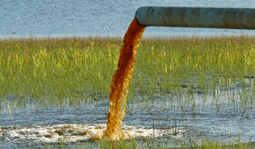
What part of the water cycle does this picture show?
a)
condensation
b)
precipitation
c)
evaporation
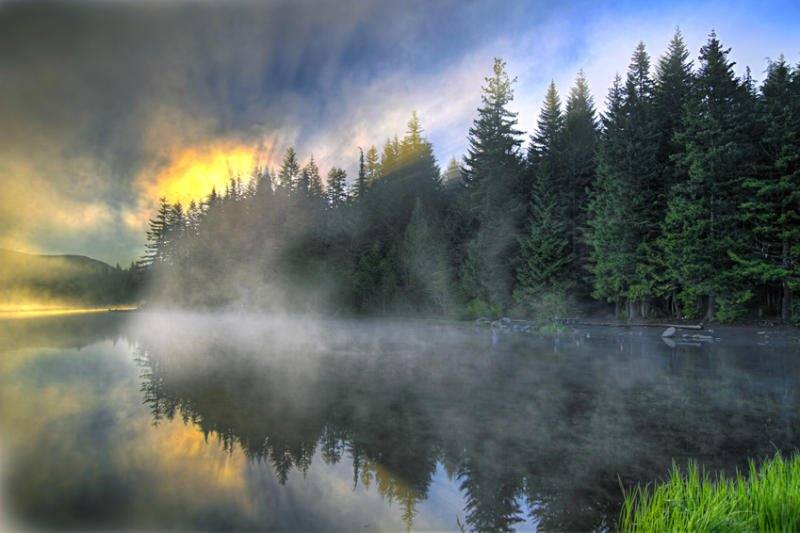
3.
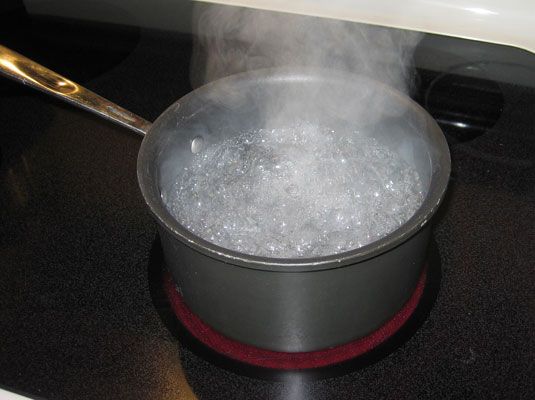
What part of the water cycle does this picture show?
a)
condensation
b)
precipitation
c)
evaporation
4.
What is the water cycle?
a)
the 3 forms of water
b)
the movement of water on, above, or below the surface of the Earth
c)
when water melts
d)
when clouds form
5.
Where is most water found on Earth?
a)
glaciers
b)
lakes
c)
rivers
d)
oceans
6.
Which type of rainfall would be most helpful to farmers? 
a)
rainfall that evaporates quickly
b)
rainfall that runs off the land quickly
c)
rainfall that soaks into the soil slowly 
d)
very little rainfall
7.
Many Utah towns use water from wells for drinking.  How does water get into wells? 
a)
it has to be poured into them from water tanks
b)
rain sinks down through the soil into them 
c)
it is pumped by large engines into the well
d)
it evaporates from inside the Earth
8.
What does groundwater do?
a)
It sends water to our buildings, houses, and water transplant places
b)
to the sky
c)
to the sun
d)
To the Earth's surfaces
9.
What is it called when plants give off water vapor as a waste product?
a)
condensation
b)
evaporation
c)
sublimation
d)
transpiration
10.
What follows evaporation during the water cycle? How does this occur?
a)
Water evaporates into water vapor
b)
Water vapor condenses and forms a  cloud
c)
Water precipitates to the ground
d)
Water runs down into the hydrosphere
11.
What happens after groundwater at the very end/beginning of the water cycle?
a)
Evaporation
b)
Transpiration
c)
Condensation
d)
Groundwater
12.
After the rain falls down onto Earth's surface, what most likely happens? What is it called?
a)
1. The remains of the water is soaked into the ground.
2.Groundwater
b)
1. Groundwater
2. The remains of the water is soaked into the ground.
c)
1. Groundwater
2. Transpiration happens to the plants.
d)
1. The liquid turns into an gas or an water vapor
2. Evaporation
13.
What is the next stage after EVAPORATION in the water cycle?
a)
CONDENSTATION
b)
GROUNDWATER
14.
What is it called when WATER is FORMED from an LIQUID to a WATER VAPOR Oor an [GAS]?
a)
EVAPORATION
b)
PRECIPITATION
c)
TRANSPIRATION
15.
Snow, sleet, hail, and rain are all examples of  ________________. 
a)
evaporation
b)
condensation
c)
accumulation
d)
precipitation
16.
Which best explains why runoff is important?
a)
It returns water to other locations on Earth
b)
It increases the chance of flooding
c)
It makes evaporation occur faster
d)
It increases condensation
17.
The ________ is the driving force of the earth's surface.
a)
sun
b)
moon 
c)
stars
18.
What is a man-made hole drilled below water table?
a)
natural spring
b)
lake
c)
wetlands
d)
well
19.
 What is a huge, slow-moving mass of ice and snow called?
a)
well
b)
glacier
c)
river system
d)
geyser
20.
What is a layer of rock or sediment that holds water?
a)
glacier
b)
well
c)
aquifer
d)
natural spring
21.
Porosity refers to...
a)
the shape of the particles
b)
The sorting of the particles
c)
amount of pore space in a material
d)
% of cement in a material
22.
Impermeable materials...
a)
have an abundance of pores.
b)
let water in.
c)
have little to no pores.
23.
A ___________________ is the area of land that collects runoff and channels it into a main river.
a)
aquifer
b)
watertable
c)
stream channel
d)
watershed
24.
What is the source of groundwater?
a)
rain, snow, melted glaciers
b)
ocean water
c)
icebergs
d)
water from fossilized animals
25.
In Texas, why is it dangerous if wastewater is emptied directly into local rivers, lakes, and bays?
a)
Wastewater can flow too quickly into the ocean and cause the sea level to rise.
b)
Wastewater can evaporate and cause air pollution.
c)
 Wastewater does not mix well with fresh water, so disrupts the flow of fresh water.
d)
Wastewater often contains contaminants that can kill aquatic organisms.
26.
What is the source of most surface water and groundwater?
a)
Snow
b)
Precipitation
c)
Run-off
d)
Wastewater
27.
Water stored below the Earth's surface is called:
a)
Groundwater
b)
Surface water
c)
Water in the ground
d)
Run off 
28.
What are sources of water pollution?
a)
Precipitation as Acid rain
b)
Runoff water & Groundwater
c)
Industry & Household waste
d)
All of these
29.
The use of pesticides and fertilizers must be carefully monitored because of the effect they can have on the environment. 
Which of the following is a possible negative effect of the use of these chemicals on the environment?
a)
Runoff carries these chemicals into lakes and streams.
b)
Theses chemicals cannot be purchased in large bulk.
c)
These chemicals are expensive to produce.
d)
Storage space for these chemicals is limited.
30.
When fertilizers enter surface water, they cause problems in the watershed by -
a)
increasing the amount of nutrients available to fish in lakes and streams.
b)
clogging narrow streams and preventing water from flowing properly.
c)
raising the water level in nearby rivers to levels leading to flooding.
d)
causing rapid algal growth that decrease oxygen levels and choke aquatic life.
31.
How could pesticides get into lakes and streams?
a)
too much could be used
b)
it could be sprayed too close to a stream
c)
rain could wash pesticides into a stream
d)
all of the above
32.
Untreated sewage is released into the environment. What type of pollution would this cause?
a)
Biological
b)
Chemical
c)
Thermal
d)
Toxic
33.
Marta placed her leftover paint and solvent in her garbage for the regular trash pick-up instead of following the disposal instructions. What type of pollution would this cause?
a)
Biological
b)
Chemical
c)
Thermal
d)
Air
34.
If you were going to make a pond in your backyard, which material would you choose to line the bottom?
a)
a mixture of sand, silt, and clay
b)
sand
c)
silt
d)
clay
35.
A region has large areas of flat farm land covered by layers of soil.  Underground, there is a large aquifer that stretches beneath most of the region.  Over a period of many years, much of the water in the underground aquifer that normally is removed through wells and used to irrigate crops is no longer used by farmers and locals. If the amount of precipitation maintains over the same period of many years, what effect could the lack of irrigation of crops have on the aquifer?
a)
The groundwater will decrease
b)
The groundwater will increase
c)
The groundwater will stay the same
d)
The groundwater will expand
36.
A small stream runs through the center of a farming community.  Water enters from a series of wells in the area.  For many years the shape of the streambed, the amount of water, and the species of wildlife have remained stable. There has been an increase in new homes, new streets and the addition of large storm drains in the area. What effect have the changes likely had on the neighborhood stream?
a)
Amount of runoff in the stream will increase.
b)
Amount of runoff in the stream will decrease.
c)
Amount of runoff in the stream will remain the same
d)
The direction of the flow of water in the streambed will change
37.
A small well supplies water for a family and their ranch.  Water enters from a series of small aquifers in the area.  For many years the shape of the aquifer, the amount of water, and the species of wildlife have remained stable. There has been an increase in new homes, new roads and new sprinkler systems in the area. What effect have the changes likely had on the family’s water supply?
a)
The supply of water will increase
b)
The supply of water will decrease
c)
The supply of water will stay the same
d)
-  The water will change direction.
38.
Due to increase in population of rats and rodents on a boardwalk facing the Ocean, workers and janitors have installed traps and poison throughout the boardwalk area. The rodent population has decreased, but poison has also fallen into the Ocean. What possible impact might this have on the Ocean?
a)
The runoff might pollute the water
b)
The runoff might cause native organisms to leave the area
c)
There will be no impact
d)
The runoff will lower the water level in the Ocean
39.
What is the name of the area of underground that is full of groundwater?
a)
Zone of Saturation
b)
Zone of Aeration
c)
Accumulation
d)
Infiltration
40.
If the ground will not absorb any more water the water will become __________.
a)
runoff
b)
precipitation 
c)
groundwater
d)
infiltration 
41.
Which of the following is most responsible for reducing the availability of freshwater in the country?
a)
aquifer depletion
b)
reservoir evaporation
c)
nonpoint source pollution
d)
boat and watercraft emissions
42.
Which of the following is an example of eutrophication?
a)
A lake absorbing oxygen from surroundings to provide for fish
b)
A lake with a lot of wood in it for beavers
c)
A lake with deep waters for fish to swim in
d)
None of the above
43.
The upper boundary, or surface, of groundwater. 
a)
channel
b)
water table
c)
permeability
d)
gradient
44.
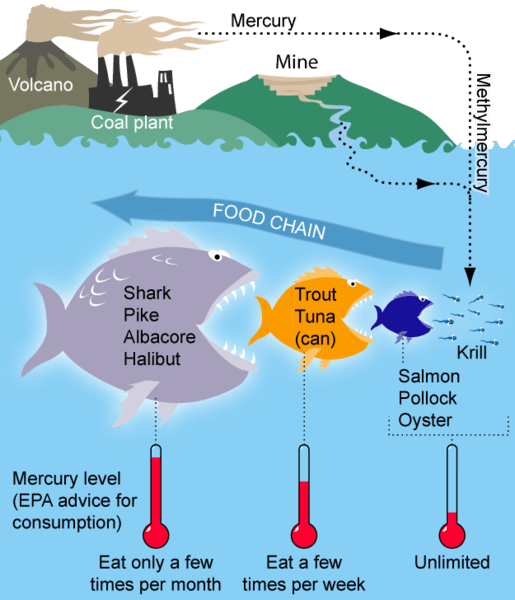
______________________ is the buildup of pollutants at higher levels of the food chain.
a)
porosity
b)
water pollution
c)
wastewater
d)
biomagnification
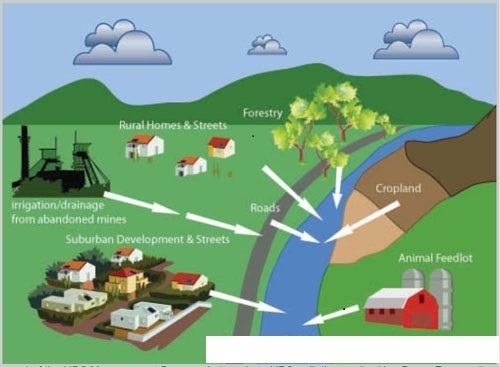
45.
______________________ is water waste that comes from many different sources.
a)
biomagnification
b)
point source pollution
c)
nonpoint source pollution
d)
wastewater
46.
______________________ is water waste discharge from a single source.
a)
nonpoint source pollution
b)
wastewater
c)
point source pollution
d)
pathogen
47.
______________________ is water that is safe to drink.
a)
pathogen
b)
porosity
c)
potable
d)
permeability
48.
______________________ is an organism that causes illness or disease.
a)
potable
b)
porosity
c)
pathogen
d)
permeability
49.
______________________ is when there is an increase in the overall temperature of a body of water.
a)
artificial eutrophication
b)
biomagnification
c)
wastewater
d)
thermal pollution
50.
What percent of the water on Earth is salt water? 
a)
3
b)
97
c)
77
d)
23
51.
Global uses of water
a)
residential
b)
agricultural
c)
industrial
d)
all the above
52.
Freshwater ecosystem?
a)
lakes
b)
ponds
c)
rivers
d)
all the above
53.
The water and human wastes that are washed down sinks, showers, and toilets are called __________________.
a)
the water cycle
b)
sewage
c)
thermal pollution
d)
point pollution sources
54.
Most water pollution is the result of __________________.
a)
natural processes
b)
animal waste
c)
human activities
d)
acid rain
55.
Wastes produced by agriculture, households, industry, mining, and other human activities can end up in ______________.
a)
groundwater
b)
streams and rivers
c)
oceans
d)
All of these choices
56.
Fertilizer, sewage, and animal feces can wash in to water, leading to... 
a)
thermal pollution
b)
artificial eutrophication
c)
desalination
d)
biomagnification
57.
The United States legislation that empowers the EPA to establish maximum contaminant levels in drinking water is
a)
The Clean Water Act
b)
The Safe Drinking Water Act
c)
The Clean Air Act
d)
The Superfund Act
58.
This law sets standards on pollutants for community water supplies.
a)
Clean Water Act (CWA)
b)
Safe Drinking Water Act (SDWA)
c)
National Environmental Policy Act (NEPA)
d)
Oil Pollution Act
59.
This law regulates the discharges of pollutants into all waters that have a significant connection with navigable waterways.  Also, must have a permit to dump these pollutants. Also, requires certain steps in sewage treatment. 
a)
Safe Drinking Water Act (SDWA)
b)
Clean Water Act (CWA)
c)
Oil Pollution Act
d)
National Environmental Policy Act (NEPA)
60.
Which of the following is a persistent inorganic pollutant that can impair neurological functioning?
a)
Lead 
b)
DDT
c)
PCB's
d)
Atrazine
61.
an underground tank containing bacteria that treat waste water is a
a)
septic tank
b)
leach field
c)
water treatment plant
62.
Which of the following is a way to save water?
a)
Water the lawn at high noon
b)
washing half loads of dishes
c)
taking shorter showers
d)
running the water while brushing your teeth
63.
Around how much of the Earth is fresh water?
a)
3%
b)
5%
c)
10%
d)
97%
64.
Chemicals that kill crop-destroying organisms are called _____________.
a)
sediments
b)
fertilizers
c)
acid rain
d)
pesticides
65.

Type of pollution associated with sand and soil entering waterways

a)

Nutrient

b)

Sediment

c)

Bacterial

d)

Toxic

66.

Type of pollution associated with manure and human waste entering water

a)

Sediment

b)

Nutrient

c)

Bacterial

d)

Toxic

67.

Type of pollution associated with excess nitrogen and phosphorus entering a stream

a)

Sediment

b)

Nutrient

c)

Bacterial

d)

Toxic

68.

Logging operations used to use a technique called clear cutting, in which all of the trees are removed from an area. What type of water pollution will this most likely lead to?

a)

Toxic

b)

Sediment

c)

Nutrient

d)

Bacterial

69.

When cars are poorly managed. they tend to leak oil onto roadways and parking lots. What type of water pollution can this cause when washed away?

a)

Toxic

b)

Sediment

c)

Nutrient

d)

Bacterial

70.

A new wastewater treatment plan opens in an area where raw sewage used to be dumped directly into a bay. Which two types of water pollution will be reduced the most by the new plant?

a)

Toxic and Sediment

b)

Sediment and Bacterial

c)

Toxic and Nutrient

d)

Bacterial and Nutrient

71.

A chicken farmer stores all of the chicken manure from his farm in large piles next to the river. Throughout the spring and summer, the piles of manure are exposed to rain and wind. Which types of pollution can occur from the farm?

a)

Toxic and sediment

b)

Sediment and nutrient

c)

Nutrient and bacterial

d)

Bacterial and toxic

72.

By rotating their crops, farmers can reduce their dependence on fertilizers, herbicides, and pesticides. Despite the benefits of crop rotation, many farmers only grow one or two crops year after year. This increase their use of fertilizers, herbicides, and pesticides. What are the type (s) of pollution?

a)

Toxic and sediment

b)

Sediment and nutrient

c)

Nutrient and bacterial

d)

Toxic and nutrient

73.

After a home renovation, Jack and Jill had leftover paint and solvent. Instead of properly disposing of the materials, they threw it in the garbage. What type(s) of pollution is this associated with?

a)

Toxic

b)

Sediment

c)

Nutrient

d)

Bacterial

74.

In a large new housing complex, many families do not practice water conservation. They take long showers, over water their lawns, and wash their cars frequently. They old water treatment facility cannot handle the increased water usage., thus creating untreated sewage to be released into the environment. What type (s) of pollution can this cause?

a)

Toxic and sediment

b)

Sediment and niutrient

c)

Nutrient and bacterial

d)

Bacterial and toxic

75.

Many school cafeterias serve food on paper products rather than using recyclable plates, glasses, and trays. In many cases, these paper products are not made from recycled paper. Which type of pollution can this lead to?

a)

Toxic

b)

Sediment

c)

Nutrient

d)

Bacterial

76.

Why is the global water demand rapidly growing?

a)

Increased usage of common areas

b)

Increased population growth

c)

Increased demand for food resources

d)

All the above

77.

Residents of Cape Town, South Africa were panicking and refilling their water bottles in anticipation of "day zero". What was day zero referring to?

a)

Day water usage will be restricted per household

b)

Day that increased taxation will occur on water usage

c)

Day water supply will be shut down and taps dry

d)

Day wells and tap water will be contaminated with lead

78.

Which location of the three, Maryland, Minnesota, or California had a surplus of water supplies most of the year?

a)

Maryland

b)

Minnesota

c)

California

79.

Which location of the three, Maryland, Minnesota, or California remained mostly in a deficit of water supplies?

a)

Maryland

b)

Minnesota

c)

California

80.

What chemicals / organic materials can contribute to a lake / stream / river changing?

a)

Fertilizers

b)

Pesticides

c)

Bacteria from live stock

d)

All the above

81.

Leaky septic systems, unlined landfills, treatment plants are all examples of:

a)

Point source contamination sites

b)

Non-point source contamination sites

82.

Lead, mercury, arsenic, and cadmium are all examples of:

a)

Physical agents

b)

heavy metals

c)

biological contaminants

d)

sediment contaminants

83.

Which organization monitors the quality of global drinking water:

a)

WHO

b)

FEMA

c)

EPA

d)

NASA

84.

What is added to water during the purification process to make it potable?

a)

bacterial microbes

b)

lead

c)

chlorine

d)

nitrogen

85.

Oil tankers, cruise ships, and garbage barges all contribute to what?

a)

Increased fuel costs

b)

Rising costs to the fishing industry

c)

Sedimentation dispersal near shores

d)

Ocean pollution

86.

This type of pollution results from the disastrous incident at the Fukushima Power plant:

a)

Sediment Pollution

b)

Thermal Pollution

c)

Biological Pollution

87.

500,000 fish were killed in the Cheakamus River when this type of contaminant polluted the area from a CN train derailment.

a)

Sodium Hydroxide

b)

Trichloroethyene (CE)

c)

Phosphorus

d)

Nitrogen

88.

Which company (s) were responsible for the largest payout in New England history for the contamination of Woburn's water supply with TCE?

a)

Beatrice

b)

Johnson & Johnson

c)

Grace

d)

Both A and C

89.

Dolphins and other marine animals suffered death in recorded numbers as well as deformities of the heart and other organs due to a 1.84 million gallon oil dispersant in the Gulf. Which 6 moth occurring accident contributed to this?

a)

Exxon Valdez Oil Spill

b)

BP Oil spill

c)

Chesapeake Bay Oil Incident

d)

Woburn Incident

90.

Which of the following can contribute to groundwater contamination? Click all that apply.

a)

Washing and waxing your car outside

b)

Washing rags in the washing machine after cleaning the house

c)

Pouring unused paint down the drain

d)

Cleaning the toilet bowls with Clorox or Lysol

91.

True or False: Groundwater contamination is easy to clean up because it is in one specific location: the contamination site.

a)

True

b)

False

92.

Of the three listed, which one accounts for most water usage within a home? toilet flushes, baths, or running showers?

a)

Toilet flushes

b)

Baths

c)

Running Showers

93.

If a faucet was to drip 30 times per minute, how many gallons are wasted daily? Choose the answers closest to the whole number.

a)

1 gallon

b)

4 gallons

c)

9 gallons

d)

15 gallons

94.

Schools nationwide are aware of the potential risk of lead in their drinking water. Which location is attributed to making awareness of lead poisoning in water?

a)

Flint Michigan

b)

Woburn

c)

Chesapeake Bay

d)

Detroit Michigan

95.

Listed below are recommendations for water conservation. Check all that would apply to conserving water.

a)

Use plants that require plenty of water

b)

Shower for less than 5 minutes a day

c)

Install new energy efficient toilets

d)

Turn off water when brushing teeth and hands

96.

Check below all the household objects that can contribute to water contamination.

a)

Antibacterial soap

b)

Hand lotion

c)

Shampoo

d)

Dishwasher water

97.

When is the best time of day to water your lawn?

a)

Early morning or late evening

b)

In the afternoon

c)

All day long

d)

At night

98.

Which of the following ways to wash your car saves the most water?

a)

Wash it in the driveway with the garden hose

b)

Drive it into the lake

c)

Take it through a car wash that recycles water

d)

Make your little brother wash it

99.

________ includes all the policies, strategies and activities to sustainably manage the natural resource of fresh water, to protect the hydrosphere, and to meet the current and future human demand.

a)

Sublimation

b)

Infiltration

c)

Water Conservation

d)

Runoff

100.

Which generally accounts for the greatest use of household water?

a)

Washing Machine

b)

Dishwasher

c)

Shower

d)

Landscaping

101.

Which food source requires more water?

a)

Cup of coffee

b)

Head of lettuce

c)

1/2 lb of beef

102.

Of the items listed below, which requires usage of water?Check all that apply.

a)

Hamburger bun

b)

Lettuce

c)

Cheese

d)

Hamburger patty

103.

Lack of water conservation contributes to the following. Check all that apply.

a)

Subsidence (sinking)

b)

Forest fires

c)

Lush green landscaping

d)

potable drinking water

104.

Which of these everyday objects is a water-saving tool? Check all that apply.

a)

Bucket

b)

Clock

c)

Broom

d)

Low flow showerheads

105.

Check all that apply that contributes to water conservation

a)

Eat less beef

b)

Wash only full loads in the washing machine

c)

Water only a section of the lawn between 10-2pm

d)

Pour water from house cleaning in a utility sink vs. bathroom sink

e)

Plant lush flowers around the house