Wayground logo

Free Printable Worksheets

Font size

S
M
L
XL
Worksheets

Pollution Review

Total questions: 44

Worksheet time: 30mins

Name
Class
Date
1.
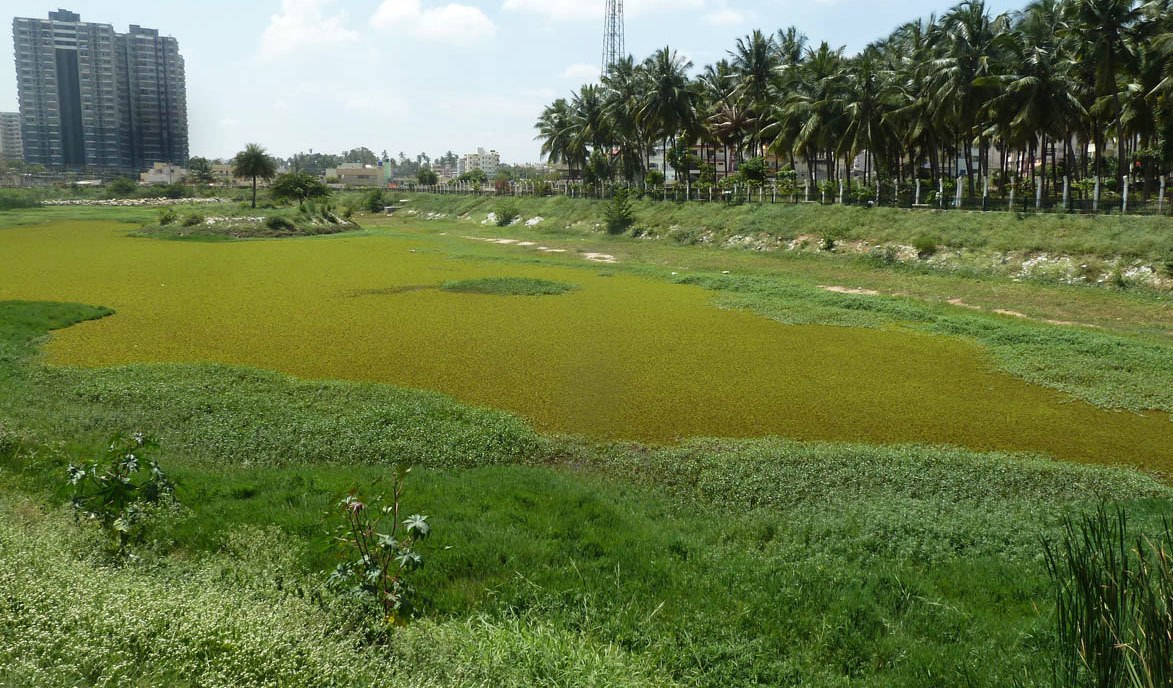
Fertilizer, sewage, and animal feces can wash in to water, leading to... 
a)
thermal pollution
b)
artificial eutrophication
c)
desalination
d)
biomagnification
2.
Water pollution that comes from many sources is considered...
a)
point source pollution
b)
nonpoint source pollution
c)
thermal pollution
d)
ocean pollution
3.
Water pollution that comes from a single source is considered...
a)
point source pollution
b)
nonpoint source pollution
c)
thermal pollution
d)
ocean pollution
4.

What is the term to describe the wastewater that enters a wastewater treatment facility?

a)

effluent

b)

influent

c)

potable

d)

sedimentation

5.

What is the first step of preliminary wastewater treatment, which removes large items such as plastic wrappers and sticks?

a)

screening

b)

sedimentation

c)

aeration

d)

disinfection

6.

What is removed in primary phase wastewater treatment, as the wastewater is sent to a settling tank and left undisturbed?

a)

bacteria

b)

pathogens

c)

sludge

d)

grit

7.

What is added to to the wastewater to kill pathogens?

a)

grit

b)

bacteria

c)

sodium bisulfate

d)

chlorine

8.

Which shows steps in the correct order?

a)

screening, sludge sedimentation, bacteria sedimentation, aeration, grit removal, disinfection

b)

screening, disinfection, grit removal, bacteria sedimentation, aeration, sludge sedimentation

c)

screening, grit removal, sludge sedimentation, aeration, bacteria sedimentation, disinfection

d)

screening, grit removal, sludge sedimentation, bacteria sedimentation, disinfection, aeration

9.

What is the water called that is released into the environment?

a)

effluent

b)

influent

c)

wastewater

d)

potable

10.

In which part of the wastewater treatment process are bacteria introduced to the wastewater to feed on organic particles, such as food and feces? (Select 2 choices)

a)

sedimentation

b)

aeration

c)

disinfection

d)

primary treatment

e)

secondary treatment

11.
What is the role of bacteria in the water purification process?
a)
digested organic matter
b)
add chlorine
c)
nothing, we don't want them in there
d)
add nutrients to the sludge
12.
What gas must be maintained at precise levels in the aeration tank?
a)
CO2
b)
O2
c)
H2
d)
CO
13.
______________________ is when bodies of water contain an abundance of nutrients caused by humans.
a)
potable
b)
thermal pollution
c)
artificial eutrophication
d)
porosity
14.
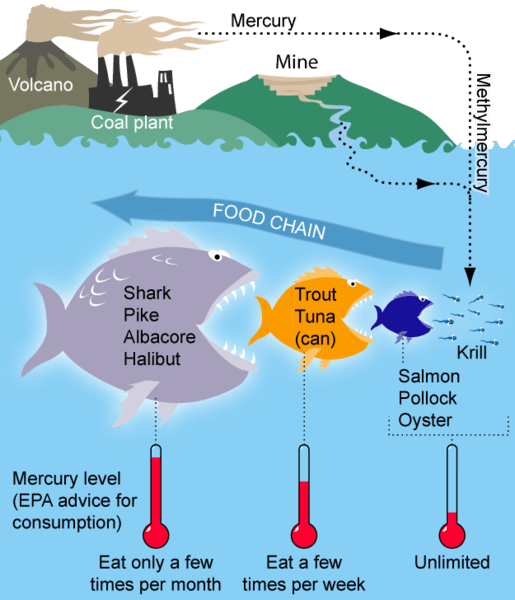
______________________ is the buildup of pollutants at higher levels of the food chain.
a)
porosity
b)
water pollution
c)
wastewater
d)
biomagnification
15.
______________________ is the ability of rock or soil to allow water to flow through it.
a)
porosity
b)
permeability
c)
pathogen
d)
aquifer
16.

______________________ is when there is an increase in the overall temperature of a body of water and most commonly results from power plants using water for cooling purposes.

a)

artificial eutrophication

b)

biomagnification

c)

wastewater

d)

thermal pollution

17.
Mine site drainage can often cause this:
a)
Cultural eutrophication
b)
Acidic runoff
c)
Land subsidence
d)
Saltwater intrusion
18.
Which of the following is a non-point source of water pollution
a)
Effluent from a sewage treatment plant
b)
BP refiner in Indiana discharging ammonia in a river.
c)
Runoff of pesticides from regional farms into the Illinois River.
d)
Hot water discharges from a nuclear power plant.
19.
What is the danger in eating some fish from lakes or ocean?
a)
They may be invasive species.
b)
If abundant, they may lead to a crash in other species.
c)
If they are high on the food chain they may contain high levels of mercury or POP's like PCB's
d)
They may contain too many nutrients from fertilizers.
20.
Which of the following is a persistent inorganic pollutant that can impair neurological functioning?
a)
Lead 
b)
DDT
c)
PCB's
d)
Atrazine
21.
What is it called when a persistent pollutant (like mercury or PCBs) builds up in the tissues of an organism as they continue to eat something that contains the pollutant
a)
Subsidence
b)
Biomagnification
c)
Tragedy of the commons
d)
Bioaccumulation
22.
Which of the following is not usually associated with eutrophication?
a)
algal blooms
b)
reduced photosynthesis in the water column
c)
increased heavy metal concentrations
d)
reduced dissolved oxygen  
23.
In a river ecosystem, dissolved oxygen concentrations drop quickly downstream from a point-source input of organic matter into the river due to
a)
increasing populations of mayfly and stonefly larvae
b)
increasing bacterial activity as organic matter decays
c)
decreasing bacterial activity as turbidity increases
d)
decreasing water temperature
24.
Dust, ash and pollen are examples of this air pollutant
a)
Lead
b)
Ground-level ozone
c)
Particulate matter
d)
Nitrogen oxides
25.
Any compound containing carbon that participates in photochemical reactions in the atmosphere.
a)
Photochemical Oxidants
b)
Sulfur Trioxide
c)
Carbon Dioxide
d)
Volatile Organic Compound
26.
Effect of sulfur dioxide and nitrogen oxides
a)
Deprives body of oxygen
b)
Irritates the eyes
c)
Causes global warming
d)
Causes acid rain
27.
A colorless, odorless gas that decreases the blood's ability to carry oxygen.  Can cause faintness, death.
a)
Nitrogen oxides
b)
Ground-level ozone
c)
Carbon monoxide
d)
Sulfur dioxide
28.
Acid measures this on the pH scale.
a)
exactly 7
b)
anything below 7
c)
anything above 7
d)
anything from 1 to 14
29.
What is the main environmental concern with sanitary landfills?
a)
leachate contamination of groundwater
b)
generation of CO gas
c)
attracting disease-carrying organisms
d)
slow and incomplete degradation
30.
Which list is made up of toxic metal pollutants?
a)
PCB, BPA, mercury, & potassium
b)
cadmium. chromium, lead, & mercury
c)
sodium, cadmium, lead, potassium, & BPA
d)
argon, neon, chromium, & mercury
31.
Which federal law deals w/cleanup of abandoned hazardous waste sites?
a)
RCRA
b)
CERCLA (Superfund)
c)
NIMBY
d)
Safe Drinking Water Act
32.
What helps protect against leachate getting into groundwater in sanitary landfills?
a)
pipes to extract methane gas
b)
plastic or clay liner
c)
a layer of gravel between the MSW and soil
d)
the soil cap that covers the landfill after it reaches capacity
33.
Which current approach could help greatly reduce the volume and mass of current MSW in the United States?
a)
incineration
b)
recycling
c)
composting
d)
municipal sewage treatment
34.
In landfills, __________ must be transported to a wastewater treatment facility while __________ must be extracted to be burned off or used as fuel.
a)
methane, leachate
b)
leachate, methane
c)
leachate, heavy metals
d)
asbestos, radon
35.
Which of the following is not a way to deal with waste?
a)
Landfill
b)
Incineration
c)
Deep Well Injection
d)
Dumping
36.
 the increase in chemical concentration in animal tissues as the chemical moves up the food chain.
a)
bio accumulation 
b)
bio-diesel 
c)
allergens
d)
biomagnification
37.
a natural depression or a human-made excavation that serves as a disposal facility that holds an accumulation of wastes
a)
surface impoundment
b)
deep-well injection
c)
hazardous waste
d)
compost
38.
Surface impoundment is a method for
a)
packing a landfill down
b)
disposing of hazardous waste by bringing it to the surface
c)
disposing of hazardous waste by allowing it to settle out and evaporate  in a pond
d)
recovering raw material from manufactured goods
39.

from fertilizers, animal waste, burning fossil fuels, part of smog

a)

Carbon oxides

b)

Nitrogen oxides

c)

Sulfur Dioxides

d)

VOCs

40.

most often cited as the causative factor for acid deposition

a)

Carbon oxides

b)

Nitrogen oxides

c)

Sulfur Dioxides

d)

VOCs

41.

What factors could lead to smog formation? choose all that apply

a)

ample sunshine

b)

sea-level elevation

c)

high concentration of automobiles

d)

smokers

42.

Smoke stacks could emit which of the following pollutants? Select all that apply

a)

particulates

b)

ozone

c)

carbon oxides

d)

sulfur dioxide

43.

which of the following could be used to reduce SO2 emissions from coal-burning power plants?

a)

catalytic converters

b)

electrostatic precipitators

c)

wet-scrubbers

d)

exhaust-stream aeration

44.

A major source of radon in homes is

a)

furniture

b)

electronics

c)

construction material

d)

underlying bedrock