
 Worksheets
Ch. 23 Lesson 1-4 Industrial Revolution Quizizz
Total questions: 63
Worksheet time: 33mins
What product was first made using machines in factories?
steel
textiles
locomotives
flying shuttles
What are identical components that can be used in place of each other?
interchangeable parts
factories
intersecting lines
assembly Lines
Which of the following was NOT associated with early factory working conditions?
Low wages.
Safe working conditions.
Dangerous working conditions.
Widespread pollution.
What do we call a place where people and machines join together to mass produce goods?
cartel
corporation
factory
urbanization
Before the Industrial Revolution all products were created by
factories.
cottage industry.
slaves.
royalty.
What is the movement from rural to urban areas called?
moving
colonization
inflation
urbanization
Why did people move to the cities during the Industrial Revolution?
To get jobs in factories.
To get jobs on farms.
To join their families.
To be with their friends.
What machine allowed factories to be built anywhere, powered by coal?
flying shuttle
steam engine
spinning jenny
cotton gin
Which statement is true?
Children were not allowed to work in the mines during the Industrial Revolution.
Work conditions were closely regulated.
There were no labor laws that prevented children from working.
Children were allowed to work but they were treated fairly.
Which two natural resources were the backbone of the Industrial Revolution?
wood and peat
oil and natural gas
coal and iron
cotton and tobacco
Which of the following would NOT be associated with mass production?
interchangeable parts
division of labor
unique, hand made goods
assembly line
The Industrial Revolution happened during the _____ and the ____.
1700s, 1800s
1800s, 1900s
1900s, 2000s
1500s, 1600s
The cottage industry system involved manufacturing
of steam engines.
of luxury goods.
in the home.
in small factories.
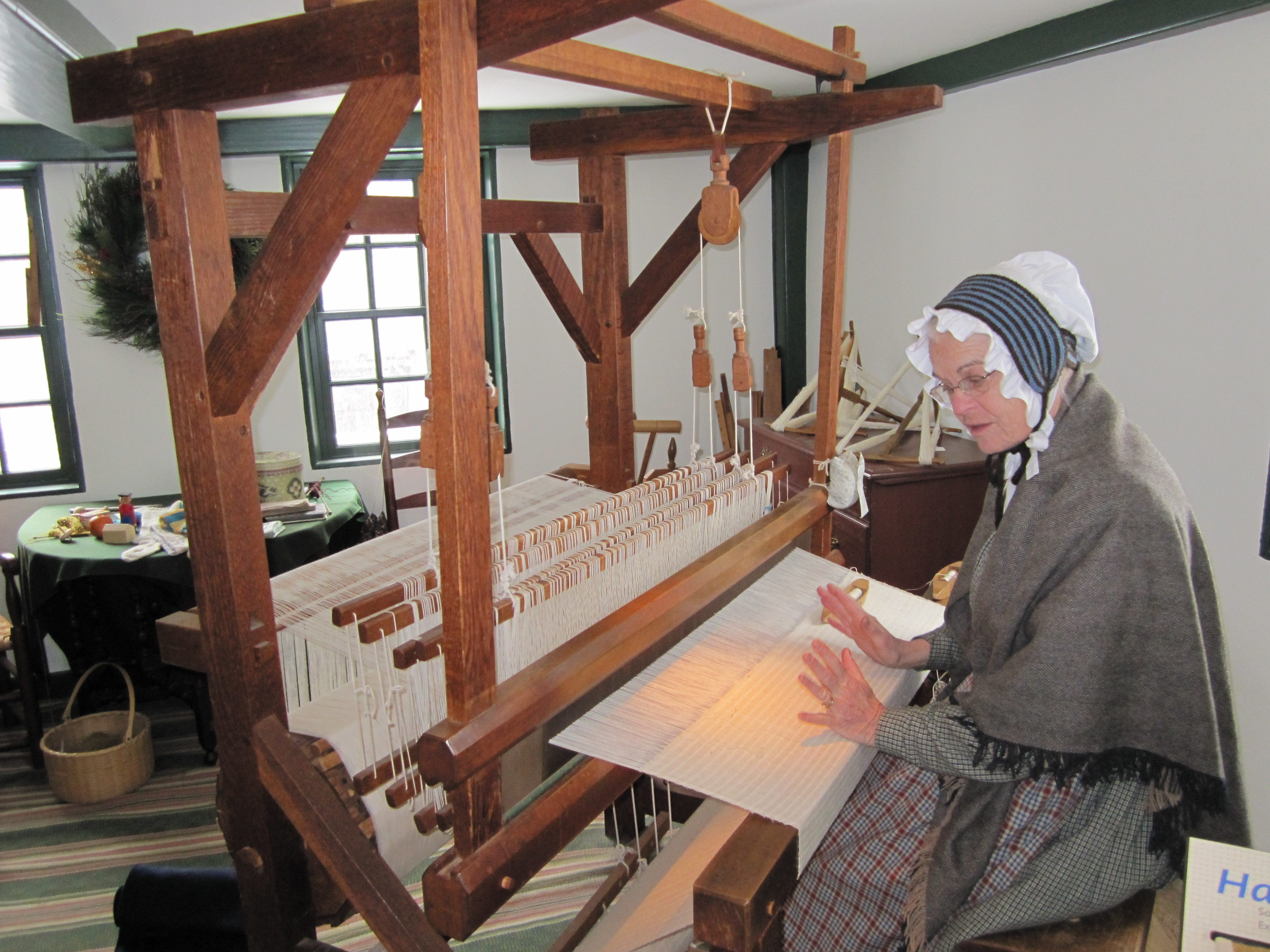
Any fabric that is woven (by machine or hand) is called
technology.
a textile.
an economic system.
industrialization.
What machine separated the seed from cotton fibers?
spinning mule
spinning jenny
steam engine
cotton gin
The Industrial Revolution was triggered by sweeping changes in what?
religion
education
agriculture
politics
How did the Industrial Revolution affect the cities?
It made the crime rate decrease.
It led to an increase in farm workers.
It made the cities cleaner and safer.
It led to an increase in population in the cities.
What was the purpose of labor unions?
So workers could negotiate as a group for bigger factories.
So workers could negotiate as a group for better working conditions, wages, and benefits.
So workers could negotiate as a group for a political revolution.
So workers could negotiate as a group for better places to live.
What is it called when workers in a union refuse to work until conditions improve?
urbanization
labor union
factory system
strike
One effect of the cotton gin was that ____.
farmers could plant more cotton in limited space
the need for enslaved labor decreased
the seeds of the cotton plant still stuck to the fibers
workers could process more cotton in a shorter time

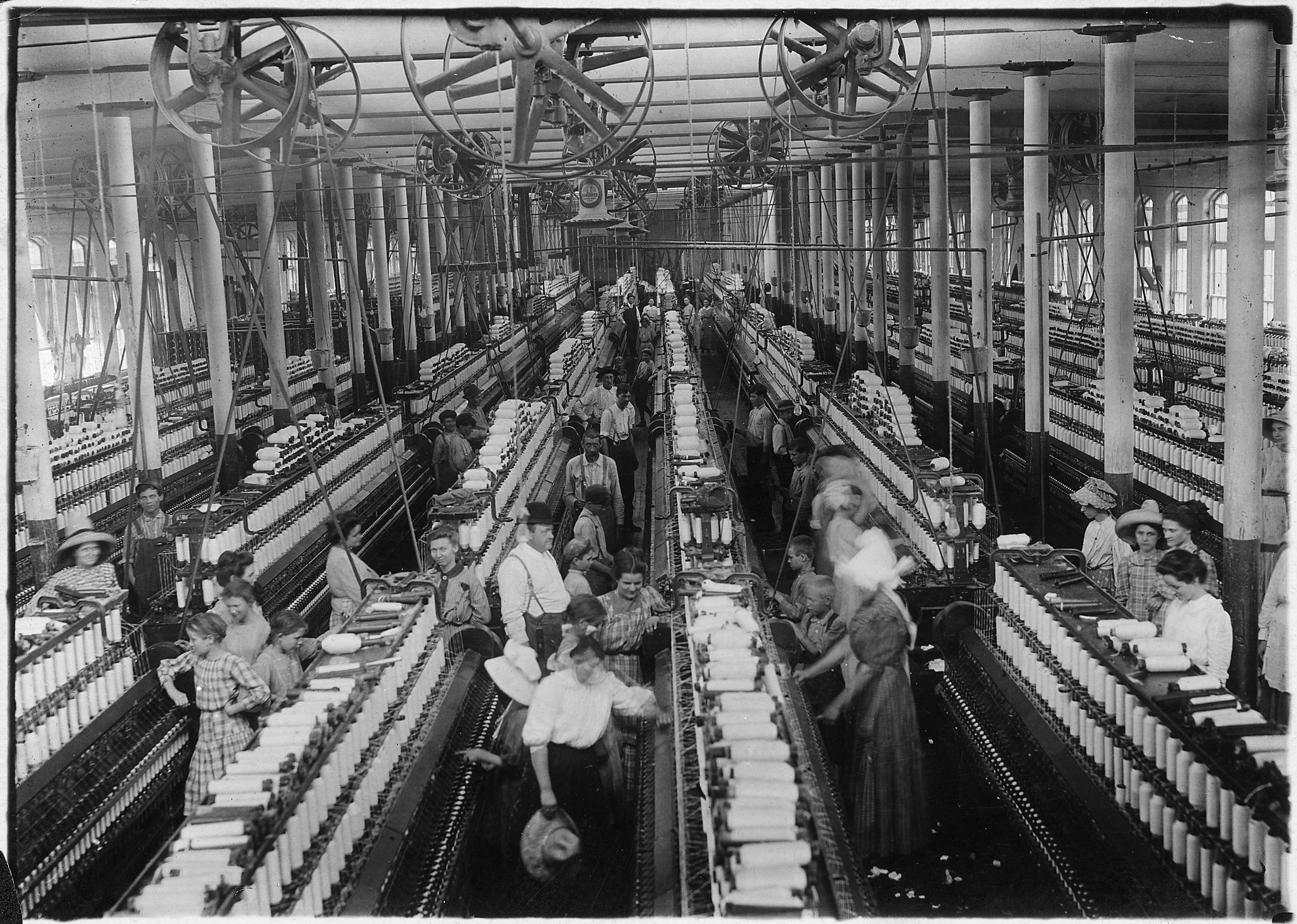
Where were most factories built before the steam engine was invented?
in the mountains
in the desert
along rivers
by major highways
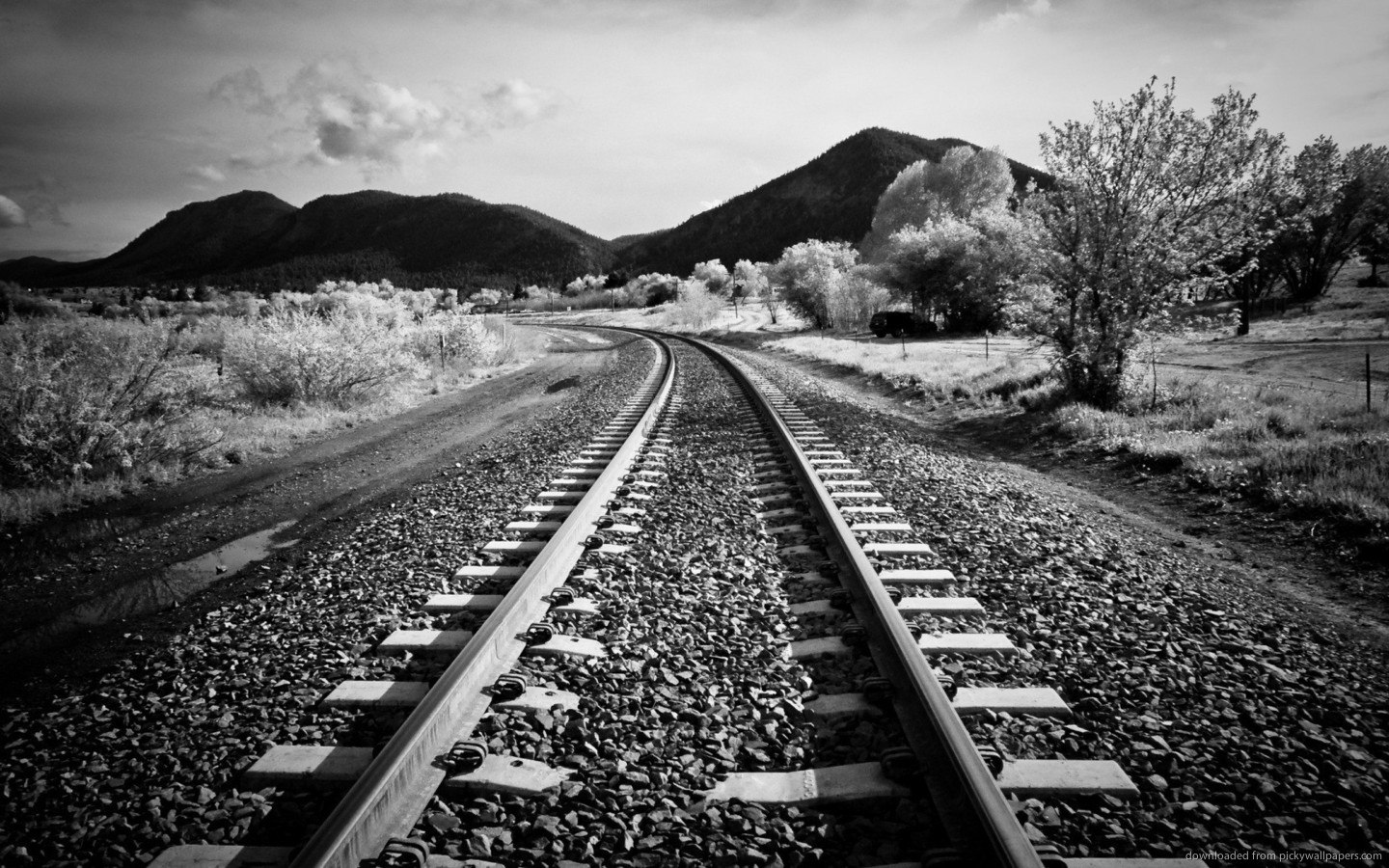
Why were railroads so important during this time?
They moved goods more quickly and less expensively over greater distances.
They were fun to ride on to go visit family in other states.
People could ride on railroads to get to their jobs in another city.
They were better for animals to ride on.


What were living conditions in the city like during the Industrial Revolution?
They were very extravagant.
There were strict housing regulations.
They were spacious and luxurious.
They were crowded and unsanitary.

Louis Pasteur discovered a link between diseases and ____.
poisoned water
religion
bacteria
ice cream

Marie Curie won two Nobel Peace prizes for her work in ______ ______.
wind mills
fruit flies
map projections
radioactive elements
What refers to new ideas about how to do something more efficiently as well as the equipment needed to do it?
technology
biology
astrology
zoology
The _________ was invented by Samuel Morse in order to help the railroads communicate.
telegraph
telephone
telescope
television
What was a significant change that happened during the Industrial Revolution.
Farmers began selling large amounts of crops.
Government began taxing workers on their wages.
People began working in factories and mills.
Workers began producing electric appliances.
Private property is one major part of a(n) _____ system?
free enterprise
democratic
factory
insurance
Before the Industrial Revolution, most people worked
as government employees.
as farmers.
in cities.
in factories.
Which geographic feature was most important for the growth of cities?
mountains
canals
farmland
rivers
Which of the following is a true statement about the free enterprise system?
People vote for their leaders.
Businesses and people own their property, without government intervention.
There is a high level of government control.
There are low levels of competition and risk.
Which of the following led to an increase in trade?
canals
airports
gasoline powered boats
highway system
Which invention revolutionized communication?
railroads
canals
telegraph
steamboat
What was an effect of the railroads?
It opened new markets for goods.
It helped lowered tariffs.
It increased prices.
It led to rapid unemployment.
What type of road is not government built and users are charged a fee for using it?
toll
utopian
troll
dynamo
What is the term used to describe a perfect society where everyone lives in harmony?
Socialism
Communism
Impressionism
Utopia
What do we call an extreme form of socialism that views class struggle between employees and employers as unavoidable.
Impressionism
Utilitarianism
Racism
Communism
What is the term used to describe when a business is owned by many people who buy shares of stock.
factory
corporation
utopia
proletariat
What do we call the process of taking over and fencing off land formally owned by peasant farmers.
communism
enclosure movement
utilitarianism
laissez-faire
The Industrial Revolution created a new ____________ class.
upper
poor
lower
middle
What is the idea that society should strive for the greatest happiness for the greatest number of citizens?
utopia
utilitarianism
socialism
capitalism
According to Karl Marx, what was the name for the working class during the Industrial Revolution?
darwinism
proletariat
communist
bourgeoisie
What do we call the process of moving from an agricultural society, in which most goods are handmade, to a society that thrives on machine-manufactured goods?
textile
economy
industrialization
technology
The way that a society or nation produces and distributes goods and services is called
its textile industry.
its economy.
its technology.
its industrialization.

