
 Worksheets
Enlightenment in Europe
Total questions: 63
Worksheet time: 40mins
The intellectual movement that stressed reason and thought and the power of individuals to improve government was called:
the Renaissance
the Enlightenment
the Reformation
the Industrial Revolution

Who wrote in his book, Leviathan, that the people needed a strong, powerful ruler?
John Locke
Denis Diderot
Thomas Hobbes
Voltaire
Thomas Hobbes believed that the best form of government was:
Constitutional monarchy
democracy
dictatorship
absolute monarchy
John Locke's view of human nature was largely:
negative
skeptical
positive
indifferent
Locke believed that all people were born with 3 "Natural Rights" from God that no one could take away. These rights consisted of all of the following except:
Life
Pursuit of Happiness
Liberty
Property
What did Locke believe was the main job of the government?
To protect people's rights
To serve the king loyally
To serve the Church without complaint
To provide a large army to protect the people from attack
Which of the following was NOT an Enlightenment philosopher?
Mary Wollstonecraft
Montesquieu
Jean-Jacques Rousseau
James Watt

Who developed the concept shown in the picture?
Montesquieu
Beccaria
Locke
Hobbes
What is the purpose of the concept shown in the picture?
to give the king more help
to help the Church raise more money
to keep the government from becoming too powerful
to guarantee equality to all citizens
According to Rousseau, who should have the power in the government?
the people
the president
the king
the judicial branch
Rousseau believed the people create a unwritten agreement with the government. The people agree to obey the government if the government agrees to protects the people's rights. Rousseau called this agreement:
the Constitution
the Declaration of Rights
the Social Contract
the Encyclopedia
Rousseau's revolutionary ideas sparked a revolution in ____________ in 1789.
Switzerland
France
Britain
the U.S.
Mary Wollstonecraft fought for __________________________ during the Enlightenment.
Prisoner rights
Rights of the disabled
Animal rights
Women's rights
Wollstonecraft believed that the path for women to gain equal rights was only through:
education
religion
work
travel
Which of the following was NOT a legacy (an important effect) of the Enlightenment?
A growing belief in progress
A more secular worldview
Increased importance of the individual
The end of slavery worldwide
When was the Enlightenment?
1400s
1500s
1700s
1900s
Where did the Enlightenment mostly take place?
Europe
Africa
Asia
South America
This is the highest legislative body in many countries.
Parliament
Executive Branch
First Estate
Third Estate


Enlightenment in Europe stressed on...
empowering the monarchs
reason and power of solving problems
building cordial relations between people of different religions
following the Greek and Roman texts

Thomas Hobbes-the great political thinker, says that humans cannot be trusted to keep order and are naturally ................................. and ...............................
empathetic and kind
careless and clumsy
selfish and wicked
Hobbes thought the ruler or the government must be given total power. What did he compare the best government to?
Leviathan- the sea monster
Hydra- the monster snake
Cyclopes- the one eyed giant
Saphira- the dragon
John Locke criticized the idea of self-government and favored absolute monarchy. (True or False)
True
False
Partially true
"I do not agree with a word you say but I will defend to the death your right to say it", whose famous quote is this?
John Locke
Rousseau
Voltaire
Washington
Rousseau emphasized on individual freedom and explained his political philosophy in his book called ............................................
A Champion of Freedom
The Good Government
The Social Contract
A Tryst with Freedom
Montesquieu's idea of ........................................... was used to keep an individual or a group from gaining total control of the government and keep a check on the power equation.
Declaration of Powers
Separation of Powers
3 natural rights
What were Baccaria's views on punishments?
We must promote torture as a punishment on every petty criminal
Criminals should receive a speedy trial and torture must never be used
Degree of punishment should be based on who has committed the crime (social and economic status)
Who was the women author who criticized Rousseau and emphasized that women's education should not be secondary to men?
Mary Wollstonecraft
Mary Astell
Christina Castelot
According to which right were the aristocrats/monarchs entitled to rule the people?
Right of superior intellect
Moral right
Divine right
What are the natural rights with which people are born according to Locke?
Right to rebel, right to fight injustice and right to power
Right to live peacefully, right to economic stability and right to fraternity
Right to life, right to liberty and right to property
Who believed that if the government was failing the people, the people had a right to overthrow it?
Beccaria
Locke
Hobbes
Voltaire
According to Voltaire what must be separated from what for an empire or country to run properly?
Executive powers from monarchy
Church from the government
Judiciary powers from the Church
Religion from Superstition
What happened because of Baccaria's theory about punishment ?
Many governments legalized capital punishment
Many governments started cruel punishment for petty crimes
Many governments started cruel punishment for harsh crimes
Many governments outlawed torture or reduced it
What was another name for the Enlightenment?
The Age of Exploration
The Age of Reason
The Middle Ages
The Renaissance
Before the Enlightenment, what was the main form of government in Europe?
Democracy
Autonomy
Oligarchy
Monarchy/Absolute Rule
Many rulers came to power believing that their right to lead came from God. This is an example of:
Supreme Law
Public Opinion
Divine Right
Poor Judgment
Enlightened Thinkers (philosophes) based their beliefs on what two things?
Power and privilege
Military strength and fame
Divine Right and church doctrine
Reason and logic


French Enlightenment philosopher who strongly believed in freedom of speech and religion
Voltaire
Denis Diderot
Mary Wollstonecraft
John Locke

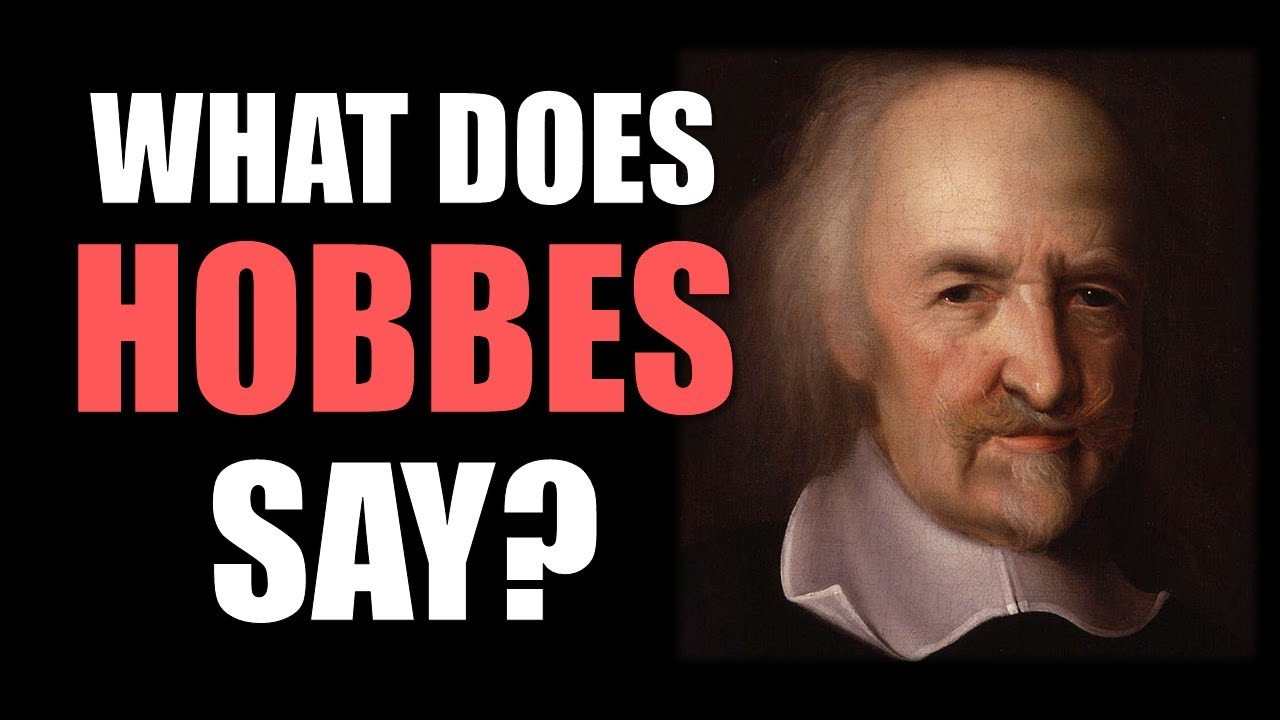
How did Hobbes view human nature?
We are inquisitive and industrious.
We are naturally selfish and quick to fight.
We are naturally ignorant
We are naturally kind and helpful to others
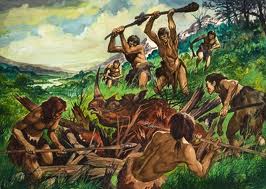


Which Philosopher felt that people were basically born good, would follow a ruler but if he was bad they could get rid of him?
Thomas Hobbes
Montesquieu
Voltaire
John Locke

