Worksheets
1920s & 1930s America
Total questions: 42
Worksheet time: 38mins
After the Russian Revolution, 1920s America experienced a _____ scare, or fear of Communism.
Blue
Teal
Orange
Red
Although many just wanted basic safety, reasonable hours, and a minimum wage, striking workers were often accused of being ________
Republicans
Traitors
Anarchists
Immigrants
True/False: Workers in the 1920s and 1930s continued the tactics of strikes like workers during the Progressive Era.
True
False
What is true about both the Sacco and Vanzetti AND Scopes Monkey trials?
They showed the swift and effective use of our justice system.
The demonstrated a turn towards fundamentalism and push against the quickly changing society in the 1920s.
They showed how immigrants were welcomed into 1920s society.
They showed the pushback against new scientific technologies.
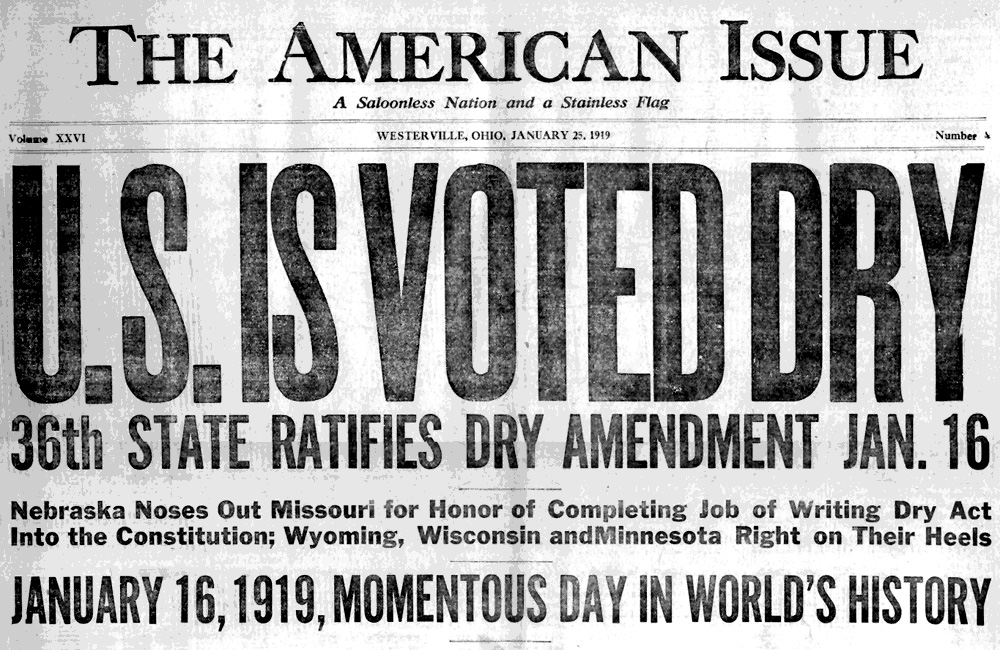
The Volstead Act enforced the _____ Amendment, prohibiting the sale, distribution, and consumption of alcohol.
15th
16th
17th
18th
The Immigration Act of 1924 used this to limit immigrants coming from Eastern Europe (those perceived as Communists and anarchists).
Quotas
Treaties
Laws
Mergers
Which of the following is NOT true about the economy after WWI?
4 million soldiers returned to the workforce.
Many women left wartime jobs to return to the home.
Farming was booming.
There was a high cost of living.
Which of the following is NOT a Republican President of the 1920s?
Calvin Coolidge
FDR
Warren G. Harding
Herbert Hoover
The "hands-off" economic policies of the Republican Presidents that allowed businesses to grow at the expense of workers with little government interference were described as ____.
Mergers
Pro-Union
Laissez-Faire
Consumerism
Henry Ford was able to apply which two (choose two answers) of the following tactics for efficient manufacturing of the automobile.
Assembly Line
Rugged Individualism
Scientific Management
Laissez-Faire
Mergers
Which of the following is an example of an ancillary industry that was created as a result of the success of the automobile?
Radio
Electric Stove
Gas stations
General Motors
Organizations like the NAACP and the UNIA were created to do all of the following EXCEPT
Fight discrimination
Foster African American economic independence
Encourage Jim Crow Laws
Fight lynching and housing discrimination
Choose all that are correct: The Great Migration
Was an internal (domestic) migration within the US
Was a result of strict Jim Crow laws
Started after WWI and lasted through the 1960s
Included African Americans moving North and West, but also back and forth between the South and the North
Contributed to the growth of black populations in cities like the Harlem Renaissance
The Harlem Renaissance was a gathering of African American
Politicians
Families
Soldiers
Artists
Pittsburgh's Black Renaissance happened in the Hill District and got the nickname
Little Harlem
Hill Renaissance
Smoketown
Pittsburgh Courier
Which 1920s addition to family homes helped create a standardized middle class through advertisement and shared entertainment.
Nickelodeons
Radio
Electric Appliances
The Automobile
True/False: The Great Depression was part of a larger, global depression.
True
False
FDR's "Alphabet Soup" programs (like the CCC or WPA) with the goal of relief, reform, and recovery were part of his __________________.
Square Deal
Fair Deal
Depression Deal
New Deal
The Works Progress Administration, which employed millions of Americans building infrastructure like bridges and post offices is an example of _______.
Relief
Reform
Recovery
The Social Security Adminstration which started pensions for retired workers (to ensure the elderly did not live in poverty) and still exists today is an example of _________.
Relief
Reform
Recovery
The Agricultural Adjustment Act (AAA) paid farmers subsidies to reduce crop growth in certain areas to reduce surpluses while stimulating prices is an example of ___________.
Relief
Reform
Recovery
President Roosevelt used _______ to address the nation in his fireside chats, assuring them that recovery was happening.
Movies
Radio
Television
Telegraphs
Severe dust storms in the Great Plains that destroyed crops and homes became known as the
Tornado Alley
Dust Bowl
Oakies
Dustnado
Hoovervilles were ____________.
Shanty towns that popped up during the Depression-- named ironically after the President during the Crash.
Housing created by President Hoover to aide in recovery after the Depression.
Towns named after President Hoover in honor of his service to the nation.
Government agencies committed to finding housing during the Great Depression.
Which of the following did NOT contribute to the Stock Market Crash in 1929?
Buying on margin
Overproduction of consumable goods
Volstead Act
Laissez-Faire Government Policies