
 Worksheets
Gateway Bio Review
Total questions: 183
Worksheet time: 3hrs 36mins
Name
Class
Date
1.

Fruit fly body cells have 8 chromosomes. After mitosis, you would expect a resulting fruit fly daughter cell to have ...
a)
16 chromosomes.
b)
46 chromosomes.
c)
8 chromosomes.
d)
4 chromosomes.
2.

Structure (a) is a ____.
a)
chromosome
b)
chromatid
c)
centromere
3.

Structure (b) is a ____.
a)
chromosome
b)
chromatid
c)
centromere
4.

Structure (c) is a ____.
a)
chromosome
b)
chromatid
c)
centromere
5.

Name the phase:
a)
Anaphase
b)
Telophase
c)
Metaphase
d)
Prophase
6.

What is the next phase of mitosis?
a)
Prophase
b)
Metaphase
c)
Anaphase
d)
Telophase
7.

What is the next phase of mitosis?
a)
Prophase
b)
Metaphase
c)
Anaphase
d)
Telophase
8.

What is the next phase of mitosis?
a)
Prophase
b)
Metaphase
c)
Anaphase
d)
Telophase
9.

Name the previous phase.
a)
Prophase
b)
Metaphase
c)
Anaphase
d)
Telophase
10.

Name the previous phase.
a)
Prophase
b)
Metaphase
c)
Anaphase
d)
Telophase
11.

The stages of mitosis in order
a)
Metaphase, Anaphase, Prophase, Telophase
b)
Prophase, Anaphase, Metaphase, Telophase
c)
Prophase, Metaphase, Anaphase, Telophase
d)
Anaphase, Prophase, Telophase, Metaphase
12.

What is the name of the structure labeled X?
a)
Centriole
b)
Centrosome
c)
Chromatid
d)
Chromosome
13.
The cells produced via meiosis are called:
a)
sex cells
b)
somatic cells
c)
body cells
d)
skin cells
14.
This produces 2 identical cells.
a)
mitosis
b)
meiosis
15.

Meiosis makes sperm and egg cells. In humans, sperm and egg cells each have _____ chromosomes. Therefore a fertilized human egg cell (sperm and egg cell combined) would create a cell with _____ chromosomes.
a)
23, 46
b)
46, 23
c)
2, 4
d)
50, 100
16.
What causes genetic variation in meiosis?
a)
chromosomes lining up
b)
crossing over of chromosomes
c)
separation of chromosomes
d)
chromosomes pulling apart
17.

Which process and type of resulting cells are represented?
a)
mitosis, gametes
b)
mitosis, body cells
c)
meiosis, gametes
d)
meiosis, body cells
18.
Which of these cells would be produced through meiosis?
a)
skin cells
b)
liver cells
c)
brain cells
d)
sperm cells
19.
The chromosomes that pair up during meiosis, are called __________ chromosomes.
a)
homozygous
b)
asexual
c)
homologous
d)
genes
20.
Which sequence of DNA bases would pair with this partial strand
ATG TGA CAG
ATG TGA CAG
a)
ATG TGA CAG
b)
TAC ACT GTC
c)
GTA AGT GAC
d)
CAT TCA CTG
21.
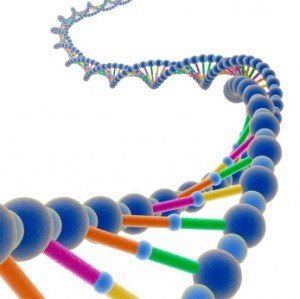
Which of the following best describes a DNA molecule?
a)
double helix
b)
contains ribose
c)
made of amino acids
d)
contains Uracil
22.
Which of the following units are repeatedly joined together to form a strand of DNA?
a)
amino acids
b)
nucleotides
c)
fatty acids
d)
polysaccharides
23.
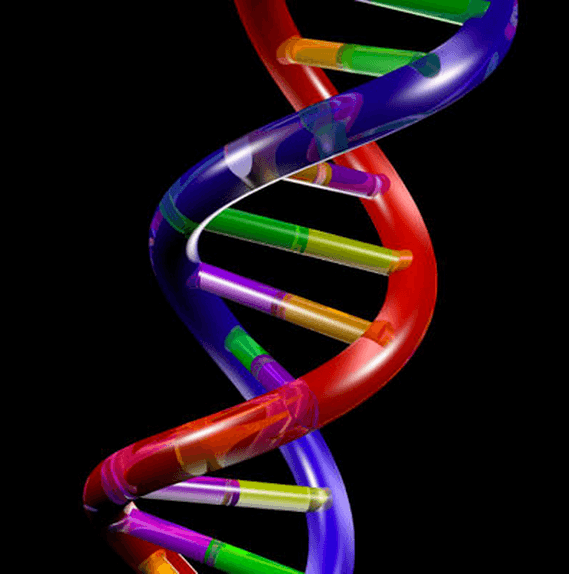
What determines the code, or information, of a DNA molecule?
a)
the shape (structure) of the nitrogen bases
b)
the order (sequence) of the nitrogen bases
c)
the color of the nitrogen bases
d)
the frequency (number) of nitrogen bases
24.
Which organelle is DNA usually found in?
a)
cell membrane
b)
vacuole
c)
chloroplast
d)
nucleus
25.
The enzyme that unzips the DNA to prepare for replication
a)
helicase
b)
replicase
c)
polymerase
d)
synthase
26.
DNA replication results in two DNA molecules,
a)
each one with two original strands
b)
each one with two new strands
c)
each one with one new strand and one original strand
d)
one with two new strands and the other with two original strands
27.

order of replication
a)
3, 2, 1, 4
b)
2, 1, 4, 3
c)
2, 3, 1, 4
d)
3, 4, 1, 2
28.
What are the three components of a nucleotide?
a)
sugar, hydrogen, nitrogen base
b)
sugar, oxygen, nitrogen base
c)
sugar, phosphate, nitrogen base
d)
sugar, phosphate, protein
29.
All living things do which of the following?
a)
Chemosynthesis
b)
Respiration
c)
photosynthesis
d)
all of the answers
30.
What is one of the reactants of cellular respiration?
a)
energy
b)
glucose
c)
carbon dioxide
d)
water
31.
______________ produces the most ATP.
a)
photosnthesis
b)
aerobic respiration
c)
anaerobic respiration
d)
glycolysis
32.
What are the products of aerobic respiration?
a)
Glucose and oxygen
b)
Carbon dioxide and water
c)
Lactic acid
d)
Carbon monoxide
33.
What type of respiration requires oxygen?
a)
Aerobic
b)
Anaerobic
34.
The mitochondria is responsible for ...
a)
photosynthesis
b)
anaerobic respiration
c)
aerobic respiration
d)
fermentation
35.
In which way are photosynthesis and cellular respiration different?
a)
Cellular respiration stores ATP, while photosynthesis releases ATP.
b)
Cellular respiration produces oxygen, while photosynthesis uses oxygen.
c)
Photosynthesis releases energy, while cellular respiration stores energy.
d)
Photosynthesis used carbon dioxide, while cellular respiration produces carbon dioxide.
36.
What is the correct equation for cellular respiration?
a)
6O2 + C6H12O6 -> 6CO2 + 6H2O + Energy
b)
6O2 + C6H12O6 + Energy -> 6CO2 + 6H2O
c)
6CO2 + 6H2O -> 6O2 + C6H12O6 + Energy
d)
6CO2 + 6H2O + Energy -> 6O2 + C6H12O6
37.
Cellular Respiration's goal is to
a)
make water
b)
make ATP
c)
make glucose
d)
make oxygen
38.
What is cellular respiration?
a)
the breakdown of glucose to release ATP
b)
the breakdown of glucose to release NADH
c)
the breakdown of glucose to release FADH
d)
the breakdown of glucose to release carbon
39.
Where does anaerobic respiration occur?
a)
glucose molecule
b)
mitochondria
c)
cytoplasm
40.
Plants need ________ for photosynthesis
a)
oxygen
b)
soil
c)
carbon dioxide
d)
sugar
41.
What are the products of photosynthesis?
a)
water and carbon dioxide
b)
oxygen and glucose
c)
oxygen and carbon dioxide
d)
oxygen and water
42.
What molecule absorbs sunlight for photosynthesis?
a)
chloroplast
b)
thylakoid
c)
grana
d)
chlorophyll
43.
What are the products of photosynthesis?
a)
Carbon dioxide and water
b)
Carbon dioxide and oxygen
c)
Glucose and oxygen
d)
Glucose and water
44.
Which statement about photosynthesis is correct?
a)
Plants get the energy they need for photosynthesis from water.
b)
Plants get the energy they need for photosynthesis from soil.
c)
Plants get the energy they need for photosynthesis from sunlight.
d)
Plants do not require energy to perform photosynthesis.
45.
The raw materials or reactants of photosynthesis are
a)
sugar and water.
b)
sugar and oxygen.
c)
carbon dioxide and water.
d)
carbon dioxide and oxygen.
46.
The main source of energy for all life comes from ____.
a)
the Earth
b)
the moon
c)
the sun
d)
the food we eat/make
47.
Where does photosynthesis occur?
a)
mitochondria
b)
stomata
c)
xylem
d)
chloroplast
48.
Which of the following is the correct equation for PHOTOSYNTHESIS?
a)
6CO2 + 6H2O --> 6O2 + C6H12O6
b)
6CO2 + C6H12O6 + 6H2O --> O2
c)
6O2 + 6H2O --> 6CO2 + C6H12O6
d)
C6H12O6 + 6O2 ---> 6H2O + 6CO2
49.
Which of the following best describes photosynthesis?
a)
Photosynthesis converts radiant energy into chemical energy.
b)
Photosynthesis produces carbohydrates.
c)
Plants need sunlight, carbon dioxide, water, nutrients, and chlorophyll to complete photosynthesis.
d)
Plants use chlorophyll, water, and carbon dioxide to make sugar.
50.
What chemical reaction has almost the same products and reactants as cellular respiration but reversed?
a)
Rusting
b)
Photosynthesis
c)
Combustion
d)
Symphonies
51.
Which of the following is the correct equation for CELLULAR RESPIRATION?
a)
Sugar + O2 --> CO2 + H2O + ATP
b)
ATP + O2 --> CO2 + H2O + sugar
c)
Sugar + CO2 --> O2 + H2O + ATP
d)
Sugar + H2O + O2 --> CO2 + O2 + ATP
52.
What process occurs when light energy is captured in autotrophs and converted into sugar?
a)
Photosynthesis
b)
Cellular Respiration
53.
What process occurs when sugar is converted into ENERGY (ATP)
a)
Photosynthesis
b)
Cellular Respiration
54.
What is the ultimate ORIGINAL source of energy for living things
a)
Sugar
b)
Sun
c)
Moon
d)
Carbon Dioxide
55.
Which organisms perform Photosynthesis?
a)
Only Autotrophs
b)
Only Heterotrophs
c)
Autotrophs and Heterotrophs
56.
Which organisms perform CELLULAR RESPIRATION?
a)
Only Autotrophs
b)
Only Heterotrophs
c)
Autotrophs and Heterotrophs
57.
Which of the following is an example of an AUTOTROPH?
a)
Appletree
b)
Dog
c)
Mushroom
d)
Human
58.
Which of the following is an example of a HETEROTROPH?
a)
Grass
b)
Algae
c)
Lemon Tree
d)
Bear
59.
What is the pigment in chloroplasts that performs photosynthesis?
a)
Chlorosynthesis
b)
Chlorophyll
c)
ADP
d)
Electron Transport
60.

Which organism do the owl and the weasel compete for in the food web?
a)
Hawk
b)
Spider
c)
Grasshopper
d)
Shrew
61.

Which of the following is a herbivore?
a)
cricket
b)
frog
c)
hawk
d)
shrew
62.

How many carnivores are shown in this food web?
a)
6
b)
4
c)
5
d)
3
63.
What might happen if you remove a primary consumer from the ecosystem?
a)
There would be more food for secondary consumers.
b)
The number of primary consumers would increase.
c)
The number of plants would increase.
d)
The number of secondary consumers would increase.
64.

Which of the following would be the most likely effect, if there were a sudden increase in the cricket population?
a)
There would be a decrease in the small bird population.
b)
There would be a decrease in the grass/flowers population.
c)
There would be a decrease in the mice population.
d)
There would be an increase in the grass/flowers population.
65.

Which of the following best describes the small bird in the food web above?
a)
primary and secondary consumer
b)
secondary and tertiary consumer
c)
primary consumer only
d)
secondary consumer only
66.
A frog eats a fly. The frog and fly are demonstrating ________.
a)
mutualism
b)
competition
c)
predator/prey
d)
parasitism
67.
A tapeworm inside a dog is
a)
competition
b)
predation
c)
commensalism
d)
parasitism
68.
A tick and a dog have this type of relationship.
a)
mutualism
b)
commensalism
c)
neutralism
d)
parasitism
69.
A symbiotic relationship that involves species having to fight for something they both need or want
a)
competition
b)
predation
c)
commensalism
d)
parasitism
70.

How many herbivores are in this web?
a)
1
b)
2
c)
3
d)
4
71.

How many primary consumers are there in this food web?
a)
1
b)
2
c)
3
d)
4
72.
A living or once-living organisms in an ecosystem is a
a)
population
b)
biotic factor
c)
abiotic factor
d)
community
73.
A nonliving element in an ecosystem is an
a)
animal
b)
abiotic factor
c)
biotic factor
d)
organism
74.
Which of the following is not an abiotic factor?
a)
sun
b)
temperature
c)
soil
d)
grass
75.
Which of the following is not a biotic factor?
a)
mushroom
b)
air
c)
elephant
d)
coyote
76.
Is a weather an abiotic or biotic factor?
a)
abiotic
b)
biotic
77.
Is sunlight an abiotic or biotic factor?
a)
abiotic
b)
biotic
78.
Limiting factors are sometimes helpful because they can keep the population from getting too large.
a)
True
b)
False
79.
Food, water, sunlight, shelter, and space are resources that are often __________.
a)
limiting factors
b)
wet
c)
messy
d)
found in rocks
80.

A system made up of organisms interacting with one another
a)
biology
b)
abiotic
c)
biotic
d)
ecosystem
81.

A group of the same type of organisms living in the same place at the same time.
a)
threatened species
b)
populations
c)
community
d)
limiting factor
82.

Deserts, mountains, and rivers are all examples of ________.
a)
vacation spots
b)
tundra
c)
ecosystems
d)
wetlands
83.
Which of the following is not a decomposer
a)
Fungi
b)
Worms
c)
Bacteria
d)
Hyena
84.
Autotrophs are also know as __________ because they make their own food.
a)
Consumer
b)
Herbivore
c)
Producer
d)
Omnivore
85.
The lion in this picture is a ________.
a)
Autotroph/Carnivore
b)
Autotroph/Herbivore
c)
Heterotroph/Carnivore
d)
Heterotroph/Producer
86.

If you ate everything on this plate, you would be a ________.
a)
Heterotroph/Omnivore
b)
Heterotroph/Carnivore
c)
Autotroph/Herbivore
d)
Producer/Consumer
87.

The total mass of all the organisms in a given area is called?
a)
Biomass
b)
Mass
c)
Organisms
d)
Life
88.
All the organisms on earth get their energy directly or indirectly from?
a)
Oxygen
b)
Water
c)
Nitrogen
d)
The Sun
89.
Which of these is not a Heterotroph/Consumer?
a)
Plant
b)
Decomposer
c)
Ominivore
d)
Herbivore
90.
The way energy is passed from one organism to another
a)
food chain
b)
energy
c)
extinct
d)
habitat
91.
What four things do every organism need for survival?
a)
food, water, dirt, and a hat
b)
protection, water, food, and air
c)
air, sun, dirt, and water
d)
light, electricity, and worms
92.

What is a producer?
a)
an organism that gets energy from eating other organisms
b)
an organisms that uses sunlight to make its own food
c)
an organism that gets energy from eating dead organisms, non-living material or waste
d)
an organism that uses chemical energy to make its own food
93.

What is a herbivore?
a)
an animal that gets energy from eating other animals
b)
an organism that gets energy from eating only plants
c)
an animal that gets energy by eating both plants and other animals
d)
an animal that eats only herbs
94.

An organism that gets energy from eating other organisms is a ______________
a)
producer
b)
consumer
c)
decomposer
d)
prey
95.

A connection of food chains with many food energy paths in an ecosystem is a ____________
a)
ecosystem
b)
food web
c)
environment
d)
population
96.

The shrew provides energy for the _______?
a)
cricket
b)
grasshopper
c)
frog
d)
snake
97.
The arrows in a food chain or web represents what?
a)
They point to the organism that is being eaten.
b)
It shows how sunlight flows within an ecosystem.
c)
They show what direction the energy is flowing between organisms.
d)
They represent how water is transferred within a habitat.
98.

What's the role of consumers in a food chain?
a)
Use sunlight to make food
b)
Eat other species and keep them from overpopulating
c)
Break down dead stuff
d)
Add nutrients to the soil
99.
The efficiency of energy transfer from a lower trophic level to the next highest level is roughly
a)
1%
b)
10%
c)
100%
d)
1000%
100.

Which animal is the apex predator?
a)
hawk
b)
lizard
c)
snake
d)
grass
101.
The unique position that a species has in the physical use of its habitat and in its function (job) within an ecosystem
a)
producer
b)
biotic factors
c)
ecosystem
d)
niche
102.

In the energy pyramid here, how much of the energy in each level gets lost as heat or used by the organism for survival?
a)
80%
b)
90%
c)
10%
d)
20%
103.
The arrows in a food chain or web represents what?
a)
They point to the organism that is being eaten.
b)
It shows how sunlight flows within an ecosystem.
c)
They show what direction the energy is flowing between organisms.
d)
They represent how water is transferred within a habitat.
104.
Biomass refers to
a)
Chemical Energy
b)
Light Energy
c)
Rank in the feeding heirarchy
d)
Amount of living tissue in an ecosystem
105.
Why do we sometimes use a food pyramid to illustrate feeding relationships?
a)
To change things up a bit
b)
Pyramids show you need a lot more producers than consumers
c)
To show you need more consumers than decomposers
d)
Pyramids are neat
106.
A wolf eats a rabbit, that just ate some berries. What would you call the rabbit?
a)
Producer
b)
Omnivore
c)
Primary Consumer
d)
2nd order Heterotrph
107.

Why are decomposers located to the side of the pyramid?
a)
They recycle dead material from all levels
b)
The eat living things from all levels
c)
They are not a living organisms
d)
They are too large to fit on the pyramid
108.

Cattle egrets forage (feed) in fields among cattle. The egret gets easy access to flying insects stirred up by the cattle, and the cattle don't care if they are there or not.
a)
mutualism
b)
commensalism
c)
competition
d)
parasitism
109.
A relationship between two organisms in which one organism benefits and the other is unharmed...
a)
Mutualism
b)
Competition
c)
Parasitsm
d)
Commensalism
110.

What type of symbiosis? Hummingbirds feed on nectar from flowers. The flowers are pollinated by hummingbirds as they move from flower to flower.
a)
commensalism
b)
mutualism
c)
parasitism
d)
predation
111.
Which symbols best describe parasitism?
a)
+,+
b)
+,-
c)
+,0
d)
-,0
112.
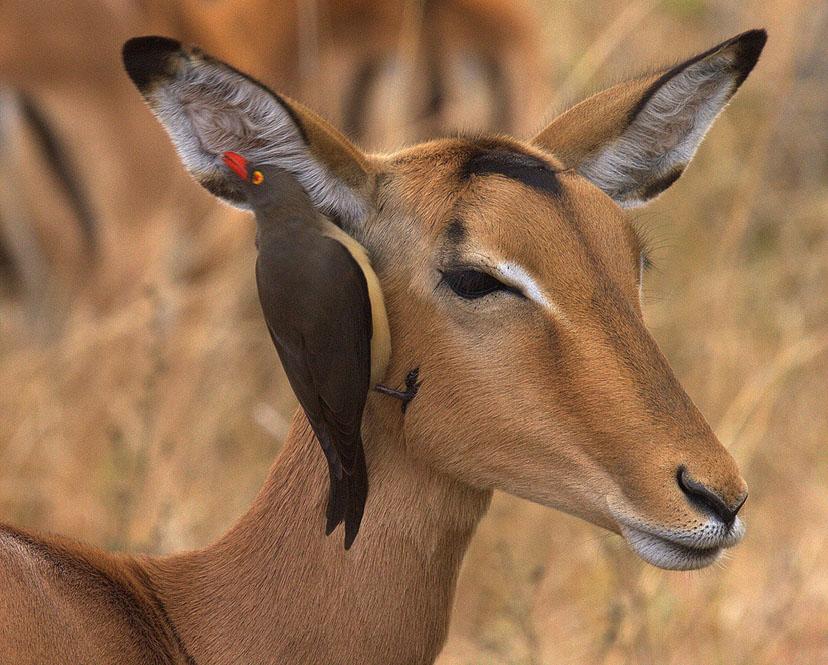
Red-billed oxpeckers are birds that often feed on parasites that infest impala. This is an example of _______.
a)
commensalism
b)
mutualism
c)
neutralism
d)
competition
113.
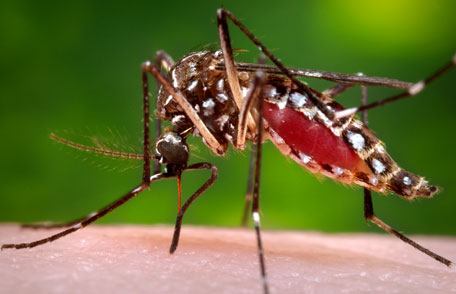
When a mosquito bites you, you are the __________ and the mosquito is the ____________.
a)
host, hostess
b)
parasite, host
c)
host, parasite
d)
prey, predator
114.
When two male lions fight over a lady lion this is _______ competition.
a)
Exploitative
b)
Intraspecific
c)
Interspecific
d)
Bullying
115.
When a pine tree grows real tall and blocks sunlight to another pine tree it is _______ competition.
a)
Interference
b)
Intraspecific
c)
Interspecific
d)
Exploitative
116.
Rabbits and sheep both graze on shrubs, grasses, and other plants. The increase in the population of rabbits in a region may result in a shortage of plants for sheep to graze upon. After the increase of rabbits the relationship between sheep and rabbits will be __________.
a)
Competition
b)
Predation
c)
Mutualism
d)
Parasitism
117.
Horses, chickens, pigs and turkeys live together on a farm. These animals work together which increases survival as a group. What is this situation an example of?
a)
Commensalism
b)
Predation
c)
Cooperation
d)
Parasitism
118.
An interaction among species where the organisms work together to increase the chances of survival.
a)
Cooperation
b)
Predation
c)
Competition
d)
Parasitism
119.
Which one of these does not add CO2 to the atmosphere?
a)
cooking with gas
b)
planting trees
c)
burning wood
d)
riding in a bus
120.
What does not produce carbon dioxide?
a)
Photosynthesis
b)
Burning Fossil Fuels
c)
Animal respiration
d)
Plants decaying
121.
How do living organisms return carbon to the atmosphere in the carbon cycle?
a)
respiration and photosynthesis
b)
decomposition and respiration
122.

In the carbon cycle, producers take in the gas __
a)
carbon dioxide
b)
oxygen
c)
nitrogen
d)
carbon monoxide
123.
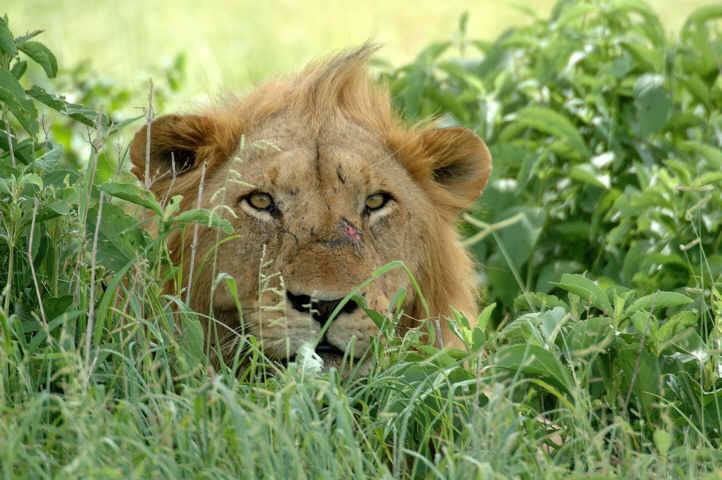
How does the carbon in grass become part of a lion?
a)
The lion eats the grass
b)
Carbon from grass doesn't end up in a lion.
c)
The carbon ends up in the lion's food chain.
d)
The lion breathes in carbon given out by the plant
124.
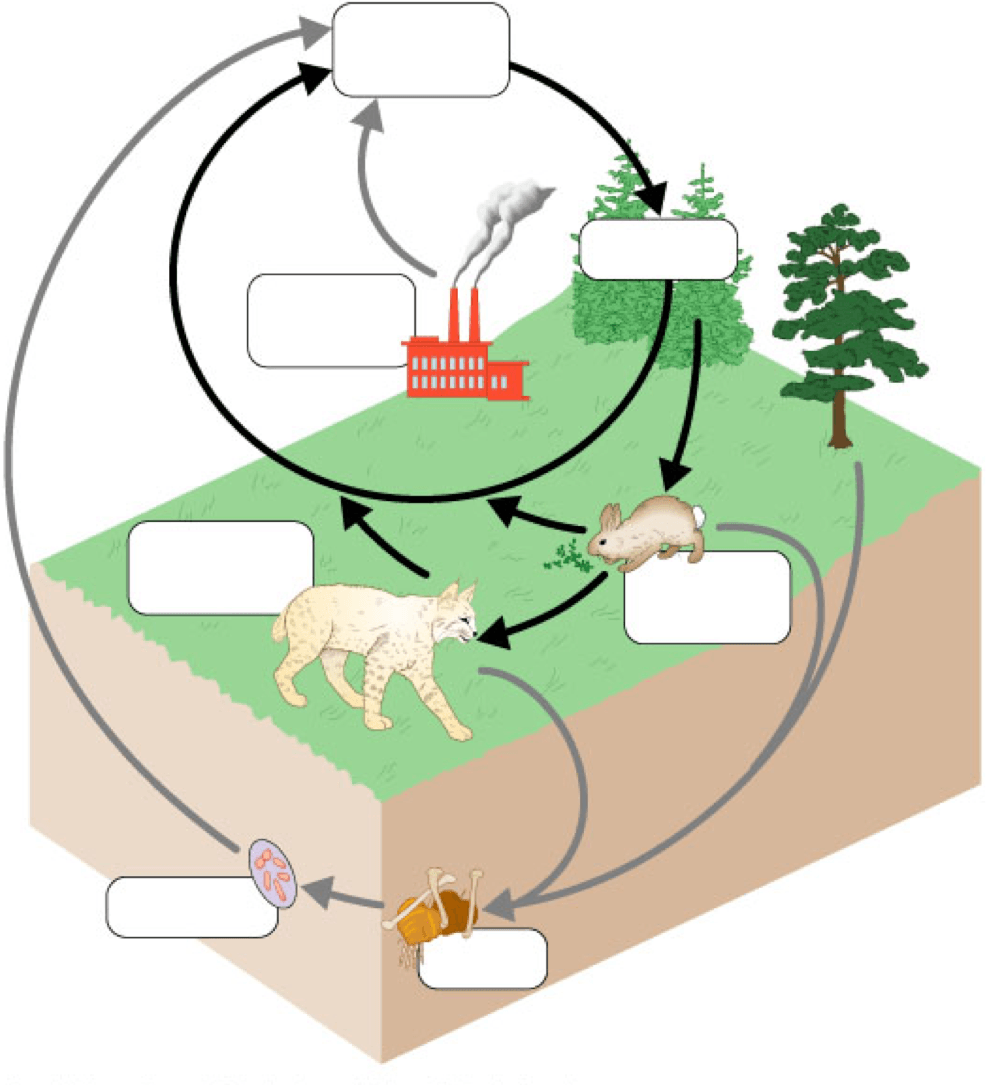
In what process is Carbon transformed into chemical energy?
a)
Photosynthesis
b)
Respiration
c)
Primary Production
d)
Secondary Production
125.
oxygen is a gas produced by _ and used by _
a)
plants and animals
b)
photosynthesis and carbon dioxide
c)
animals and plants
d)
carbon dioxide and photosynthesis
126.
All of the carbon in existence is continually recycled in the carbon cycle
a)
True
b)
False
127.
Which of the following removes carbon from the atmosphere?
a)
Combustion
b)
Respiration
c)
Photosynthesis
d)
Death
128.
Organisms that do not decompose can be buried and become what?
a)
water
b)
nutrients
c)
air
d)
fossil fuels
129.
If the plant population decreased, the amount of carbon would _________.
a)
Stay the same
b)
Increase
c)
Decrease
130.
Carbon can be found in...?
a)
The atmosphere
b)
Inside of the Earth
c)
Fossil fuels
d)
All of the above!
131.
Which of the following processes can maintain the level of carbon dioxide in the atmosphere?
a)
Photosynthesis
b)
Respiration
c)
Combustion
d)
ALL OF THEM
132.
Carbon dioxide is produced by the burning of fossil fuels
a)
True
b)
False
133.
a change in the nucleotide sequence of DNA
a)
is a mutation
b)
can be a mutation or an epigenetic change
c)
is an epigenetic change
d)
always leads to a permanent change in DNA
134.
What do mutations change?
a)
DNA
b)
Chromosomes
c)
Genes
135.
What mutation has occurred here?
T-G-A-C-C-A
T-G-A-G-C-A
T-G-A-C-C-A
T-G-A-G-C-A
a)
Substitution
b)
Deletion
c)
Insertion
d)
Frameshift
136.
DNA molecule segment is : TTACGCAAG
The mutated DNA segment is TTCGCAAG. This is an example of ___ mutation.
The mutated DNA segment is TTCGCAAG. This is an example of ___ mutation.
a)
Substitution
b)
Deletion
c)
Insertion
d)
Inversion
137.
The addition, removal, or replacement of a single nucleotide nitrogen base
a)
Cell Mutation
b)
Chromosome Mutation
c)
Point Mutation
d)
Other Outcome
138.
When a nucleotide is added to DNA
a)
Insertion
b)
Removal
c)
Substitution
d)
Silent
139.
Sickle cell anemia is an example of a _____________________ mutation
a)
Cell
b)
Chromosome
c)
Point
d)
Somatic Cell
140.

Identify the phase of mitosis
a)
prophase
b)
metaphase
c)
anaphase
d)
telophase
141.

Which phase comes NEXT?
a)
prophase
b)
metaphase
c)
anaphase
d)
telophase
142.

Which is Metaphase?
a)
A
b)
E
c)
C
d)
F
143.
In what stage are chromosomes separated and moved to opposite poles?
a)
prophase
b)
metaphase
c)
anaphase
d)
telophase
144.

What is this phase of mitosis?
a)
prophase
b)
metaphase
c)
anaphase
d)
telophase
145.
Chromosomes are made up of two identical sister _____________.
a)
chloroplasts
b)
nuclei
c)
chromatids
d)
gens
146.
What is the result of mitosis?
a)
1 cell
b)
2 genetically identical cells
c)
2 genetically different cells
d)
4 genetically identical cells
147.

Why would it be important to replicate DNA before a cell divides in mitosis or meiosis?
a)
In order for genetic information to be transferred into daughter cells.
b)
In order for the cell to be able to increase in size.
c)
In order for the DNA to be contained in the nucleus.
d)
In order for the cell to re-order the DNA sequencing in the new cells.
148.

In meiosis, crossing over occurs in prophase 1. What is the significance of this event?
a)
This process ensures that chromosomes are evenly divided into daughter cells.
b)
This process can lead to genetic variation in daughter cells.
c)
This process can create gaps in the chromosome DNA for RNA to bind.
d)
This process allows for spindles to connect to the chromosomes in order to pull chromosomes apart.
149.

Meiosis makes sperm and egg cells. In humans, sperm and egg cells each have _____ chromosomes. Therefore a fertilized human egg cell (sperm and egg cell combined) would create a cell with _____ chromosomes.
a)
23, 46
b)
46, 23
c)
2, 4
d)
50, 100
150.

Which of the following phrases best describes cytokenesis
a)
division of the cytoplasm
b)
division of the nucleus
c)
division of DNA
d)
division of surface area
151.
The process of mitosis and cytokenesis produce two two idenetical...
a)
daughter cells
b)
strands
c)
chromosomes
d)
chromatids
152.

In mitosis, the two resulting cells are
a)
different from the starting cell and identical to each other.
b)
different from the starting cell and different from each other.
c)
identical to the starting cell and different from each other.
d)
identical to the starting cell and identical to each other.
153.
A human has 46 chromosomes in their body cells. What is the haploid number?
a)
46
b)
92
c)
23
d)
12
154.
Mitosis produces cells with haploid or diploid number of chromosomes?
a)
Haploid
b)
Diploid
155.
Meiosis produces cells with a haploid or diploid number of chromosomes?
a)
Haploid
b)
Diploid
156.
Body cells have diploid or haploid number of chromosomes?
a)
Haploid
b)
Diploid
157.
Gametes have haploid or diploid number of chromosomes?
a)
Haploid
b)
Diploid
158.
Are the cells in Mitosis identical or unique?
a)
Identical
b)
Unique
c)
It's random
159.
An organism's appearance or other observable characteristics:
a)
phentoype
b)
genotype
c)
recessive
d)
dominant
160.
An organism's genetic make-up:
a)
phenotype
b)
genotype
c)
dominant
d)
recessive
161.
Having two of the SAME alleles for a trait (example HH or hh):
a)
homozygous
b)
heterozygous
c)
recessive
d)
dominant
162.
Having two different alleles for a trait (example Hh):
a)
homozygous
b)
heterozygous
c)
dominant
d)
purebred
163.
What is the cause of some traits "skipping" a generation?
a)
dominant traits
b)
recessive traits
c)
hybrid alleles
d)
homologous chromosomes
164.
When is a recessive allele expressed in offspring?
a)
when two copies are present
b)
when parents have no dominant alleles
c)
when the offspring is heterozygous
d)
when one copy is present
165.
Recessive alleles may not be expressed because they are
a)
masked by a dominant allele
b)
the least common allele in a population.
c)
the most common allele in a population.
d)
less likely to have crossing over.
166.
What do the letters inside the grid of a Punnett square represent?
a)
phenotypes of parents
b)
genotypes of offspring
c)
testcrosses of offspring
d)
chromosomes of parents
167.

Mendel's law of segregation states that during meiosis, the alleles that control each trait separate, and only _________________ from each pair is/are passed to the offspring
a)
one allele
b)
the dominant trait
c)
two alleles
d)
the recessive trait
168.
the passing of genetic traits from parent to offspring.
a)
heredity
b)
trait
c)
gene
d)
allele
169.
Which of the following pairs is homozygous dominant?
a)
Hh
b)
pp
c)
HH
d)
aa
170.
Which of the following is heterozygous?
a)
Hh
b)
gg
c)
HH
d)
GG
171.
Jackie is homozygous recessive for having dimples (D). What is her genotype?
a)
pp
b)
Dd
c)
dd
d)
DD
172.
Which of the following is a physical adaptation for the underlined animal?
a)
A snake unhinges its jaw to eat a rabbit it just caught.
b)
A hognose snake rolls over, slows its breathing, and hangs its tongue out to pretend to be dead.
c)
A herd of buffalo encircle their young to protect them from a pack of wolves.
d)
A dung beetle rolls a piece of dung across the desert.
173.
The goal of every species on earth is...
a)
to survive and reproduce
b)
divide and conquer
c)
survive and conquer
d)
reproduce and die
174.
A trait or behavior that helps organisms survive and reproduce
a)
multiplication
b)
revolt
c)
adaptation
d)
populate
175.
A rabbit is running away from a fox. What is the stimulus for this behavior?
a)
avoiding a predator
b)
food
c)
migration
d)
estivation
176.
Ducks have webbed feet
a)
behavioral adaptations
b)
structural adaptations
177.
birds fly south
a)
behavioral adaptations
b)
structural adaptations
178.
snakes are only active in the morning and at night
a)
structural adaptations
b)
behavioral adaptations
179.
Eagles have sharp talons
a)
behavioral adaptations
b)
structural adaptations
180.
Birds fly south during the winter due to their inner thermometer telling them to stay warm is an example of what type of adaptation?
a)
Structural adaptation
b)
Behavioral adaptation
c)
Physiological adaptation
d)
Logical adaptation
181.
"Survival of the fittest" means that the organism that is most fit for the environment will survive. This is also known as
a)
Selective Breeding
b)
Genetically modified crops
c)
Adaptations
d)
Natural Selection
182.
What is a punnett square?
a)
graph used to predict the possible genotypes of offspring in a given cross
b)
a graph used to predict the possible birth rate of offspring.
c)
a graph used to predict the possible behavioral characteristics an offspring could have
d)
None of the above
183.
In a flowering plant species, red flower color (R) is dominant over white flower color (r). What is the genotype of any red-flowering plant resulting from this species?
a)
rr
b)
R
c)
RR
d)
RR or Rr
100 %

