
 Worksheets
Introduction to Animals
Total questions: 33
Worksheet time: 17mins
Multicellular heterotropic organism that lack cell walls.
plants
animals
protist
bacteria
Animals with a backbone
invertebrates
vertebrates
Animals that do not have a backbone.
vertebrates
invertebrates
Evolutionary adaptation of a cell for a particular function.
differeniation
symmetry
cephalization
specialization
Animals get their energy from other sources.
autotrophic
heterotrophic
Process when animals take in organic materials or food usually in the form of other living things.
digestion
excretion
ingestion
respiration
Cells become specialized and perform different functions. (blood cells, bone cells)
specialization
respiration
differniation
digestion
Animals are able to move due to the interrelationship of 2 types of tissues. Which is not one of these tissues?
digestion
nervous
muscle
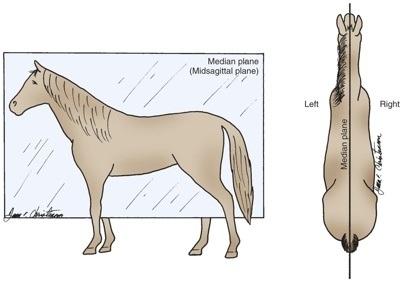
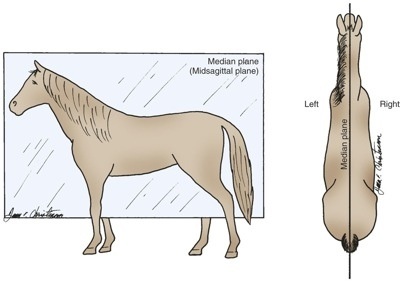
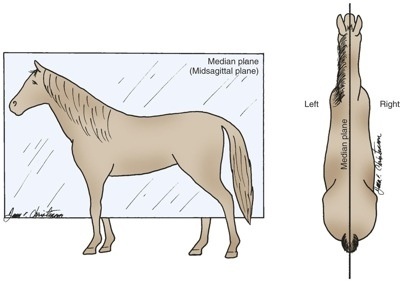
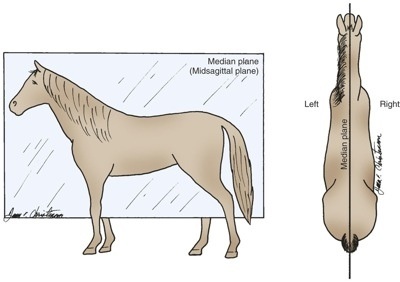
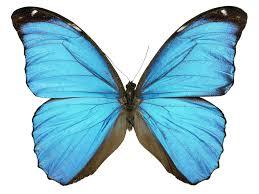
Body arrangement in which parts that lie on opposite sides of an axis are identical.
symmetry
differentiation
specialization
Concentration of sensory and brain structures int eh anterior end of the animal.
cephalization
symmetry
chordate
A fluid-filled space that forms between the digestive tract and the outer wall of the body.
tissue
body cavitiy
organs
system
The 4 characteristics common to most animals are multicellular, heterotrophic, lack of cell walls and exhibit some kind of movement.
TRUE
FALSE

