
NEW
Font size
S
M
L
XL
 Worksheets
Year 8 Plants, Energy Transfers and Periodic Table
Total questions: 40
Worksheet time: 29mins
Name
Class
Date
1.

Which part may develop into a fruit?
a)
E
b)
D
c)
C
d)
A
2.
The tip of the style that has sticky hairs to trap pollen is the ___.
a)
stamen
b)
stigma
c)
ovary
d)
style
3.
The part of the stamen that produces pollen grains is the ___.
a)
anther
b)
pistil
c)
filament
d)
ovary
4.
After fertilization what does the ovule develop into?
a)
Fruit
b)
Bud
c)
Seed
d)
Flower
5.
The male reproductive structure of a flower is the ___.
a)
pistil
b)
ovary
c)
stamen
d)
ovule
6.
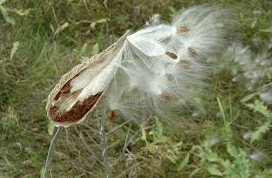
All of the following are examples of seed dispersal except:
a)
wind
b)
volcanic eruptions
c)
physical movement (rolling)
d)
animals droppings
7.
This occurs directly AFTER a tube grows down from the pollen grain through the style to the ovary.
a)
pollination
b)
germination
c)
fertilisation
d)
seed dispersal
8.

Small leaf-like structures forming an outer circle at the base of a flower.
a)
petals
b)
sepal
c)
anthers
d)
dicots
9.
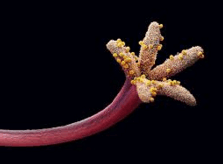
The part of the flower on which the pollen grains land.
a)
anther
b)
stamen
c)
style
d)
stigma
10.
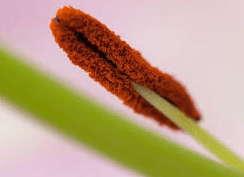
The part of a flower that produces the male reproductive cells.
a)
anther
b)
style
c)
stigma
d)
filament
11.

Which part produces pollen?
a)
A
b)
B
c)
C
d)
E
12.
What is the function of nectar?
a)
To provide food for the flower
b)
To attract pollinators
c)
To attract animals to disperse the fruits
d)
To produce perfumes for Man
13.
Wind-pollinated flowers usually have ______ and ________ petals.
a)
big ... bright
b)
small ... bright
c)
big ... dull
d)
small ... dull
14.
Insect dispersed pollen is usually sticky and spiky so that it can _______________.
a)
attach to the pollinators' body without falling off easily
b)
prevent pollinators from eating them
c)
stay attached to the anther so that it doesn't attach to a pollinator
d)
be used as glue
15.
When we see growth, or when a seed sprouts it shows _______.
a)
pollination
b)
sun
c)
germination
d)
reproduction
16.
What are 3 requirements for germination?
a)
Air, water, and warmth.
b)
Air, roots, seeds.
c)
Air, seeds, sun.
d)
Sun, soil, air.
17.

How did Mendeleev arrange the elements?
a)
alphabetical
b)
density
c)
melting point
d)
atomic mass
18.
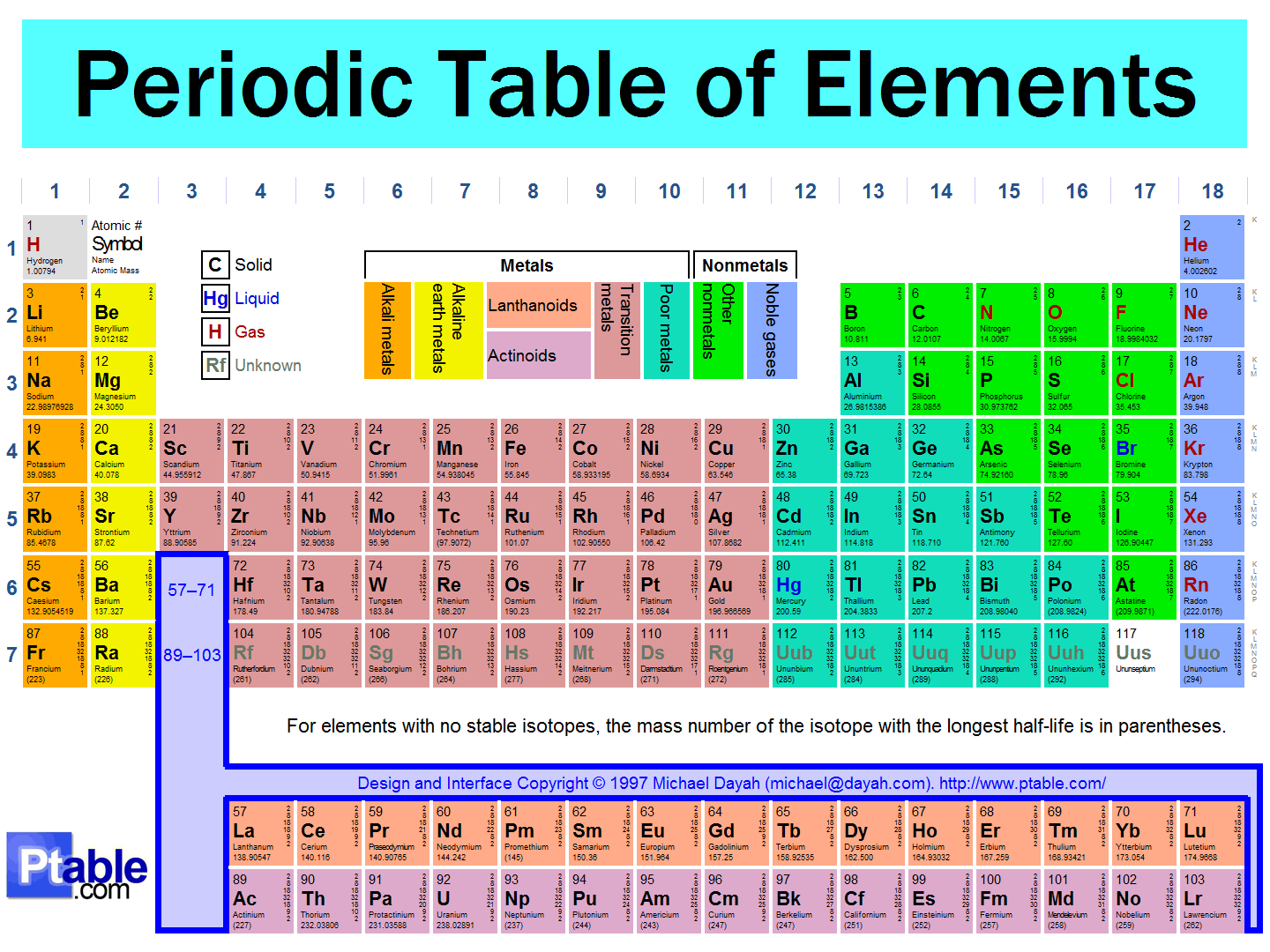
The horizontal row on the periodic table is called a
a)
group
b)
family
c)
period
d)
atomic number
19.

A vertical column is called...
a)
group
b)
tower
c)
period
d)
crew
20.

Which of the following is the most metallic element in period 3?
a)
Boron (B)
b)
Sodium (Na)
c)
Argon (Ar)
d)
Silicon (Si)
21.

Which of these element is the least metallic?
a)
Potassium (K)
b)
Carbon (C)
c)
Sulfur (S)
d)
Neon (Ne)
22.
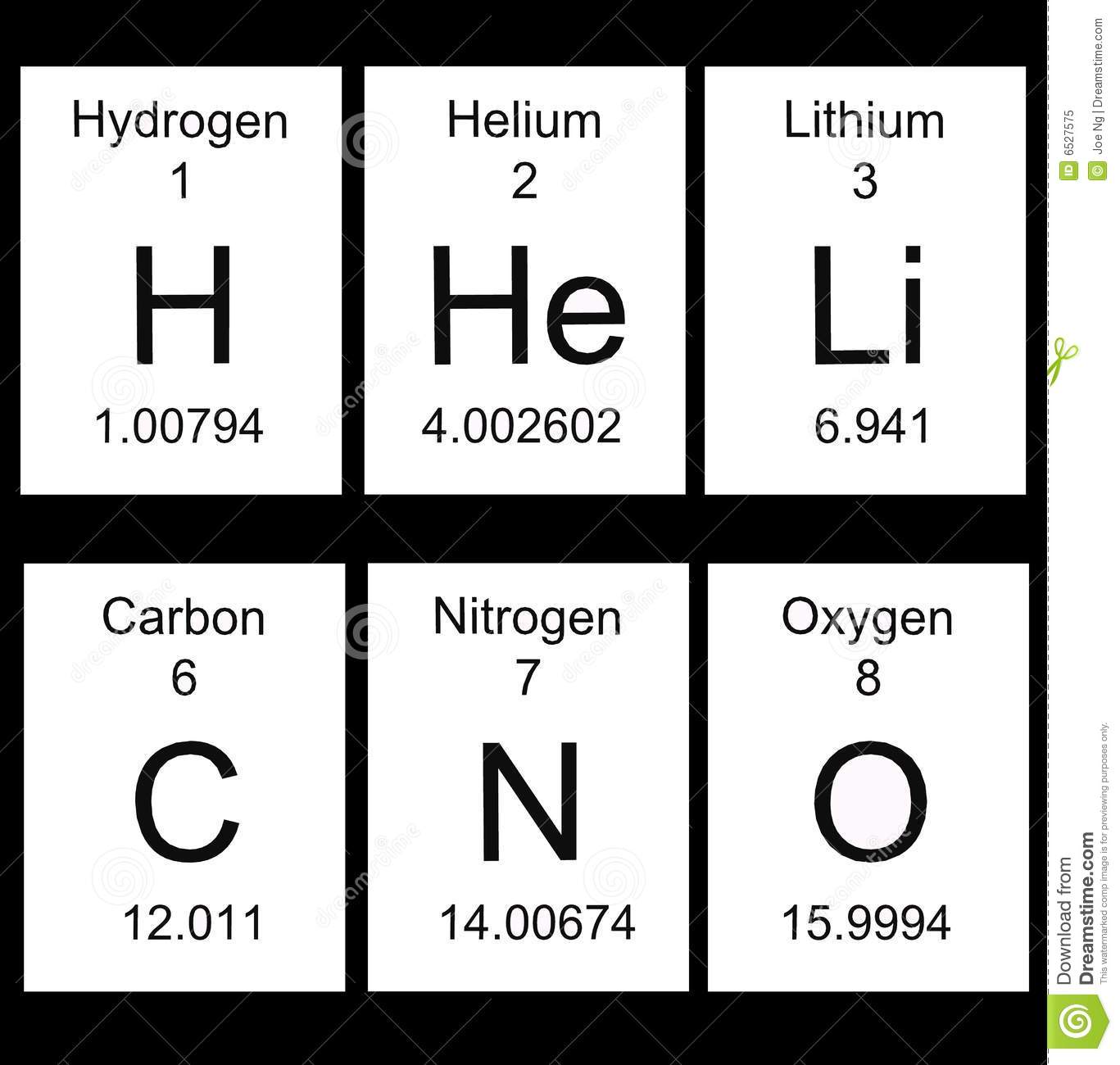
The number at the bottom of each square on the periodic table is the ...
a)
atomic number
b)
atomic mass
c)
chemical symbol
d)
element name
23.
The number at the bottom of each square on the periodic table is the ...
a)
atomic number
b)
atomic mass
c)
chemical symbol
d)
element name
24.
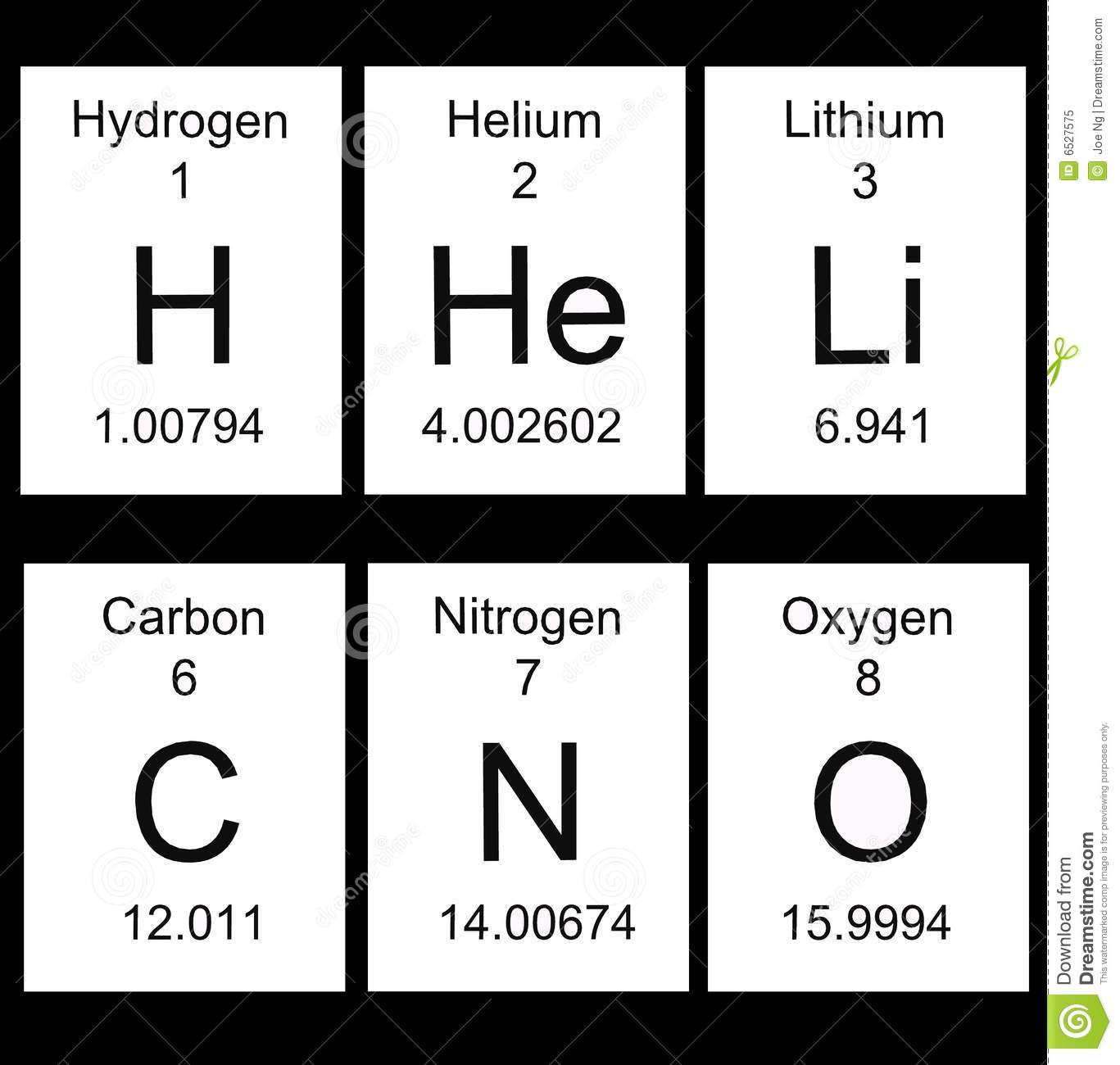
What is the chemical symbol for Lithium?
a)
H
b)
He
c)
Li
d)
N
25.

Pure forms of these elements are stored in oil so they won't react with oxygen and water in the air.
a)
Alkali Metals
b)
Alkaline-earth metals
c)
Halogens
d)
Noble Gases
26.

Most of the elements on the periodic table are classified as _____.
a)
Metals
b)
Nonmetals
c)
Metalloids
d)
Periods
27.

In what section would Transition Metals be found?
a)
orange
b)
light blue
c)
blue
d)
white
28.

The atomic number of this pictured element is
a)
28
b)
58.6934
c)
Ni
d)
Nickel
29.
Elements which are shiny, conduct electricity and heat are called
a)
metal
b)
nonmetal
c)
metalloid
d)
nonexistent
30.
Which element is not a metal?
a)
H
b)
Re
c)
Al
d)
B
31.
Which is a halogen?
a)
Helium
b)
Chlorine
c)
Oxygen
d)
Neptune
32.
Which is an example of something that transfers heat by radiation?
a)
the sun
b)
stove burner
c)
hot air balloon
d)
wind currents
33.
Why does a blanket provide warmth to a person?
a)
it is a conductor of heat
b)
it is unable to remain cool
c)
it is warmer than the air
d)
it is an isulator
34.
Which is an example of convection?
a)
light bulb burning
b)
cooking hot dog over fire
c)
hot air balloon floating up
d)
sun's rays
35.
Which is the best example of conduction?
a)
hot air blow drying hair
b)
sun heating up a car
c)
water boiling on the stove
d)
ice cube melting in your hand
36.
Heat moves by touch.
a)
conduction
b)
convection
c)
radiation
37.

What type of energy does food have?
a)
chemical potential
b)
gravitational potential
c)
elastic potential
d)
mechanical potential
38.

A group of friends gather around a fire to stay warm.
a)
conduction
b)
convection
c)
radiation
39.

Walking on the warm sand sand with your bare feet.
a)
conduction
b)
convection
c)
radiation
40.
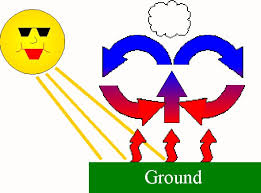
Warm air rises and the cool air sinks.
a)
conduction
b)
convection
c)
radiation
Reset

