
 Worksheets
Earth's Atmosphere & Climate
Total questions: 40
Worksheet time: 31mins


Earth's ozone layer is important because it absorbs
visible light
harmful ultraviolet radiation (UV light)
x-rays
radio waves


Which pressure system results in rainy or stormy weather?
weather system
high pressure
low pressure
jet stream


Earth’s climate system is powered mainly by energy from:
Earth's Tilt
The sun
Latitude Energy
The rain shadow

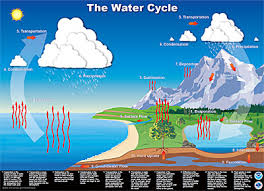
Rain, sleet, hail, and freezing rain are all...
precipitation
condensation
evaporation
percolation

When water moves through natural filters like rocks, sand, and soil and impurities are filtered out; groundwater is cleaned.
accumulation
percolation
condensation
precipitation

What is it called when plants give off water vapor?
condensation
evaporation
sublimation
transpiration


Which of the following gases, released by cattle livestock as a waste product of digestion, can add to global warming? Hint: It does the most damage compared to other greenhouse gases.
Carbon Dioxide
Methane
Chlorofluorocarbon
Nitrogen

In the past, refrigerators, aerosol spray propellants and cleaning solvents were all sources of a greenhouse gas known as ________ and they put a hole in the ozone layer.
carbon dioxide
methane
chlorofluorocarbon (CFC)
nitrous oxide
Too many greenhouse gasses in the atmosphere may block heat from escaping into space and trap too much heat next to the Earth’s surface causing: ____________.
another ice age
global warming
earthquakes
volcanic eruptions
Something that might happen because of global warming is: __________.
melting polar ice caps
more reflected sunlight off the ice pack
lower sea levels
a sale on bathing suits

Over the past 200 years, the level of carbon dioxide in the atmosphere has
decreased slightly.
increased until recently, and then decreased.
increased steadily.
stayed about the same.
The greenhouse effect is
the absorption of energy by clouds.
a gradual increase in the temperature of the atmosphere.
the use of solar panels to create energy in greenhouses
the process by which gases hold heat in the atmosphere.
Which of the following is NOT a greenhouse gas?
Oxygen (O2)
Carbon Dioxide
Methane
Nitrous Oxide
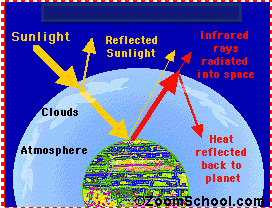
Do we need greenhouse gases on Earth?
Yes - they keep the Earth warm
Yes - they get ride of all harmful gases on our planet
No - they only cause terrible climate change
No - they only block some of the Sun's rays
Which of the following human activities contribute to an increased green house effect?
Harvesting energy from the sun.
Deforestation releasing carbon dioxide
Walking to work.
Switching to geothermal powered electricity
Which of the following NATURAL events would be most likely to contribute to changing Earth's atmosphere?
Earthquake
Hurricane
Volcanoes Errupting
Monsoon
What do humans do that releases greenhouse gases into the atmosphere?
Burn fossil fuels
Having cattle farms
Ride bikes and use solar energy
Planting trees

Which of the following can ADD carbon to the atmosphere?
photosynthesis
plankton
evaporation
burning fossil fuels
Which of the following gases DOES NOT trap heat?
carbon dioxide
nitrogen
water vapor
methane
Climate change causes extreme weather conditions such as:
excessive heat
drought
extreme storms
hurricanes

Air pressure differences cause _____________ to form.
tides
salinity
wind
none of the others
_________ is the most abundant (common) gas in our atmosphere
oxygen
nitrogen
carbon dioxide
methane
A(n) _______________ front results in a quick drop in temperature, strong winds, and precipitation
stationary
occluded
warm
cold
Identify the 2 main gases in Earth's atmosphere
Nitrogen
Oxygen
Methane
Carbon Dioxide

