wayground logo

Free Printable Worksheets

Font size

S
M
L
XL
Worksheets

STAAR SCIENCE REVIEW 5TH GRADE

Total questions: 52

Worksheet time: 59mins

Name
Class
Date
1.

what is a ecosystem

a)

a food chain

b)

food web

c)

a biological community of interacting organisms and their physical environment.

d)

prey

2.

what is a Producer

a)

plant

b)

animal

c)

bee

d)

shoes

3.

why are people destroying the ecosystem

a)

cutting trees

b)

building highways

c)

building homes

d)

all above

4.

what is the first important thing in the food web or food chain need to have

a)

plants

b)

sun

c)

consumers

d)

nothing

5.

what happen if there is no sun in the water cycle

a)

nothing will happen

b)

we can die

c)

u will give light to move

d)

nothing

6.

what is the step of water,hail,snow,or sleet fall form the sky.

a)

Precipitation

b)

evaporation

c)

tranporation

d)

run off

7.
What is the water cycle?
a)
the 3 forms of water
b)
the movement of water on, above, or below the surface of the Earth
c)
when water melts
d)
when clouds form
8.
What part of the water cycle does this picture show?
a)
condensation
b)
precipitation
c)
evaporation
9.
Which best explains why runoff is important?
a)
It returns water to other locations on Earth
b)
It increases the chance of flooding
c)
It makes evaporation occur faster
d)
It increases condensation
10.
What is it called when WATER is FORMED from an LIQUID to a WATER VAPOR Oor an [GAS]?
a)
EVAPORATION
b)
PRECIPITATION
c)
TRANSPIRATION
11.
What is it called when plants give off water vapor as a waste product?
a)
condensation
b)
evaporation
c)
sublimation
d)
transpiration
12.
This is a low place in between two hills or mountains.
a)
Canyon
b)
Valley
c)
Desert
d)
Lake
13.
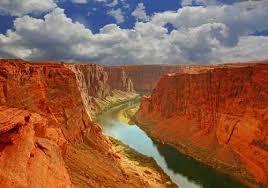
What land form is this?
a)
valley
b)
canyon
c)
mountain
d)
plain
14.
What land form is this?
a)
valley
b)
plain
c)
volcano
d)
canyon
15.
What land form is this?
a)
plain
b)
valley
c)
mountain
d)
canyon
16.
What land form is this?
a)
valley
b)
canyon
c)
plain
d)
mountain
17.
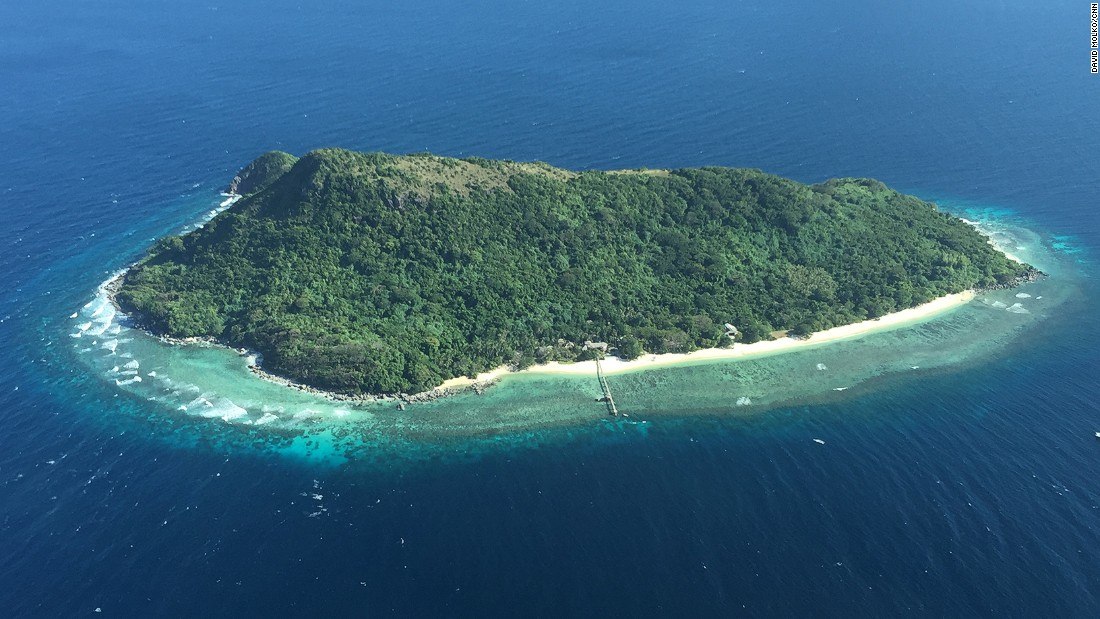
What land form is this?
a)
island
b)
valley
c)
plain
d)
mountain
18.
What kind of energy?
a)
Radiant
b)
Electrical
c)
Thermal
d)
Chemical
19.
Will electrical energy flow in an open circuit?
a)
yes
b)
no
20.
The order of the planets is:
a)
Mars,Venus,Earth,
Mercury,Saturn
Jupiter, Uranus, Neptune
b)
Earth,Venus,Mars
Jupiter, Neptune,
Mercury,Saturn,
Uranus
c)
Mercury,Venus,Earth
Mars,Jupiter,
Saturn,Uranus
Neptune
21.
Which planet is fifth from the sun?
a)
Saturn
b)
Jupiter
c)
Mars
d)
Earth
22.
which planet is the third from the sun?
a)
Mercury 
b)
Neptune 
c)
Pluto 
d)
Earth 
23.
Which is the fourth planet from the sun?
a)
Mars
b)
Saturn
c)
Earth
d)
Jupiter
24.
Which is the second closest planet to the sun?
a)
Earth
b)
Saturn
c)
Venus
d)
Mercury
25.
Which Planet comes after Earth in the solar system?
a)
Mercury
b)
Mars 
c)
Venus 
d)
Eros
26.
The spinning of an object on its axis is called______
a)
orbit
b)
rotation
c)
revolution
d)
tide
27.
Day and night is caused by the _____________ of earth on its axis.
a)
revolution
b)
orbit
c)
rotation
28.
What causes the seasons to change?
a)
The warming and cooling of Earth's core.
b)
The distance from the sun.
c)
Earth's tilt in relation to the sun.
d)
Earth's rotation on its axis.
29.
What happens when the area in which you live tilts away from the sun?
a)
It is summer.
b)
It is spring.
c)
It is winter.
d)
It is fall.
30.
One rotation of Earth is equal to
a)
a day.
b)
a year.
31.
How long does Earth take to make a complete rotation?
a)
365 days
b)
24 hours
32.
Objects in the sky appear to move from _______ to _______.
a)
East to West
b)
West to East
c)
North to South
d)
South to North
33.
What does this symbol on a weather map indicate? 
a)
High pressure system
b)
Low pressure system
c)
Cold front
d)
Warm front
34.
What does this symbol indicate on a weather map? 
a)
High pressure system
b)
Low pressure system
c)
Cold front
d)
Warm front
35.
What kind of weather is usually associated with a high pressure system?
a)
Sunny weather
b)
Precipitation (rain, snow, etc.)
36.
Hot air (RISES / FALLS) __________.
a)
RISES
b)
FALLS
37.
Cold air (RISES/ FALLS)  _________.
a)
RISES
b)
FALLS
38.
Which condition usually means cloudy, stormy weather?
a)
high pressure
b)
low pressure
39.
A _____ is a large, swirling, low-pressure system that forms over the Atlantic Ocean.
a)
blizzard
b)
cold front
c)
tornado 
d)
hurricane
40.
A violently rotating column of air called a _____ when it comes in contact with the ground.
a)
hurrican
b)
tornado
c)
trade wind
d)
local wind
41.
A ____________ is a push or a pull on an object.
a)
friction
b)
force
c)
magnet
d)
gravity
42.
Balanced or unbalanced?
a)
balanced
b)
unbalanced
43.

The force of attraction between any two objects due to their mass is

a)

gravity

b)

inertia

c)

magnetism

d)

orbit

44.

A ___________________ is a complete spin on an axis.

a)

orbit

b)

revolution

c)

rotation

d)

year

45.

A ___________ is a sphere of hot gases that produces its own energy.

a)

asteroid

b)

meteor

c)

planet

d)

star

46.

As the Earth ____________, the Sun appears to move in the sky.

a)

revolves

b)

rotates

c)

orbits

47.

Which statements explain how gravity and inertia work together? Select more than one.

a)

Gravity pulls Earth toward the Sun

b)

Gravity and inertia only work one at a time.

c)

Earth want to keep moving in a straight line due to inertia.

d)

Gravity and inertia work against one another to keep the Earth in orbit.

48.

What is the imaginary line that passes through the North and South Poles?

a)

equator

b)

international date line

c)

time zone divisions

d)

axis

49.

Which two statements best describe why we have seasons in the Northern Hemisphere?

a)

In the summer the Northern Hemisphere is slightly closer to the sun than the Southern Hemisphere. It's just the reverse in winter.

b)

It's the tilt of the Earth's axis that produces seasons, along with the Earth revolving around the sun that produces the seasons.

c)

When the Northern Hemisphere is tilted toward the sun, the sun's rays strike the hemisphere directly, so the weather is warmer.

d)

The elliptical orbit of the Earth takes about 365 days, or one year.

50.

True or false: Seasons at the Poles and at the equator are very different from seasons everywhere else.

a)

true

b)

false

51.

What season is it in the Northern Hemisphere when the Southern Hemisphere points/tilts toward the sun?

a)

fall

b)

spring

c)

summer

d)

winter

52.

The star at the center of our solar system is the

a)

Mercury

b)

sun

c)

Star potato chips

d)

Betelgeuse