
 Worksheets
RJH Units 1-7 Review
Total questions: 49
Worksheet time: 33mins
Name
Class
Date
1.
Which scientist is credited for first proposing the Continental Drift Theory?
a)
Albert Einstein
b)
Alfred Wegener
c)
Abraham Ortelius
d)
Harry Hess
2.
Henry Hess' sea floor spreading hypothesis suggests that new ocean crust is added at long ridges of volcanic vents, pushing older crust to each side. hess' hypothesis provides evidence for which theory?
a)
Atomic Theory
b)
Big Bang Theory
c)
Theory of Continental Drift
d)
Theory of Relativity
3.

Which of the following statements CANNONT be explained by the following diagram?
a)
Rocks on the seafloor are aligned according to magnetic field orientation
b)
Rocks on the seafloor are younger than rocks founds on land
c)
Younger rocks are found closest to seafloor trenches
d)
Rocks found on the ocean floor are all approximately the same age
4.
Earth's magnetic field has North and South poles that have reversed several times. These reversals are recorded in rocks along the mid-ocean ridges. These facts most closely correlate with which theory?
a)
Continental Drift by Alfred Wegener
b)
Seafloor Spreading as proposed by Harry Hess
c)
Plate Tectonics by Marie Curie
d)
Aurora Borealis (Northern Lights) by Robert Peary
5.
What are Convergent Boundaries?
a)
Boundaries that rub together and slide past each other causing earthquakes
b)
Boundaries that come together (crash like a head on collision) forming mountains
c)
Boundaries that spread apart and move away from each other causing mid-ocean ridges
6.
What are Divergent Boundaries?
a)
When plates come together
b)
When plates divide
c)
When plates rub against each other causing earthquakes
7.
What are transform boundaries?
a)
When plates come together forming mountains
b)
When plates rub against each other causing earthquakes
c)
When plates divide causing mid-ocean ridges
8.

Use the topographic map below to predict how the land form may be reshaped by weathering.
a)
Weathering could reshape the top of the landform to increase elevation
b)
Weathering could reshape the top of the landform to decrease elevation
c)
Weathering could reshape the right side of the landform to create a cave
d)
Weathering could reshape the landform to create a canyon
9.

The diagram below shows a model of the movement of two tectonic plates. When the plates COLLIDE, one plate often moves below the other plate. The rising magma that can result from this type of plate movement may produce -
a)
fossil layers
b)
volcanic islands
c)
deep-sea sediment
d)
seafloor spreading
10.

Where would the YOUNGEST ocean floor be found?
a)
I
b)
II
c)
III
d)
IV
11.

Which area on the terrain would show an area with a CONVERGENT plate boundary?
a)
A
b)
B
c)
C
d)
D
12.

Which area on the terrain above would show an area with a divergent plate boundary?
a)
A
b)
B
c)
C
d)
D
13.

Where would the ocean floor be the oldest?
a)
I
b)
II
c)
III
d)
IV
14.
Earth's magnetic field has North and South poles that have reversed several times. These reversals are recorded in rocks along the mid-ocean ridges. These facts most closely correlate with which theory?
a)
Continental Drift by Alfred Wegener
b)
Seafloor Spreading as proposed by Harry Hess
c)
Plate Tectonics by Marie Curie
d)
Aurora Borealis (Northern Lights) by Robert Peary
15.

Who came up with this model of an atom?
a)
J.J. Thompson
b)
Ernest Rutherford
c)
Neils Bohr
d)
James Chadwick
16.

What does the nucleus of an atom contain?
a)
Electrons and neutrons
b)
Protons and neutrons
c)
Neutrinos and positrons
d)
DNA and RN
17.
This is a negatively charged particle found outside the nucleus
a)
Electron
b)
Proton
c)
Neutron
18.
This contains most of the mass of an atom
a)
Electron Cloud
b)
Nucleus
c)
Electron
19.
All matter is made of what?
a)
energy
b)
atoms
c)
electrons
d)
compounds
20.
This particle is found in the nucleus and has a positive charge
a)
Electron
b)
Proton
c)
Neutron
21.
This particle is found in the nucleus and has no charge
a)
Neutron
b)
Proton
c)
Electron
22.
How is gravity affected by mass?
a)
the larger the mass of the object, the greater the gravity
b)
small objects have no gravity
c)
gravity is not affected by mass of objects, whether large or small
23.
What is a force that opposes motion between two surfaces?
a)
friction
b)
acceleration
c)
velocity
d)
motion
24.
What is inertia?
a)
the tendency of an object to resist change in motion
b)
how fact an object is going in a given direction
c)
a measure of the lack of motion of an object
d)
change in speed or direction of an object
25.
When you tell the direction and speed of an object, you give its
a)
motion
b)
velocity
c)
acceleration
d)
mass
26.

The picture of the position vs. time graph shows an object that is...
a)
accelerating/speeding up
b)
moving at a constant speed
c)
not moving
d)
accelerating/slowing down.
27.
Any push or pull from one object to another.
a)
Force
b)
Friction
c)
Speed
d)
gravity
28.
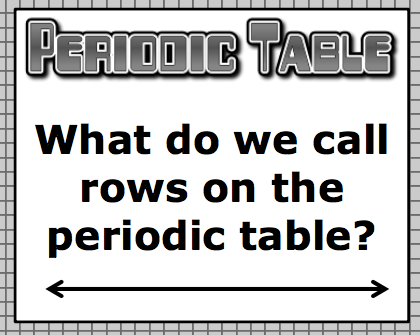
a)
Periods
b)
Groups
29.
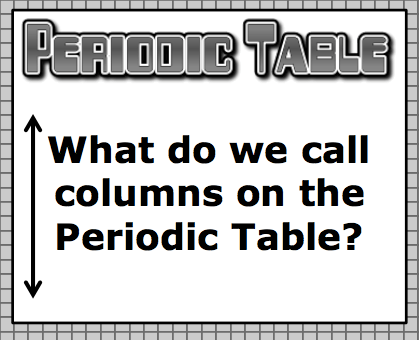
a)
Periods
b)
Groups
30.

a)
energy levels
b)
valence electrons
c)
protons
d)
neutrons
31.
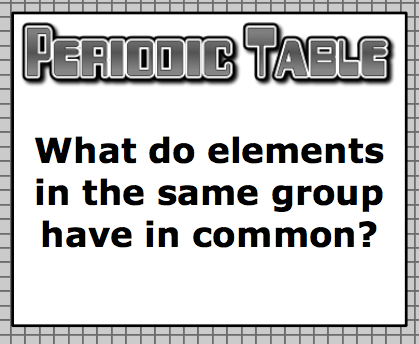
a)
energy levels
b)
valence electrons
c)
protons
d)
neutrons
32.
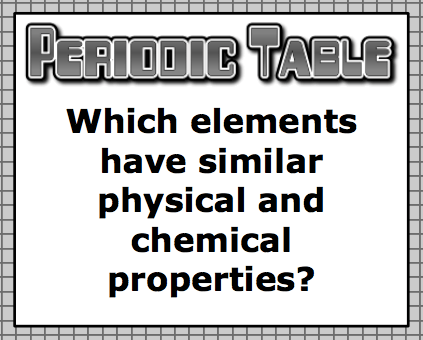
a)
Same group
b)
Same period
33.
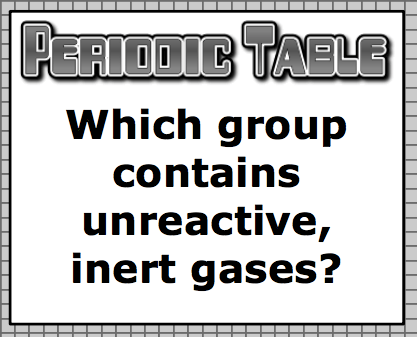
a)
Group 1
b)
Group 17
c)
Group 2
d)
Group 18
34.
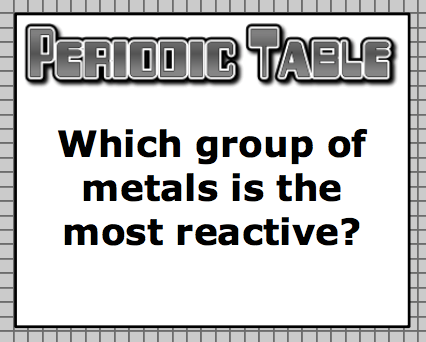
a)
Group 1
b)
Group 17
c)
Group 18
d)
Group 2
35.
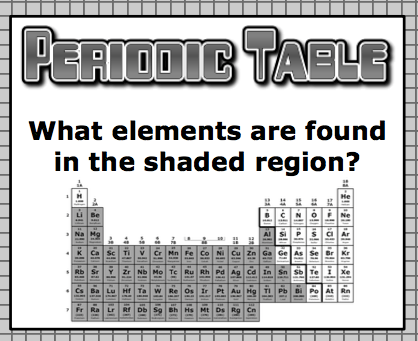
a)
Metals
b)
Nonmetals
c)
Metalloids
36.
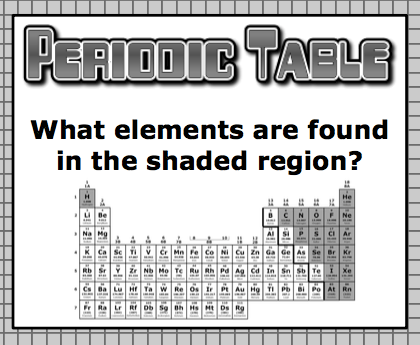
a)
Metals
b)
Nonmetals
c)
Metalloids
37.
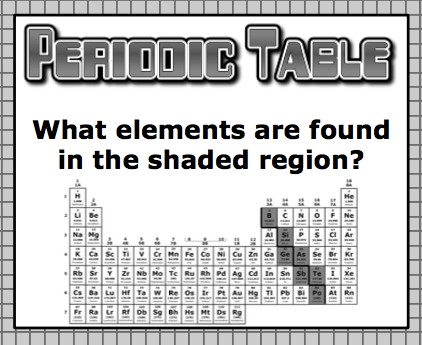
a)
Metals
b)
Nonmetals
c)
Metalloids
38.
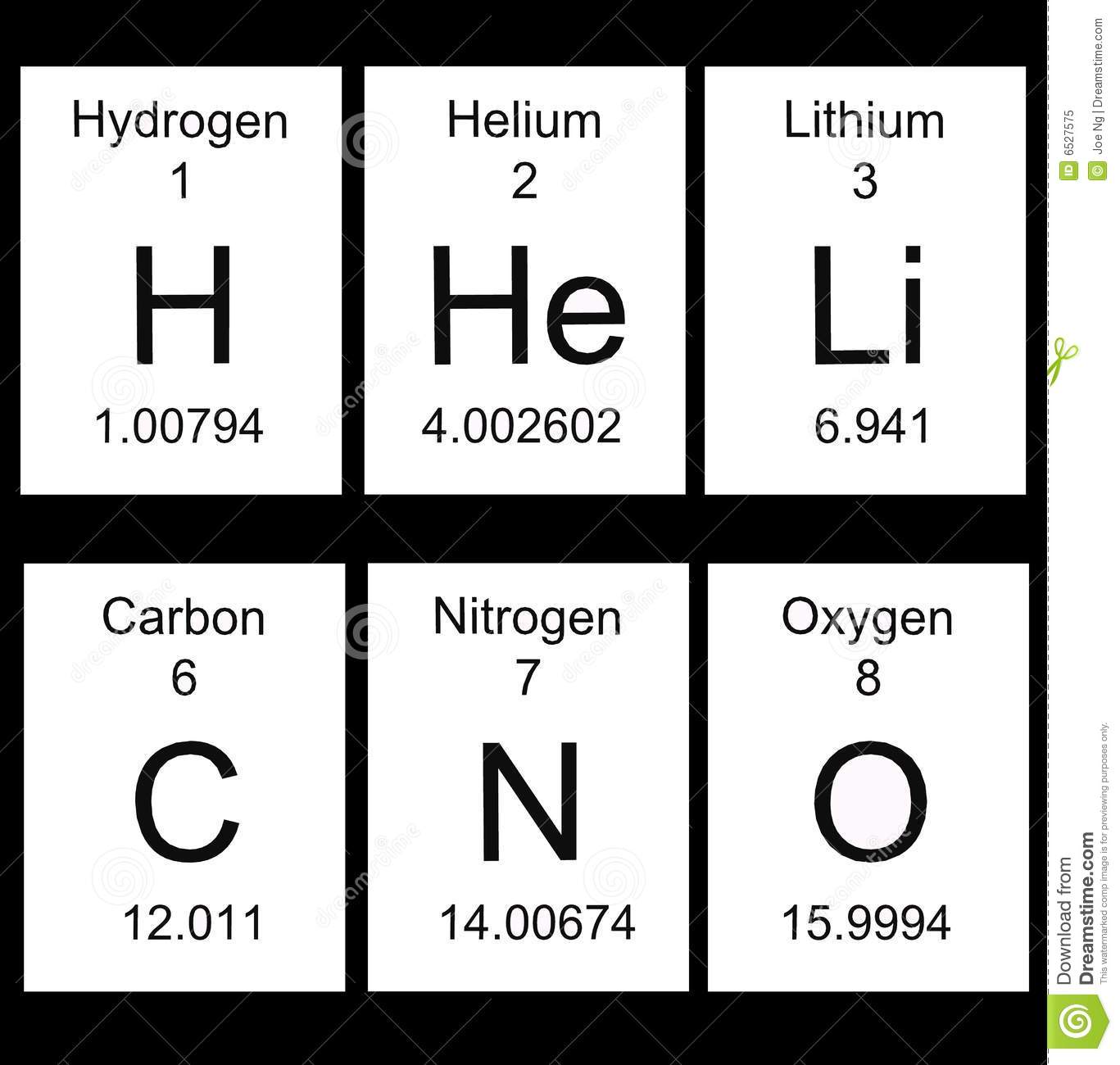
The number at the bottom of each square on the periodic table is the ...
a)
atomic number
b)
atomic mass
c)
chemical symbol
d)
element name
39.
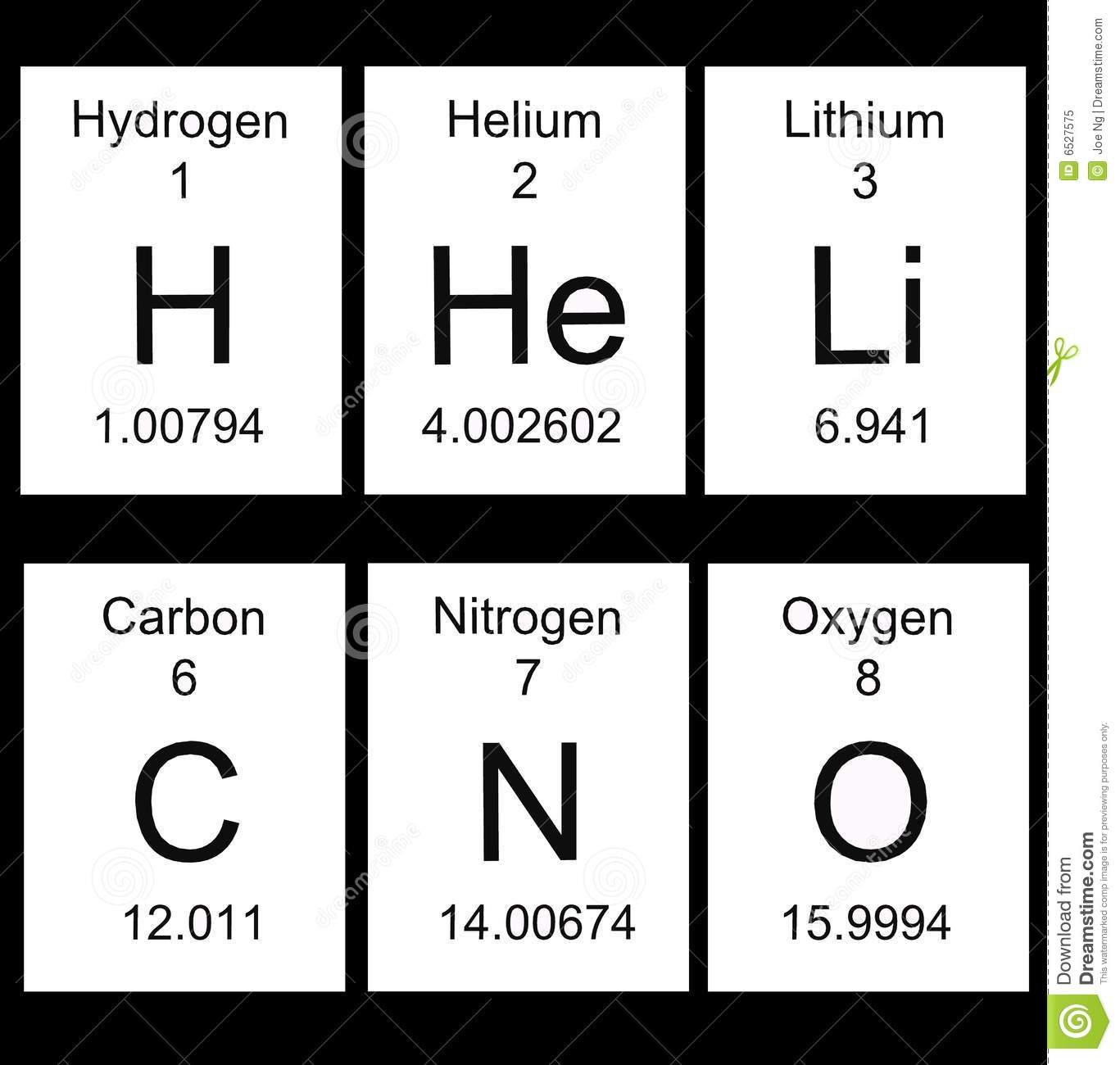
The number at the top of each square on the periodic table is the ...
a)
atomic number
b)
atomic mass
c)
Chemical Symbol
d)
Element Name
40.
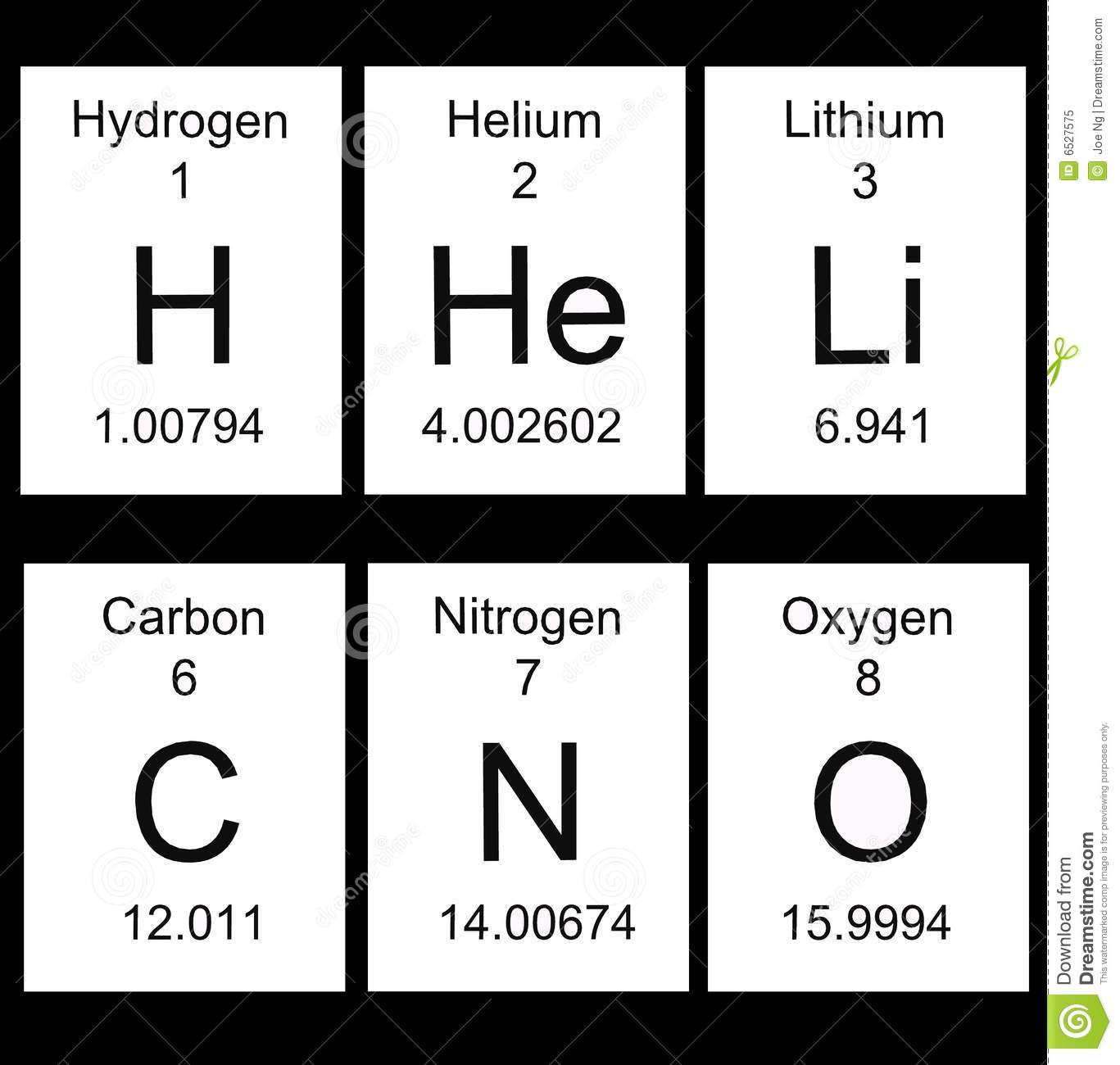
What is the chemical symbol for Lithium?
a)
H
b)
He
c)
Li
d)
N
41.

How did Mendeleev arrange the elements?
a)
alphabetical
b)
density
c)
melting point
d)
atomic mass
42.

What is the net force?
a)
65 N left
b)
65 N right
c)
35 N left
d)
35 N right
43.

"An object in motion (or at rest) will to stay in motion (or at rest) until an outside force acts upon it."
a)
Newton's 1st Law
b)
Newton's 2nd Law
c)
Newton's 3rd Law
d)
Newton's 4th Law
44.
When forces are _________ the object DOES NOT move.
a)
unbalanced
b)
balanced
c)
heavy
d)
light
45.
What is the unit to MEASURE force?
a)
Kilogram
b)
Meter
c)
Pascal
d)
Newton
46.

What does this graph represent?
a)
Constant speed
b)
Acceleration
c)
Not moving
47.
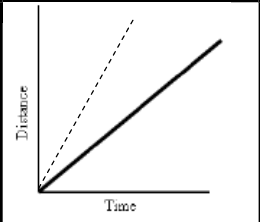
What does this graph represent?
a)
Constant Speed
b)
Acceleration
c)
Not moving
48.

a)
2
b)
8
c)
3
d)
13
49.

a)
2
b)
6
c)
10
d)
16
100 %

