
 Worksheets
MOnthlt Test Ch 7G Matter
Total questions: 50
Worksheet time: 2hrs 36mins
What is matter?
Anything that has mass and occupies space.
Anything that has weight
Anything not useful


Water can exist as solid, liquid or gas. Which picture shows water as a liquid?


When a slice of pizza is eaten what changes about the whole pizza?
the taste
the smell
the shape
the color

Alex ripped a piece of paper in half. The size and shape of the paper changed.
True
False
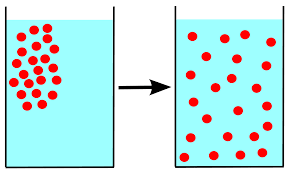
The picture below is an example of _________________.
osmosis
isotonic
diffusion
active transport
Diffusion is the movement of molecules from an area of _____ concentration to an ______ concentration
High, low
Low, high
Low, low
High, high
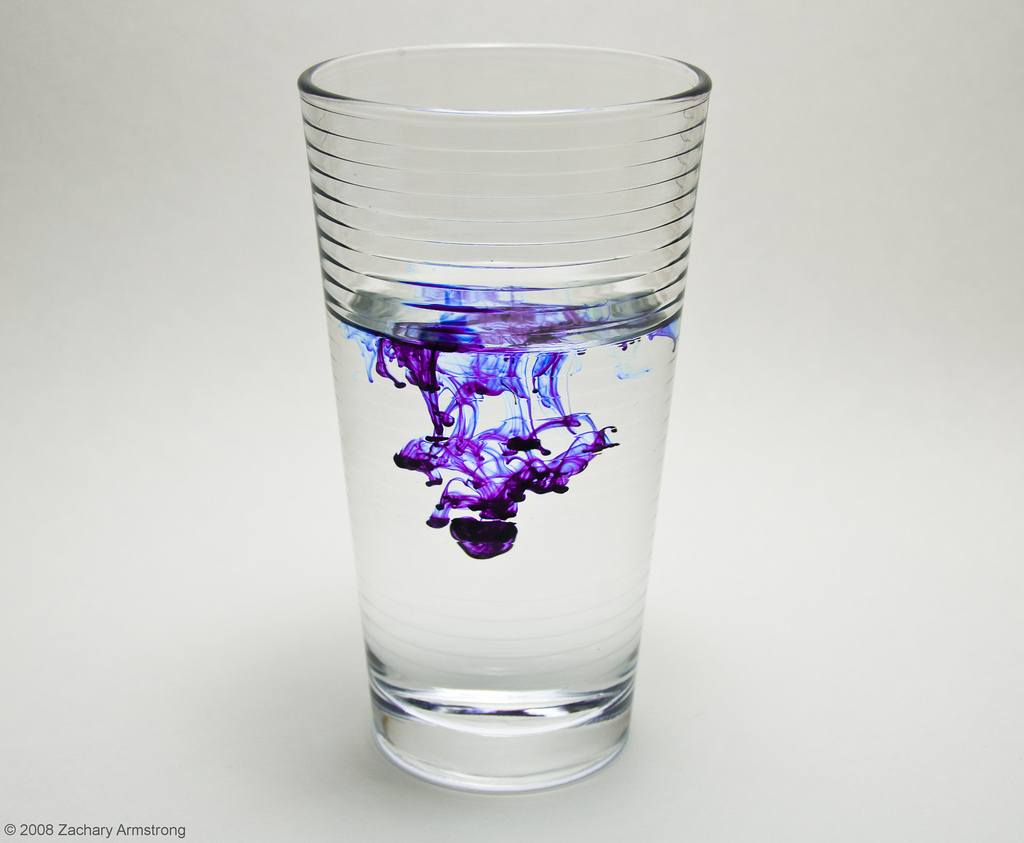
Where is there a low concentration of dye?
at the bottom of cup
in the color
at the top of cup
no concenteraion gradient
The movement of particles is __________, resulting in the particles being spread throughout the container
Structured
In a straight line
Random
In curved, way motions
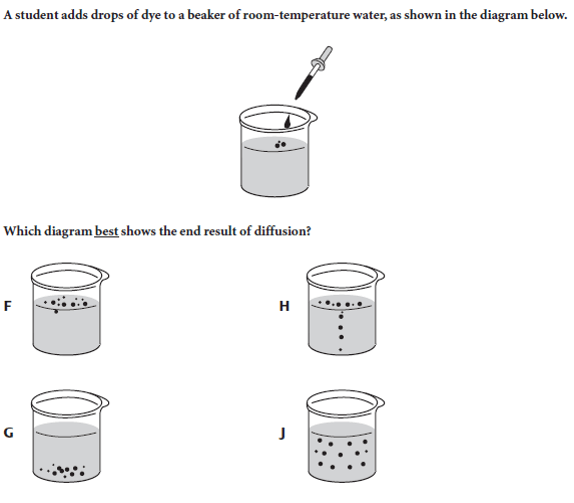
When does diffusion stop?
After a day and a night
When the particles are evenly spread out
When there are no particles left
When all the particles leave the system
Diffusion occurs only in solids
True
False
Diffusion can occur in solids, liquids and gaseous materials
True
False
What causes diffusion?
The constant, random motion of molecules
Magnetic attraction between atoms
The nuclear forces that hold atoms together
The tendency of atoms to form chemical bonds with one another
From fastest to slowest rate of diffusion, which of the following is in the correct sequence?
Solids, liquids, gases
Liquids, gases, solids
Gases, liquids, solids
Gases, solids, liquids
Which of the following will diffuse the fastest?
A tablespoon of sugar in a glass of water
Heat through a solid piece of steel
A pinch of salt in a glass of water
The smell of bacon cooking throughout a room
who investigated Brownian motion?
Robert Charles
Charles Darwin
Robert norman
Robert brown

A pollen grain in a beaker of still water is viewed through a microscope. Which diagram shows the most likely movement of the pollen grain?
A
B
C
D
A student makes an observation using a microscope. He observed some particles which were moving in a zig-zag way. What particles could these NOT be?
Smoke particles in air
Dust particles in a room
Pollen grains in water
Molecules in a solid bar of steel
Which of the following does NOT describe Brownian motion?


Light and fast moving particles can move heavier particles. Which one is a correct example of the light and the heavy particle?
Light : air molecule, Heavy : water molecule
Light : air molecule, Heavy : smoke particle
Light : smoke particle, Heavy : air molecule
Light : pollen grain , heavy : water molecule
What evidence does Brownian motion provide about molecules of a gas or liquid?
Molecules are close together
Molecules are far apart
Molecules move continously but randomly
Molecules move continously and randomly
What is an example of Brownian motion?
The movement of water molecules in a beaker
The movement of air molecules
The movement of solid molecules
The movement of smoke particles in air
Pollen grains suspended in water exhibit Brownian motion. How do they move?
In smooth curves
Randomly
Orderly with a pattern
In straight lines with no change of direction

Pressure in gases is a measure of:
the number of collisions per second of the particles with the side of the container.
The size of the particles inside a container.
the amount of space taken up by the particles in the container.
How much stress they can take before having a stroke.
Pressure is increased ...
when less particles hit the side
when more particles hit the side
Which of these is under greater pressure?


The pressure inside the balloon will:
Decrease
Increase
Remain the same
Not enough information to formulate an answer

We can increase the pressure of a gas by:
Adding more gas.
Reducing the volume of the container.
Increasing the temperature of the gas.
All other options are incorrect.
Why do weather balloons increase in size as they climb the atmosphere?
Because the gas pressure inside the balloon is higher than outside. This pushes its walls towards the outside.
Because the gas pressure inside the balloon is lower than outside. This pushes its walls towards the outside.
Because the gas pressure inside the balloon is lower than outside. This pushes its walls towards the inside.
Because the lower temperature at high altitudes causes the balloon's latex body to expand
why does increased temperature cause an increase in pressure
kinetic energy increases which causes more collisions
kinetic energy decreases which causes less collisions
there are no collisions
that's not what happens

