
 Worksheets
The Periodic Table & Chemical Bonding
Total questions: 40
Worksheet time: 38mins
Which statement best describes the relationship between atoms & molecules.
molecules are made of atoms that are chemically bonded together.
atoms are made of molecules that are chemically bonded together.
molecules are made of a mixture of atoms and compounds.
atoms are made of protons, neutrons & electrons.

Which statement describes the model that shows a compound.
Model X shows a compound because there are two different types of atoms
Model X shows a compound because two different atoms are chemically bonded together.
Model Y dhows a compound because there is more than one type of atom.
Model Y shows a compound because each pair of matching atoms can form a chemical bond.
What do ionic bonds and covalent bonds have in common?
Both types of bonds create new substances
Both types of bonds involve valence electrons.
Electrons are transferred from one atom to another in both types of bonds.
Electrons are shared between atoms in both types of bonds.

Which is the correct chemical formula for ammonia?
NH
N3H3
N-3H+3
NH3
Which statement is true?
The bigger an atom, the more electrons it will share in a bond.
The smaller an atom, the more electrons it will share in a bond.
The more valence electrons two atoms share, the stronger the bond is between those atoms.
The more valence electrons two atoms share, the weaker the bond is between those atoms.

What does this image show?
three single covalent bonds
one triple covalent bond
three single ionic bonds
one triple ionic bond
How many dots would there be in an electron diagram for silicon, one of the group 14 elements?
2
4
8
14
Which statement is false?
Molecules are made of atoms.
Some compounds are made of covalent molecules.
Some compounds are made of ions.
Elements are made of molecules.

What would cause fluorine to have the same electron configuration as a noble gas?
gaining one electron
losing one electron
losing two electrons
gaining two electrons
Which two elements are likely to form an ionic bond?
an atom with 1 valence electron and an atom with 8 valence electrons
an atom with 4 valence electron and an atom with 6 valence electrons
an atom with 2 valence electrons and an atom with 6 valence electrons
an atom with 7 valence electrons and another atom with 7 valence electrons

What is represented in each block of the periodic table?
one molecule
one element
one ion
one electron

What is indicated by the number above the symbol in each block of the periodic table?
the number of valence electrons and protons per neutral atom
the total number of electrons and protons per neutral atom
the number of valence electrons per ion
the total number of electrons per ion

From left to right, what is the order of sections on a periodic table?
nonmetals, metalloids, and metals
metals, nonmetals, and metalloids
metalloids, metals, and nonmetals
metals, metalloids, and nonmetals
What is a common property of nonmetals and covalent compounds?
poor conductors
good conductors
high melting point
high boiling point
What information does a chemical formula provide?
A chemical formula provides the number of electrons in an element.
A chemical formula provides the type and amount of elements that make up a compound.
A chemical formula provides the structure of an atom.
A chemical formula provides the boiling point of a molecule.

What group is Nitrogen in?
3
5
15
18
In the formula H2O, what does the number 2 indicate?
There are two atoms of hydrogen in this molecule.
Each hydrogen atom loses two electrons to the oxygen atom.
Each hydrogen atom gains two electrons from the oxygen atom.
Two atoms each of hydrogen and oxygen are in this molecule.
Which of the following is formed between atoms when they share electrons?
ionic bond
covalent bond
electrical bond
james bond

polar bonds form when valence electrons are shared __________.
equally
unequally

Which 2 elements would form an ionic compound?
Lithium and Chlorine
Carbon and Oxygen
Sodium and Calcium
Neon and Argon
Which 2 elements would form an covalent compound?
Lithium and Chlorine
Carbon and Oxygen
Sodium and Calcium
Neon and Argon
Ionic Bonding involves...
The transfer of electrons from nonmetals to metals
The transfer of neutrons from metals to nonmetals
The transfer of electrons from metals to nonmetals
The transfer of protons from nonmetals to metals

What is the number of valence electrons for Oxygen?
8
6
16
2
Which of the following is a property of metals.
good conductor
poor conductor
low melting point
Which of the following describes how metals bond together.
electron sharing
electron pooling
electron transfer
electron destruction
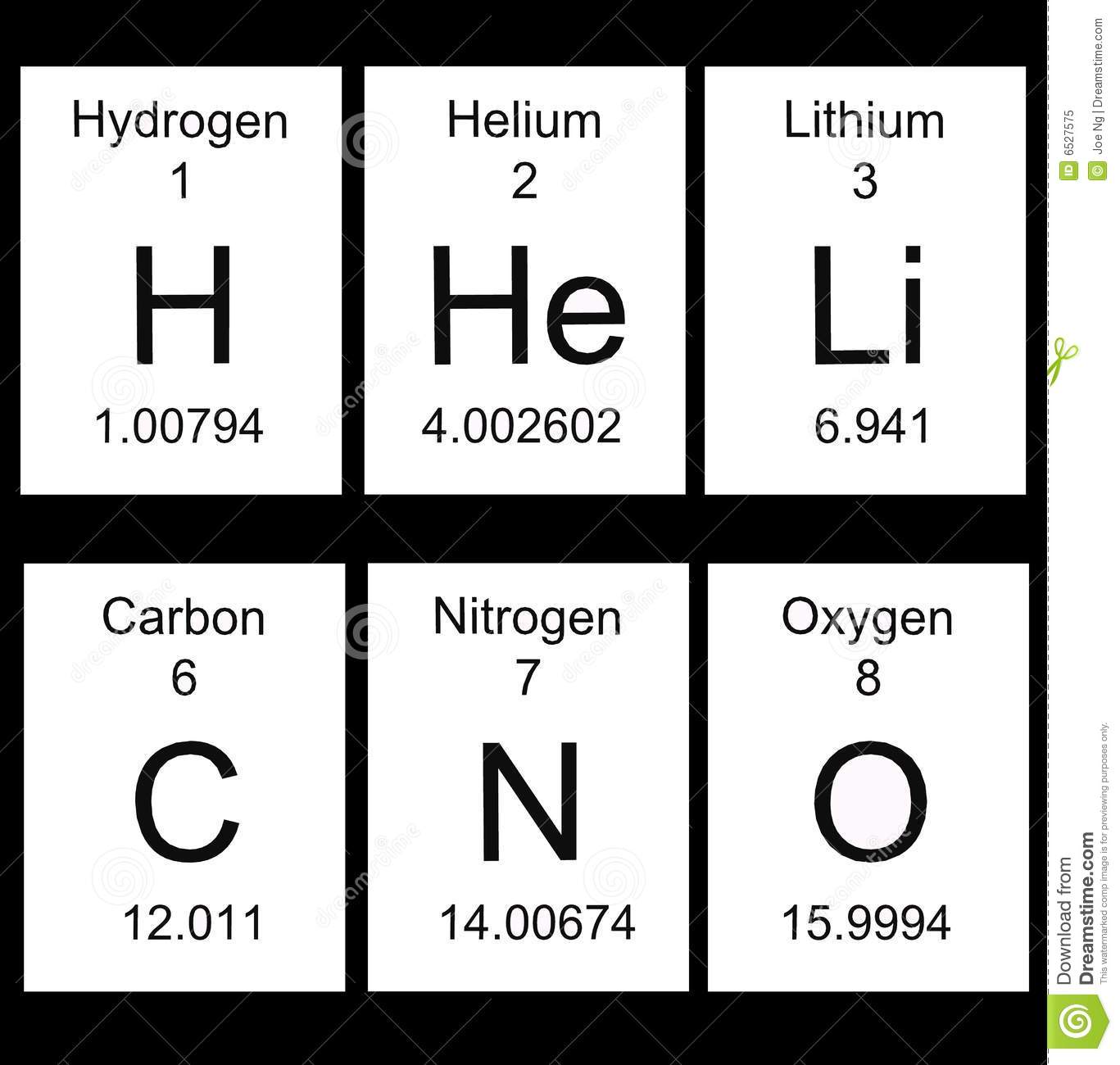
When Oxygen forms a stable ion it has a charge of _____ because it _____ two valence electrons.
-2, gained
-2, lost
+2, gained
+2, lost
When Sodium (Na) forms a stable ion it has a charge of _____ because it _____ a valence electron.
+1, gained
-1, lost
-1, lost
+1, lost

What makes an atom stable?
a full outer shell of electrons
equal amounts of protons & electrons
kit kats
to be loved
Label the following item

What is the main difference between a compound and a mixture?
Compounds are chemically bonded; mixtures do not.
Mixtures can only be separated by chemical means.
Compounds can be separated by physical means.
Mixtures have a chemical bond between their components.


How many more electrons are needed to complete the outer energy level of a Phosphorus (P) atom?
only 1 more electrons
only 3 more electrons!
8 more electrons!
none!

