
 Worksheets
Ecology Practice Test 1 Vocabulary Biology End of Course Exam
Total questions: 20
Worksheet time: 20mins
Name
Class
Date
1.
A producer?
a)
Eats other plants and animals
b)
Makes its own food
c)
Eats dead plants or animals
d)
Makes toys for kids
2.
A consumer?
a)
Makes its own food
b)
Eats dead plants and animals
c)
Eats plants and other animals for energy
d)
Buys toys for kids
3.
A decomposer?
a)
Eats dead plants or animals and breaks down to put nutrients in the soil
b)
Eats plants or other animals for food
c)
Makes its own food
d)
Machine that gathers trash
4.

Cactus. Is it a.....
a)
Producer
b)
Consumer
c)
Decomposer
5.
This organism draws its nutrients from dead organisms as it releases enzymes to cause the organisms to break down and break apart. Is it a...
a)
Producer
b)
Consumer
c)
Decomposer
6.

__________ is an organism that only eats plants for energy.
a)
Carnivore
b)
Herbivore
c)
Omnivore
d)
Terivore
7.

__________ is an organism that only eats meat for energy.
a)
Omnivore
b)
Borivore
c)
Herbivore
d)
Carnivore
8.

__________ is an organism that eats BOTH plants and animals for energy.
a)
Omnivore
b)
Darnivore
c)
Carnivore
d)
Herbiovre
9.

Humans are...
a)
Omnivores
b)
Peepivores
c)
Herbivores
d)
Carnivores
10.
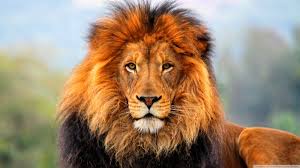
Lions only eat buffalo, antelopes, zebras and crocodiles. They are called __________.
a)
Omnivore
b)
Herbivore
c)
Carnivore
d)
Delivore
11.
An organism that is killed and eaten by another organism
a)
Predator
b)
Prey
c)
Competition
d)
Adaptation
12.
The organism that does the killing in a predation interaction
a)
Predator
b)
Prey
c)
Competition
d)
Adaptation
13.

Cattle egrets forage (feed) in fields among cattle. The egret gets easy access to flying insects stirred up by the cattle, and the cattle don't care if they are there or not.
a)
mutualism
b)
commensalism
c)
competition
d)
parasitism
14.
A relationship between two organisms in which one organism benefits and the other is unharmed...
a)
Mutualism
b)
Competition
c)
Parasitsm
d)
Commensalism
15.
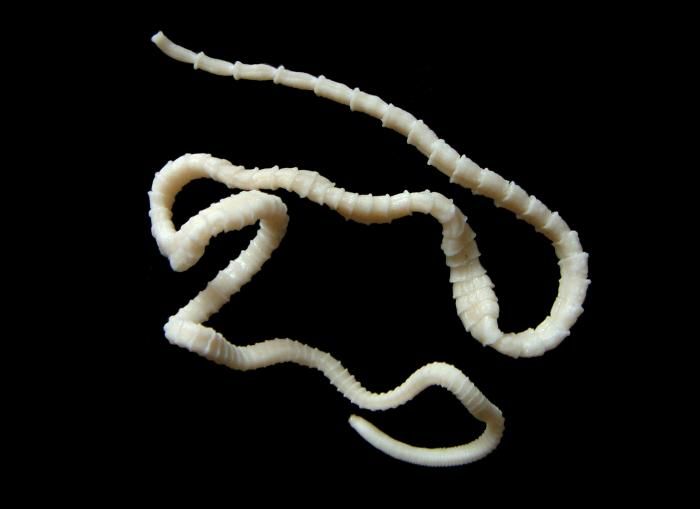
A tapeworm and a cat have this type of relationship.
a)
mutualism
b)
parasitism
c)
commensalism
d)
competition
16.
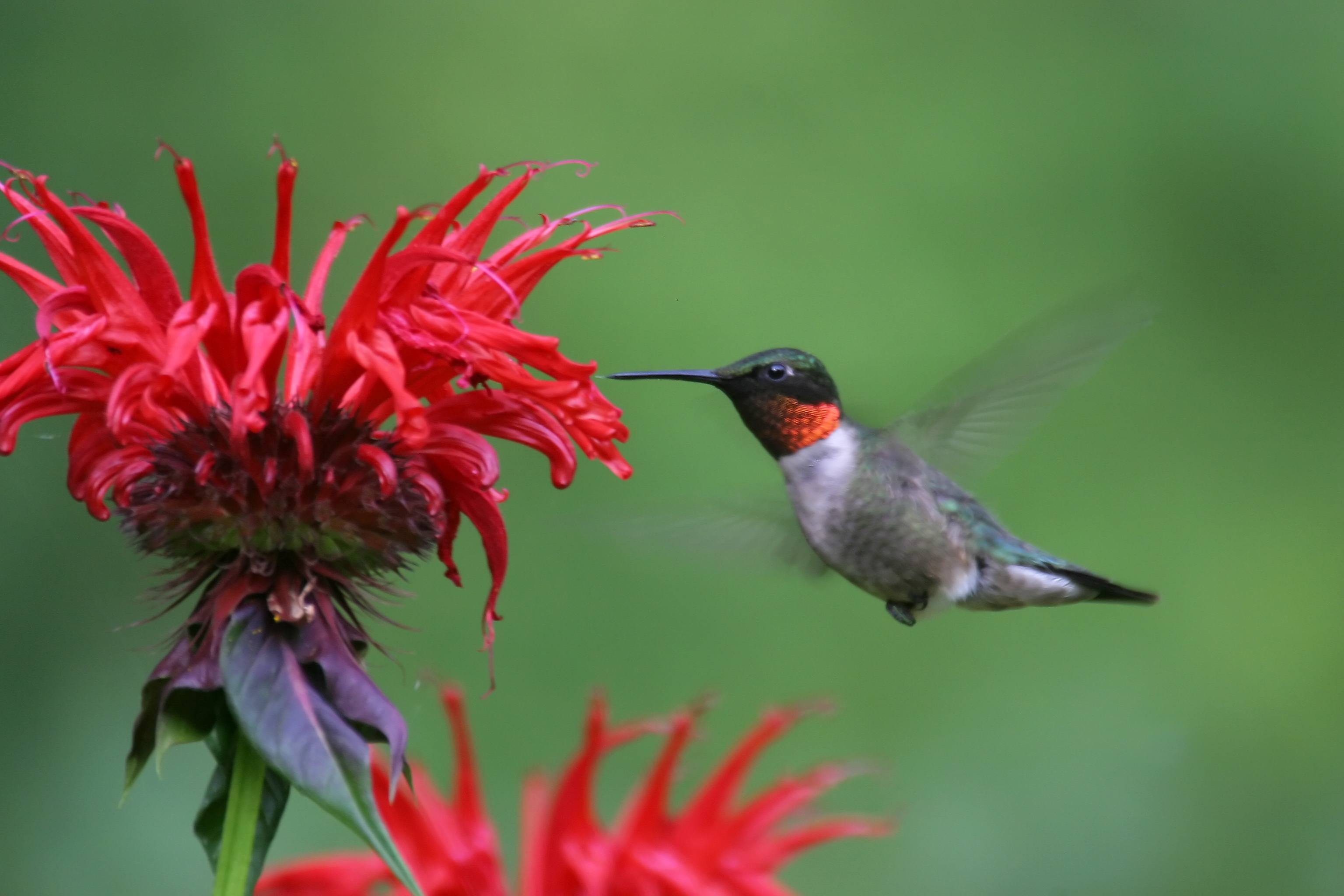
What type of symbiosis? Hummingbirds feed on nectar from flowers. The flowers are pollinated by hummingbirds as they move from flower to flower.
a)
commensalism
b)
mutualism
c)
parasitism
d)
predation
17.
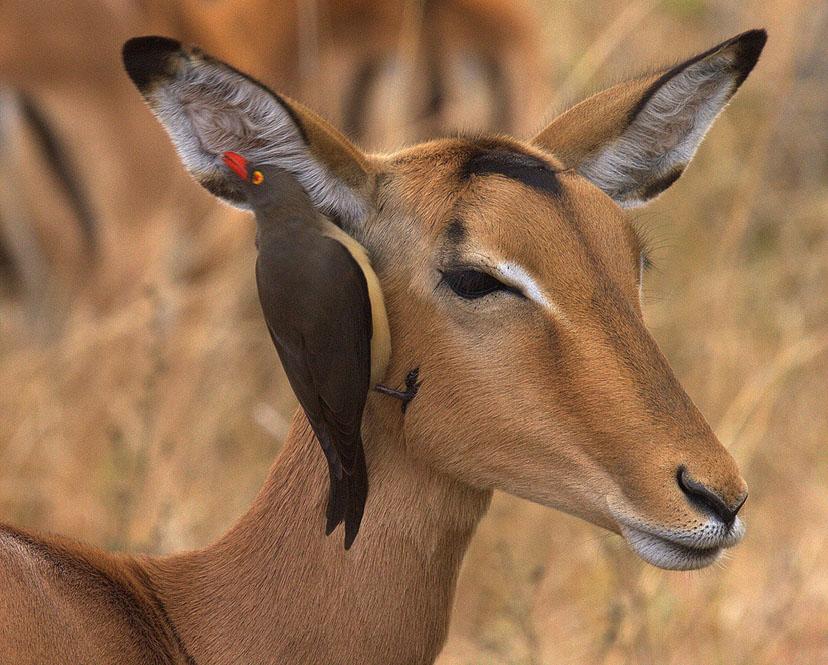
Red-billed oxpeckers are birds that often feed on parasites that infest impala. This is an example of _______.
a)
commensalism
b)
mutualism
c)
neutralism
d)
competition
18.
What is the relationship between two organisms in an ecosystem?
a)
symbiosis
b)
mutualism
c)
commensalism
d)
parasitism
19.
What happens when an environment reaches its carrying capacity?
a)
Populations will decrease
b)
Resources such as food, water, and space will be unlimited
c)
Populations will increase
d)
Nothing, everything will stay the same.
20.
Food, water, sunlight, shelter, and space are resources that are __________.
a)
limiting factors
b)
wet
c)
messy
d)
found in rocks
100 %

