
 Worksheets
Atmosphere + Winds Review
Total questions: 47
Worksheet time: 57mins
Name
Class
Date
1.
The air in the troposphere has a greater density than the air in any other layer of the atmosphere,
a)
True
b)
False
2.
Temperature in the stratosphere warms as altitude increases.
a)
True
b)
False
3.
Temperature decreases as altitude increases in the Thermosphere.
a)
True
b)
False
4.
Which layer of the atmosphere contains the greatest amount of water vapor?
a)
Thermosphere
b)
Troposphere
c)
Mesosphere
d)
Stratosphere
5.
In which layer of the atmosphere does weather occur?
a)
Mesosphere
b)
Thermosphere
c)
Stratosphere
d)
Troposphere
6.
What causes the temperature to increase in the stratosphere?
a)
Nitrogen
b)
Ozone
c)
Water Vapor
d)
carbon dioxide
7.
What decreases as you go up in the atmosphere?
a)
Altitude
b)
Atmosphere
c)
Meteors
d)
Air Pressure
8.
What is the lowest main layer of Earth's atmosphere?
a)
Thermosphere
b)
Troposphere
c)
Stratosphere
d)
Mesosphere
9.
What is the outer most main layer of Earth's atmosphere?
a)
Thermosphere
b)
Troposphere
c)
Stratosphere
d)
Mesosphere
10.
What is the second lowest main layer of Earth's atmosphere?
a)
Thermosphere
b)
Troposphere
c)
Stratosphere
d)
Mesosphere
11.

Where is the altitude the greatest?
a)
1
b)
2
c)
3
d)
4
12.

Where is the air pressure the greatest?
a)
1
b)
2
c)
3
d)
4
13.

Where is the temperature the highest?
a)
1
b)
2
c)
3
d)
4
14.
James plans to climb to the top of Mount Everest. Which of the following statements about his climb will be the most accurate?
a)
Air pressure will rise and the temperature on a thermometer will increase.
b)
Air pressure will fall and the temperature on a thermometer will decrease.
c)
Air pressure will rise and the temperature on a thermometer will decrease.
d)
Air pressure and thermometer will not change.
15.
Which of the following is the correct order of the atmosphere layers from Earth to space?
a)
troposphere, stratosphere, mesosphere, thermosphere, exosphere
b)
troposphere, mesosphere, thermosphere, exosphere, stratosphere
c)
thermosphere, stratosphere, mesosphere, troposphere, exosphere
d)
troposphere, stratosphere, mesosphere, exosphere, thermosphere
16.
Airplanes fly in which layers of the atmosphere?
a)
Troposphere, Stratosphere, and Mesosphere
b)
Stratosphere and Mesosphere
c)
Troposphere and Stratosphere
d)
Troposphere Stratosphere, Mesosphere, and Thermosphere
17.
Which layer of the atmosphere do most satellites orbit the Earth?
a)
Stratosphere
b)
Mesosphere
c)
Exosphere
d)
Ionosphere
18.
Which layer contains the least number of molecules (mainly hydrogen and helium)?
a)
Thermosphere
b)
Exosphere
c)
Troposphere
d)
Stratosphere
19.
Atmospheric pressure _________________ with ________________altitude.
a)
Decreases with increased
b)
Increases with decreased
c)
Decreases with decreased
d)
Increases with increased
20.
The density of our atmosphere _____________ with an increase in altitude.
a)
Increases
b)
Gets greater
c)
Decreases
d)
Gets heavier
21.
Which layer protects the earth from meteoroids?
a)
Troposphere
b)
Stratosphere
c)
Mesosphere
d)
Thermosphere
22.
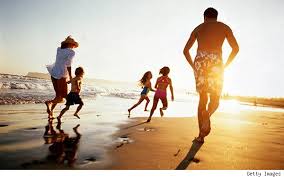
The sun shines down on this family as the play on the beach.
a)
conduction
b)
convection
c)
radiation
23.

A group of friends gather around a fire to stay warm.
a)
conduction
b)
convection
c)
radiation
24.
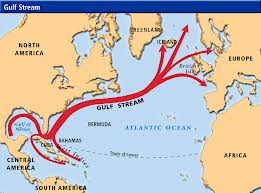
The Gulf Stream is a current that brings warm ocean water from the south to the north.
a)
conduction
b)
convection
c)
radiation
25.

Walking on the warm sand sand with your bare feet.
a)
conduction
b)
convection
c)
radiation
26.
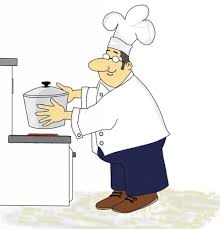
The man goes to take the hot pot off the stove with his bare hands.
a)
conduction
b)
convection
c)
radiation
27.
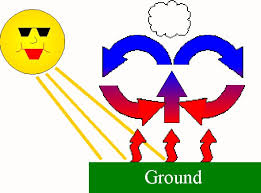
Warm air rises and the cool air sinks.
a)
conduction
b)
convection
c)
radiation
28.
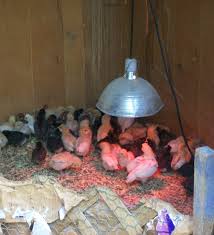
The baby chickens are kept warm from the heat lamps.
a)
conduction
b)
convection
c)
radiation
29.

In some cultures, walking on fire is the ultimate sign of strength.
a)
conduction
b)
convection
c)
radiation
30.

In this experiment, the WARM red dye and the COLD blue dye was placed in the water at the same time. The warm red dye rose to the top while the cold blue dye sank to the bottom.
a)
conduction
b)
convection
c)
radiation
31.

Heat transfers from an area of ____temperature to an area of ___ temperature.
a)
high to low
b)
low to high
c)
high to high
32.

The chocolate bunny and the iron.
a)
conduction
b)
convection
c)
radiation
33.

The chocolate bunny and the lamp.
a)
conduction
b)
convection
c)
radiation
34.
A device that is used to measure atmospheric pressure is a ___________.
a)
barometer
b)
thermometer
c)
kilometer
d)
micrometer
35.
As the air is warmed how does it density change?
a)
It increases (Sinks)
b)
It Remains the same
c)
It decreases (Rises)
36.
What happens to air pressure as you move upward into the atmosphere?
a)
increases
b)
decreases
c)
stays the same
37.
Density of air is greater ________.
a)
at the top of the mountain
b)
at the bottom of the mountain
c)
at the center of the mountain
38.
If density of air is high, pressure is:
a)
high
b)
low
39.
What is caused by differences in air pressure?
a)
Time
b)
Precipitation
c)
Clouds
d)
Wind
40.
Trade winds – blow _____________.
a)
from the West
b)
from the East
c)
toward the East
d)
toward the North
41.
Westerlies – blow ______________.
a)
from the East
b)
toward the West
c)
from the West
d)
from the South
42.
At the poles, air is usually ________.
a)
rising
b)
sinking
43.
At the equator the air is usually ________.
a)
rising
b)
sinking
44.
Polar Easterlies – blow __________.
a)
from the West
b)
from the East
c)
toward the North
d)
toward the East
45.
movement of air from land to sea at night, created when cooler, denser air from the land forces up warmer air over the sea
a)
sea breeze
b)
low pressure
c)
altitude
d)
land breeze
46.
movement
of air from sea to land during the day when cooler air from above the
water moves over the land, forcing the heated, less dense air above the
land to rise
a)
wind
b)
land breeze
c)
sea breeze
d)
low air pressure
47.
air always wants to move to an area of
a)
high pressure
b)
lower altitude
c)
warm air
d)
low pressure
100 %

