
 Worksheets
Milestones Review-Matter
Total questions: 67
Worksheet time: 48mins
Name
Class
Date
1.
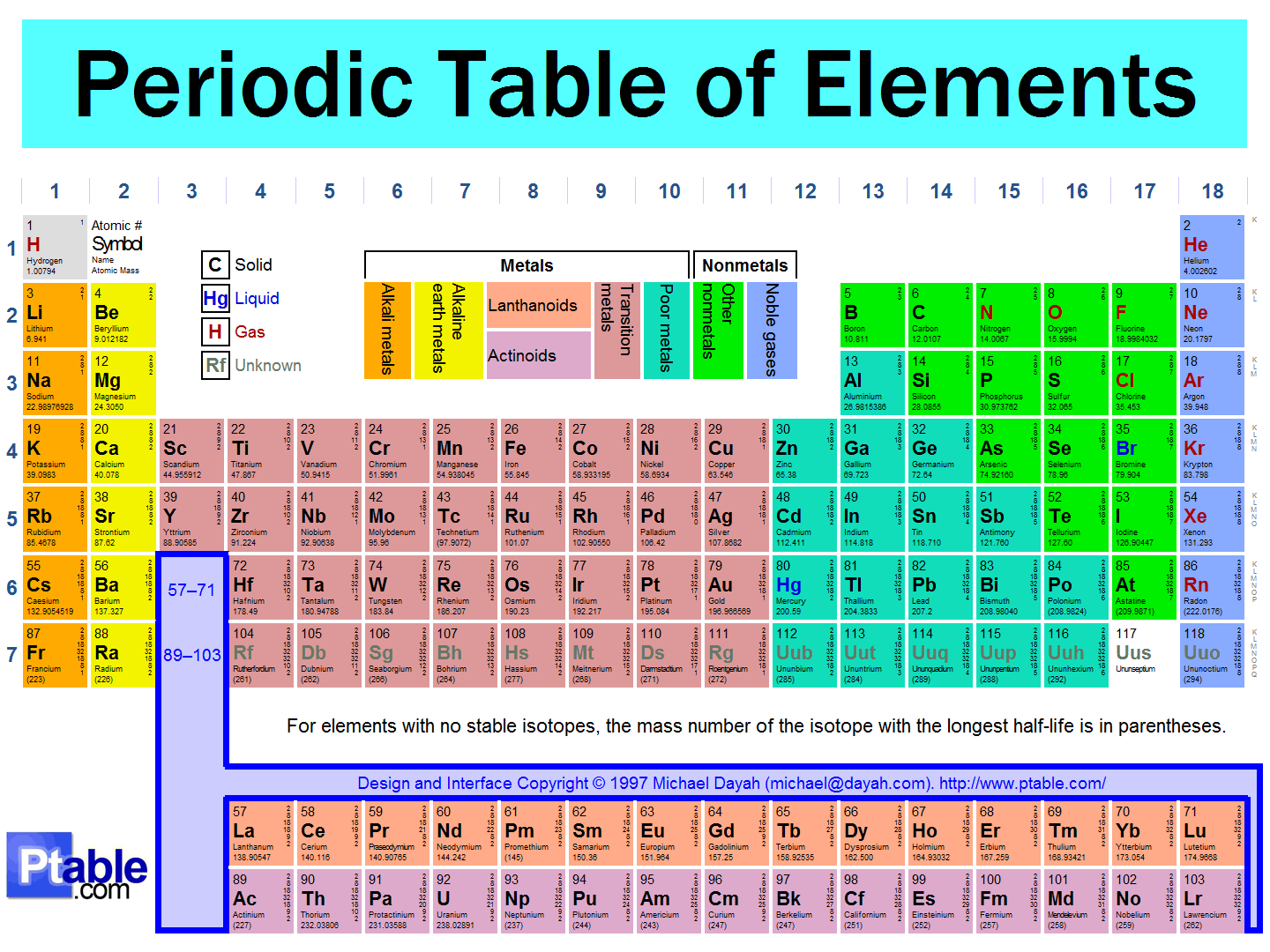
The horizontal row on the periodic table is called a
a)
group
b)
family
c)
period
d)
atomic number
2.

A vertical column is called...
a)
group
b)
tower
c)
period
d)
crew
3.

Which of the following is the most metallic element in period 3?
a)
Boron (B)
b)
Sodium (Na)
c)
Argon (Ar)
d)
Silicon (Si)
4.

Which of these element is the least metallic?
a)
Potassium (K)
b)
Carbon (C)
c)
Sulfur (S)
d)
Neon (Ne)
5.
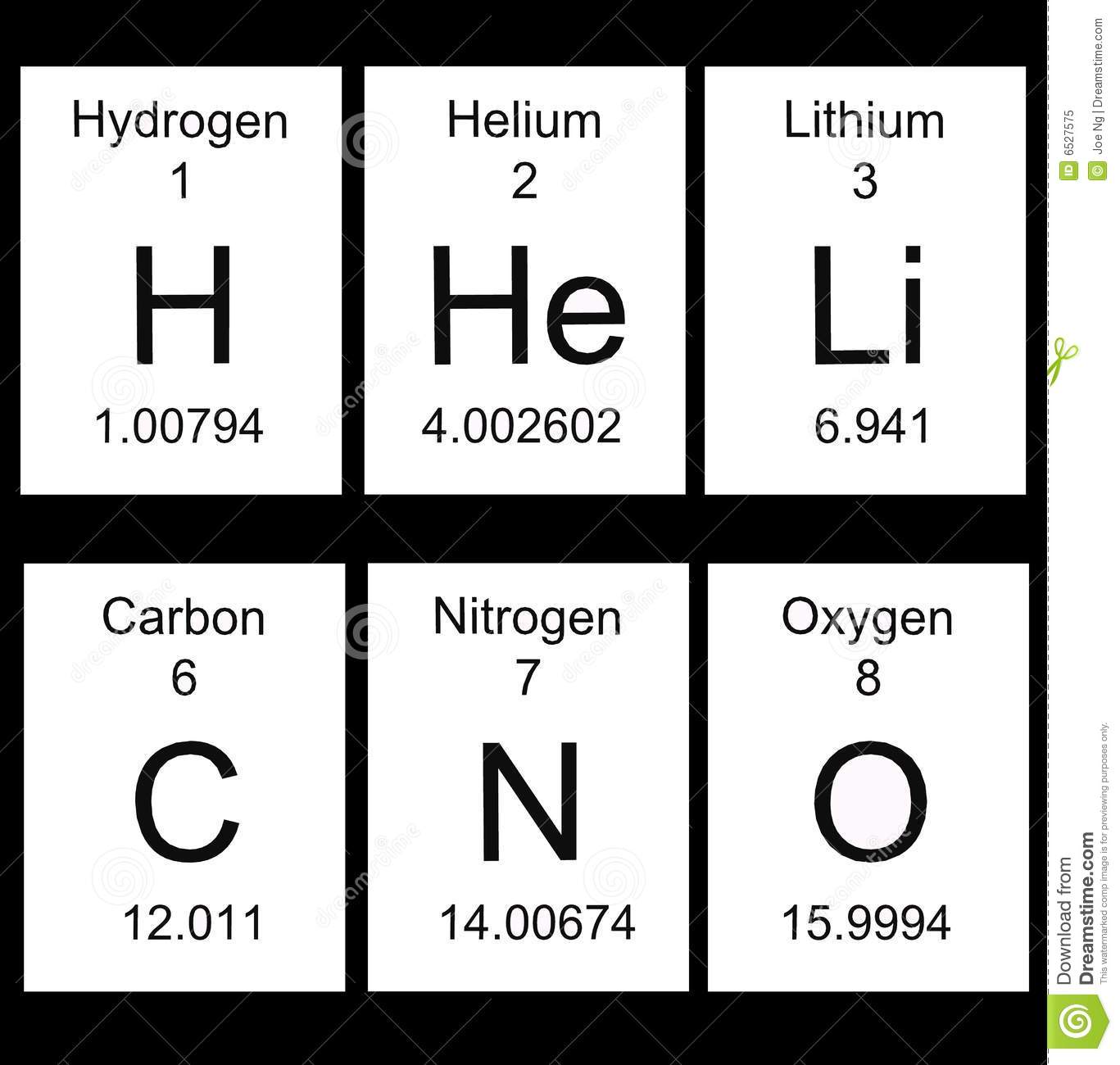
The number at the bottom of each square on the periodic table is the ...
a)
atomic number
b)
atomic mass
c)
chemical symbol
d)
element name
6.
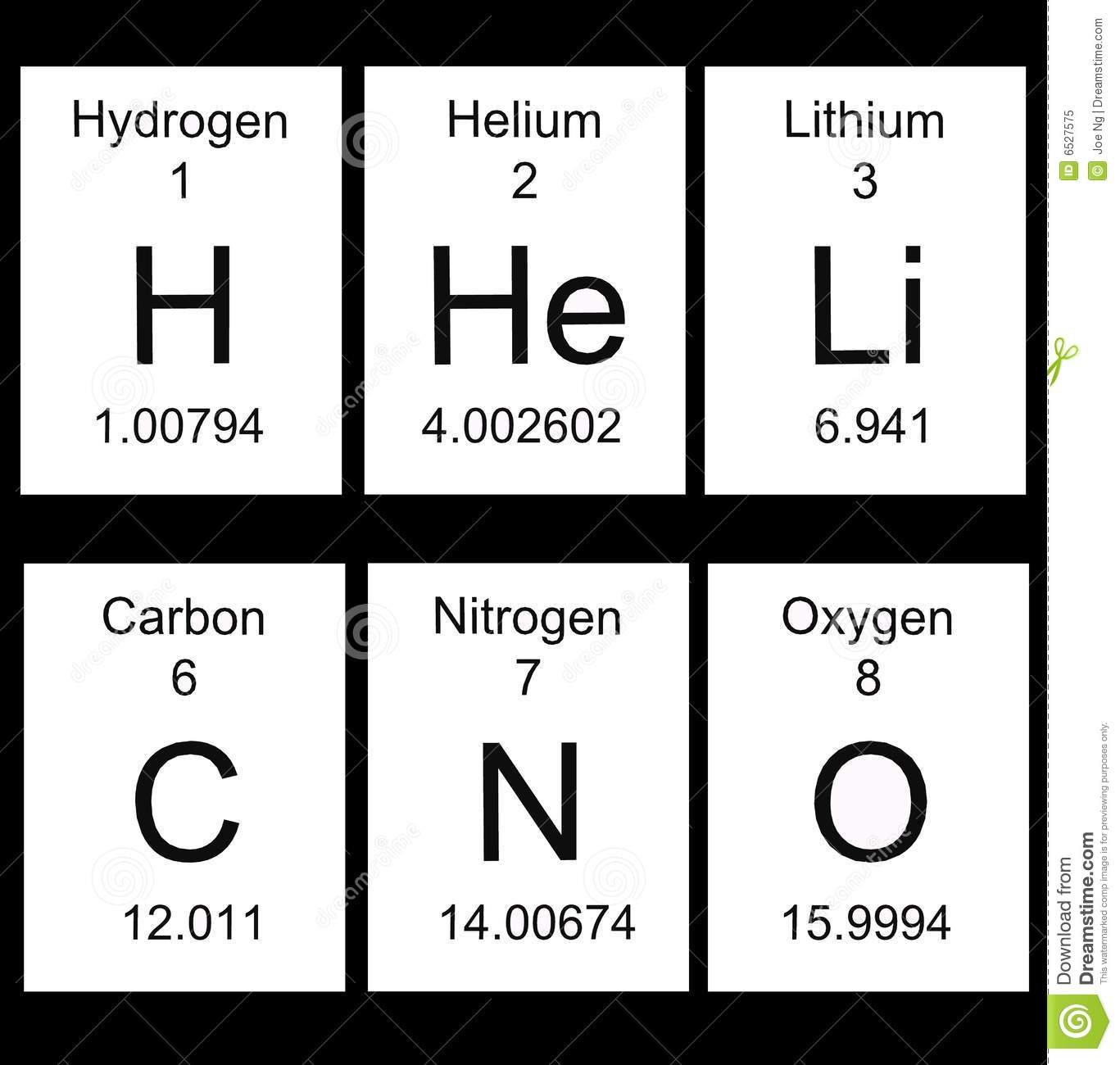
The number at the top of each square on the periodic table is the ...
a)
atomic number
b)
atomic mass
c)
Chemical Symbol
d)
Element Name
7.
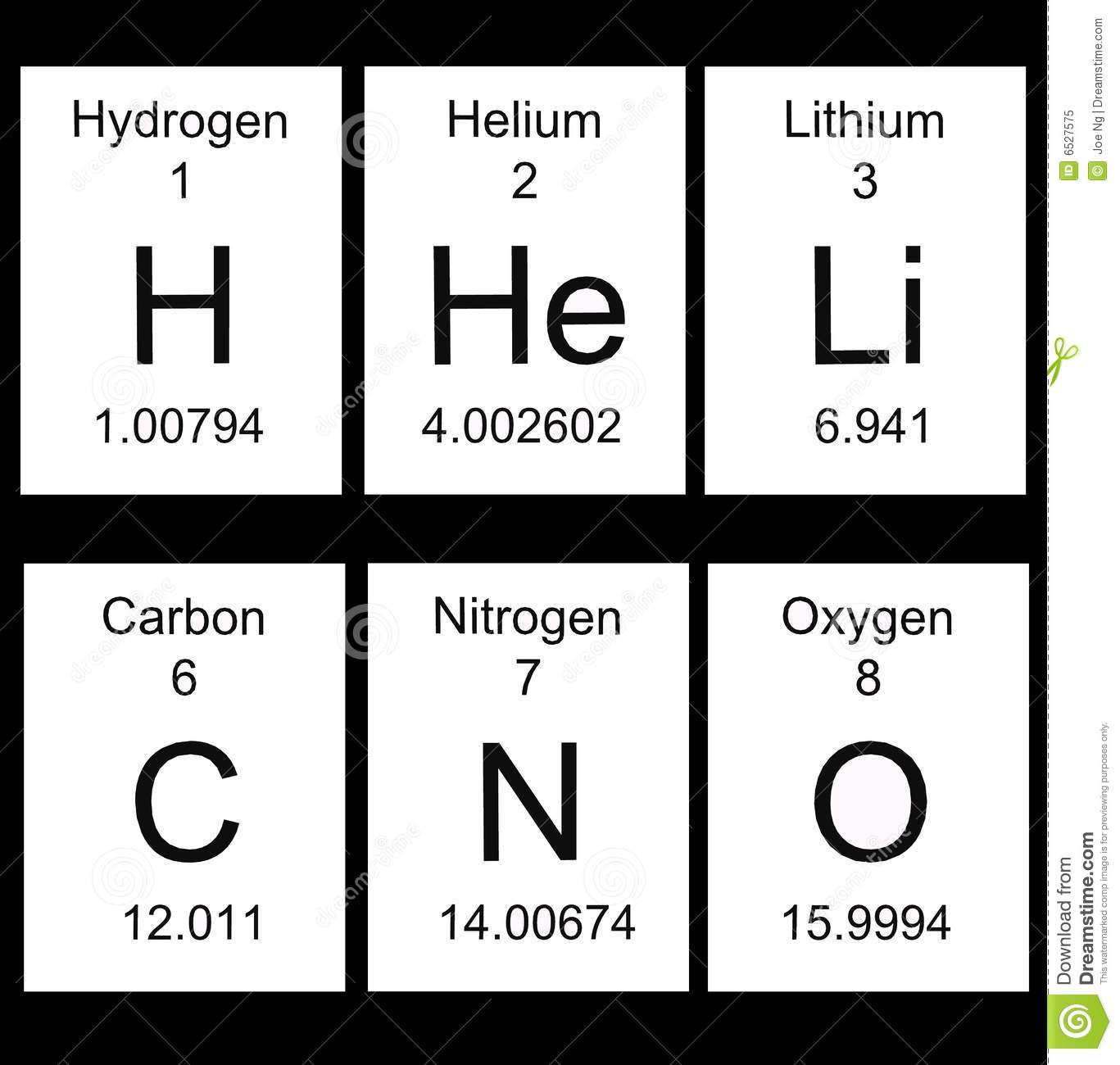
What is the chemical symbol for Lithium?
a)
H
b)
He
c)
Li
d)
N
8.

Most of the elements on the periodic table are classified as _____.
a)
Metals
b)
Nonmetals
c)
Metalloids
d)
Periods
9.
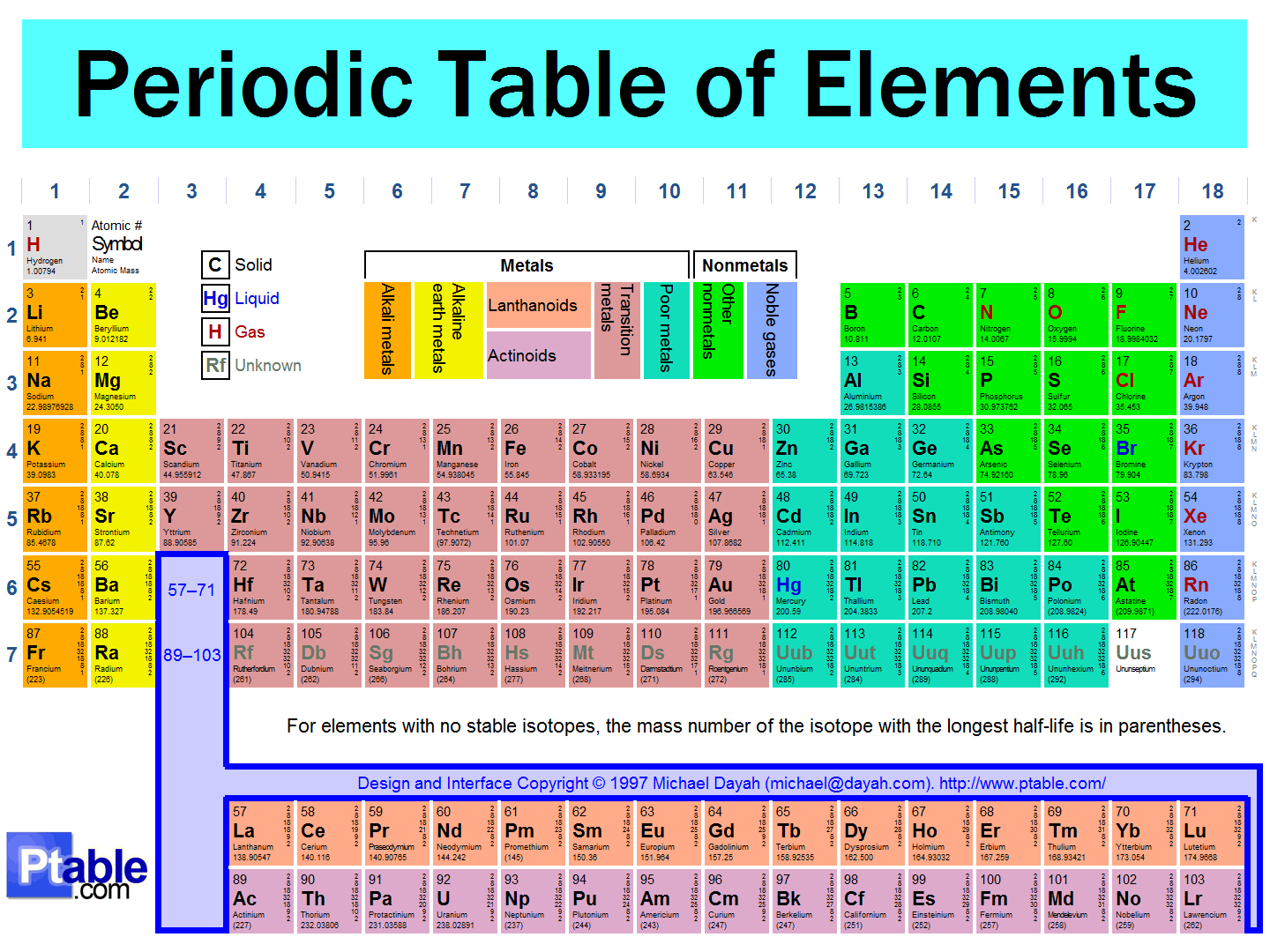
This class of elements are sometimes called "semiconductors."
a)
Metals
b)
Nonmetals
c)
Metalloids
d)
Groups
10.
The atomic number tells you what?
a)
number of electrons
b)
number of protons
c)
number of neutrons
d)
both electrons and protons in an atom.
11.
Which group of the periodic table is composed of inert (not reactive) gases?
a)
alkali metals
b)
alkaline earth metals
c)
halogens
d)
noble gases
12.
Elements which are shiny, conduct electricity and heat are called
a)
metal
b)
nonmetal
c)
metalloid
d)
nonexistent
13.
Which element is not a metal?
a)
H
b)
Re
c)
Al
d)
B
14.
Elements in a ..................have similar chemical properties.
a)
period
b)
group
c)
row
15.
The simplest substance is..?
a)
Carbon
b)
An element
c)
Water
d)
A simple compound
16.
A proton is....
a)
A negatively charged subatomic particle
b)
A positively charged subatomic particle
c)
A neutrally charged subatomic particle
d)
The only subatomic particle located in the nucleus
17.
A neutron has a charge of
a)
+2
b)
No charge
c)
-1
d)
+1
18.
Combination of two or more pure substances that are not chemically combined
a)
compound
b)
atom
c)
mixture
d)
element
19.
A pure substance that cannot be broken down into other substances by chemical or physical means.
a)
compound
b)
atom
c)
mixture
d)
element
20.
made up of one kind of matter and has a definite set of properties
a)
compound
b)
atom
c)
mixture
d)
pure substance
21.
A mixture that is uniform and well mixed is _____.
a)
homogeneous
b)
hetergeneous
c)
pure substance
d)
compoud
22.
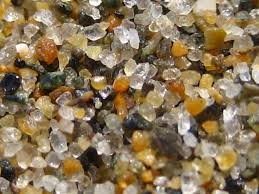
The picture shown here is what type of mixture?
a)
homogeneous
b)
hetergeneous
c)
pure substance
d)
element
23.
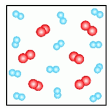
This diagram represents a _____.
a)
pure substance that is a compound
b)
mixture of elements
c)
pure substance that is an element
d)
mixture of compounds
24.

This diagram represents a _____.
a)
pure substance that is a compound
b)
mixture of elements
c)
pure substance that is an element
d)
mixture of compounds
25.
Which is the best set of tools to use for separating a mixture of water, sugar, and pebbles?
a)
a filter and a magnet
b)
a filter and a hot plate
c)
a magnet and a hot plate
d)
a settling tank and a filter
26.
Water is
a)
a pure substance
b)
a mixture
27.
You are eating a pizza. What type of mixture are you consuming?
a)
homogeneous
b)
heterogeneous
c)
pure substance
d)
The Periodic Table
28.
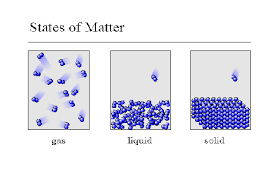
At higher temperatures
a)
particles in an object have less energy
b)
particles in an object move faster
c)
a gas contracts
29.
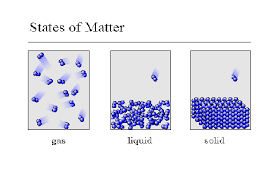
A gas
a)
has a definite shape but no definite volume
b)
has a definite volume but no definite shape
c)
has fast-moving particles
30.
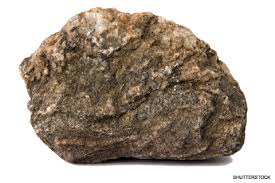
Which state of matter has tightly packed molecules?
a)
solid
b)
liquid
c)
gas
31.
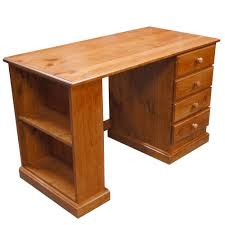
Which state of matter has a definite shape?
a)
solid
b)
liquid
c)
gas
32.
Define a liquid.
a)
Indefinite shape, indefinite volume
b)
Definite shape, definite volume
c)
Found in stars
d)
Definite volume, indefinite shape
33.
The state of matter that has no definite size or shape is
a)
Solid
b)
Liquid
c)
Gas
34.
Particles (molecules) in a ______________________ have more energy than the other states of matter.
a)
gas
b)
solid
c)
liquid
35.
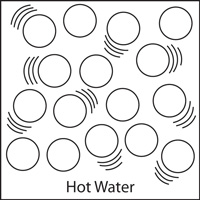
The speed of the molecules determines the _____.
a)
volume
b)
density
c)
pressure
d)
temperature
36.
Which has a greater distance between particles?
a)
Solid
b)
Liquid
37.
Blue Color: Chemical or Physical Property
a)
Chemical Property
b)
Physical Property
38.
Density: Chemical or Physical Property
a)
Chemical Property
b)
Physical Property
39.
Flammability (burns): Chemical or Physical Property
a)
Chemical Property
b)
Physical Property
40.
Solubility (dissolves): Chemical or Physical Property
a)
Chemical Property
b)
Physical Property
41.
Reacts with Acid: Chemical or Physical Property
a)
Chemical Property
b)
Physical Property
42.
Brittleness: Chemical or Physical Property
a)
Chemical Property
b)
Physical Property
43.
Sour Taste: Chemical or Physical Property
a)
Chemical Property
b)
Physical Property
44.
Reacts with Water: Chemical or Physical Property
a)
Chemical Property
b)
Physical Property
45.
Hardness: Chemical or Physical Property
a)
Chemical Property
b)
Physical Property
46.
Luster: Chemical or Physical Property
a)
Chemical Property
b)
Physical Property
47.
Odor: Chemical or Physical Property
a)
Chemical Property
b)
Physical Property
48.
What kind of properties can only be observed when a substance changes into a different substance?
a)
physical properties
b)
chemical properties
c)
liquid properties
d)
real properties
49.

What is reactivity?
a)
how a substance combines physically with another substance
b)
how a substance combines chemically with another substance
50.
Which of the following tells you that a chemical change may have occurred?
a)
Change Shape
b)
Melting
c)
Vaporizing
d)
Change in color
51.
What happens in ALL chemical changes?
a)
Change in state of matter
b)
A new substance is formed
c)
Bubbles are produced
d)
An explosion
52.
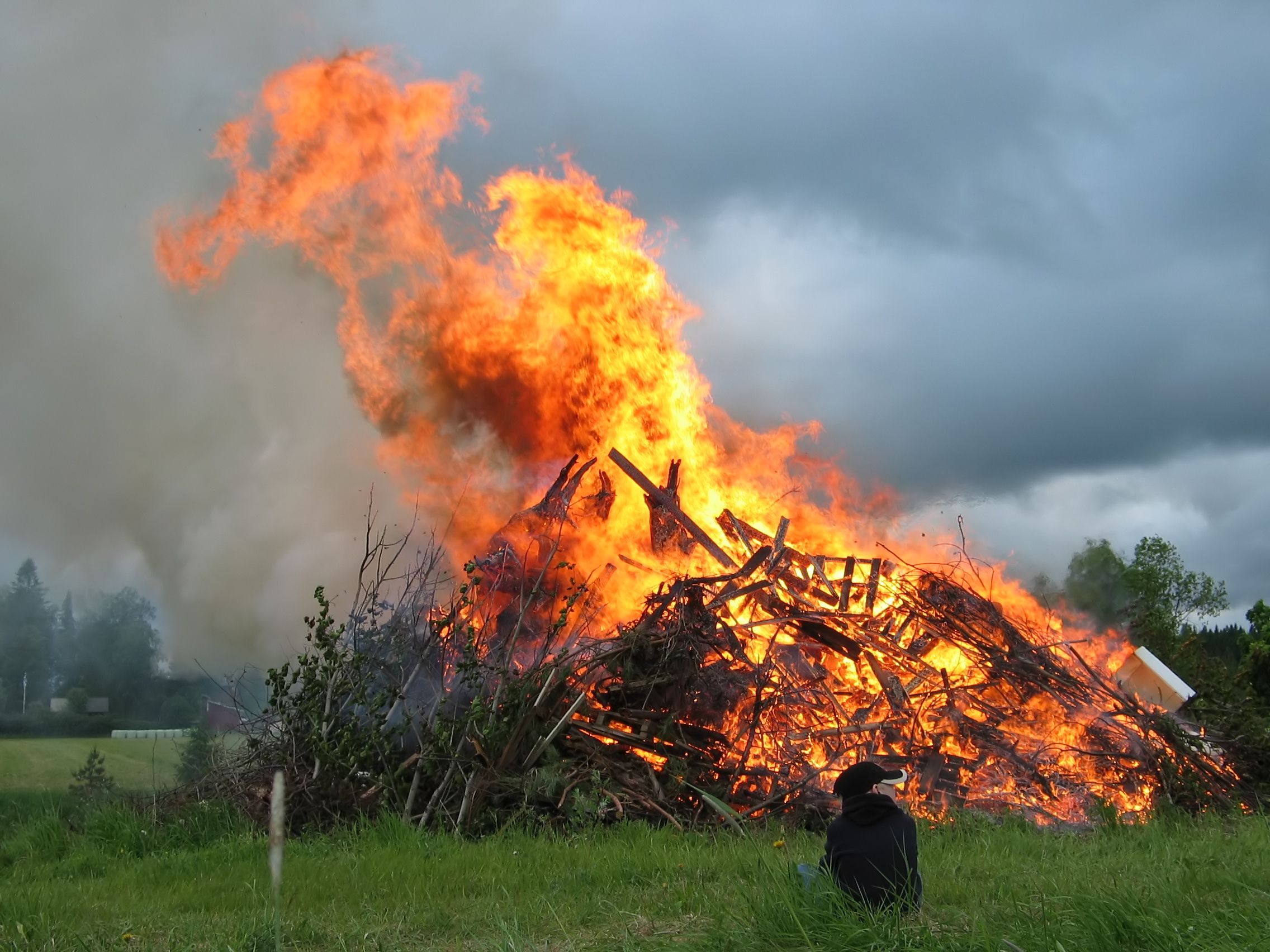
Is wood burning a physical or chemical change?
a)
Physical
b)
Chemical
53.

Is mold growing on cheese a physical or chemical change?
a)
Physical
b)
Chemical
54.

Is making orange juice a physical or chemical change?
a)
Physical
b)
Chemical
55.
The Law of Conservation of Mass tells us matter can't ______________.
a)
change color
b)
change state of matter
c)
be created or destroyed
d)
change temperature
56.
Which of the following is not a clue that a chemical reaction has taken place?
a)
Changing size
b)
Changing color
c)
A gas being formed
d)
Formation of a precipitate
57.
Which of the following IS a clue that a chemical change has occurred?
a)
State of matter change
b)
Size Change
c)
Change in temperature
d)
Shape change
58.
In a chemical reaction, how do the reactants compare to the products?
a)
They are the same
b)
They are different
59.

This is used to represent the number of each atom being represented.
a)
A Exponent
b)
The Coefficient
c)
A Molecule
d)
The Subscript
60.

This appears on the left side of a chemical formula, and represents how many molecules there are.
a)
An Atom
b)
The Subscript
c)
A Molecule
d)
The Coefficient
61.

How many hydrogen atoms are in this chemical formula:
a)
4 hydrogen atoms
b)
1 hydrogen atom
c)
2 hydrogen atoms
d)
3 hydrogen atoms
62.

How many oxygen atoms are in this chemical formula?
a)
7 oxygen atoms
b)
4 oxygen atoms
c)
3 oxygen atoms
d)
1 oxygen atoms
63.
Law of conservation of mass states that
a)
matter is created
b)
matter is destroyed
c)
matter is neither created nor destroyed
d)
matter does not change
64.
True or false. Law of conservation of mass means that the number of atoms of the products is more than the number of atoms in the reactants.
a)
True
b)
False
65.
The Law of Conservation of matter states that the total amount of matter ______________ after it undergoes change.
a)
disappears
b)
stays the same
c)
weighs less
d)
explodes
66.
Matter is anything that
a)
takes up space and has mass.
b)
is in our universe.
c)
is light, sound or ideas.
67.
Matter can under go two types of changes:
a)
happy and sad
b)
physical and chemical
c)
exploding and folding
100 %

