
 Worksheets
Physical Science Unit 5 LIFT
Total questions: 70
Worksheet time: 53mins
Name
Class
Date
1.
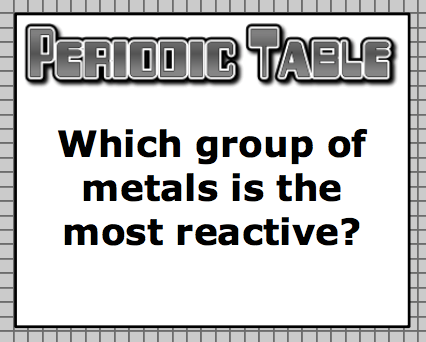
a)
Group 1
b)
Group 17
c)
Group 18
d)
Group 2
2.
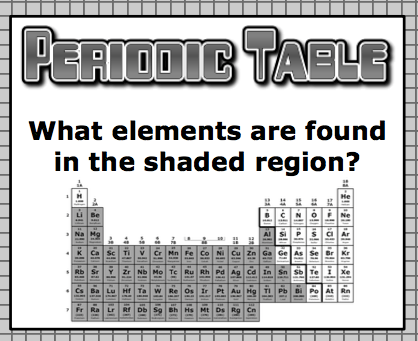
a)
Metals
b)
Nonmetals
c)
Metalloids
3.
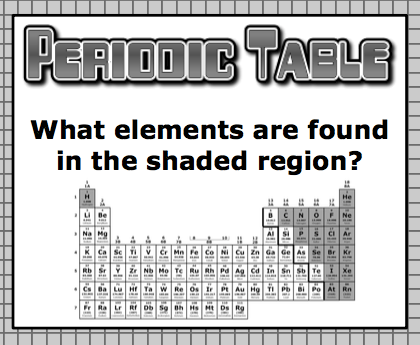
a)
Metals
b)
Nonmetals
c)
Metalloids
4.
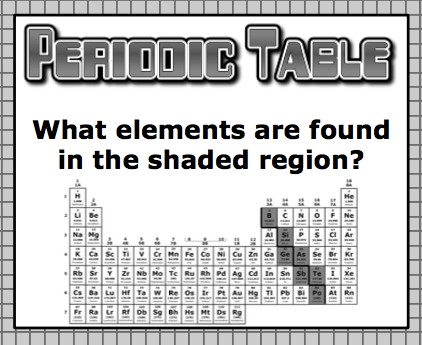
a)
Metals
b)
Nonmetals
c)
Metalloids
5.
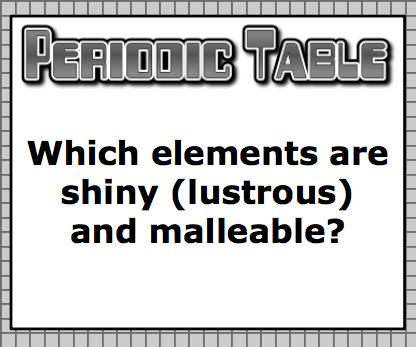
a)
Metals
b)
Nonmetals
c)
Metalloids
6.
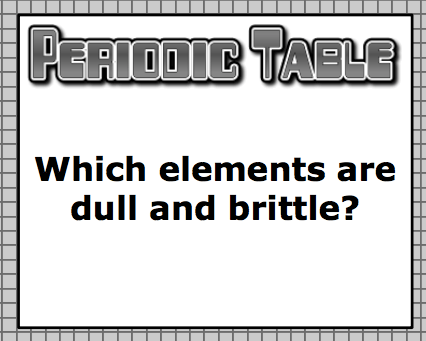
a)
Metals
b)
Nonmetals
c)
Metalloids
7.
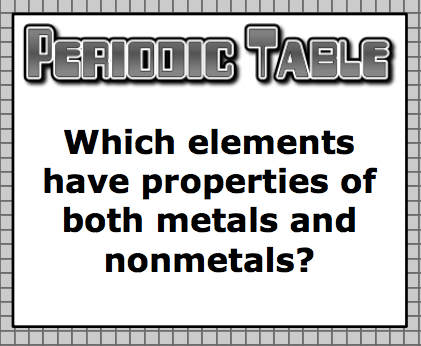
a)
Metals
b)
Nonmetals
c)
Metalloids
8.
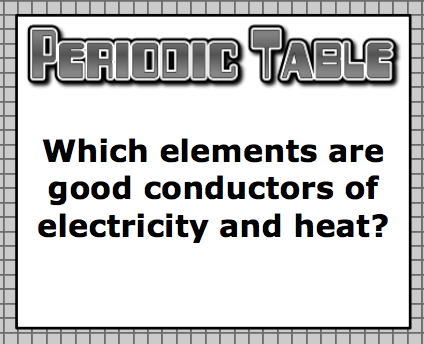
a)
Metals
b)
Nonmetals
c)
Metalloids
9.
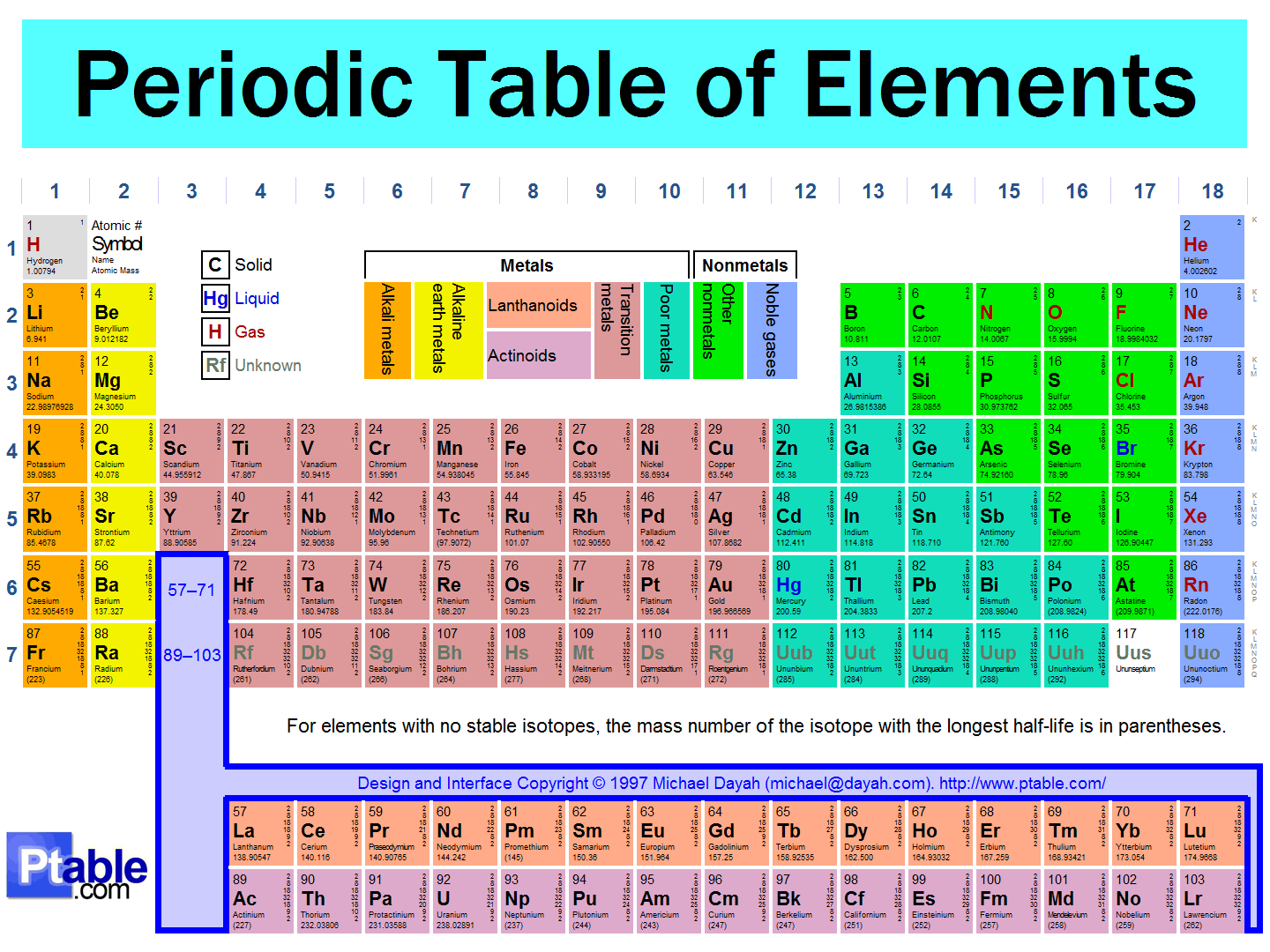
The horizontal row on the periodic table is called a
a)
group
b)
family
c)
period
d)
valence
10.

A vertical column is called...
a)
group
b)
tower
c)
period
d)
valence
11.
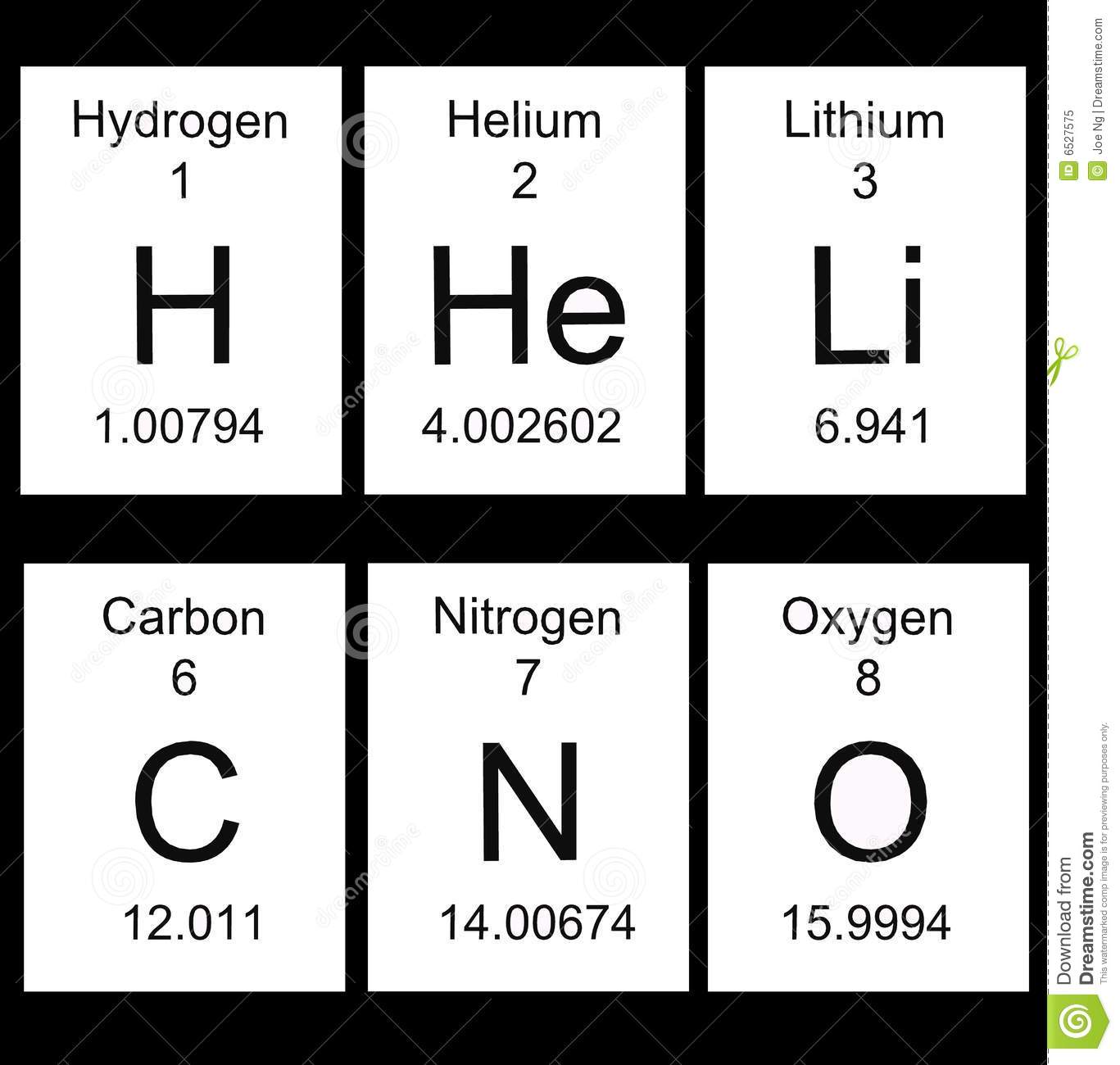
The number at the bottom of each square on the periodic table is the ...
a)
atomic number
b)
atomic mass
c)
chemical symbol
d)
element name
12.
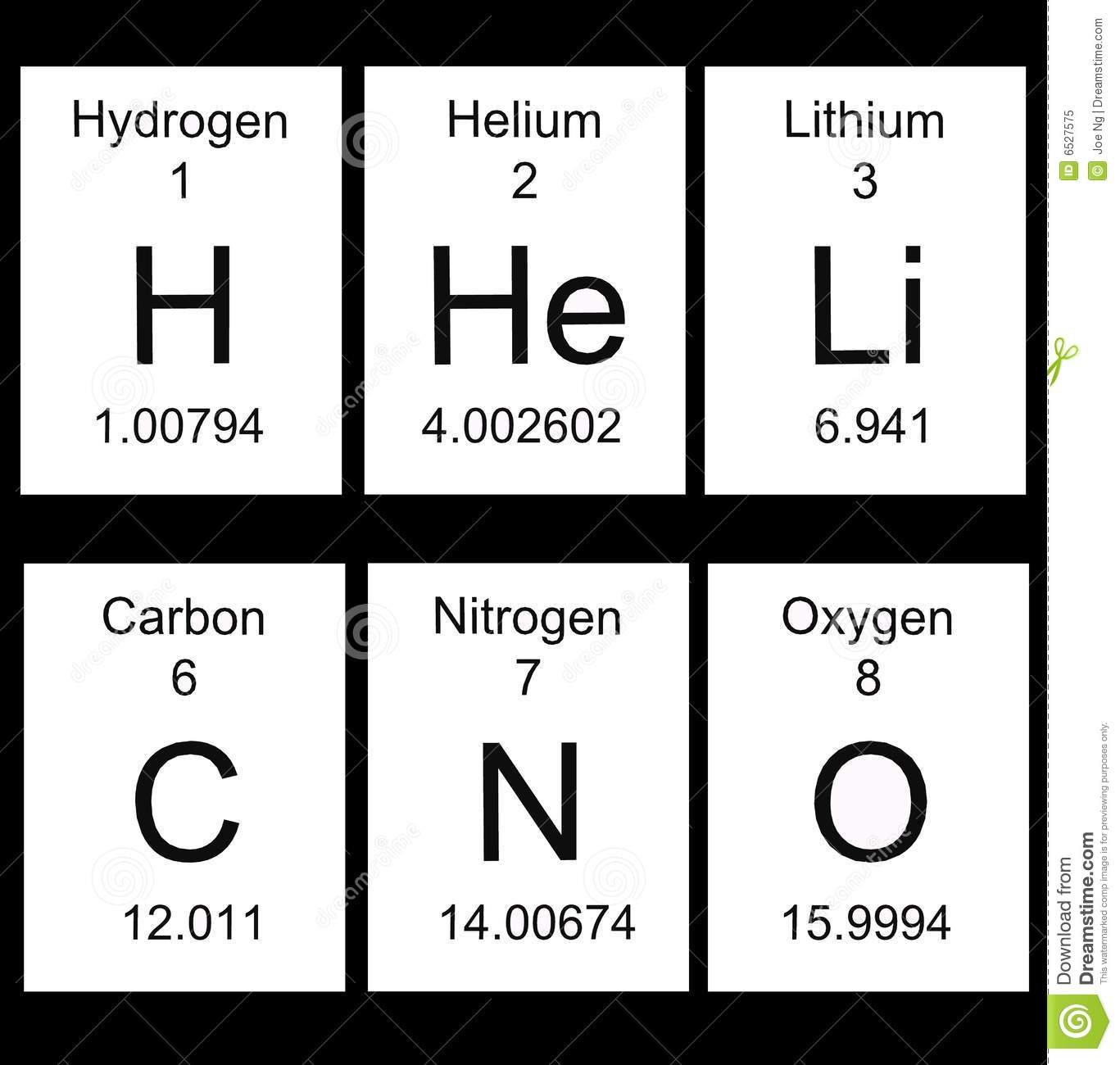
The number at the top of each square on the periodic table is the ...
a)
atomic number
b)
atomic mass
c)
Chemical Symbol
d)
Element Name
13.
Elements in a ..................have similar chemical properties.
a)
period
b)
group
c)
row
14.
The atomic number tells you what?
a)
number of electrons
b)
number of protons
c)
number of neutrons
d)
total electrons and protons in an atom
15.
Which family of the periodic table is composed of inert (not reactive) gases?
a)
alkali metals
b)
alkaline earth metals
c)
halogens
d)
noble gases
16.

The atoms along the staircase are called
a)
metals
b)
nonmetals
c)
metalloids
d)
noble gases
17.
Which is a halogen?
a)
Helium
b)
Chlorine
c)
Oxygen
d)
Neptune
18.
Which is an alkali metal?
a)
Magnesium
b)
Iron
c)
Sodium
d)
Europium
19.
What does the atomic mass tell you?
a)
The number of electrons and protons
b)
The number of neutrons
c)
The number of protons and neutrons
d)
The number of protons.
20.

Which elements have the most similar chemical properties?
a)
K and Na
b)
K and Ca
c)
K and Cl
d)
K and S
21.

In what section would Transition Metals be found?
a)
orange
b)
light blue
c)
blue
d)
white
22.
In the modern periodic table elements are arranged by:
a)
atomic mass
b)
atomic number
c)
valence electrons
d)
number of isotopes
23.
The periodic table has __ periods.
a)
18
b)
8
c)
2
d)
7
24.
Group 18 elements are known as the _______ and have full valence shells.
a)
royal gases
b)
halogens
c)
noble gases
d)
alkali metals
25.
What period and group is Silver (Ag)?
a)
Period 2, Group 1
b)
Period 3, Group 16
c)
Period 5, Group 11
d)
Period 2, 14
26.
The elements in this family have 2 valence electrons.
a)
Alkali Metals
b)
Alkaline Earth Metals
c)
Halogens
d)
Rare Earth Metals
27.
The elements in this family have 7 valence electrons.
a)
Alkali Earth Metals
b)
Transition Metals
c)
Oxygen Family
d)
Halogens
28.
Which of the following is not a property of metals?
a)
brittle
b)
malleable
c)
lustrous
d)
conductive
29.
Rows on the period table are called _____ while columns are called _____.
a)
groups, families
b)
groups, periods
c)
periods, groups
d)
families, groups
30.
How many electrons do atoms need to be stable?
a)
1
b)
2
c)
6
d)
8
31.
Valence electrons are:
a)
Electrons farthest away from the nucleus
b)
Electrons closest to the nucleus
c)
Electrons that just come and go - they don't stay with the atom
32.

How many neutrons are in a Gold atom?
a)
79
b)
196
c)
118
d)
275
33.
The electrons of an atom are found...
a)
in the outer "cloud" surrounding the atom.
b)
in the nucleus of the atom.
c)
in the cloud and in the nucleus.
34.
A proton is....
a)
A negatively charged subatomic particle
b)
A positively charged subatomic particle
c)
A neutrally charged subatomic particle
d)
The only subatomic particle located in the nucleus
35.
Which is an alkali metal?
a)
Magnesium
b)
Iron
c)
Sodium
d)
Europium
36.
Which is a halogen?
a)
Helium
b)
Chlorine
c)
Oxygen
d)
Neptune
37.
Which element is not a metal?
a)
Br
b)
Re
c)
Al
d)
B
38.
This contains most of the mass of an atom
a)
Electron Cloud
b)
Nucleus
c)
Electron
39.
The first person to ever talk about an atom was
a)
Democritus
b)
Rutherford
c)
Dalton
40.
How did Rutherford discover the proton?
a)
Cathode tube ray experiment
b)
Gold Foil Experiment
c)
Planetary Model
d)
Plum Pudding Model
41.

What scientist is best known for his "Plum Pudding" model of the atom?
a)
J.J. Thomson
b)
Ernest Rutherford
c)
John Dalton
d)
James Chadwick
42.

What contribution did John Dalton make to atomic theory?
a)
He discovered that every atom was positively charged.
b)
He discovered that every element consisted of one type of atom.
c)
He discovered that atoms had nuclei.
d)
He discovered that atoms could be divided into smaller parts.
43.

J.J. Thomson provided evidence that an atom...
a)
is the smallest particle of matter
b)
contains negatively charged particles
c)
has an overall negative charge
d)
has an overall positive charge
44.
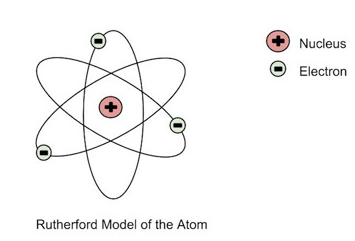
Rutherford's gold foil experiment provided evidence that...
a)
negative and positive charges are spread evenly throughout the atom.
b)
alpha particles have a positive charge.
c)
gold is not a dense as previously thought.
d)
there is a dense positively charged nucleus at the center of an atom.
45.
An atom's overall charge is ________.
a)
positive
b)
depends
c)
neutral
d)
negative
46.
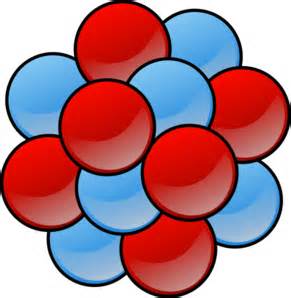
What does the nucleus of an atom contain?
a)
Electrons and neutrons
b)
Protons and neutrons
c)
Electrons and protons
d)
Protons only
47.

Who came up with this model of an atom?
a)
J.J. Thompson
b)
Ernest Rutherford
c)
Neils Bohr
d)
James Chadwick
48.
True or False: The majority of an atom is made up of empty space
a)
True
b)
False
49.
Contributes basically no mass to an atom.
a)
protons
b)
neutrons
c)
electrons
d)
protons and neutrons
50.
The majority of an atom's mass exists where?
a)
In the nucleus
b)
In the electron cloud
c)
In the space between the nucleus and the electrons
d)
In the neutrons
51.
Neon has an atomic number of 10 and an atomic mass of 20.180. How many protons, electrons, and neutrons will it have?
a)
P=10 E=10 N=11
b)
P=5 E=5 N=10
c)
P=10 E=10 N=10
d)
P=10 E=5 N=5
52.

What element is pictured?
a)
Hydorgen
b)
Boron
c)
Beryllium
d)
Arsenic
53.
The atomic number for Oxygen is 8, so
a)
there are 8 protons in the atom
b)
the atomic mass is less than 8
c)
the mass of the atom is 8
d)
the atom is decaying
54.

number of neutrons = _____
a)
atomic number - atomic mass
b)
isotope number - atomic mass
c)
atomic mass + atomic weight
d)
atomic mass - atomic number
55.

Different versions of an element, with differing numbers of neutrons, are called _____
a)
valences
b)
isomers
c)
isotopes
d)
ions
56.

For an atom to be electrically neutral, it must contain the same number of _____
a)
protons and neutrons
b)
neutrons and electrons
c)
protons and electrons
d)
nucleons and electrons
57.

If you want to know which atom an element is, then count the _____
a)
protons
b)
neutrons
c)
electrons
d)
nucleons
58.

Which of the following is proposed by Erwin Schrodinger?
a)
Planetary model of the atom
b)
Plum pudding model of the atom
c)
Saturnian model of the atom
d)
Electron cloud model of the atom
59.
The impossibility to know simultaneously the exact position and momentum of a particle is called the:
a)
Einstein Uncertainty Principle
b)
Moseley Uncertainty Principle
c)
Heisenburg Uncertainty Principle
d)
Bohr Uncertainty Principle
60.
Discoverer of the neutron?
a)
Thomson
b)
Chadwick
c)
Dalton
d)
Rutherford
61.
The atom is mostly empty space is a confirmed idea made by who?
a)
Rutherford
b)
Thomson
c)
Bohr
d)
Chadwick
62.
An atom has a mass of 54 while is atomic number is 32. How many electrons does it have?
a)
22
b)
32
c)
54
d)
0
63.
An atom has a mass of 54 while is atomic number is 32. How many neutrons does it have?
a)
22
b)
32
c)
54
d)
86
64.
The word atom comes from a Greek word "atomos" that means
a)
Invisible
b)
Indivisible
c)
Undivided
d)
Indestructable
65.
Niels Bohr suggested that electrons.......
a)
are found in specific orbits
b)
electrons are scattered throughout the atom
c)
electrons move according to their energy level
d)
electrons are positive
66.

Ernst Rutherford discovered which part of the atom through the use of gold foil?
a)
Proton
b)
Neutron
c)
Electron
d)
Orbitals
67.
What scientist first developed 4 rules for atomic theory, and helped kick start modern chemistry?
a)
J.J. Tomson
b)
Ernest Rutherford
c)
John Dalton
d)
Democritus
68.

Which of the following elements is required in an organic compound?
a)
nitrogen
b)
oxygen
c)
carbon
d)
sodium
69.
What element is in every living thing on Earth?
a)
oxygen
b)
hydrogen
c)
carbon
d)
nitrogen
70.
What is the branch of chemistry of living things called?
a)
organic chemistry
b)
inorganic chemistry
c)
biochemistry
d)
nuclear chemistry
100 %

