wayground logo

Free Printable Worksheets

NEW

Font size

S
M
L
XL
Worksheets

Matter, Atoms & Periodic Table

Total questions: 52

Worksheet time: 35mins

Name
Class
Date
1.
the central region of an atom where its neutrons and protons are is its 
a)
nucleus 
b)
electron cloud
c)
core 
d)
center 
2.
an atom with atomic number 6 would have how many protons 
a)
6
b)
12
c)
3
d)
cannot be determined 
3.
Particles in an atom that are neutral and have no charge are 
a)
negatrons 
b)
electrons 
c)
neutrons 
d)
protons 
4.
In the modern periodic table elements are arranged by:
a)
atomic mass
b)
atomic number
c)
valence electrons
d)
number of isotopes
5.
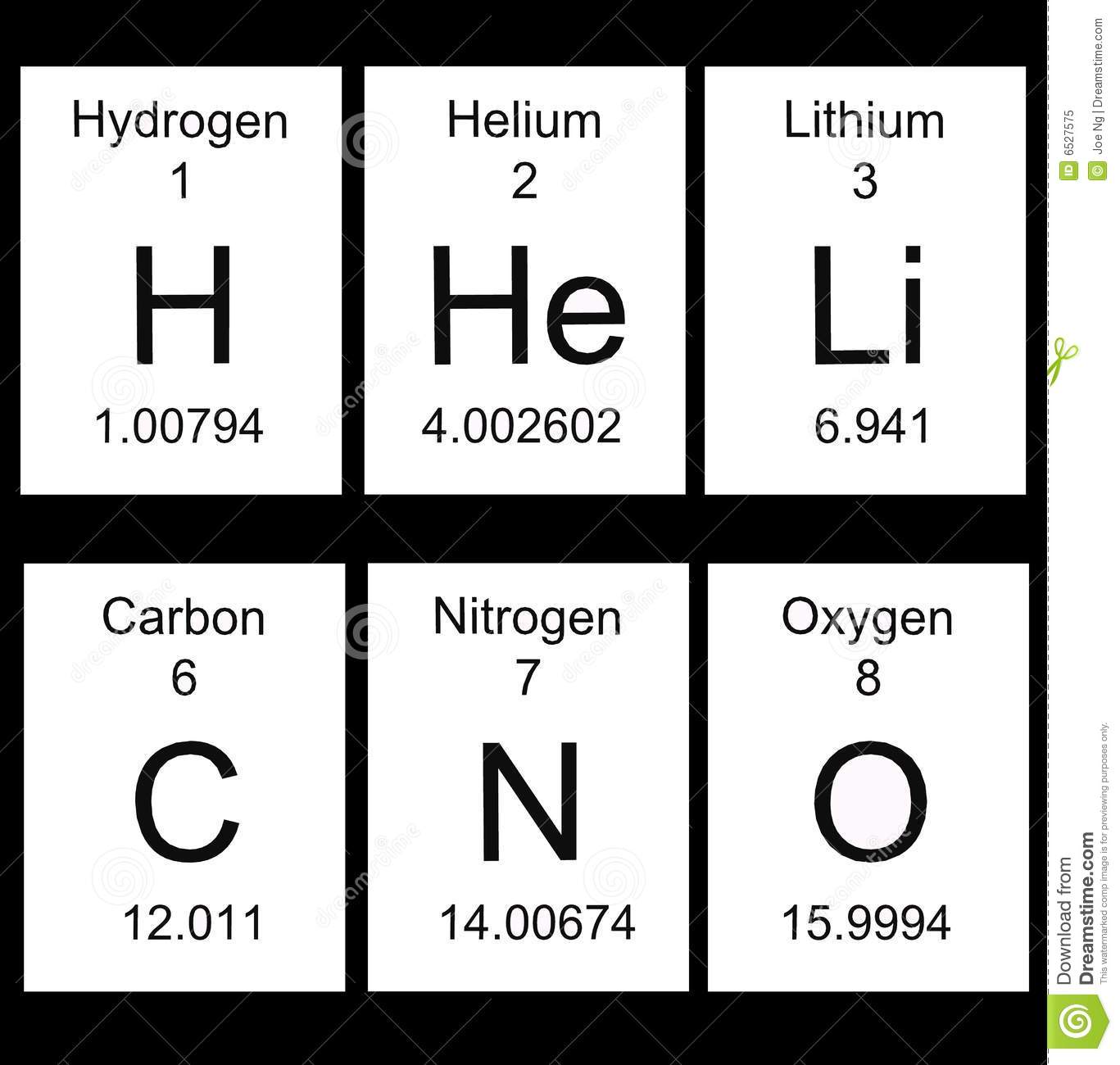
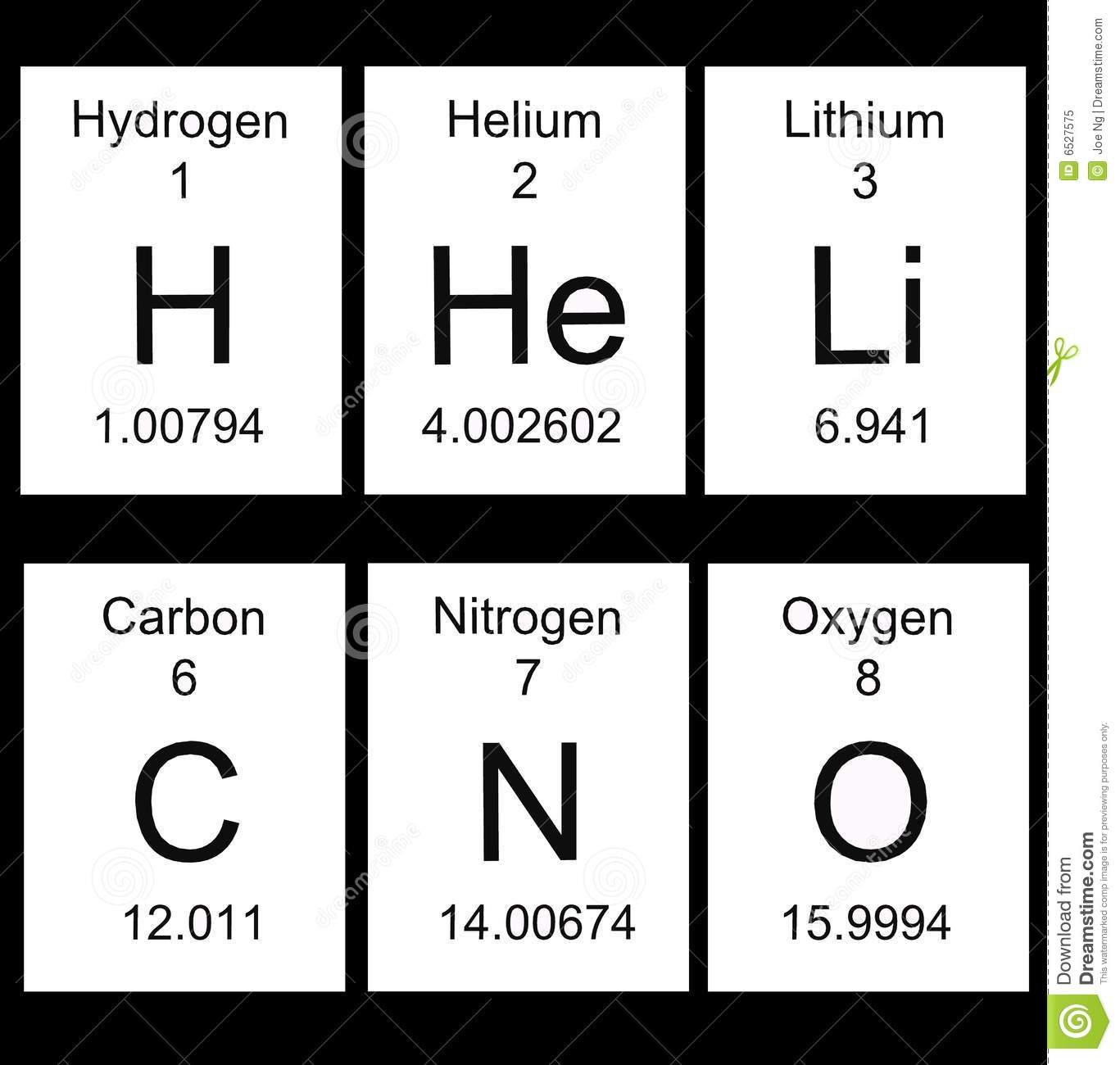
What does the 1.00794 stand for?
a)
Hydrogen
b)
atomic number
c)
atomic mass
d)
atomic explosion
6.
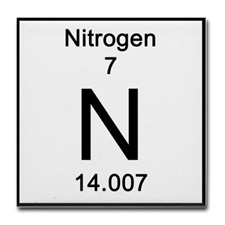
What is the number of protons that the element in this image contain?
a)
14
b)
7
c)
15
d)
18
7.
The first energy level can hold up to how many electrons?
a)
8
b)
4
c)
2
d)
5
8.
What is the atomic mass of "F"
a)
9
b)
18
c)
17
d)
19
9.
The positive particles of an atom are 
a)
electrons 
b)
positrons 
c)
neutrons 
d)
protons 
10.
An atoms overall charge is 
a)
positive 
b)
depends on its mood 
c)
neutral 
d)
negative 
11.
Which of the following is a negatively charged subatomic particle?
a)
Electron
b)
Proton
c)
Neutron
d)
Quark
12.
Where are electrons of an atom found?
a)
Nucleus
b)
Electron Cloud
c)
Some are in the nucleus and some in the electron cloud.
d)
They are moving everywhere.
13.
"C" is the element symbol for which element?
a)
calcium
b)
carbon
c)
chlorine
d)
cadmium
14.
What is the atomic symbol for sodium?
a)
Na
b)
So
c)
NaCl
d)
S
15.
Most of the mass in an atom is concentrated in the...
a)
electrons
b)
nucleus
c)
protons
d)
empty space
16.
What does the nucleus consist of?
a)
Protons + Electrons
b)
Neutrons + Electrons
c)
Atoms
d)
Protons + Neutrons
17.
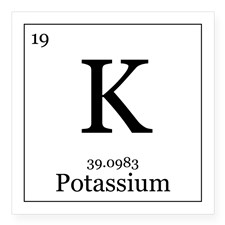
How many neutron are in the atom "K"?
a)
7
b)
2
c)
39
d)
12
18.

What is the number of eletrons in this carbon?

a)

10

b)

12

c)

6

d)

14

19.
If an atom has 12 positively charged subatomic particles, which of the following must it also have to be considered a neutral atom?
a)
12 neutrons
b)
12 electrons
c)
12 protons
d)
24 protons and neutrons
20.
If an atom has 10 protons, 10 neutrons, and 10 electrons, what is the mass of the atom?
a)
10
b)
20
c)
30
21.
Ions are: 
a)
atoms with a positive or negative charge
b)
atoms with no charge
c)
atoms with ONLY a positive charge
d)
atoms with ONLY a negative charge
22.
Two atoms of the same element but with different mass numbers are called________
a)
electrons
b)
isotopes
c)
variables
d)
electron cloud
23.
True or False? Isotopes are atoms of the same element that differ in mass number and number of neutrons
a)
True
b)
False
24.
Cations are
a)
positive
b)
negative
c)
on the right side of the periodi table.
d)
nonmetals
25.
Valence electrons are: 
a)
Electrons farthest away from the nucleus
b)
Electrons closest to the nucleus
c)
Electrons that just come and go - they don't stay with the atom
26.
Ions are: 
a)
atoms with a positive or negative charge
b)
atoms with no charge
c)
atoms with ONLY a positive charge
d)
atoms with ONLY a negative charge
27.
Which is most likely to form a negative ion?
a)
an element from group 17
b)
a metal
c)
an element from group 1
d)
an element with atoms that have eight valence electrons
28.

When an atom loses an electron, it becomes a(n) _____________ ion.

a)

positive

b)

negative

c)

neutral

d)

polyatomic

29.
Negative ions form when atoms _________ valence electrons.
a)
lose
b)
gain
c)
share
30.
Cations are...
a)
Positive
b)
Negative
c)
Neutral
d)
Purring
31.
Anions are...
a)
Positive
b)
Negative
c)
Neutral
d)
Crying
32.

What am I?

a)

Nitrogen-15

b)

Nitrogen-14

c)

[N-3] anion

d)

[N+3] cation

33.

Atom or Ion? Why?

a)

Atom since it has a neutral charge

b)

Negative ion since it gained electrons

c)

Positive ion since it gained electrons

d)

Positive ion since it lost electrons

34.

Atom or Ion? Why?

a)

Atom with a neutral charge.

b)

Positive ion, since electrons were added.

c)

Negative ion, since electrons were added.

d)

Negative ion, since electrons were removed.

35.

Compare the Bohr models. The models represent

a)

two identical atoms.

b)

an atom and an isotope of the same atom

c)

an atom and its positive ion

d)

an atom and its negative ion

36.

What am I?

a)

Potassium-19

b)

Potassium-39

c)

Potassium-20

d)

[K+1] cation

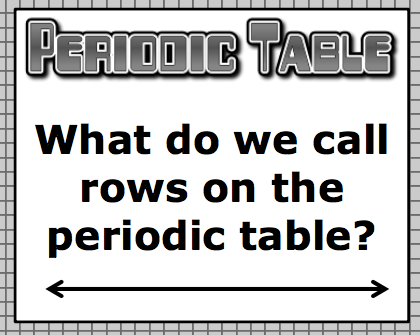
37.
a)
Periods
b)
Groups
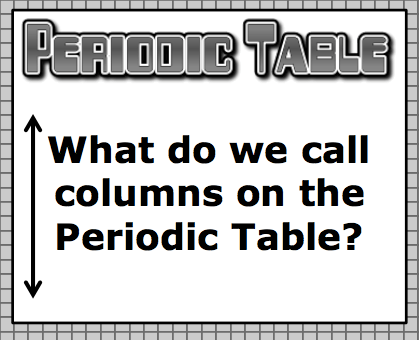
38.
a)
Periods
b)
Groups
39.
a)
Metals
b)
Nonmetals
c)
Metalloids
40.
a)
Metals
b)
Nonmetals
c)
Metalloids
41.
a)
Metals
b)
Nonmetals
c)
Metalloids
42.

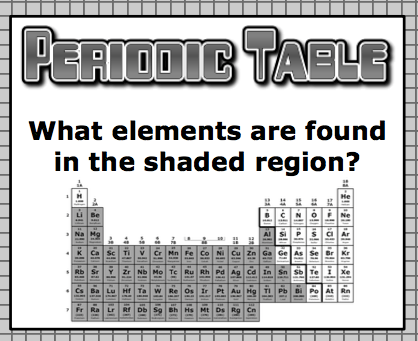
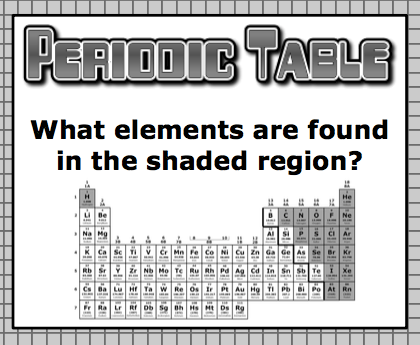
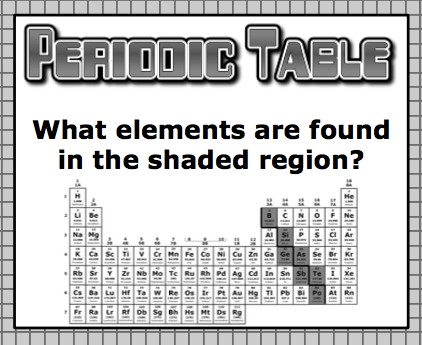
The number at the bottom of each square on this periodic table is the ...

a)

atomic number

b)

atomic mass

c)

chemical symbol

d)

element name

43.

The number at the top of each square on this periodic table is the ...

a)

atomic number

b)

atomic mass

c)

Chemical Symbol

d)

Element Name

44.
Which group of the periodic table is composed of inert (not reactive)  gases?
a)
alkali metals
b)
alkaline earth metals
c)
halogens
d)
noble gases
45.
Each column in the periodic table is called a 
a)
period
b)
group
c)
cluster
d)
unit
46.

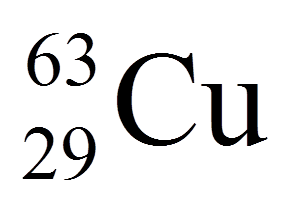
The top number in this nuclear notation is

a)

the mass number

b)

the atomic number

c)

the atomic mass

d)

the neutron number

47.

The bottom number in this nuclear notation is

a)

the mass number

b)

the atomic number

c)

the atomic mass

d)

the neutron number

48.
What does it mean if a mixture is homogeneous?
a)
you can see the different parts
b)
cannot tell one part from another
c)
chunks of particles
d)
made of elements
49.
What type of mixture is this?
a)
heterogeneous 
b)
homogeneous
50.
What type of mixture is this?
a)
heterogeneous 
b)
homogeneous
51.
Elements and compounds are always ___.
a)
pure
b)
mixed
52.
Mixtures are always ___.
a)
pure
b)
mixed