wayground logo

Free Printable Worksheets

Font size

S
M
L
XL
Worksheets

Natural Resources and Human Impact

Total questions: 25

Worksheet time: 15mins
Name
Class
Date
1.
__________ is an energy resource that WILL NOT run out in the next several hundred years.
a)
Renewable Energy Resource
b)
Nonrenewable Energy Resource
2.
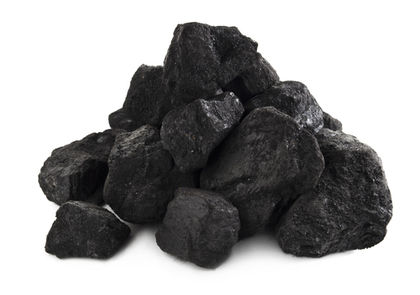
Coal is a __________ energy resource.
a)
Renewable
b)
Nonrenewable
3.
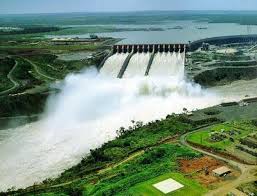
Hyrdo Power is a __________ energy resource.
a)
Renewable
b)
Nonrenewable
4.
The energy of nuclear reactions between atoms that creates heat and turns turbines is _________.
a)
Coal
b)
Wind
c)
Hydro
d)
Nuclear
5.
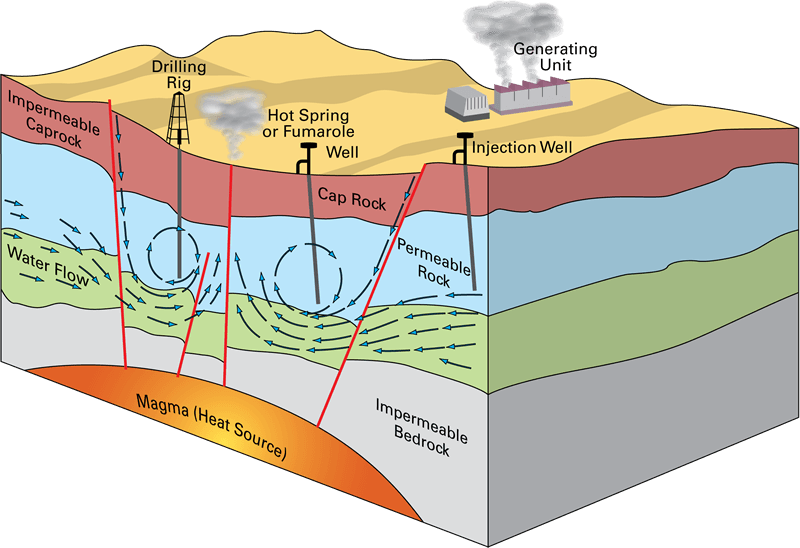
__________uses heat from the interior of the Earth.  We will be using this at our new school!
a)
Solar
b)
Geothermal
c)
Nucler
d)
Wind
6.
The main human activity that releases greenhouse gases is
a)
using bottled water
b)
burning fossil fuels
c)
texting on cellphones
d)
eating meat
7.
Some greenhouse gases are naturally present in the Earth's atmosphere
a)
True
b)
False
8.
What is the Greenhouse Effect?
a)
The rising of sea level over time
b)
The Earth's atmosphere losing heat
c)
The trapping of the Sun's warmth in the Earth'satmosphere
d)
The way we get energy to our holmes
9.
___________________ is a thick, brownish haze formed when certain gases in the air react with sunlight.
a)
Ozone
b)
Photochemical smog
c)
Carbon monoxide
d)
Methane
10.
The ozone layer is damaged by
a)
CFCs
b)
Increase in greenhouse gases
c)
Increased global temperatures
d)
Sulfuric and nitric acids
11.
The ozone layer protects us from
a)
UV rays
b)
CFCs
c)
Increased atmospheric heat
d)
Decreased atmospheric heat
12.

What human activity is the primary source of acid rain?

a)

Cars

b)

Deforastation

c)

Coal powerplants

d)

Volcanoes

13.

Pollution causes the pH of rain water fall below 6. What is such type of rain called?

a)

Acid rain

b)

Low PH rain

c)

High PH rain

d)

Polluted rain

14.

Acid rain can damage

a)

Drinking water sources

b)

Aquatic life

c)

Architecture/Buildings

d)

All options

15.

The big ideas with population growth are

a)

human population is growing rapidly and will soon reach environmental limits

b)

human's ecological footprint is expanding and putting a strain on resources

c)

encourage family planning, reduce poverty, educate young people (including women and girls) in developing countries, and population growth will slow.

d)

all are correct

16.

If the number of births in a population is the same as the number of deaths in a population, what will happen to the growth of the population?

a)

it will increase

b)

it will decrease

c)

it will stay the same

d)

it doesn't matter

17.

Humans' need for more space leads to

a)

creation of nonrenewable resources

b)

population growth

c)

lack of fresh water

d)

destruction of habitats

18.
Individuals of a population who exit an area.
a)
Immigration
b)
Emigration
c)
Mitigation
d)
Lingation
19.
The point in which an area cannot hold any more individuals in an area is called its what?
a)
carrying capacity
b)
capital capacity
c)
carrying capability
d)
limiting point
20.
What type of growth model is this?
a)
exponential growth model
b)
logistic growth model
c)
Type I curve
d)
Type III curve
21.
Which of the following is a nonrenewable resource?
a)
Trees
b)
Coal
c)
Wind
d)
Sunlight
22.

The total set of carbon emissions caused by an individual.

a)

carbon cycle

b)

carbon handprint

c)

carbon footprint

d)

carbon summary

23.

Why should you be concerned with the size of your carbon footprint?

a)

Sometimes its hard to find shoes that are the right size.

b)

If we don't decrease greenhouse gas emissions Earth will continue to cool.

c)

Greenhouse gases are becoming scarce in Earth's atmosphere.

d)

Increases in greenhouse gases in the atmosphere are contributing to global climate change.

24.

Select all that apply.

You can help decrease your carbon footprint by...

a)

buying and eat locally-produced food

b)

lessening your amount of driving

c)

recycling

d)

decreasing your water and electricity usage

25.
The careful use of a resource is....
a)
recycling
b)
pollution
c)
depositing
d)
conservation