wayground logo

Free Printable Worksheets

Font size

S
M
L
XL
Worksheets

5th Grade Science STAAR Review

Total questions: 99

Worksheet time: 1hrs 16mins

Name
Class
Date
1.
Electricity that flows in a closed path is called a
a)
path
b)
current
c)
circuit
2.
____________ allows electricity to flow.
a)
A conductor
b)
An insulator
c)
A magnet
3.
The plastic around the wire is
a)
conductor
b)
insulator
c)
decoration
4.
If the lights are on, the circuit is
a)
closed
b)
open
5.
Two types of circuits are
a)
parallel and magnetic
b)
electromagnetic and series
c)
series and parallel
6.
The greenhouse gas having the greatest role in human-caused global warming is
a)
methane
b)
carbon dioxide
c)
CFCs (chlorofluorocarbons)
d)
ozone
7.
Changes in temperature are expected to be greatest
a)
near the equator
b)
near the poles
8.
The main human activity that releases greenhouse gases is
a)
using bottled water
b)
burning fossil fuels
c)
texting on cellphones
d)
eating meat
9.
Deforestation contributes to greenhouse gases by
a)
loss of trees that would otherwise remove carbon dioxide from the air
b)
burning wood releases carbon dioxide
c)
Both are correct
10.
In the ADULT stage, the organisms job is 
a)
to hatch
b)
to eat
c)
to change 
d)
to reproduce
11.
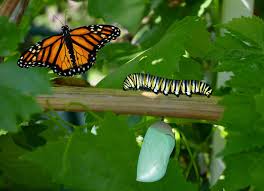
What is the last stage of the butterfly life cycle?
a)
egg
b)
pupa
c)
adult
d)
larva
12.
The second stage in incomplete metamorphosis is a/an_.
a)
embryo
b)
adult
c)
nymph
d)
larva
13.
In the EGG stage, the organisms job is 
a)
to hatch
b)
to eat
c)
to change 
d)
to reproduce
14.
In the NYMPH stage, the organisms job is 
a)
to hatch
b)
to eat
c)
to change 
d)
to reproduce
15.
In the PUPA stage, the organisms job is 
a)
to hatch
b)
to eat
c)
to change 
d)
to reproduce
16.
A caterpillar changes into what?
a)
chrysalis
b)
cocoon
c)
butterlfy
d)
frog
17.
What is the second stage of a frog called?
a)
froglet
b)
egg
c)
frog
d)
tadpole
18.
A system made up of organisms interacting with one another
a)
biology
b)
abiotic
c)
biotic
d)
ecosystem
19.
What does it mean to be cold blooded?
a)
Body temperature changes as outside temperature changes. 
b)
Body temperature is always colder than outside. 
c)
Body temperature is always hotter than outside.
20.
Where do amphibians lay their eggs?
a)
in water
b)
on land
c)
in the dessert
d)
they do not lay eggs
21.
Where do hurricanes develop?
a)
Land
b)
Ocean
c)
Rivers
22.
The wind of hurricanes spins the clouds into what shape?
a)
squares
b)
circles
c)
triangles
23.
What is a flood?
a)
a large amount of water that overflowed from a lake or river
b)
a large amount of water from the ocean
c)
a deep lake
d)
a deep river
24.
What is erosion?
a)
piles of dirt and rocks
b)
cracks in the Earth
c)
wearing away of rock and soil caused by water, wind or ice.
25.
Which storm can cause flooding?
a)
hurricanes
b)
blizzards
c)
tsunamis
d)
all of the above
26.
The natural chemical or physical processes that breaks down rock on Earth's surface.
a)
weathering
b)
erosion
c)
deposition
d)
jackhammering
27.
The process by which water, ice, wind or gravity moves weathered rock and soil from one place to another.
a)
weathering
b)
erosion
c)
deposition
d)
dumptruck
28.

A natural, solid mixture of minerals or grains is a ____________.

a)

Mineral

b)

Rock

c)

Sediment

d)

Magma

29.

Molten or liquid rock underground _______.

a)

Mineral

b)

Magma

c)

Lava

d)

Rock

30.

Molten rock that erupts on Earth's surface is called _______.

a)

Mineral

b)

Magma

c)

Lava

d)

Rock

31.

Rock formed when magma or lava that has been cooled and hardened is _______ rock.

a)

Igneous

b)

Metamorphic

c)

Sedimentary

d)

Clastic

32.

Rock formed from deposition, compaction, and cementation of sediments is _________ rock

a)

Igneous

b)

Metamorphic

c)

Sedimentary

d)

Clastic

33.

Rock formed from high pressure and heat deep beneath Earth's surface is ________ rock.

a)

Igneous

b)

Metamorphic

c)

Sedimentary

d)

Clastic

34.

The series of processes that change one type of rock into another type of rock is the ____________.

a)

Rock Cycle

b)

Sediment

c)

Compaction

d)

Cementation

35.

Sedimentary Rock is formed by?

a)

Extreme temperatures and pressure

b)

Compaction and Cementation

c)

Cooling and Crystallization

d)

Melting

36.

Metamorphic Rock is formed by?

a)

Extreme temperatures and pressure

b)

Compaction and Cementation

c)

Cooling and Crystallization

d)

Melting

37.

Igneous Rock is formed by?

a)

Extreme temperatures and pressure

b)

Compaction and Cementation

c)

Cooling and Crystallization

d)

Sediments

38.

Which of the following properties is not used to identify a mineral?

a)

Color

b)

Smell

c)

Hardness

d)

Density

39.
Which is the largest object in our solar system?
a)
Sun
b)
Jupiter
c)
Earth
d)
Pluto
40.
Which planet is closest to the sun?
a)
Uranus
b)
Mercury
c)
Neptune
d)
Earth
41.
Which is the second closest planet to the sun?
a)
Earth
b)
Saturn
c)
Venus
d)
Mercury
42.
Which is the fourth planet from the sun?
a)
Mars
b)
Saturn
c)
Earth
d)
Jupiter
43.
Which planet is fifth from the sun?
a)
Saturn
b)
Jupiter
c)
Mars
d)
Earth
44.
Which is the sixth planet from the sun?
a)
Earth
b)
Uranus
c)
Saturn
d)
Neptune
45.
Which planet is seventh from the sun?
a)
Saturn
b)
Earth
c)
Venus
d)
Uranus
46.
Which planet is farthest from the sun?
a)
Neptune
b)
Pluto
c)
Earth
d)
Uranus
47.
A ball of ice and dust with a tail of gas and dust pointing away from the sun.
a)
Asteroid
b)
Comet
c)
Moon
d)
Meteor
48.
A small object that appears as a streak of light as it enters earth's atmosphere.
a)
Asteroid
b)
Comet
c)
Moon
d)
Meteor
49.
A small rocky object orbiting the sun.
a)
Asteroid
b)
Comet
c)
Moon
d)
Meteor
50.
A natural satellite of a planet.
a)
Asteroid
b)
Comet
c)
Moon
d)
Meteor
51.
A spinning motion on an axis
a)
rotation
b)
revolution
52.

The Earth completes one of these every 365.25 days

a)

rotation

b)

revolution

53.
This is the reason we experience day and night
a)
rotation
b)
revolution
54.
The gravitational pull of the Sun on the Earth causes this
a)
rotation
b)
revolution
55.
This, along with the tilt of the Earth, is the reason we experience different seasons
a)
rotation
b)
revolution
56.
Takes about 24 hours to complete one
a)
rotation
b)
revolution
57.
The motion is in the counterclockwise direction and west to east on Earth
a)
rotation
b)
revolution
58.
The Earth orbits around the sun
a)
rotation
b)
revolution
59.
Completed in one year
a)
rotation
b)
revolution
60.
We don't feel the Earth spin because it spins smoothly, never changing pace
a)
rotation
b)
revolution
61.
The tool used to measure the mass of a substance or object is a ______________.
a)
balance
b)
graduated cylinder
c)
ruler
d)
thermometer
62.
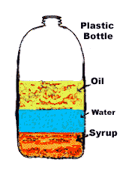
Which liquid is the least dense?
a)
oil
b)
water
c)
syrup 
d)
plastic bottle
63.
How do producers obtain energy?
a)
They conduct photosynthesis.
b)
They consume plants.
c)
They consume primary consumers.
d)
They consume secondary consumers.
64.
Where an organism lives
a)
habitat
b)
niche 
c)
heterotrogh
d)
biosphere
65.
Series of steps in which organisms transfer energy by eating and being eaten
a)
foodweb
b)
consumer
c)
food chain
d)
omnivore
66.
This is an image of a _________.
a)
consumer
b)
scavenger
c)
decomposer
d)
producer
67.
__________ is an energy resource that WILL NOT run out in the next several hundred years.
a)
Renewable Energy Resource
b)
Nonrenewable Energy Resource
68.
__________ is an energy resource that WILL run out in the next several hundred years.
a)
Renewable Energy Resource
b)
Nonrenewable Energy Resource
69.
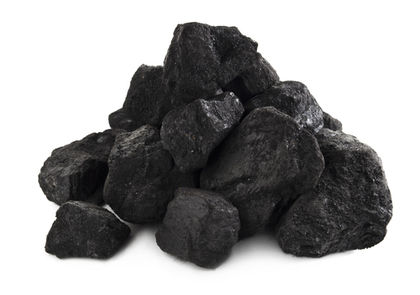
Coal is a __________ energy resource.
a)
Renewable
b)
Nonrenewable
70.
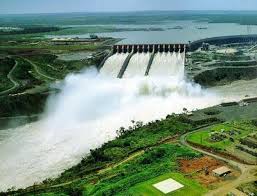
Hyrdo Power is a __________ energy resource.
a)
Renewable
b)
Nonrenewable
71.
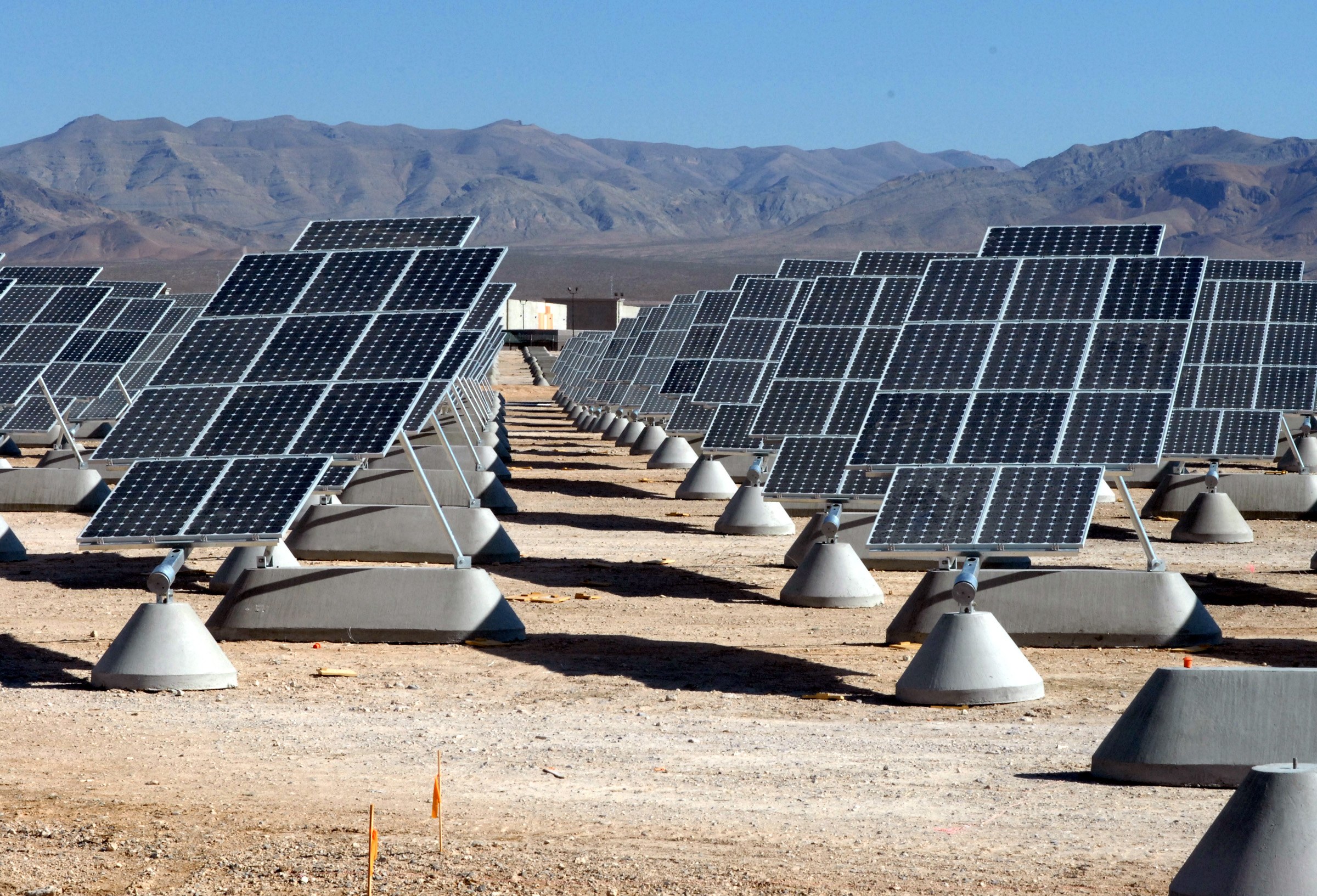
Solar Power is a __________ energy resource.
a)
Renewable
b)
Nonrenewable
72.
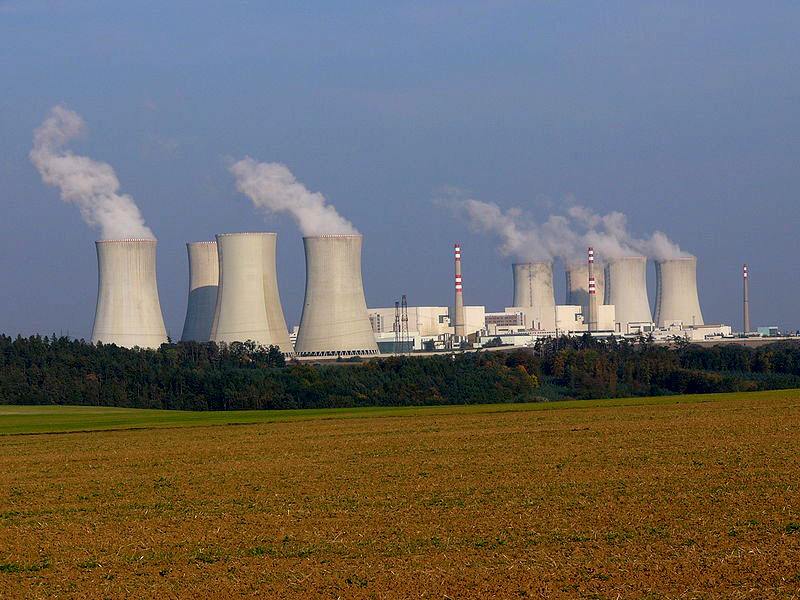
Nuclear Power is a __________ energy resource.
a)
Renewable
b)
Nonrenewable
73.
Natural Gas is a __________ energy resource.
a)
Renewable
b)
Nonrenewable
74.
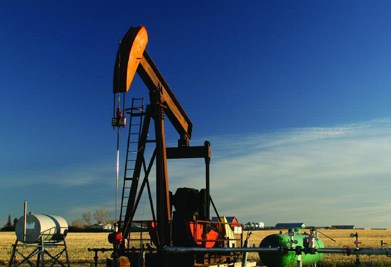
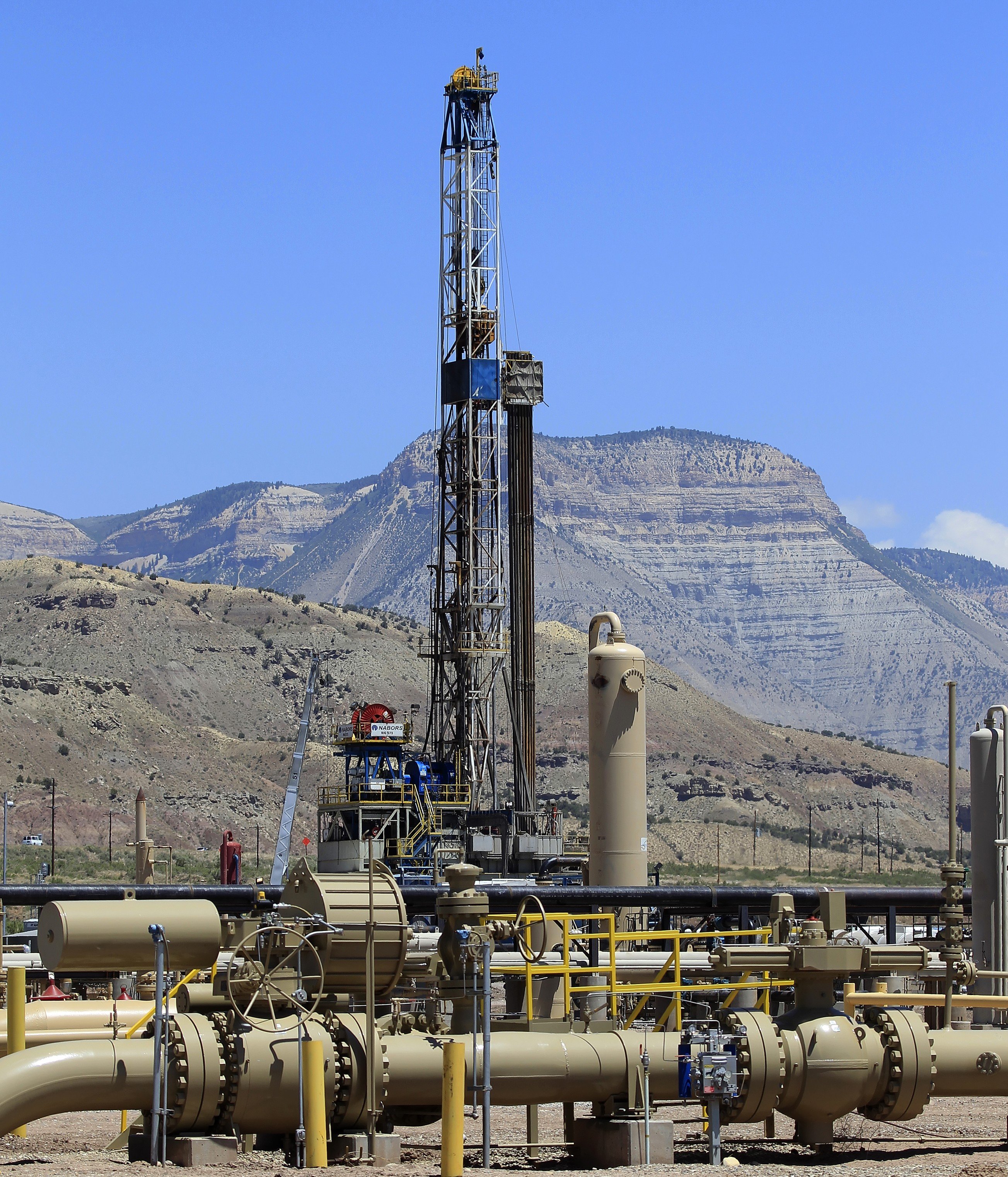
Oil is a __________ energy resource.
a)
Renewable
b)
Nonrenewable
75.
The sun is the source of all energy on Earth.
a)
true
b)
false
76.
The energy of nuclear reactions between atoms that creates heat and turns turbines is _________.
a)
Coal
b)
Wind
c)
Hydro
d)
Nuclear
77.
__________is a gas found under the Earth’s surface and is used to produce energy by burning it.
a)
Geothermal
b)
Natural Gas
c)
Coal
d)
Nuclear
78.
_________is energy generated when moving water turns turbines.
a)
Wind
b)
Hydro
c)
Geothermal
d)
Solar
79.
_________is compacted matter dug from under the Earth’s surface that is used to provide energy by burning it.
a)
Hydro
b)
Coal
c)
Nuclear
d)
Geothermal
80.
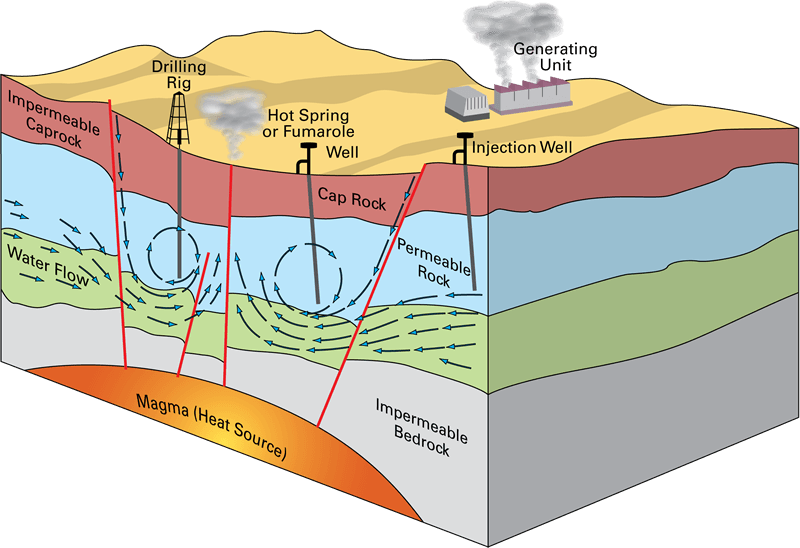
__________uses heat from the interior of the Earth.  We will be using this at our new school!
a)
Solar
b)
Geothermal
c)
Nucler
d)
Wind
81.
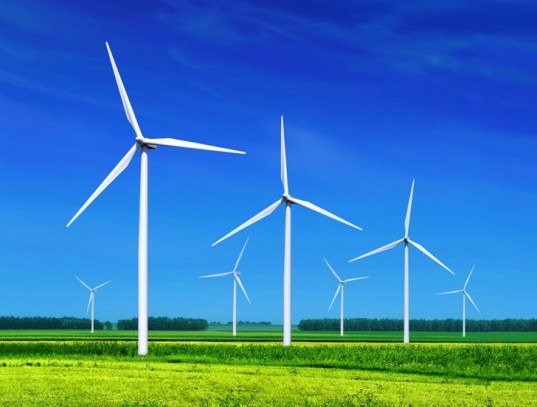
Wind is a __________ energy resource.
a)
Renewable
b)
Nonrenewable
82.
Geothermal Power is a __________ energy resource.
a)
Renewable
b)
Nonrenewable
83.
How are Sedimentary Rocks formed?
a)
Cooling and Hardening
b)
Heat and Pressure
c)
Compacting and Cementing
d)
Melting
84.
Where can the oldest layer be found?
a)
The top layer
b)
The middle layer
c)
They are all the same age
d)
The bottom layer
85.
In what kind of rock can fossils be found?
a)
Sedimentary Rocks
b)
Igneous Rocks
c)
Metamorphic Rocks
d)
Granite
86.
How are fossils created?
a)
Traces of organisms get turned into stone.
b)
Dead organisms are quickly buried for millions of years.
c)
Animals get trapped.
d)
All of the above
87.
What are the 3 main fossil fuels?
a)
Coal, Oil, and Gasoline
b)
Coal, Oil, and Natural Gas
c)
Electricity, Gasoline, Petroleum
d)
Coal, Oil, Non-renewable Resources
88.
All of these are related to the formation of oil or natural gas EXCEPT
a)
Decomposed Animals
b)
Decayed Plants
c)
Sedimentary Rocks
d)
Active Volcanoes
89.
Fossils give us evidence about which of the following?
a)
plants and animals that lived long ago
b)
how weathering and erosion break down rocks
c)
the other planets in our solar system
d)
the transfer of energy from one form  to another
90.
If plants are exposed to sunlight, then they will grow taller.
What part of the scientific method is this an example of?

a)
Procedure
b)
Hypothesis
c)
Question
d)
Results
91.
True or False: Your hypothesis can never be wrong.
a)
True
b)
False
92.
Why do scientists use the scientific method?
a)
To make sure they get credit for their discoveries.
b)
To make sure their results are valid and can be performed by other scientists.
c)
So that other scientist don't get mad at them
93.
Observations made during an experiment are considered:
a)
data
b)
problems
c)
conclusions
d)
questions
94.
What is a hypothesis?
a)
an educated guess stating what you believe will be the result of your experiement
b)
a random guess
c)
a statement of the outcome of your experiment
d)
step by step directions for your experiment
95.
What will happen when these magnets are brought close together?
a)
They will attract each other.
b)
They will repel each other.
c)
Both magnets will turn to the left
d)
Both magnets will turn to the right
96.
Magnets have a north and a south ___________
a)
shape
b)
color
c)
pole
d)
region
97.
Which object would a magnet attract?
a)
a glass bottle
b)
a piece of paper
c)
a metal paper clip
compass
d)
a rubber eraser
magnetic field
98.
True or False: All metals are attracted to magnet.
a)
True
b)
False
99.
A north pole and a south pole will attract.
a)
True
b)
False