
 Worksheets
G7 Science First Half-Semester Revision Quiz
Total questions: 86
Worksheet time: 1hrs 6mins
Name
Class
Date
1.
What characteristics do magnetic substances have?
a)
They can give you a "shock" when you touch them
b)
They can push or pull objects without touching them
c)
They are always black and cold to touch
d)
They fall faster than other objects when you drop them
2.
What subject is attracted to a magnet?
a)
Silver
b)
Water
c)
Metal
d)
Iron
3.
What happens when two north poles of a magnet are placed together?
a)
they repel
b)
they attract
c)
they cancel each other out
d)
the strength of the magnet is doubled
4.
How is Earth's magnetic field similar to that of a magnet?
a)
It is hundreds of miles long
b)
It has north and south poles
c)
It is made in Earth's core
d)
It is shaped like a horseshoe
5.
What is our best evidence that Earth has a magnetic field?
a)
All things fall toward Earth's center
b)
A compass needle lines up with it
c)
Winds blow from east to west
d)
Earth's oceans all have currents
6.
When two magnets attract, they ______________
a)
push apart
b)
change color
c)
get colder
d)
pull together
7.
When two magnets repel, they ________________
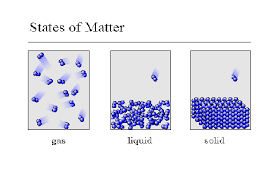
a)
change color
b)
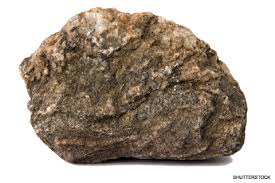
pull together
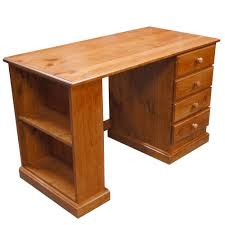
c)
push apart
d)
get colder
8.
How is an electromagnet different from a permanent magnet?
a)
An electromagnet is smaller and less powerful.
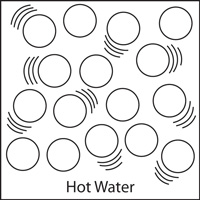
b)
An electromagnet's magnetism can be turned off.
c)
An electromagnet can be built without using metal.
d)
An electromagnet does not attract objects containing iron.
9.
A simple electromagnet can be made with which of the following?
a)
an electric current
b)
a turbine and nail
c)
a nail, a wire, and a battery
d)
a compass and a battery
10.
A coil that is magnetized only when an electric current flows through it is_______.
a)
a battery
b)
a generator
c)
a conductor
d)
an electromagnet
11.
How can the strength of an electromagnet be increased?
a)
by rubbing it with a stronger magnet
b)
by increasing the coils of wire around the iron
c)
by increasing the length of the wire from the battery
d)
by loosening the coil of wire around the iron
12.

What will happen when these magnets are brought close together?
a)
They will attract each other.
b)
They will repel each other.
c)
Both magnets will turn to the left
d)
Both magnets will turn to the right
13.
What are the north and south ends of a magnet called?
a)
borders
b)
tips
c)
caps
d)
poles
14.

The strongest part of a magnet is...
a)
the bars.
b)
the force field.
c)
the poles.
d)
the middle.
15.
The further two magnets are apart, the __________________ the force of magnetism.
a)
stronger
b)
weaker
c)
same
16.
True or False: A magnetic field is invisible.
a)
True
b)
False
17.
The planet earth is a giant magnet?
a)
True
b)
False
18.
An object is _____ if its position changes relative to another object.
a)
in motion
b)
at reset
c)
a frame of refence
d)
magical
19.
A place or object used for comparison to determine if another object is in motion is called a
a)
comparison point
b)
reference point
c)
point of view
d)
motion detector
20.
A distance vs. time graph shows an object's
a)
frame of reference
b)
speed
c)
acceleration
d)
favorite food
21.
Speed =
a)
distance / time
b)
time / distance
c)
distance * time
22.
You walk 10 meters to math class in 20 seconds. Your average speed is
a)
2 m/s
b)
0.5 m/s
c)
200 m/s
d)
5 m/s
23.
On a distance-versus-time graph, a straight line ALWAYS indicates that an object’s speed is _____.
a)
constant
b)
zero
c)
increasing
d)
decreasing
24.
Change in speed over a given period of time is
a)
velocity
b)
motion
c)
speed
d)
acceleration
25.
On a distance vs. time graph, the steeper the slope _____
a)
the slower the speed
b)
the faster the speed
c)
less acceleration
d)
greater acceleration
26.
The rate at which velocity changes is called
a)
motion
b)
average speed
c)
instantaneous speed
d)
acceleration
27.
What is the equation to find speed?
a)
s=t/d
b)
s=d x t
c)
s=d/f
d)
s=d/t
28.
What is the SI unit for acceleration?
a)
m/s
b)
m
c)
m/s2
d)
s
29.
What is the SI unit for speed
a)
Km
b)
s
c)
m/s
d)
m/s2
30.
When something has speed in a certain direction it is called ___________.
a)
motion
b)
position
c)
velocity
d)
speed
31.
Acceleration of an object happens when things ________
a)
slow down
b)
go faster
c)
change direction (turn)
d)
All of the above
32.

The formula:
? = D/T with direction
is used to find
? = D/T with direction
is used to find
a)
Velocity
b)
Speed
c)
Force
d)
Acceleration
33.
LT2: I want to find the average speed of a triathlon race. What steps would I take?
a)
add up total distance, add up total time, divide total distance by total time
b)
add up total distance, add up total speed, divide distance by speed
c)
Add up total time and subtract total distance
34.
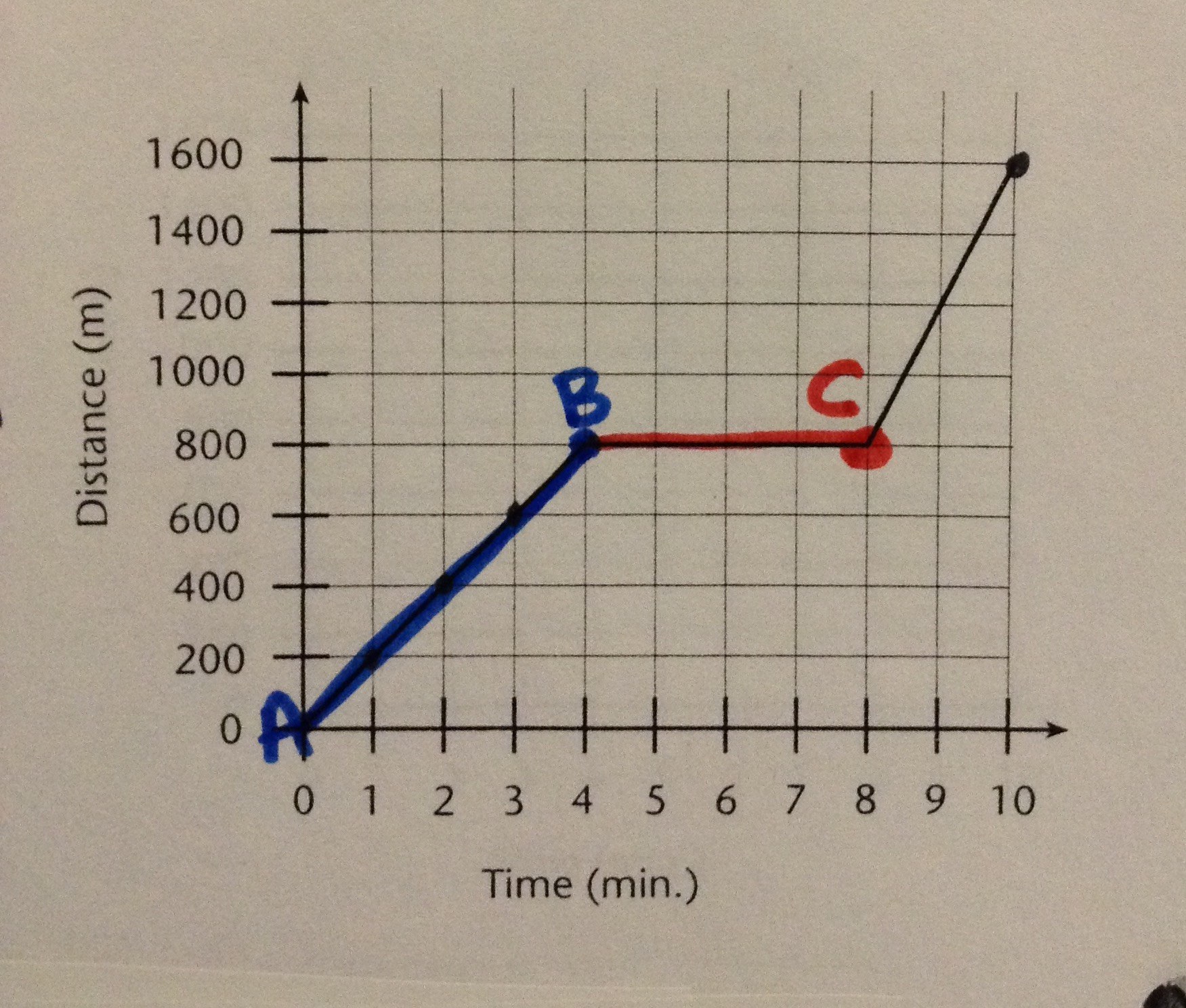
LT4: The graph shows Ashley riding her bike to Maria's house.
What was occurring from point B to point C?
What was occurring from point B to point C?
a)
She was increasing her speed.
b)
She stopped for 4 minutes
c)
She was decreasing in speed
35.
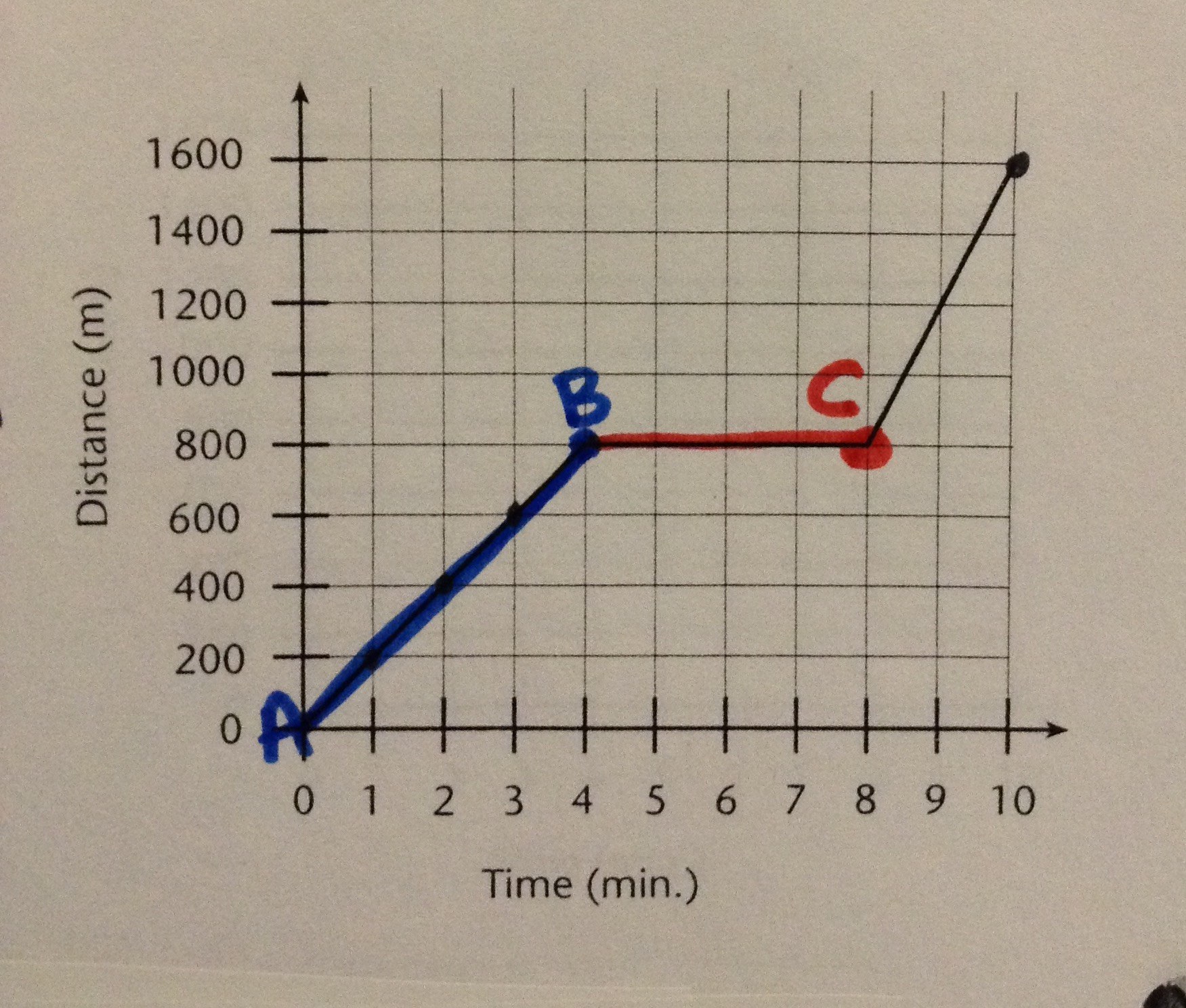
LT4: The graph shows Ashley riding her bike to Maria's house.
What is occurring from point A to point B?
What is occurring from point A to point B?
a)
they are traveling at a constant speed
b)
they are decreasing in speed
c)
they stopped to take a break
36.
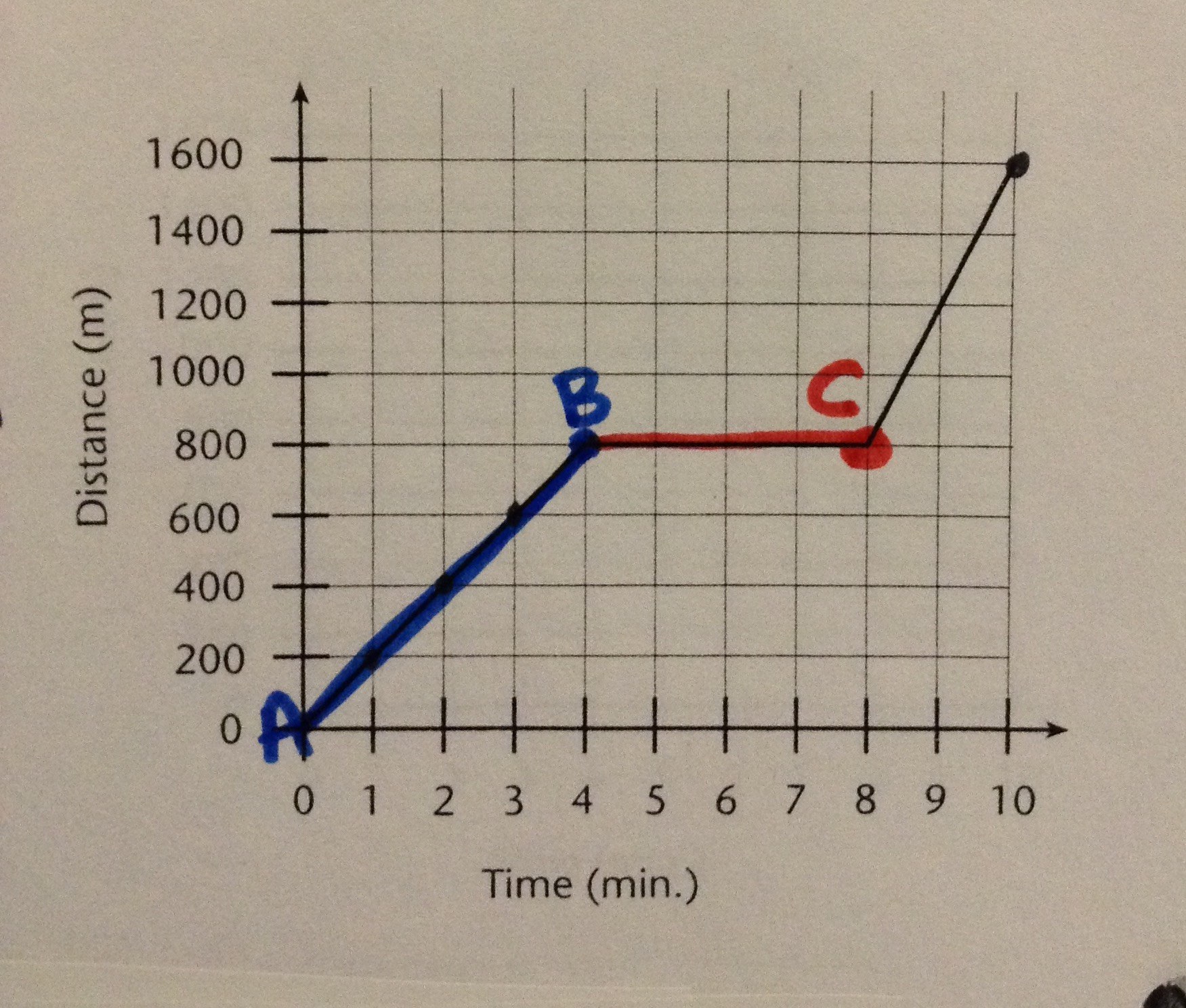
LT4: The graph shows Ashley riding her bike to Maria's house.
What was her average speed for the ENTIRE trip?
What was her average speed for the ENTIRE trip?
a)
1600 m/min
b)
200 m/min
c)
160 m/min
37.

When mass increases then gravity
a)
Decreases
b)
Increases
c)
Stays the same
38.

What type of force?
a)
Magnetic
b)
Gravitational
c)
Applied
d)
Normal
39.

What type of force is holding this balloon to the wall?
a)
Applied
b)
Gravitational
c)
Magnetic
d)
Electrical
40.

What force holds the planets in motion around the sun?
a)
Magnetic
b)
Electrical
c)
Gravitational
d)
Air Resistance
41.

What type of force causes these balloons to move toward or away from each other?
a)
Gravitational
b)
Applied
c)
Magnetic
d)
Electrical
42.
What does the strength of gravity between two objects depend upon?
a)
Mass & distance
b)
Mass & weight
c)
Gravity & inertia
d)
Inertia & mass
43.
All objects in the universe have a gravitational attraction to each other.
a)
True
b)
False
44.
Which has more gravitational force acting upon it?
a)
a bus
b)
a train
c)
a car
d)
a person
45.

What force ultimately slows the roller coaster to a stop?
a)
Applied
b)
Normal
c)
Friction
d)
Magnetic
46.
Simon wanted to know if the height of a ramp affected how fast the car went down it. What part of this experiment is Simon's INDEPENDENT (Test) Variable?
a)
height of the ramp
b)
the type of car
c)
the speed of the car
d)
there isn't one
47.
Simon wanted to know if the height of a ramp affected how fast the car went down it. What part of this experiment is Simon's Dependent (Outcome) Variable?
a)
there isn't one
b)
the height of the ramp
c)
the type of car
d)
the speed of the car
48.
An _______ force must act on an object for it to CHANGE it's motion
a)
balanced
b)
unbalanced
c)
gravitational
d)
electrical
49.
Speed is
a)
the distance covered per unit of time
b)
the time it takes something to move a certain distance
c)
distance x time
d)
time x distance
50.
Jupiter has about 317 times more mass than Earth. What can you infer from this fact?
a)
That Jupiter’s gravitational force is much weaker than on Earth’s gravitational force.
b)
That Jupiter’s gravitational force is much stronger than Earth’s gravitational force.
c)
That Jupiter’s and Earth’s gravitational forces are equal.
d)
Mass has no effect on the gravitational force between two objects
51.
This type of force is when one object pushes or pulls on another object by touching it
a)
contact
b)
gravity
c)
friciton
52.
If the net force is equal to zero, the forces acting on the object are
a)
balanced
b)
unbalanced
53.
The unit of force is
a)
m/s
b)
m/s^2
c)
newton
d)
kg
54.

When a rainbow is formed outside naturally, what causes the light to refract?
a)
A. Small raindrops
b)
B. Sunlight rays
c)
C. Tiny mirrors
d)
D. Glass prisms
55.

Which explains why the fork looks different under water?
a)
light can't pass through the glass
b)
the wavelength of light lengthens
c)
the amount of light increases when going through water
d)
light is refracted at an angle
56.
Smooth surfaces _______ a lot of light.
a)
reflect
b)
bend
c)
absorb
d)
twist
57.
Why do we see objects as white?
a)
They absorb all light
b)
They reflect all light
c)
They absorb some light and reflect some light
58.
Another name for light bending is ....
a)
Reflaction
b)
Absorbing
c)
Refraction
d)
mirror
59.
Luminous means...
a)
Gives out its own light
b)
Reflects light from other things
60.
Opaque means...
a)
No light passes through it
b)
All light passes through it
c)
Some light passes through it
61.

When light passes through a prism the light is bent and breaks into the visible spectrum. What color bends the most and has the shortest wavelength?
a)
Red
b)
Yellow
c)
Blue
d)
Violet
62.
Which term means to bounce off the surface of something?
a)
Refract
b)
Absorb
c)
Reflect
d)
prism
63.

Band of color in a rainbow, or from a light passing through a prism.
a)
Spectrum
b)
Space
c)
Prism
d)
Refraction
64.

White light is made up of _________________ colors.
a)
10
b)
3
c)
7
d)
70
65.

If light strikes a mirror at a 50⁰ angle, what angle will it come off of the mirror?
a)
50⁰
b)
70⁰
c)
45⁰
d)
30⁰
66.

Which color absorbs all light?
a)
White
b)
Black
c)
Orange
d)
Green
67.

Which color reflects all light?
a)
White
b)
Black
c)
Orange
d)
Green
68.
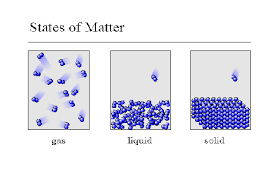
At higher temperatures
a)
particles in an object have less energy
b)
particles in an object move faster
c)
a gas contracts
69.
A gas
a)
has a definite shape but no definite volume
b)
has a definite volume but no definite shape
c)
has fast-moving particles
70.
Freezing
a)
Solid to gas
b)
Liquid to solid
c)
Gas to solid
d)
Liquid to gas
71.
Boiling
a)
liquid to gas
b)
gas to solid
c)
gas to liquid
d)
solid to liquid
72.
Which state of matter has tightly packed molecules?
a)
solid
b)
liquid
c)
gas
73.
Which state of matter has a definite shape?
a)
solid
b)
liquid
c)
gas
74.
What is happening when my ice cream changes from a solid to a liquid?
a)
freezing
b)
melting
c)
burning
d)
evaporation
75.
Define a liquid.
a)
Indefinite shape, indefinite volume
b)
Definite shape, definite volume
c)
Found in stars
d)
Definite volume, indefinite shape
76.
The state of matter that has no definite size or shape is
a)
Solid
b)
Liquid
c)
Gas
77.
Particles (molecules) in a ______________________ have more energy than the other states of matter.
a)
gas
b)
solid
c)
liquid
78.
Particles of a liquid
a)
are tightly packed together and stay in a fixed position.
b)
have no viscosity.
c)
decrease in volume with increasing temperature.
d)
are free to move around one another but still touch.
79.
What term describes a solid changing to a gas?
a)
Deposition
b)
Sublimation
c)
Evaporation
d)
Freezing
80.
Particles (molecules) in a ______________________ have more energy than the other states of matter.
a)
gas
b)
solid
c)
liquid
81.
The speed of the molecules determines the _____.
a)
volume
b)
density
c)
pressure
d)
temperature
82.
What is condensation?
a)
gas to solid
b)
gas to liquid
c)
liquid to solid
d)
solid to liquid
83.
Which has a greater distance between particles?
a)
Solid
b)
Liquid
84.
The slower the particles in a substance move,
a)
the colder it is.
b)
the warmer it is.
c)
the more energy it has.
d)
the less energy it has.
85.
Thermal energy is...
a)
heat energy.
b)
the energy of motion
c)
energy of nuclear processes.
d)
an indication of physical change.
86.
A physical change is...
a)
a change that doesn't change the identity
b)
a change that makes something new.
c)
a chemical reaction
100 %

