
 Worksheets
HBS Unit 3
Total questions: 15
Worksheet time: 18mins
Name
Class
Date
1.

Bile is made by which digestive organ?
a)
Gallbladder
b)
Stomach
c)
Rectum
d)
Liver
2.

Which digestive organ makes digestive juices to help the small intestine absorb nutrients?
a)
Liver
b)
Gallbladder
c)
Pancreas
d)
Esophagus
3.

As waste moves through the digestive system, the ______ absorbs water before storing waste in the rectum.
a)
Small intestine
b)
Stomach
c)
Esophagus
d)
Large intestine
4.
Gastric juices in the stomach digest food into a thick liquid. This is...
a)
Mechanical digestion
b)
Chemical digestion
5.
What does mucus do?
a)
Digests food in the mouth.
b)
Digests food in the stomach
c)
Protects the stomach from digesting iteself
d)
Absorbs nutrients from food so the body has energy.
6.
Which one of the following is NOT a substance typically reabsorbed by the tubules under normal healthy conditions?
a)
urea
b)
water
c)
glucose
d)
amino acids
7.
Urine is carried from the kidneys to the bladder by two thin tubes called:
a)
Ureters
b)
Tubulars
c)
Capillaries
d)
Urinary Tract
8.
Functional unit of the kidney
a)
Renal hilum
b)
nephron
c)
Renal medulla
d)
Renal pelvis
9.
What is the correct order of the steps of function within the nephron?
a)
Secretion, Reabsorption, Filtration
b)
Filtration, Secretion, Reabsorption
c)
Filtration, Reabsorption, Secretion
d)
Secretion, Filtration, Reabsorption
10.
During the process of filtration in the nephron, most of the water, glucose, and vitamins are:
a)
stored in the bladder
b)
excreted through the ureters
c)
reabsorbed into the blood
d)
concentrated in the urine
11.
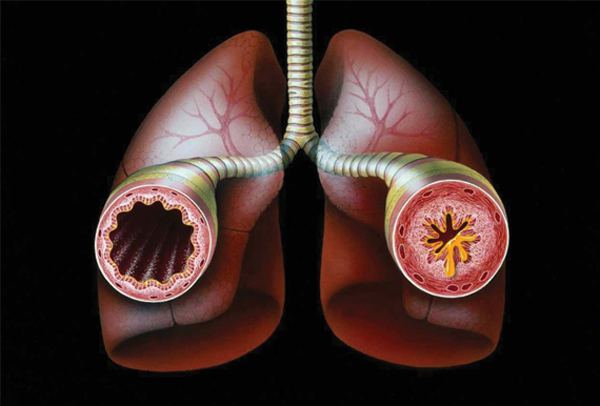
A disorder of the lungs called ____ causes the bronchi to become restricted (get smaller) so air can't get to the lungs.
a)
asthma
b)
cold
c)
influenza
d)
bronchitis
12.
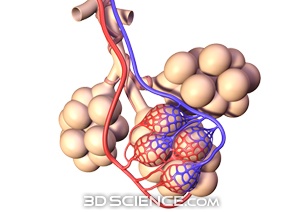
The air sacs that are covered with capillaries where gas exchange takes place
a)
bronchi
b)
lungs
c)
oxygen
d)
alveoli
13.
Which of the following is true?
a)
Oxygen diffuses along the concentration gradient from the alveoli into the capillaries
b)
Oxygen diffuses against the concentration gradient from the alveoli into the capillaries
c)
Oxygen diffuses along a concentration gradient from the capillaries to the alveoli
d)
Oxygen diffuses against the concentration gradient from the capillaries to the alveoli
14.
What is tidal volume?
a)
The volume of air inspired and expired during a normal breath at rest
b)
The volume of air inspired and expired during exercise
c)
The extra volume of air you could inspire if you wanted to
d)
The total volume of air you could possibly inspire and expire during a maximum breath in and out
15.

What is hemoglobin?
a)
A protein that carries oxygen
b)
A protein found in red blood cells
c)
A protein that gives blood its red color
d)
All of the above
100 %

