
 Worksheets
Enlightenment and Revolution pt 1
Total questions: 30
Worksheet time: 24mins
Name
Class
Date
1.
Galileo was tried for heresy because he argued
a)
That heaven did not exist
b)
That Earth revolved around the sun
c)
Against the law of gravity
d)
That the sun revolved around the Earth
2.
According to Copernicus, the sun
a)
Revolved around the earth
b)
Was the center of the Universe
c)
Was the biggest star
d)
Had many moons
3.
The idea that the earth is the center of the universe is the ___________ theory.
a)
geocentric
b)
heliocentric
c)
earthcentric
d)
world's worst
4.
The idea that the sun is the center of the universe is the ____________ theory.
a)
geocentric
b)
heliocentric
c)
solar
d)
sunny
5.
During the scientific revolution people started using experiments to test theories rather than just believing the ___________
a)
King
b)
Family
c)
Church
d)
Sir Salami
6.
The idea that the earth is the center of the universe is the ___________ theory.
a)
geocentric
b)
heliocentric
c)
earthcentric
d)
world's worst
7.
Which scientist developed laws of motion?
a)
Ptolemy
b)
Copernicus
c)
Galileo
d)
Newton
8.
The English philosopher who proposed the Scientific Method.
a)
Sir Francis Bacon
b)
Voltaire
c)
Thomas Hobbes
d)
hypothesis
9.

Who correctly determined that the heart, not the liver, pumped blood through the body?
a)
William Harvey
b)
Galen
c)
Anton van Leeuwenhoek
d)
Andreas Vesalius
10.

This is the structure of living things.
a)
humanist
b)
geocentric theory
c)
anatomy
d)
rationalism
11.
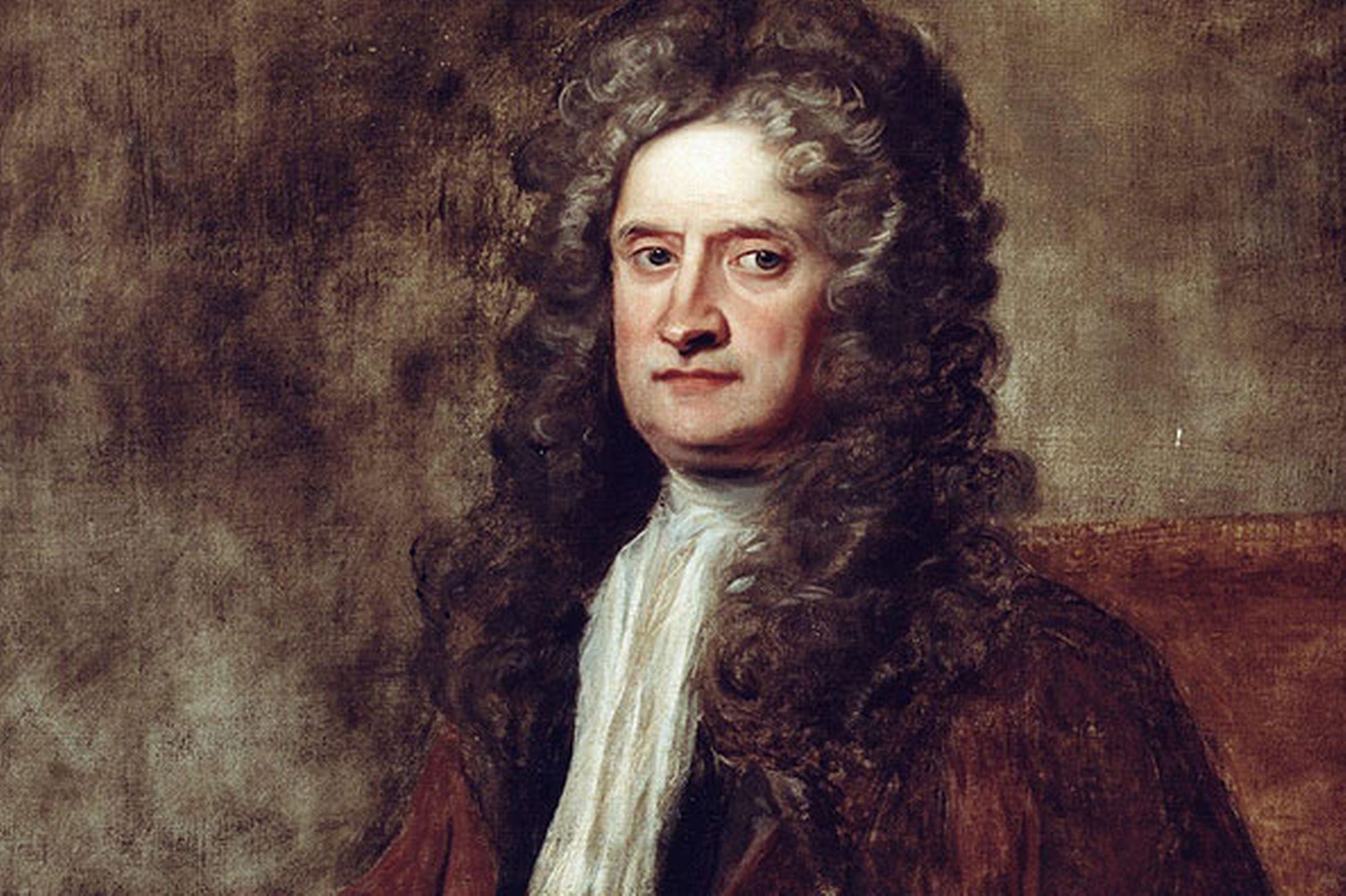
Which of the following was developed by Isaac Newton?
a)
the heliocentric theory
b)
the scientific method
c)
the theory of scientifc rationalism
d)
the theory of universal gravitation
12.
Government in which leaders rule without restrictions.
a)
Autocratic
b)
Unlimited
c)
Republic
d)
Limited
13.
The Age of Enlightenment began
a)
Before Exploration
b)
During Prehistoric Times
c)
After the American Revolution
d)
In the 17th Century
14.
Which of the following is an example of an “unlimited government?”
a)
Democracy
b)
Republic
c)
Absolute Monarch
d)
Constitutional Monarchy
15.
Many rulers came to power believing that their right to lead came from God. This is an example of:
a)
Supreme Law
b)
Divine Right
c)
Their Opinion
d)
Poor Judgement
16.
The Scientific Revolution can best be described as:
a)
A period when scientists embraced the teachings of the Church
b)
The time when the Catholic Church empathized most with scientists
c)
period when scientists began to question the old teachings of the Church
d)
Scientific property invented by astrophysicists to explain the rotation of the Earth
17.
The Enlightenment is
a)
a time of rebirth
b)
a time when science ruled
c)
a time with people used reason and logic to explain the world
d)
a time when technology ruled
18.

Enlightenment philosopher who believed men and women should be equal
a)
Voltaire
b)
Denis Diderot
c)
Mary Wollstonecraft
d)
Adam Smith
19.

Enlightenment philosopher who believed people had natural rights of life, liberty, and property.
a)
John Locke
b)
Montesquieu
c)
Rousseau
d)
Voltaire
20.

Enlightenment philosopher who believed to limit government, that it should be divided into separate branches that shared power.
a)
John Locke
b)
Montesquieu
c)
Rousseau
d)
Voltaire
21.

Enlightenment philosopher who believed people were born good, but society corrupted them.
a)
John Locke
b)
Montesquieu
c)
Rousseau
d)
Voltaire
22.
Enlightenment philosophers believe that if government abuses power the people should change it.
a)
True
b)
False
23.
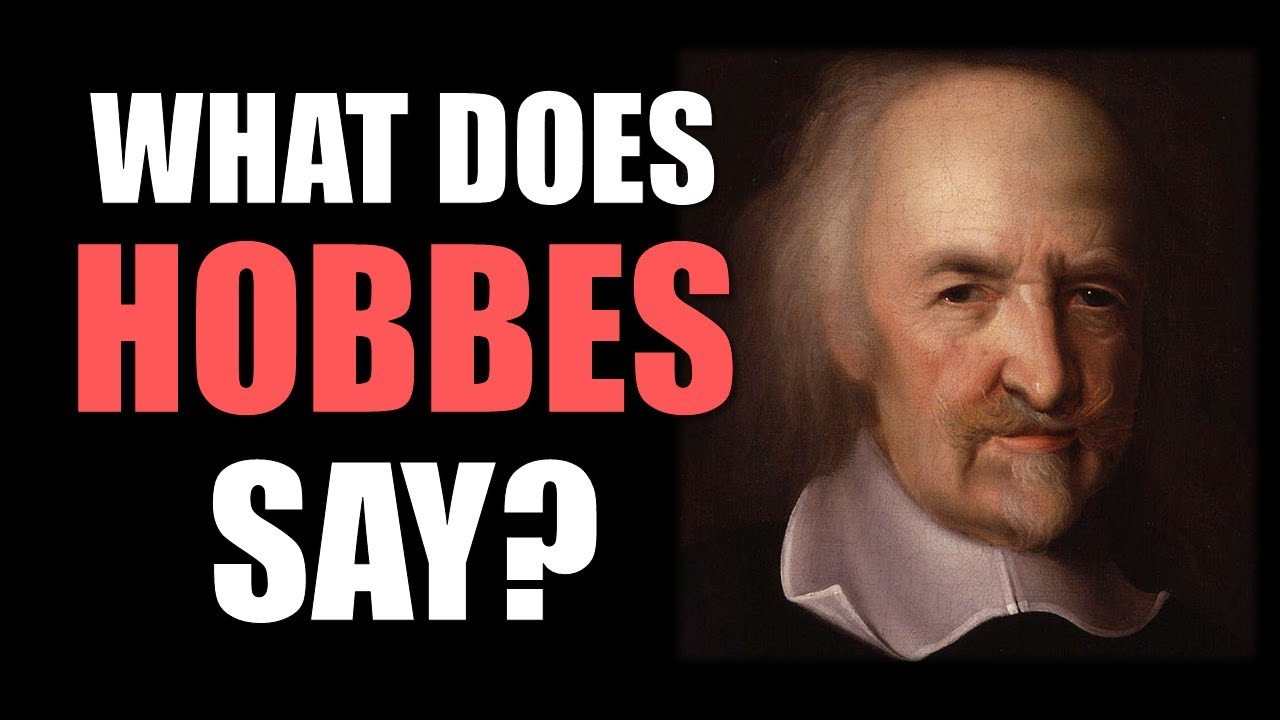
How did Hobbes view human nature?
a)
We are inquisitive and industrious.
b)
We are naturally selfish and quick to fight.
c)
We are naturally altruistic and usually willing to compromise.
d)
We are born a 'blank slate', and we develop differently according to our life's experiences..
24.

According to John Locke, why are governments created?
a)
God gives monarchs a divine right to rule over their people
b)
People are naturally selfish and need a strong ruler to create order
c)
People set up governments to protect their lives and property
d)
Civil government must be established to offset the power of the church
25.
The ability of one branch of government to limit the power of the other is called ___.
a)
a natural law
b)
checks and balances
c)
a social contract
d)
laissez-faire
26.
Which Enlightenment philosopher argued that people have the right to abolish their government and create a new one?
a)
Montesquire
b)
Locke
c)
Voltaire
d)
Rousseau
27.
An agreement between people and the government to give up some rights for safety and protection
a)
Philosophers
b)
Democracy
c)
Social Contract
d)
Divine Right of Kings
28.
Voltaire was a big believer in which of the following?
a)
Freedom of Speech
b)
People are born wicked
c)
People are born free and equal
d)
The social contract
29.
The first Encyclopedia was published by
a)
Voltaire
b)
Denis Diderot
c)
Jean Jasques Rousseau
d)
Adam Smith
30.
The Scientific Method was first proposed by
a)
Isaac Newton
b)
Francis Bacon
c)
Adam Smith
d)
John Locke
100 %

