wayground logo

Free Printable Worksheets

NEW

Font size

S
M
L
XL
Worksheets

Science Prep Course Review

Total questions: 50

Worksheet time: 43mins

Name
Class
Date
1.
The positive particles of an atom are 
a)
electrons 
b)
positrons 
c)
neutrons 
d)
protons 
2.
What is the central region of an atom where its neutrons and protons are located?
a)
nucleus 
b)
electron cloud
c)
core 
d)
center 
3.
An atom with atomic number 6 would have how many protons 
a)
6
b)
12
c)
3
d)
cannot be determined 
4.
A particle that moves around the nucleus is a(n)...
a)
Proton
b)
Neutron
c)
Electron
d)
Quark
5.
What part of an atom is NEGATIVELY charged?
a)
protons
b)
neutrons
c)
electrons
d)
atoms
6.
Which part of an atom is POSITIVELY charged?
a)
protons
b)
neutrons
c)
electrons
d)
atoms
7.
Which is not an element?
a)
Nitrogen
b)
Helium
c)
Air
d)
Oxygen
8.
Atoms combine to form _______. 
a)
electrons
b)
molecules
c)
nuclei
d)
neutrons
9.
What type of charge does a neutron hold?
a)
positive
b)
negative
c)
neutral
d)
all of them
10.
The atomic number tells you what?
a)
number of electrons
b)
number of protons
c)
number of neutrons
d)
both electrons and protons in an atom.
11.
Atoms have no electric charge because they...
a)
have an equal number of charged and non charged particles
b)
have neutrons in their nuclei
c)
have an equal number of electrons and protons
d)
have an equal number of neutrons and protons
12.
All matter is made of _________. 
a)
energy 
b)
atoms 
c)
electrons 
d)
compounds 
13.
What are the three states of matter?
a)
solid, liquid, and gas
b)
solid, water, and gas
c)
wood, liquid, and gas
d)
solid, liquid, and helium
14.
The amount of space that matter takes up is its _______.
a)
atom
b)
volume
c)
matter
d)
weight
15.
Ions are: 
a)
atoms with a positive or negative charge
b)
atoms with no charge
c)
atoms with ONLY a positive charge
d)
atoms with ONLY a negative charge
16.
What type of energy is in this picture?
a)
Kinetic
b)
Potential
c)
Electromagnetic
17.
What form of energy?
a)
Mechanical (kinetic) energy
b)
Chemical (kinetic) energy
c)
Sound (potential) energy
d)
Sound (kinetic) energy
18.
What kind of energy?
a)
Thermal (kinetic) energy
b)
Thermal (potential) energy
c)
Nuclear (kinetic) energy
d)
Mechanical (kinetic) energy
19.
What form of energy?
a)
Thermal
b)
Electrical
c)
Mechanical
d)
Radiant
20.
What kind of energy?
a)
Radiant
b)
Electrical
c)
Thermal
d)
Chemical
21.
What kind of energy?
a)
Thermal (kinetic) energy
b)
Chemical (kinetic) energy
c)
Chemical (potential) energy
d)
Mechanical (kinetic) energy
22.
the ability to do work
a)
energy
b)
Matter
c)
photons
d)
potential energy
23.
Stored energy that results from the position or shape of an object is called...
a)
Thermal
b)
Potential
c)
Kinetic
d)
Gravitational
24.
Lightning during a thunderstorm is an example of what form of energy?
a)
Radiant (potential) energy
b)
Radiant (kinetic) energy
c)
Electrical (potential) energy
d)
Electrical (kinetic) energy
25.
Which of the followings are examples of thermal energy?
a)
a violin string plucked, talking, ringing telephone
b)
boiling water, steam, heat from a flashlight
c)
candle flame, light bulb light
d)
energy from the sun (fusion, energy from a nuclear power plant (fission)
26.
What is Evaporation?
a)
1.Process of water movement through a plant from the drying up of its aerial parts
b)
2.Occurs on the surface of a liquid as it changes into the gaseous phase.
c)
3.Occurs when rain drops fall
d)
4.All of the above
27.

The classification of matter as a solid, liquid, or gas

a)

boiling point

b)

thermal energy

c)

physical state

d)

temperature

28.

A temperature scale on which water freezes at 0 degrees and boils at 100 degrees

a)

boiling point

b)

farenheit

c)

celsius

d)

temperature

29.

___ is the physical change in matter from a gas to a liquid

a)

boiling point

b)

freezing point

c)

melting point

d)

condensation

30.

The temperature at which a substance changes from a liquid to a solid (for water, this is 0 degrees Celsius, 32 degrees Fahrenheit)

a)

freezing point

b)

boiling point

c)

melting point

d)

evaporation

31.

The temperature at which a substance changes from a solid to a liquid (for water, this is 0 degrees Celsius, 32 degrees Fahrenheit)

a)

boiling point

b)

freezing point

c)

melting point

d)

evaporation

32.

___ is the physical change in a matter from a liquid to a gas

a)

evaporation

b)

melting point

c)

boiling point

d)

condensation

33.

The temperature at which a substance changes from liquid to gas (for water this is 100 degrees Celsius, 212 degrees Fahrenheit)

a)

boiling point

b)

melting point

c)

evaporation

d)

condensation

34.
Cattle egrets forage (feed) in fields among cattle. The egret gets easy access to flying insects stirred up by the cattle, and the cattle don't care if they are there or not.
a)
mutualism
b)
commensalism
c)
competition
d)
parasitism
35.
A relationship between two organisms in which one organism benefits and the other is unharmed...
a)
Mutualism 
b)
Competition
c)
Parasitsm 
d)
Commensalism 
36.
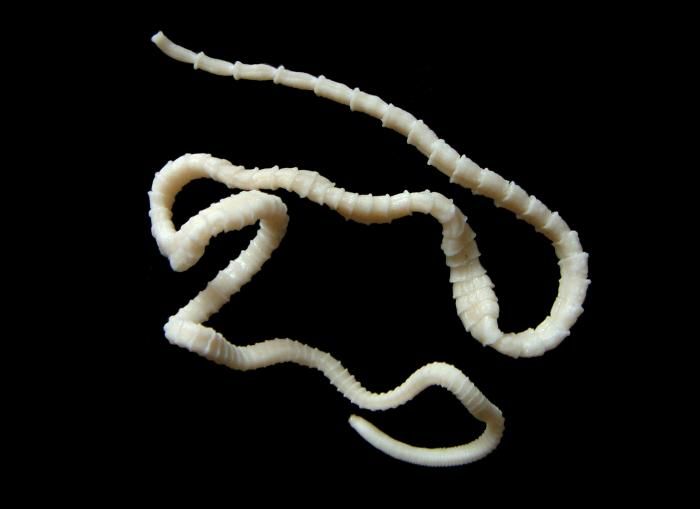
A tapeworm and a cat have this type of relationship.
a)
mutualism
b)
parasitism
c)
commensalism
d)
competition
37.
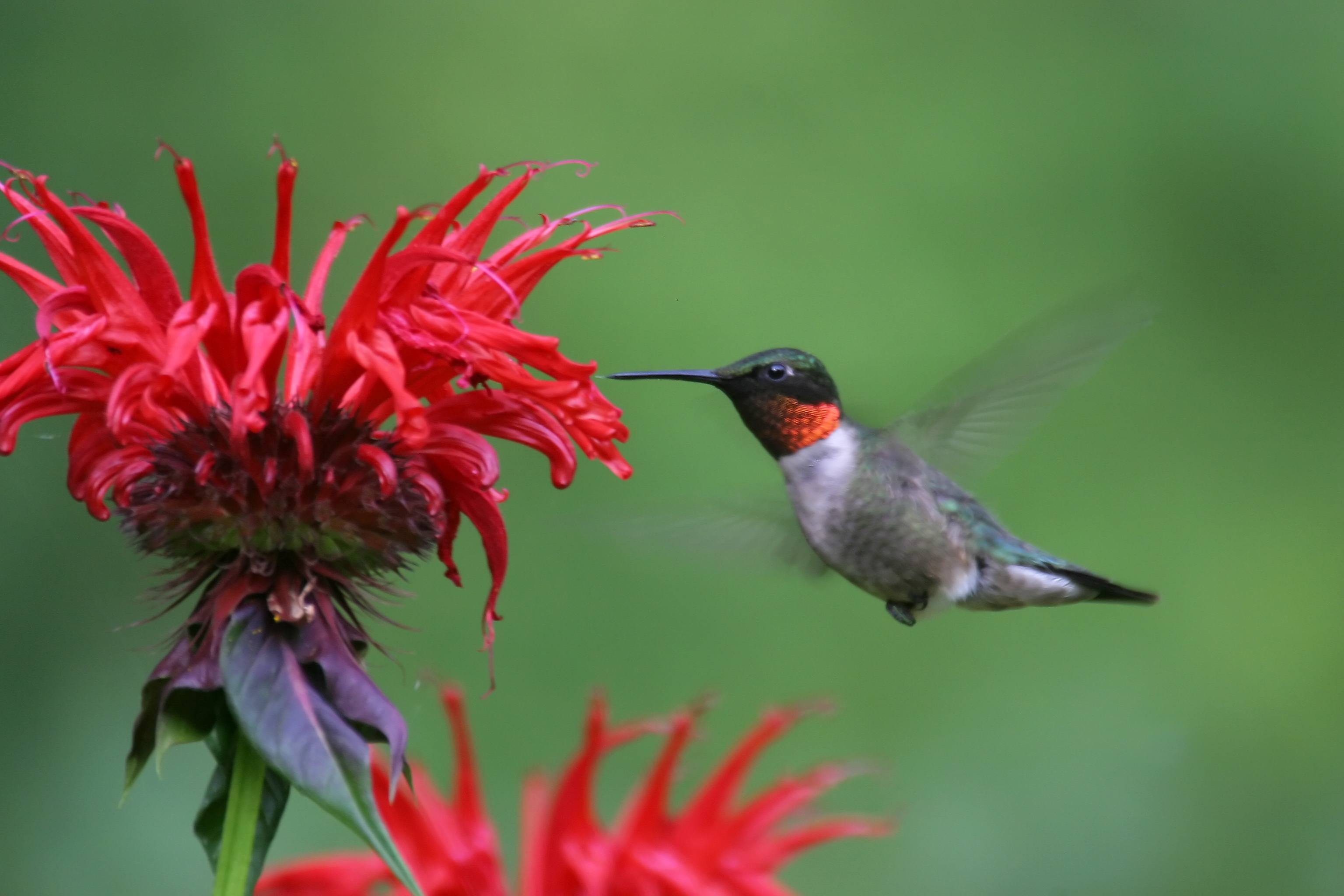
What type of symbiosis?  Hummingbirds feed on nectar from flowers.  The flowers are pollinated by hummingbirds as they move from flower to flower.
a)
commensalism
b)
mutualism
c)
parasitism
d)
predation
38.
Which symbols best describe parasitism?
a)
+,+
b)
+,-
c)
+,0
d)
-,0
39.
A relationship between two organisms in which both organisms benefit. 
a)
Mutualism 
b)
Competition
c)
Parasitsm 
d)
Commensalism 
40.
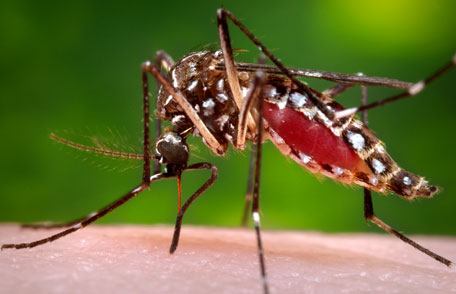
When a mosquito bites you, you are the __________ and the mosquito is the  ____________.
a)
host, hostess
b)
parasite, host
c)
host, parasite
d)
prey, predator
41.
What word describes the process of having the advantageous traits that helps an organism survive  and reproduce?
a)
natural selection
b)
adaptation
c)
mutation
d)
genetic engineering
42.
What is unicellular? 
a)
one cell 
b)
many cells 
c)
no nuclues 
d)
DNA 
43.
What is multicellular? 
a)
one cell 
b)
no cells 
c)
many cells 
d)
no nucleus 
44.
What type of cell does not have a nucleus?
a)
eukaryotic 
b)
prokaryotic 
45.

Who is the predator in this image?

a)

The Owl

b)

The mouse

c)

The Snow

d)

The wind

46.

All plants are ________________.

a)

Producers

b)

Consumers

47.

What is the producer in this food chain?

a)

Python

b)

Frog

c)

Grasshopper

d)

Grass

48.
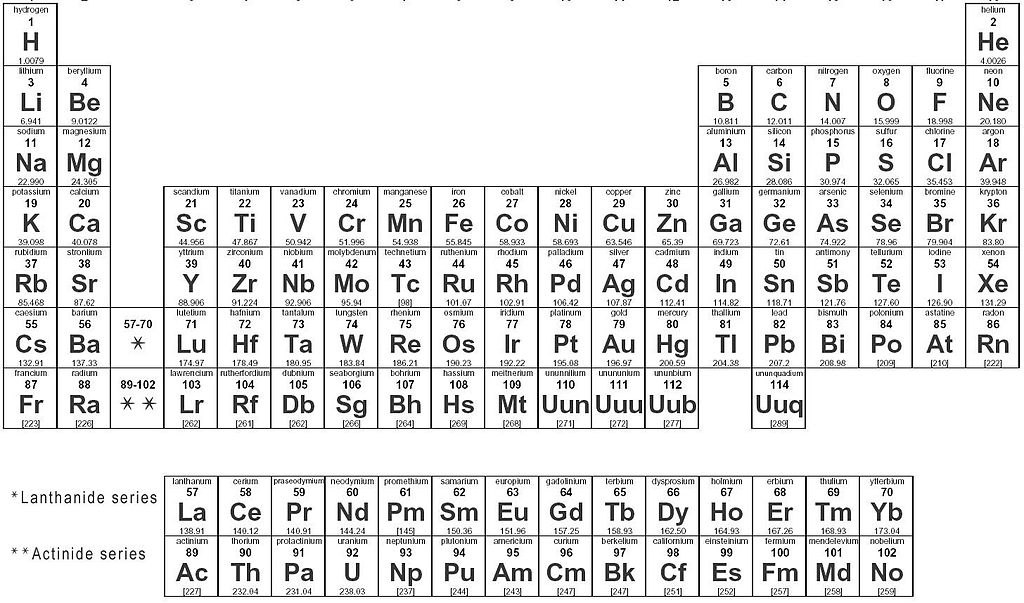
Which of the following elements is a metal?
a)
calcium
b)
chlorine
c)
iodine
d)
oxygen
49.
Which of the following elements is a metal?
a)
calcium
b)
chlorine
c)
iodine
d)
oxygen
50.
Is gold metal or nonmetal?
a)
metal
b)
nonmetal