
 Worksheets
Science Review Week 1
Total questions: 75
Worksheet time: 1hrs 9mins
Name
Class
Date
1.

Which organism do the owl and the weasel compete for in the food web?
a)
Hawk
b)
Spider
c)
Grasshopper
d)
Shrew
2.

Which of the following is a herbivore?
a)
cricket
b)
frog
c)
hawk
d)
shrew
3.

How many carnivores are shown in this food web?
a)
6
b)
4
c)
5
d)
3
4.
What might happen if you remove a primary consumer from the ecosystem?
a)
There would be more food for secondary consumers.
b)
The number of primary consumers would increase.
c)
The number of plants would increase.
d)
The number of secondary consumers would increase.
5.

Which of the following would be the most likely effect, if there were a sudden increase in the cricket population?
a)
There would be a decrease in the small bird population.
b)
There would be a decrease in the grass/flowers population.
c)
There would be a decrease in the mice population.
d)
There would be an increase in the grass/flowers population.
6.
A consumer that hunts is called:
a)
a producer.
b)
an omnivore.
c)
a predator.
d)
a herbivore.
7.
A frog eats a fly. The frog and fly are demonstrating ________.
a)
mutualism
b)
competition
c)
predator/prey
d)
parasitism
8.

How many herbivores are in this web?
a)
1
b)
2
c)
3
d)
4
9.

How many primary consumers are there in this food web?
a)
1
b)
2
c)
3
d)
4
10.
Example of a consumer
a)
worm
b)
bacteria
c)
mushroom
d)
hawk
11.
Example of a decomposer
a)
fungus
b)
mouse
c)
plants
d)
frogs
12.
A tree is a ....
a)
composer
b)
decomposer
c)
producer
13.
Humans are considered...
a)
consumers
b)
decomposers
c)
producers
14.
Worms are considered...
a)
producer
b)
consumer
c)
decomposer
15.
Frogs are considered...
a)
consumers
b)
decomposers
c)
producers
16.
Grass is considered a ...
a)
consumer
b)
producer
c)
decomposer
17.

What is a producer?
a)
an organism that gets energy from eating other organisms
b)
an organisms that uses sunlight to make its own food
c)
an organism that gets energy from eating dead organisms, non-living material or waste
d)
an organism that uses chemical energy to make its own food
18.

What is a herbivore?
a)
an animal that gets energy from eating other animals
b)
an organism that gets energy from eating only plants
c)
an animal that gets energy by eating both plants and other animals
d)
an animal that eats only herbs
19.

An organism that gets energy from eating other organisms is a ______________
a)
producer
b)
consumer
c)
decomposer
d)
prey
20.

A connection of food chains with many food energy paths in an ecosystem is a ____________
a)
ecosystem
b)
food web
c)
environment
d)
population
21.

An animal that is hunted and eaten for food is a
a)
predator
b)
prey
c)
population
22.
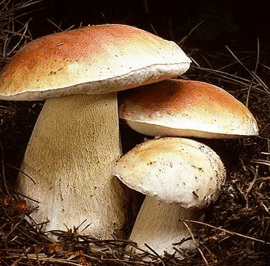
An organism that gets energy from breaking down dead organisms, non-living material or waste
a)
producer
b)
consumer
c)
decomposer
d)
autotroph
23.

An animal that gets energy from eating both plants and animals is a
a)
herbivore
b)
carnivore
c)
omnivore
d)
autotroph
24.

Which of the following is NOT a consumer
a)
grass
b)
dog
c)
shark
d)
fish
25.

Where do all life forms get their energy?
a)
Earth's Core
b)
Water
c)
Plants
d)
The Sun
26.
The arrows in a food chain or web represents what?
a)
They point to the organism that is being eaten.
b)
It shows how sunlight flows within an ecosystem.
c)
They show what direction the energy is flowing between organisms.
d)
They represent how water is transferred within a habitat.
27.

What is this called?
a)
Food Web
b)
Food Chain
c)
Abiotic Factors
28.

What is this called?
a)
Food Web
b)
Food Chain
c)
Abiotic Factors
29.
If a frog is the prey, what could be the predator?
a)
Grass
b)
Insect
c)
Snake
d)
Snail
30.
What is the name for the organism that eats the primary consumer?
a)
secondary consumer
b)
tertiary consumer
c)
producer
d)
decomposer
31.

In this food chain, what will happen if the frogs become extinct?
a)
The snakes will increase.
b)
The grasshoppers will decrease.
c)
The eagles will remain the same.
d)
The grasshoppers will increase.
32.

A food chain shows the transfer of ___ from one organism to another.
a)
matter
b)
consumers
c)
energy
d)
habitat
33.
Which of the following food chains shows the correct energy flow left to right?
a)
rabbit-coyote-grass
b)
grass-rabbit-coyote
c)
coyote-rabbit-grass
d)
grass-coyote-rabbit
34.
Grass is considered a ...
a)
consumer
b)
producer
c)
decomposer
d)
composers
35.
How do producers obtain energy?
a)
They conduct photosynthesis.
b)
They consume plants.
c)
They consume primary consumers.
d)
They consume secondary consumers.
36.
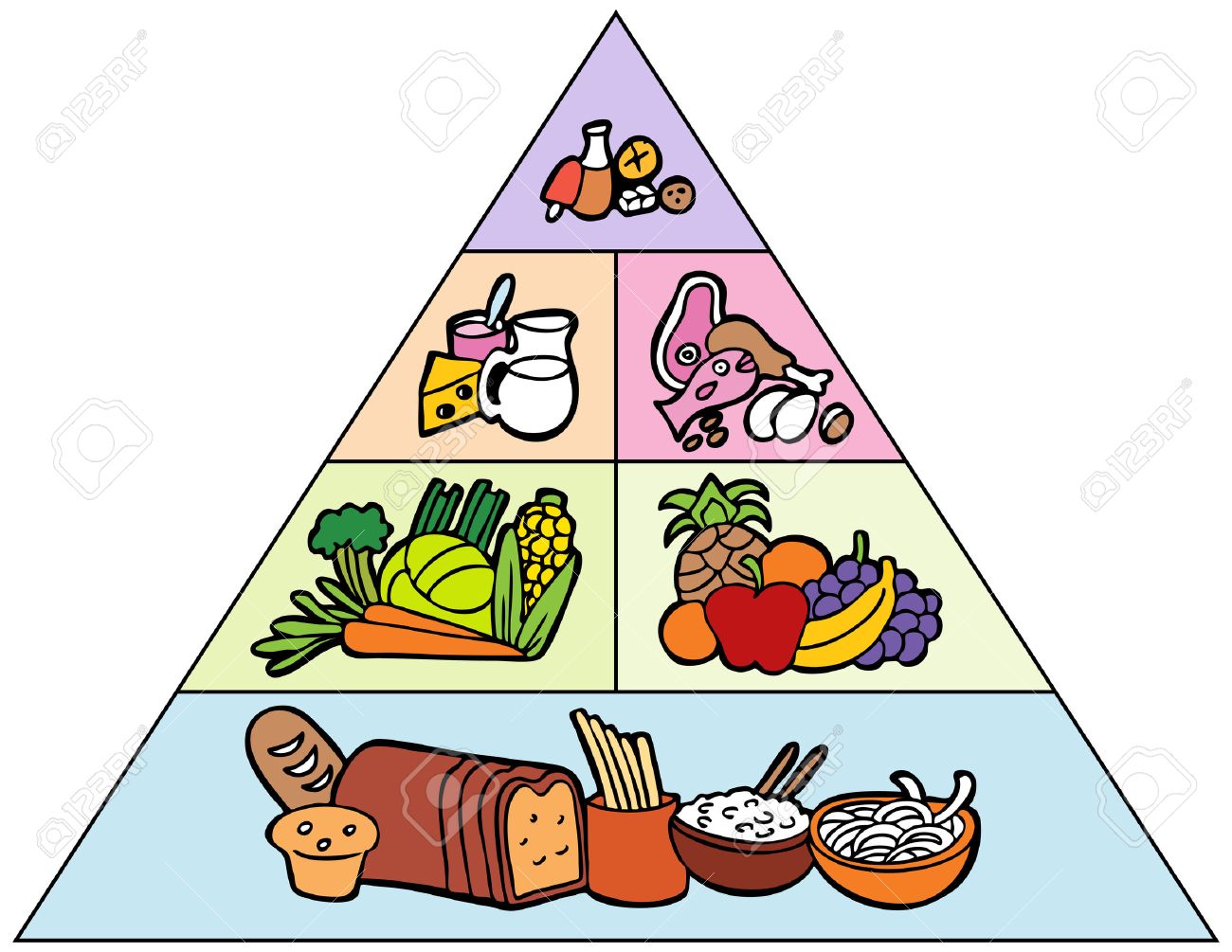
What is it?
a)
EGYPTIAN PYRAMID
b)
FOOD PYRAMID
c)
PYRAMID
d)
FOOD
37.

A DECOMPOSER
a)
Makes its own energy
b)
Eats other organisms
c)
Eats DEAD organisms
38.

A PLANT is a
a)
Producer
b)
Consumer
c)
Decomposer
39.

A PLANT EATER is a
a)
Herbivore
b)
Carnivore
c)
Omnivore
d)
Producer
40.

A MUSHROOM is a
a)
Herbivore
b)
Carnivore
c)
Omnivore
d)
Decomposer
41.

Which is the PRODUCER?
a)
Lettuce
b)
Slug
c)
Bird
d)
Cat
42.

Which is a HERBIVORE?
a)
Lettuce
b)
Slug
c)
Bird
d)
Cat
43.

Which is/are CARNIVORES?
a)
Slug and Bird
b)
Slug and Cat
c)
Bird and Cat
d)
Cat only
44.

Where does the LETTUCE get its energy?
a)
The sun
b)
The slug
c)
The bird
d)
The cat
45.

Where does the BIRD get its energy?
a)
The sun
b)
The slug
c)
The bird
d)
The cat
46.

Where does the CAT get its energy?
a)
The sun
b)
The slug
c)
The bird
d)
The cat
47.

A CONSUMER
a)
Makes its own energy
b)
Eats other organisms
c)
Eats DEAD organisms
48.
A spinning motion on an axis
a)
rotation
b)
revolution
49.
The Earth completes one of these every 365.25 days
a)
rotation
b)
revolution
50.
This is the reason we experience day and night
a)
rotation
b)
revolution
51.
The motion of one object around another object
a)
rotation
b)
revolution
52.
This, along with the tilt of the Earth, is the reason we experience different seasons
a)
rotation
b)
revolution
53.
Takes about 24 hours to complete one
a)
rotation
b)
revolution
54.
When one side of the Earth is having daytime, the other side is having nighttime
a)
rotation
b)
revolution
55.
The Earth orbits around the sun
a)
rotation
b)
revolution
56.
The seasons change as the Earth orbits around the sun
a)
rotation
b)
revolution
57.
The sun appears to rise in the east and set in the west
a)
rotation
b)
revolution
58.
Completed in one year
a)
rotation
b)
revolution
59.
As the Earth orbits, the part of the Earth tilted toward the sun is having spring and summer
a)
rotation
b)
revolution
60.
The Earth spins at a constant speed, always in the same direction
a)
rotation
b)
revolution
61.
Sunset happens as we begin to turn away from the sun
a)
rotation
b)
revolution
62.
Each season lasts about three months
a)
rotation
b)
revolution
63.
We don't feel the Earth spin because it spins smoothly, never changing pace
a)
rotation
b)
revolution
64.
Places near the equator don't have much change in season because those places are always close to the sun
a)
rotation
b)
revolution
65.
As the Earth orbits, the part of the Earth tilted away from the sun is having fall and winter
a)
rotation
b)
revolution
66.
Which of the following is a fossil fuel?
a)
Wind
b)
Coal
c)
Solar
d)
Biomass
67.
Hydroelectric power produces electricity using.....
a)
Wind
b)
Sunlight
c)
Moving water
d)
Dung
68.
Energy from the sun is known as.........
a)
hydroelectric energy
b)
geothermal energy
c)
solar energy
d)
wind energy
69.
Which of the following is a nonrenewable resource?
a)
milk
b)
coal
c)
biomass
d)
water
70.
What is biomass?
a)
energy from the sun
b)
energy from water
c)
energy from wind
d)
energy from plant and animal waste
71.
Wind, geothermal, and solar energy are all what type of energy resources?
a)
cheap
b)
potential
c)
renewable
d)
chemical
72.
One problem with ____ energy is that it produces radioactive waste.
a)
nuclear
b)
solar
c)
tidal
d)
wind
73.
Hot water is pumped up from deep inside Earth and is used to heat homes or to generate electricity. This describes...
a)
biofuels
b)
hydroelectric energy
c)
geothermal energy
74.
Wind energy is
a)
generated from moving water
b)
starts with moving air and generates electricity
c)
starts with the sun
d)
comes from the earth
75.

Which type of alternative energy source is shown in this picture?
a)
Wind
b)
Solar
c)
Hydroelectric
d)
Geothermal
100 %

