wayground logo

Free Printable Worksheets

NEW

Font size

S
M
L
XL
Worksheets

Semester Review

Total questions: 74

Worksheet time: 1hrs 5mins

Name
Class
Date
1.
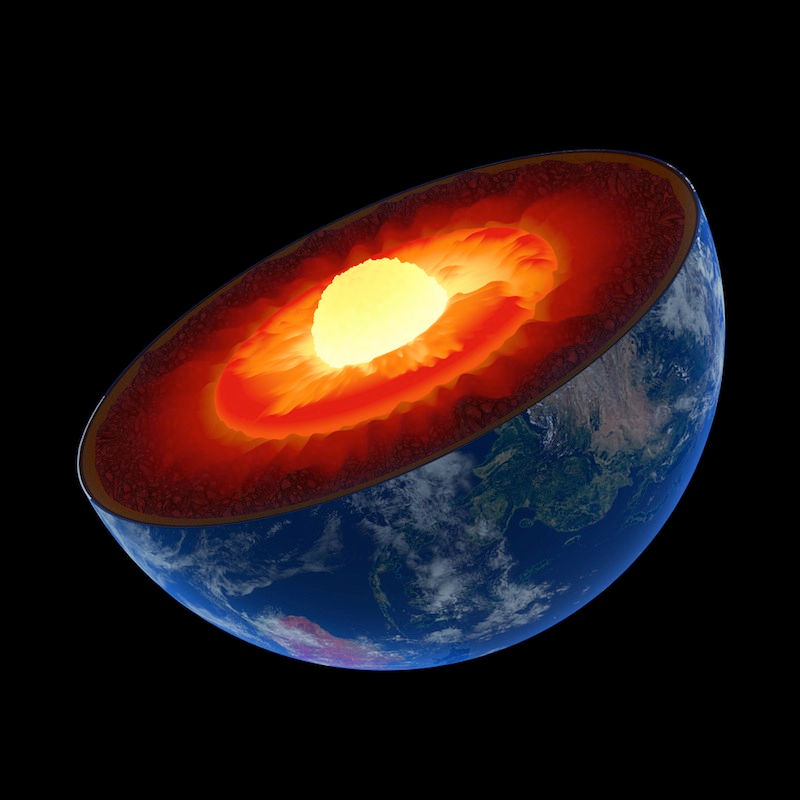
You live, breathe, and eat on this layer.
a)
Outer Core
b)
Inner Core
c)
Mantle
d)
Crust
2.
You live, breathe, and eat on this layer.
a)
Outer Core
b)
Inner Core
c)
Mantle
d)
Crust
3.
Which layer is considered the thinnest layer?
a)
Mesosphere
b)
Core
c)
Mantle
d)
Crust
4.
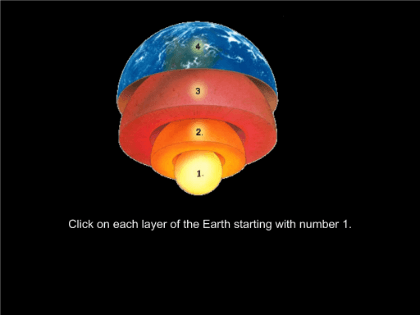
Which layer is the OUTER CORE?
a)
1
b)
2
c)
3
d)
4
5.
Which layer is the INNER CORE?
a)
1
b)
2
c)
3
d)
4
6.
Which layer is the MANTLE?
a)
1
b)
2
c)
3
d)
4
7.
Which layer is the CRUST?
a)
1
b)
2
c)
3
d)
4
8.
Which layer is the INNER CORE?
a)
1
b)
2
c)
3
d)
4
9.
Which layer is the MANTLE?
a)
1
b)
2
c)
3
d)
4
10.
Which layer is the OUTER CORE?
a)
1
b)
2
c)
3
d)
4
11.
Which layer is the CRUST?
a)
1
b)
2
c)
3
d)
4
12.
Name this boundary
a)
Convergent
b)
Divergent
c)
Transform
d)
Sergent
13.
Name the boundary
a)
convergent
b)
transform
c)
divergent
d)
sergent
14.
Name the boundary
a)
divergent
b)
convergent
c)
transform
d)
sergent
15.
Mountains form from....
a)
Plates sliding past one another
b)
collision of plates
c)
plates moving away from each other
d)
none of these
16.
Earth's plates are....
a)
Constantly moving and changing the face of the Earth
b)
Never moved
c)
Move seldom and very fast
d)
move when they feel like it
17.
Plate movement is caused by _____
a)
The rotation of the Earth
b)
Ocean tides
c)
Convection current in the mantle
d)
The moon's gravity
18.
Plates moving apart would be...
a)
convergent
b)
divergent
c)
transform
19.
What type of boundary creates a new seafloor?
a)
convergent continental to continental
b)
convergent ocean to continental
c)
convergent ocean to ocean
d)
divergent 
20.

Name Plate 7

a)

North American Plate

b)

South American Plate

c)

Indo-Australian Plate

d)

Eurasian Plate

21.

Name Plate 1

a)

North American Plate

b)

South American Plate

c)

Pacific Pate

d)

Eurasian Plate

22.

Name Plate 6

a)

North American Plate

b)

South American Plate

c)

Pacific Pate

d)

Eurasian Plate

23.

Name Plate 5

a)

North American Plate

b)

South American Plate

c)

Pacific Pate

d)

Eurasian Plate

24.

Name Plate 3

a)

North American Plate

b)

African Plate

c)

Pacific Pate

d)

Eurasian Plate

25.
This layer contains the upper mantle and the crust.
a)
Mesosphere
b)
Asthenosphere
c)
Lithosphere
d)
Core
26.
This layer is divided into pieces called tectonic plates.
a)
Mesosphere
b)
Asthenosphere
c)
Mantle
d)
Lithosphere
27.
This is the plastic layer of the mantle on which pieces of the lithosphere move.
a)
Lithosphere
b)
Asthenosphere
c)
Mesosphere
d)
Crust
28.
What observation can we make about Earth’s lithosphere AND asthenosphere?
a)
The asthenosphere floats on top of the lithosphere.
b)
The crust and the core make up the lithosphere.
c)
The crust and mantle make up the asthenosphere. 
d)
The lithosphere floats on top of the asthenosphere
29.
In convection, WARM air
a)
Rises
b)
Sinks
30.
In convection, COOL air
a)
Rises
b)
Sinks
31.
This layer contains the upper mantle and the crust.
a)
Mesosphere
b)
Asthenosphere
c)
Lithosphere
d)
Core
32.
This layer is divided into pieces called tectonic plates.
a)
Mesosphere
b)
Asthenosphere
c)
Mantle
d)
Lithosphere
33.
This is the plastic layer of the mantle on which pieces of the lithosphere move.
a)
Lithosphere
b)
Asthenosphere
c)
Mesosphere
d)
Crust
34.
A layer made of rock that is softer and can flow
a)
crust
b)
lithosphere
c)
asthenosphere
d)
mesosphere
35.

Which type of rock results from melting and cooling of magma?

a)

Igneous

b)

Metamorphic

c)

Sedimentary

d)

Extrusive

36.

Which type of rock forms from extreme heat and pressure?

a)

Igneous

b)

Sedimentary

c)

Organic

d)

Metamorphic

37.

A metamorphic rock changes into an igneous rock by what two processes?

a)

Melting and cooling

b)

Extreme heat and pressure

c)

Compaction and cementation

d)

Weathering and erosion

38.

Wind, water, and ice breaking down rock is called

a)

Erosion

b)

Deposition

c)

Compaction

d)

Weathering

39.

The process in which dissolved minerals crystallize and glue sediment together.

a)

compaction

b)

deposition

c)

organic rock

d)

cementation

40.
When sediments are pressed together tightly, this is called ____________.
a)
Compaction
b)
Cementation
c)
Weathering
d)
Erosion
41.
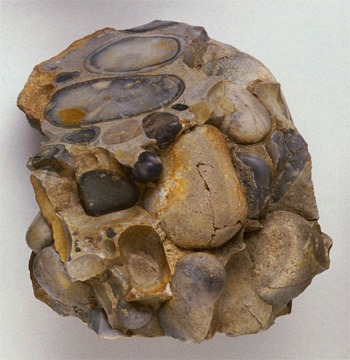
This rock was formed by smaller pieces of rock that settled at the bottom of a lake millions of years ago. What type of rock is this?
a)
Sedimentary
b)
Igneous
c)
Metamorphic
42.
What are the 3 major types of rocks?
a)
Igneous, Metamorphic, Sedimentary
b)
Metamorphic, Igneous, Cementation
c)
Brown, Red, Gray
d)
Streak, Hardness, Breakage
43.
This rock started as molten magma. What type of rock is this?
a)
Sedimentary
b)
Igneous
c)
Metamorphic
44.
This rock is made from tiny pieces of other rocks that settled to the bottom of a valley millions of years ago. What type of rock is this?
a)
Sedimentary
b)
Igneous
c)
Metamorphic
45.
This rock was molten magma that slowly cooled under the ground. What type of rock is this?
a)
Sedimentar
b)
Igneous
c)
Metamorphic
46.
This rock cooled on the outside of a volcano and contained air bubbles when it was forming. What type of rock is this?
a)
Sedimentary
b)
Igneous
c)
Metamorphic
47.
After lots of time, pressure, and heat, you get this kind of rock. What type of rock is this?
a)
Sedimentary
b)
Igneous
c)
Metamorphic
48.
Fossils are often found in ____________ because it is formed from the remains of once living things.
a)
metamorphic
b)
magma
c)
igneous
d)
sedimentary
49.
This rock was formed by lots of fossils that settled on top of each other over time. What type of rock is this?
a)
Sedimentary
b)
Igneous
c)
Metamorphic
50.
Rock that forms when minerals form from solutions or sediment from older rocks get pressed and cemented together.
a)
Sedimentary Rock
b)
Metamorphic Rock
c)
Igneous Rock
51.

Rock that forms when pressure, temperature, or chemical processes change existing rock.

a)

Igneous Rock

b)

Sedimentary Rock

c)

Metamorphic Rock

d)

Rock Cycle

52.

The process by which metamorphic rocks are formed...

a)

heat and pressure

b)

compaction and cementation

c)

melting and cooling

53.

The process by which igneous rocks are formed...

a)

heat and pressure

b)

melting and cooling

c)

compaction and cementation

54.

A metamorphic rock can become ______.

a)

igneous

b)

metamorphic

c)

sedimentary

d)

all of these

55.

An igneous rock can become ______.

a)

metamorphic

b)

sedimentary

c)

igneous

d)

all of these

56.

The name rock is given when it is broken down into smaller pieces.

a)

texture

b)

weathering

c)

sediment

d)

erosion

57.
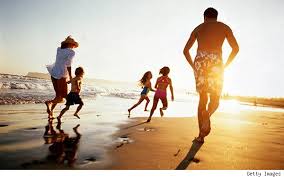
The sun shines down on this family as the play on the beach.
a)
conduction
b)
convection
c)
radiation
58.
A group of friends gather around a fire to stay warm.
a)
conduction
b)
convection
c)
radiation
59.
Walking on the warm sand sand with your bare feet.
a)
conduction
b)
convection
c)
radiation
60.
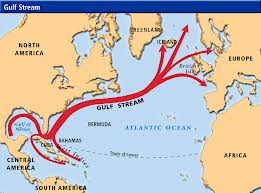
The Gulf Stream is a current that brings warm ocean water from the south to the north.
a)
conduction
b)
convection
c)
radiation
61.
Which direction will the heat flow while this person holds a hot cup of tea?
a)
from the cup to her hand
b)
from her hand to the cup
c)
no heat is transferred
62.
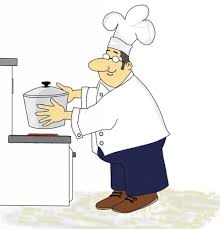
The man goes to take the hot pot off the stove with his bare hands.
a)
conduction
b)
convection
c)
radiation
63.
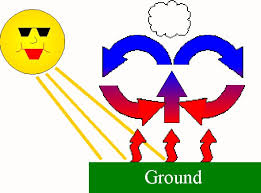
Warm air rises and the cool air sinks.
a)
conduction
b)
convection
c)
radiation
64.
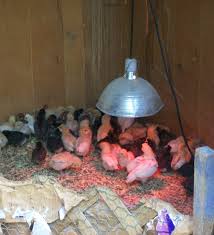
The baby chickens are kept warm from the heat lamps.
a)
conduction
b)
convection
c)
radiation
65.
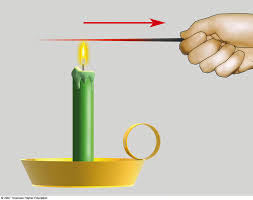
The candle will slowly heat the metal and transfer the heat directly to the mans hand.
a)
conduction
b)
convection
c)
radiation
66.
Heat transfers from an area of ____temperature to an area of ___ temperature.
a)
high to low
b)
low to high
c)
high to high
67.
The type of heat transfer that happens through direct contact of molecules or particles with each other is ___________________.
a)
Convection
b)
Conduction
c)
Radiation
d)
insulation.
68.
___________________ is the type of heat transfer that occurs in fluids, such as warm air rising and cold air sinking; creating wind.
a)
Convection
b)
Conduction
c)
Radiation
d)
insulation.
69.
The handle of a metal spoon warms up when it is placed in a hot bowl of soup because of
a)
Convection
b)
Conduction
c)
Radiation
d)
insulation.
70.
When you use a microwave, what is the main way that heat is transferred?
a)
Convection
b)
Conduction
c)
Radiation
d)
insulation.
71.
A group of friends gather around a fire to stay warm.
a)
conduction
b)
convection
c)
radiation
72.
A toaster toasting bread is an example of 
a)
condensation
b)
conductio
c)
convection
d)
radiation
73.
Blow drying your wet hair.
a)
conduction
b)
convection
c)
radiation
74.
In some cultures, walking on fire is the ultimate sign of strength.
a)
conduction
b)
convection
c)
radiation