
 Worksheets
Energy for the Body
Total questions: 40
Worksheet time: 30mins
Name
Class
Date
1.
Arteries carry oxygen rich blood away from the heart.
a)
True
b)
False
2.
Veins carry oxygen poor blood back to the heart.
a)
False
b)
True
3.
The job of the heart is to . . .
a)
pump blood around the body.
b)
send food to the small intestines.
c)
break down food.
d)
give energy to the body.
4.
______________ are the smallest blood vessels.
a)
Arteries
b)
Veins
c)
Capillaries
5.
The circulatory system works with the ___________ system to provide our body with oxygen.
a)
respiratory
b)
digestive
c)
muscular
d)
skeletal
6.
The circulatory system works with the __________ system to obtain energy from nutrients that we eat.
a)
respiratory
b)
digestive
c)
skeletal
d)
nervous
7.
Which is the correct definition of the Circulatory system?
a)
The system fights disease so the body stays healthy.
b)
The system that circulates blood and oxygen through the body, consisting of the heart,blood vessels,and blood.
c)
Breaks down food into smaller pieces and absorbs those nutrients into the body.
d)
Provides shape and structure for the body.
8.

What is the Circulatory System also known as?
a)
The heart
b)
Cardiovascular System
c)
Nervous System
d)
Aorta
9.

What do Red-Blood cells do?
a)
Carry oxygen from the lungs to the body cells and transport carbon dioxide from the cells back to the lungs
b)
keeps blood flowing in one direction to the heart and prevent blood from flowing backwards
c)
Collects blood from the capillaries and drain it into the veins
d)
Bring nutriients to the cells and carries away waste materials.
10.
Inhale!!!!
Your lungs are ___________ air
Your lungs are ___________ air
a)
taking in
b)
letting out
11.
EXHALE!!!
My lungs are __________________ air.
My lungs are __________________ air.
a)
taking in
b)
letting out
12.
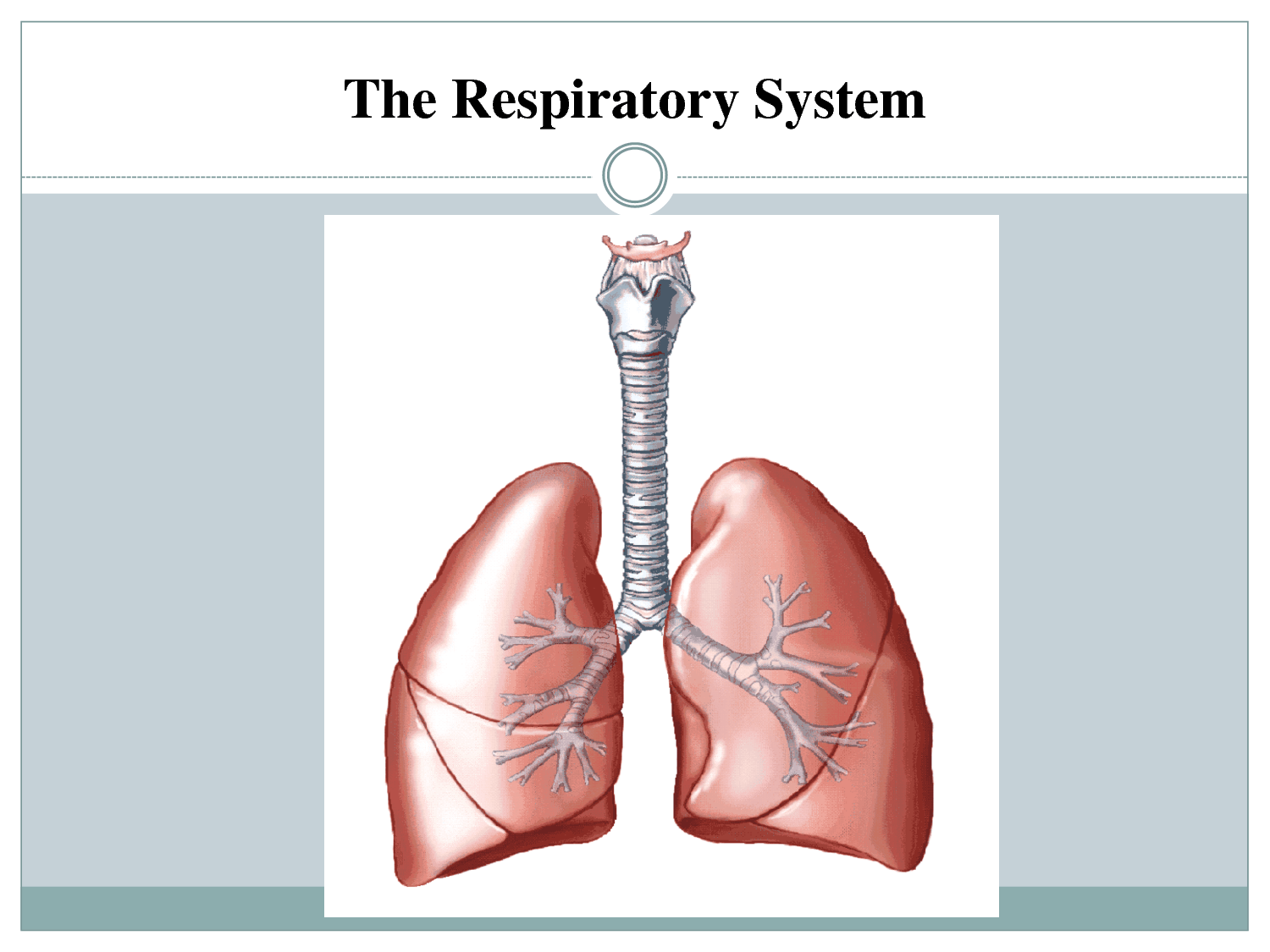
What is the main function of the respiratory system?
a)
to provide oxygen and remove carbon dioxide from the body
b)
to bring oxygen to the body
c)
to break down food and absorb nutrients
d)
to remove oxygen from the body and deliver carbon dioxide
13.
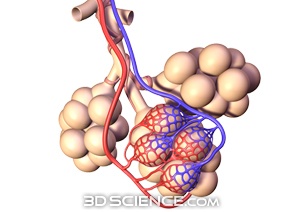
When you breathe, your lungs take in ___ and remove ___.
a)
air/oxygen
b)
oxygen/carbon dioxide
c)
carbon dioxide/waste
d)
waste/air
14.
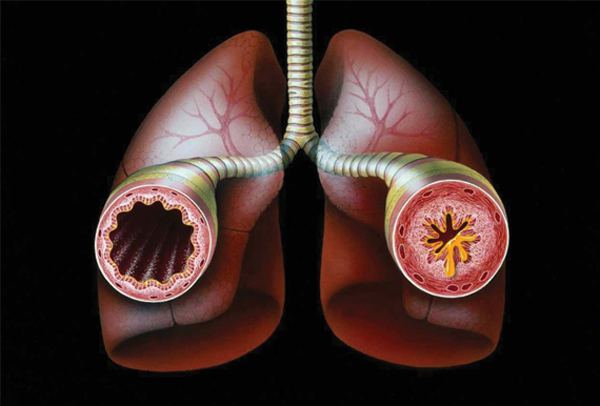
A disorder of the lungs called ____ causes the bronchi to become restricted (get smaller) so air can't get to the lungs.
a)
asthma
b)
cold
c)
influenza
d)
bronchitis
15.
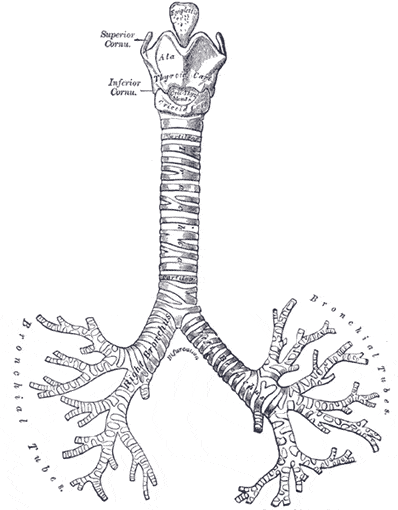
The two main branches from the trachea (one to each lung)
a)
bronchi
b)
alveoli
c)
capillaries
d)
bronchioles
16.
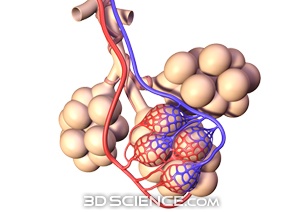
The air sacs that are covered with capillaries where gas exchange takes place
a)
bronchi
b)
lungs
c)
oxygen
d)
alveoli
17.
What is the main bone structure that protects the lungs
a)
Vertebrae
b)
Rib cage
c)
Skull
d)
Pelvis
18.

Blood has how many parts?
a)
1
b)
2
c)
3
d)
4
19.

These blood cells are the protectors and help fight off disease.
a)
Red blood cells
b)
White blood cells
c)
Plasma
d)
Platelets
20.

This part of blood helps it clot, when you get cut.
a)
Red blood cells
b)
Plasma
c)
Platelets
d)
White blood cells
21.

These blood cells deliver oxygen to the parts of the body.
a)
Red
b)
White
c)
Patelets
d)
Plasma
22.
What does blood transport?
a)
Nutrients
b)
Oxygen
c)
Carbon Dioxide
d)
All of the above
23.

Tube that carries swallowed food to the stomach
a)
esophagus
b)
liver
c)
pancreas
d)
rectum
24.
Food is broken down to supply energy for your body in the ____________
a)
digestive system
b)
endocrine system
c)
excretory system
d)
reproductive system
25.
What happens when the food goes to the small intestine?
a)
nutrients gets into the blood
b)
the food keeps on going
c)
nothing
26.
Chewing food is an example of _____________.
a)
chemical digestion
b)
mechanical digestion
27.
The main purpose of the large intestine.
a)
absorb hormones
b)
absorb protein
c)
absorb nutrients
d)
absorb water
28.
The organ that stores bile.
a)
gall bladder
b)
stomach
c)
liver
d)
appendix
29.
Which of the following is NOT part of the digestive tract? (Hint: Identify the secondary organ.)
a)
Mouth
b)
Esophagus
c)
Small Intestine
d)
Liver
30.
A short tube at the end of the large intestine that stores solid waste is the...
a)
Anus
b)
Rectum
31.
What is the main function of the excretory system?
a)
to collect and remove wastes from the body
b)
to strengthen skeletal muscles
c)
to protect the nervous system
d)
to bring oxygen to body cells
32.
Which organ of the excretory system stores urine until the body is ready to eliminate it?
a)
ureters
b)
urethra
c)
urinary bladder
d)
urea
33.
Which excretory organ eliminates water and some chemical wastes in perspiration?
a)
lungs
b)
skin
c)
liver
d)
kidneys
34.
The process of removal of the body’s wastes is called
a)
gas exchange.
b)
respiration.
c)
excretion.
d)
filtration.
35.
How many kidneys do you have?
a)
1
b)
3
c)
5
d)
2
36.
Which excretory organ eliminates CO2?
a)
lungs
b)
skin
c)
liver
d)
kidneys
37.
Which excretory organ eliminates feces?
a)
lungs
b)
large intestine
c)
small intestine
d)
stomach
38.
The major organs in the excretory system are
a)
kidneys, bladder, lungs, skin, liver, and large intestine
b)
stomach, liver, bladder, small intestine and large intestine
c)
liver, skin, stomach, kidneys, and pancreas
d)
gallbladder, large intestine, and spleen
39.
Which of the following is the fluid released by the kidneys once the wastes are removed from the water and blood in the body?
a)
bile
b)
urea
c)
sweat
d)
urine
40.
What systems work with the excretory system that remove waste?
a)
respiratory, endocrine, digestive, & integumentary
b)
respiratory, urinary, digestive, & integumentary
c)
respiratory, circulatory, digestive, & integumentary
d)
respiratory, endocrine, digestive, & circulatory
100 %

