
 Worksheets
Science Review #2
Total questions: 82
Worksheet time: 2hrs 33mins
Name
Class
Date
1.
Is melting butter for popcorn a chemical or physical change?
a)
chemical
b)
physical
2.
Which of the following is NOT an example of a physical change?
a)
crumpled paper
b)
pencil sharpening
c)
shrunken clothing
d)
rust
3.
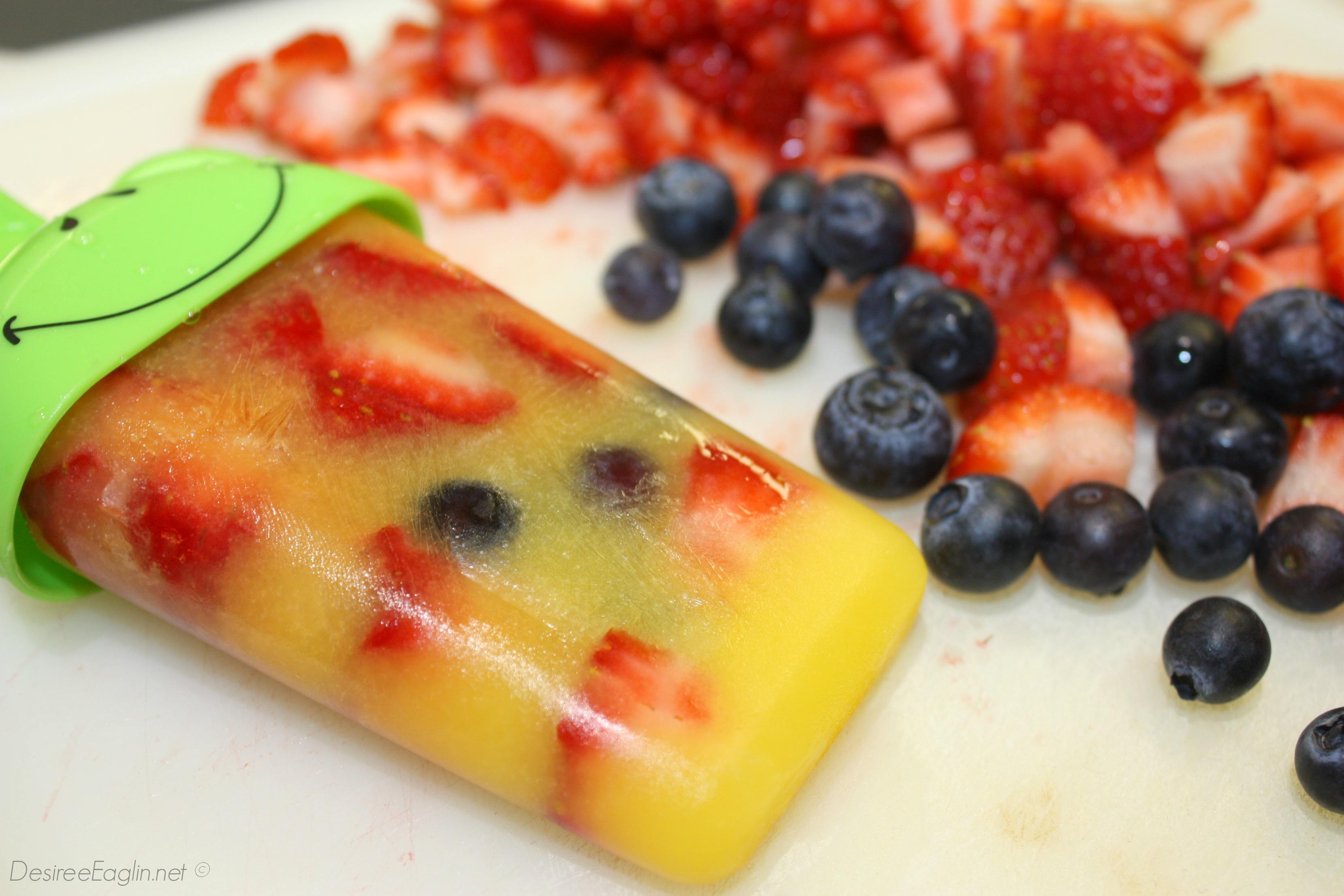
Freezing Juice?
a)
Physical Change
b)
Chemical Change
4.
What kind of properties can only be observed when a substance changes into a different substance?
a)
physical properties
b)
chemical properties
5.
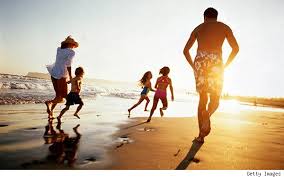
The sun shines down on this family as the play on the beach.
a)
conduction
b)
convection
c)
radiation
6.

Blow drying your wet hair.
a)
conduction
b)
convection
c)
radiation
7.

Walking on the warm sand sand with your bare feet.
a)
conduction
b)
convection
c)
radiation
8.
An ________ eats both plants and animals.
a)
carnivore
b)
omnivore
c)
herbivore
d)
producer
9.
A ______________ eats mainly other animals.
a)
carnivore
b)
omnivore
c)
herbivore
d)
decomposer
10.
A ____________ breaks down waste or dead organisms and recycles nutrients.
a)
consumer
b)
producer
c)
decomposer
d)
omnivore
11.
A(n) ________________ eats mainly plants.
a)
producer
b)
carnivore
c)
herbivore
d)
omnivore
12.
Shows how energy flows from one organism to another.
a)
food cycle
b)
prey chain
c)
food chain
d)
predator cycle
13.
Humidity is the...
a)
Amount of Water Vapor in the Air
b)
Amount of Wind in the Air
c)
Amount of Precipitation in the Air
d)
Amount of Pressure in the Air
14.
________________ are made of water vapor that condenses in the troposphere.
a)
dew
b)
clouds
c)
evaporation
d)
transpiration
15.
Warm air near the Earth’s surface rises and then cools and drops, this creates a _________________ in the atmosphere.
a)
run-off
b)
Greenhouse Effect
c)
convection current
d)
water cylce
16.
Because the earth is spinning on its axis, the global winds appear to curve. This is known as the __________ ________.
a)
Coriolis Effect
b)
Greenhouse Effect
c)
Climate Effect
d)
Atmosphere Effect
17.
The basic unit of structure and function in a living things.
a)
chloroplast
b)
nucleus
c)
cell
d)
cell membrane
18.
This thin layer protects the cell and regulates what substances enter and leave the cell.
a)
cell membrane
b)
cell
c)
cell wall
d)
golgi body
19.
Directs all the cell's activities.
a)
mitochondria
b)
chloroplasts
c)
vacuole
d)
nucleus
20.
A simple cell that can be seen through a microscope.
a)
Unicellular/Single Cell Organism
b)
Mulitcellular/Multi-Celled Organism
21.
What has one cell that performs all of life's functions
a)
Unicellular/Single Cell Organism
b)
Mulitcellular/Multi-Celled Organism
22.
A _____ is a pull or a push.
a)
force
b)
friction
c)
gravity
d)
speed
23.
One way that a force can cause the change in an object's motion is to...
a)
do nothing.
b)
eat ice cream.
c)
start the object moving.
d)
shine on the object.
24.
When you type on the keys of your Chromebook you are using a
a)
pull
b)
push
c)
gravity
d)
friction
25.
Which has the least friction?
a)
snowboard on a snowy hill
b)
running on the playground
c)
sandpaper on wood
d)
a racer on a track
26.

What keeps the Moon in orbit around Earth?
a)
Earth's rotation.
b)
Earth's atmosphere.
c)
Earth's gravity.
d)
Earth's shape.
27.
Which would require the most force to move?
a)
a toy car
b)
a sleeping cat
c)
a science book
d)
a chair with a friend sitting in it
28.
Which of these is a learned behavior of a dog?
a)
Begging for food
b)
Drinking water
c)
Panting on a hot day
d)
Chewing on a bone
29.
The following are inherited traits of humans EXCEPT...
a)
long hair
b)
long eyelashes
c)
blue eyes
d)
small dimples
30.
Which trait would most likely be inherited by a baby?
a)
Four fingers and a thumb on each hand
b)
Ability to jump high
c)
Broken fingernail
d)
Ability to speak English
31.
Which trait does a puppy inherit from its parents?
a)
fur color and pattern
b)
food brand preference
c)
obedience to owner's commands
d)
knowledge of where the treats are kept
32.
Which one of the following systems DO NOT absorb nutrients or get rid of wastes?
a)
Respiratory System
b)
Digestive System
c)
Nervous System
d)
Circulatory System
33.
When blood is used by the body it must pass through which of the following organs before it is pumped back out to the body?
a)
Lungs
b)
Brain
c)
Stomach
d)
Skin
34.
In the skeletal system the function of bones is to
a)
Protect organs, make blood, store calcium and minerals
b)
Help our bodies make atp
c)
Diffusion
d)
Make plasma
35.

Which system is the stomach in?
a)
respiratory
b)
digestive
c)
nervous
d)
excretory
36.
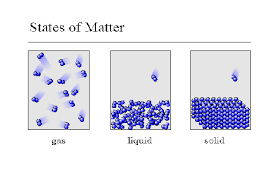
At higher temperatures
a)
particles in an object have less energy
b)
particles in an object move faster
c)
a gas contracts
37.
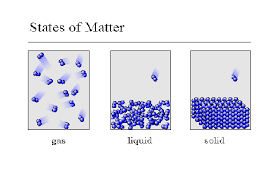
A gas
a)
has a definite shape but no definite volume
b)
has a definite volume but no definite shape
c)
has fast-moving particles
38.
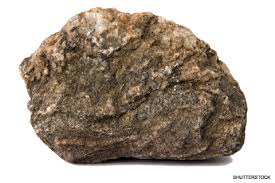
Which state of matter has tightly packed molecules?
a)
solid
b)
liquid
c)
gas
39.
What is happening when my ice cream changes from a solid to a liquid?
a)
freezing
b)
melting
c)
burning
d)
evaporation
40.
The state of matter that has no definite size or shape is
a)
Solid
b)
Liquid
c)
Gas
41.
The slower the particles in a substance move,
a)
the colder it is.
b)
the warmer it is.
c)
the more energy it has.
d)
the less energy it has.
42.
a treeless biome that has permafrost
a)
Tundra
b)
Desert
c)
Taiga
d)
Deciduous
43.
the trees in this biome are characterized by needle-like leaves that are called conifers
a)
Desert
b)
Taiga
c)
Tundra
d)
Grasslands
44.
this biome has the largest diversity (largest number of different kinds) of plant and animal species
a)
Desert
b)
Tundra
c)
Deciduous Forest
d)
Tropical Rainforest
45.
What aquatic biome is characterized by flowing fresh water?
a)
Lakes/Ponds
b)
Mangroves Swamps
c)
Rivers/Streams
d)
Coral Reefs
46.
Which of the following is considered a wetland?
a)
Swamps
b)
Marshes
c)
Bogs
d)
All of the above.
47.
Which of the following is the best definition for estuary?
a)
Narrow band of coastline that exists between high and low tide.
b)
Areas along the coast where fresh water from rivers mixes with salt water from the ocean.
c)
Flowing fresh water containing rapids.
d)
Freshwater aquatic areas that are saturated by water for at least part of the year.
48.
Which brackish watery biome has some areas that are salty, and some areas that are freshwater?
a)
freshwater
b)
coral reef
c)
estuary
d)
ocean
49.
Which is NOT a freshwater ecosystem?
a)
a river
b)
a lake
c)
an estuary
d)
a stream
50.
What is the energy source for the water cycle?
a)
the sun
b)
the earth
c)
water
d)
the moon
51.

What is it called when plants give off water vapor as a waste product?
a)
condensation
b)
evaporation
c)
sublimation
d)
transpiration
52.
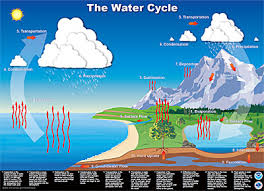
Which stages does liquid water from the ocean turn into water vapor?
a)
condesantion
b)
evaporation
c)
precipitation
d)
run off
53.
Why do we wear sweaters in cold weather?
a)
To keep cold out.
b)
To generate heat.
c)
To reduce heat loss.
d)
All of the above.
54.
When placed in direct sunlight, which object will absorb the most radiation?
a)
A black sweater
b)
A white sweater
c)
A snowball
d)
Aluminum foil
55.
A microwave oven uses which of the following to heat foods.
a)
Microwave elves
b)
Radiation
c)
Convection
d)
Conduction
56.
The transfer of heat by currents through liquids of gases is called
a)
Perspiration
b)
Radiation
c)
Conduction
d)
Convection
57.

Identify the type of front that is shown in the image.
a)
Occluded Front
b)
Cold Front
c)
Stationary Front
d)
Warm Front
58.
Located at the leading edge of a temperature drop off. Bring heavy thunderstorms, rain, and hail. Cool, fair weather is likely to follow.
a)
Warm Front
b)
Cold Front
c)
Occluded Front
d)
Stationary Front
59.
Located at the leading edge of a warm air mass. Brings gentle rain or light snow, followed by warmer, milder weather.
a)
Warm Front
b)
Cold Front
c)
Occluded Front
d)
Stationary Front
60.
A place where an organism gets everything it needs to survive.
a)
habitat
b)
community
c)
ecosystem
d)
population
61.
A species living together in one area is called a:
a)
species
b)
community
c)
ecosystem
d)
population
62.

Which of the following best describes the blue bird's (in the middle) role in this ecosystem?
a)
carnivore
b)
omnivore
c)
herbivore
d)
decomposer
63.

Which of the following best describes the wolf's role in this ecosystem?
a)
herbivore
b)
omnivore
c)
carnivore
d)
decomposer
64.
Bacteria and fungi typically serve what role in an ecosystem?
a)
herbivore
b)
carnivore
c)
omnivore
d)
decomposer
65.

An organism that gets energy from eating other organisms is a ______________.
a)
producer
b)
consumer
c)
decomposer
d)
prey
66.

A connection of food chains with many food energy paths in an ecosystem is a ____________.
a)
ecosystem
b)
food web
c)
environment
d)
population
67.

The shrew provides energy for the _______.
a)
cricket
b)
grasshopper
c)
frog
d)
snake
68.

What does a food chain represent?
a)
How all living organisms within a habitat are connected.
b)
All of the things that a particular animal eats.
c)
How plants create their own food.
d)
A single path of energy transfer within a habitat.
69.

Use the diagram to answer the question.
The Mayfly is a food source for which 3 organisms?
The Mayfly is a food source for which 3 organisms?
a)
Frog, Dragon Fly and snake
b)
Frog, trout and dragon fly
c)
Frog, salamander and trout
d)
Frog and phytoplankton
70.

If the grasshopper were to be removed completely from the food web, what organism would be most effected?
a)
The squirrel
b)
The shrew
c)
The deer
d)
The rabbit
71.

What may happen if the snowshoe hare was removed from the food web pictured?
a)
The insects in the habitat would increase.
b)
The shrew population would decrease due to being only hawk food source.
c)
The willow tree population would decrease.
d)
Foxes would dies due to no food source.
72.
A front is
a)
where warm air is cooling at earth's surface
b)
a line where hot and cold air are separating
c)
a line where two different air masses meet
d)
where cold air is rising and forming rain clouds
73.
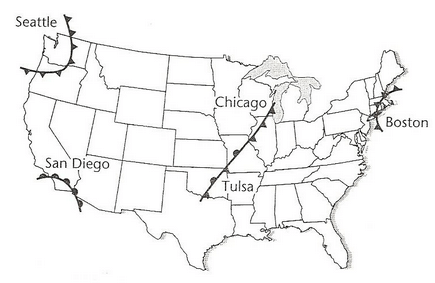
Which type of front is located near Boston?
a)
warm front
b)
cold front
c)
stationary front
d)
occluded front
74.
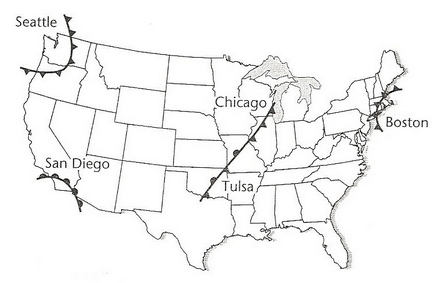
Which type of front is located near Chicago?
a)
warm front
b)
cold front
c)
occluded front
d)
stationary front
75.
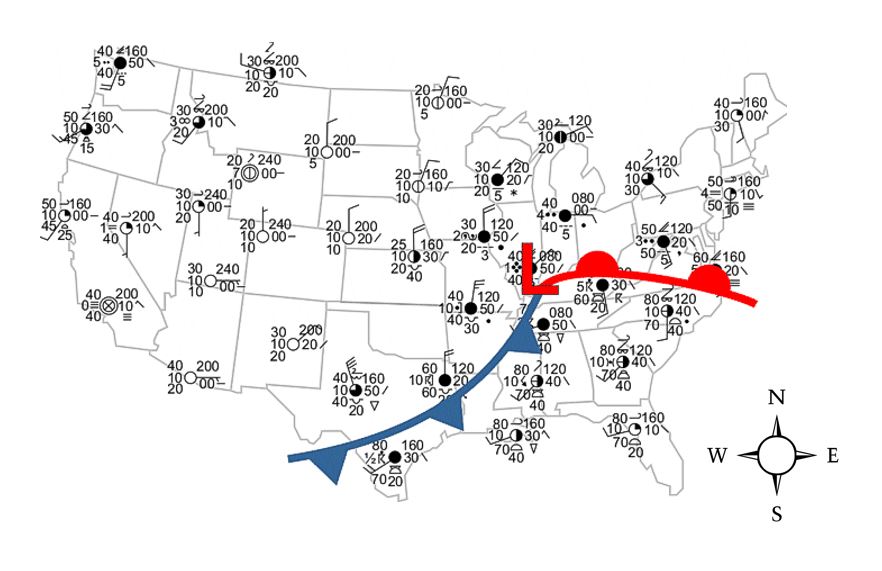
What direction is the warm front moving on the map?
a)
North
b)
South
c)
East
d)
West
76.
What direction is the cold front moving on the map?
a)
Southwest
b)
Northwest
c)
Southeast
d)
Northeast
77.
A wet, cold air mass would be -
a)
maritime tropical
b)
maritime polar
c)
continental tropical
d)
continental polar
78.

Cattle egrets forage (feed) in fields among cattle. The egret gets easy access to flying insects stirred up by the cattle, and the cattle don't care if they are there or not.
a)
mutualism
b)
commensalism
c)
competition
d)
parasitism
79.
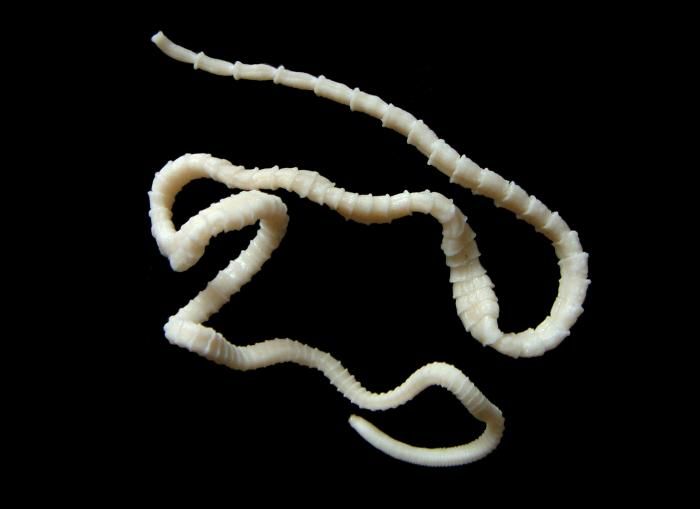
A tapeworm and a cat have this type of relationship.
a)
mutualism
b)
parasitism
c)
commensalism
d)
competition
80.
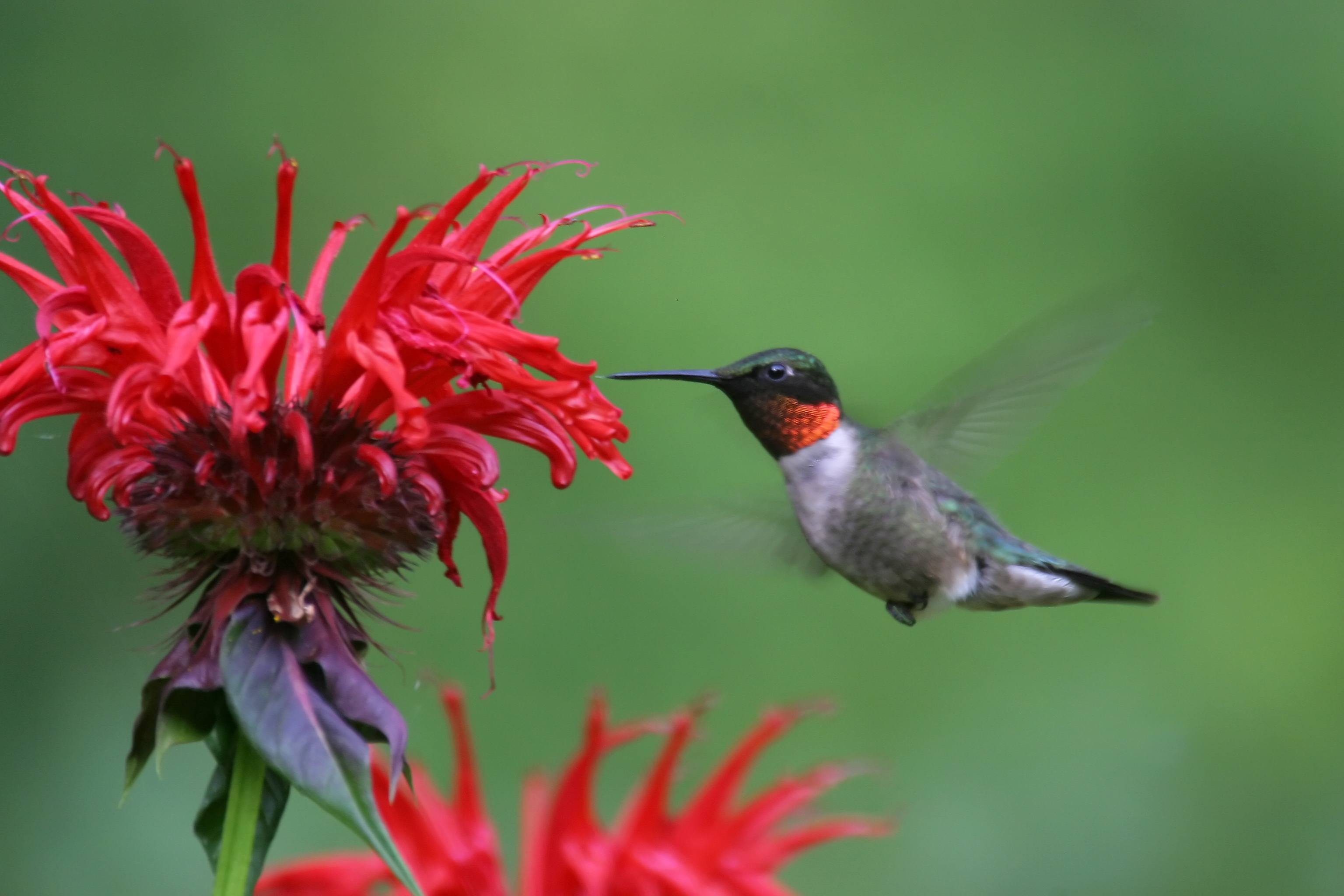
What type of symbiosis? Hummingbirds feed on nectar from flowers. The flowers are pollinated by hummingbirds as they move from flower to flower.
a)
commensalism
b)
mutualism
c)
parasitism
d)
predation
81.
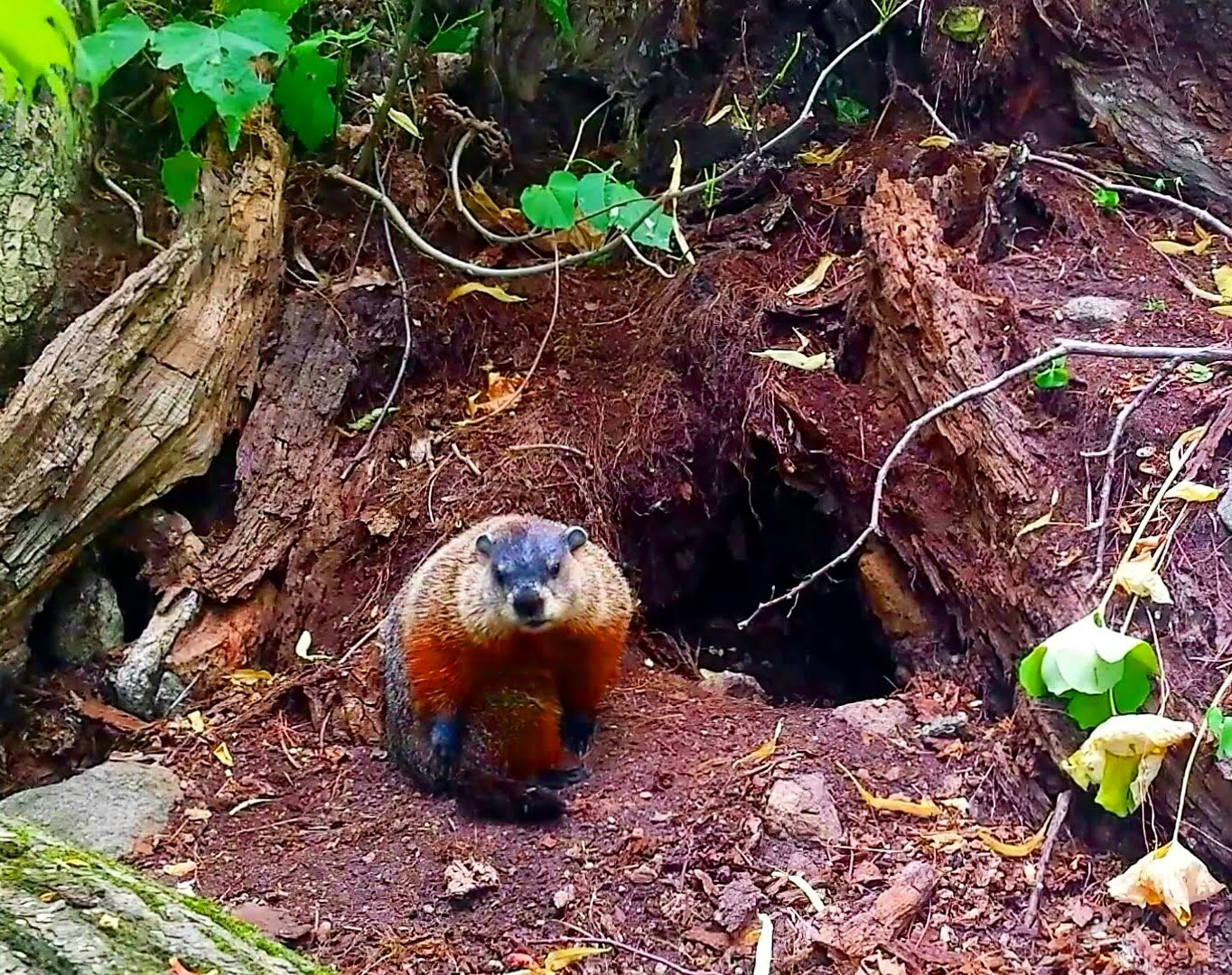
What type of symbiosis? Skunks often live in burrows that have been dug and abandoned by woodchucks.
a)
commensalism
b)
mutualism
c)
parasitism
d)
predation
82.
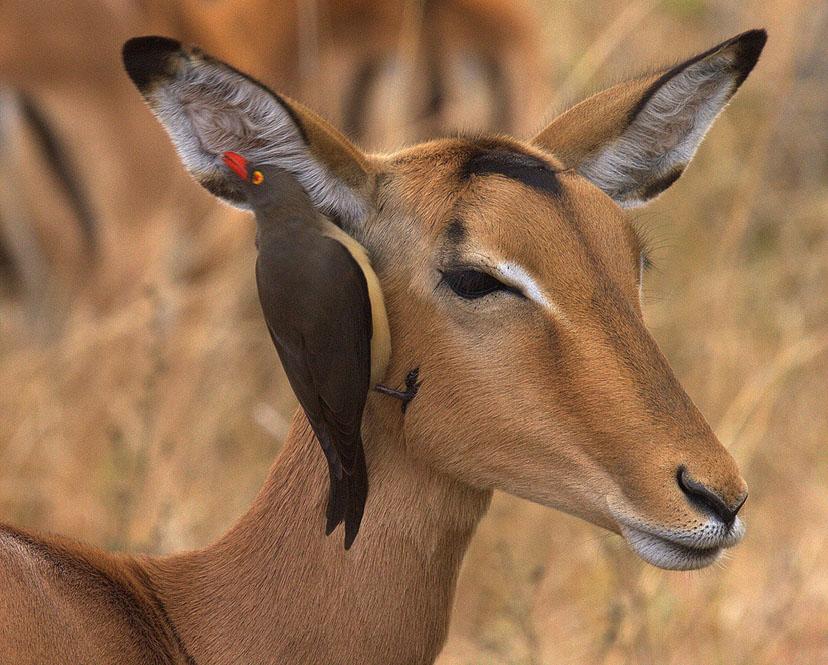
Red-billed oxpeckers are birds that often feed on parasites that infest impala. This is an example of _______.
a)
commensalism
b)
mutualism
c)
neutralism
d)
competition
100 %

