
 Worksheets
The Carbon Cycle
Total questions: 22
Worksheet time: 16mins
Which one of these does not add CO2 to the atmosphere?
cooking with gas
planting trees
burning wood
riding in a bus
Combustion is another word for _______________.
photosynthesis
the carbon cycle
the geosphere
burning
How do living organisms return carbon to the atmosphere in the carbon cycle?
respiration
decomposition
photosynthesis
transpiration


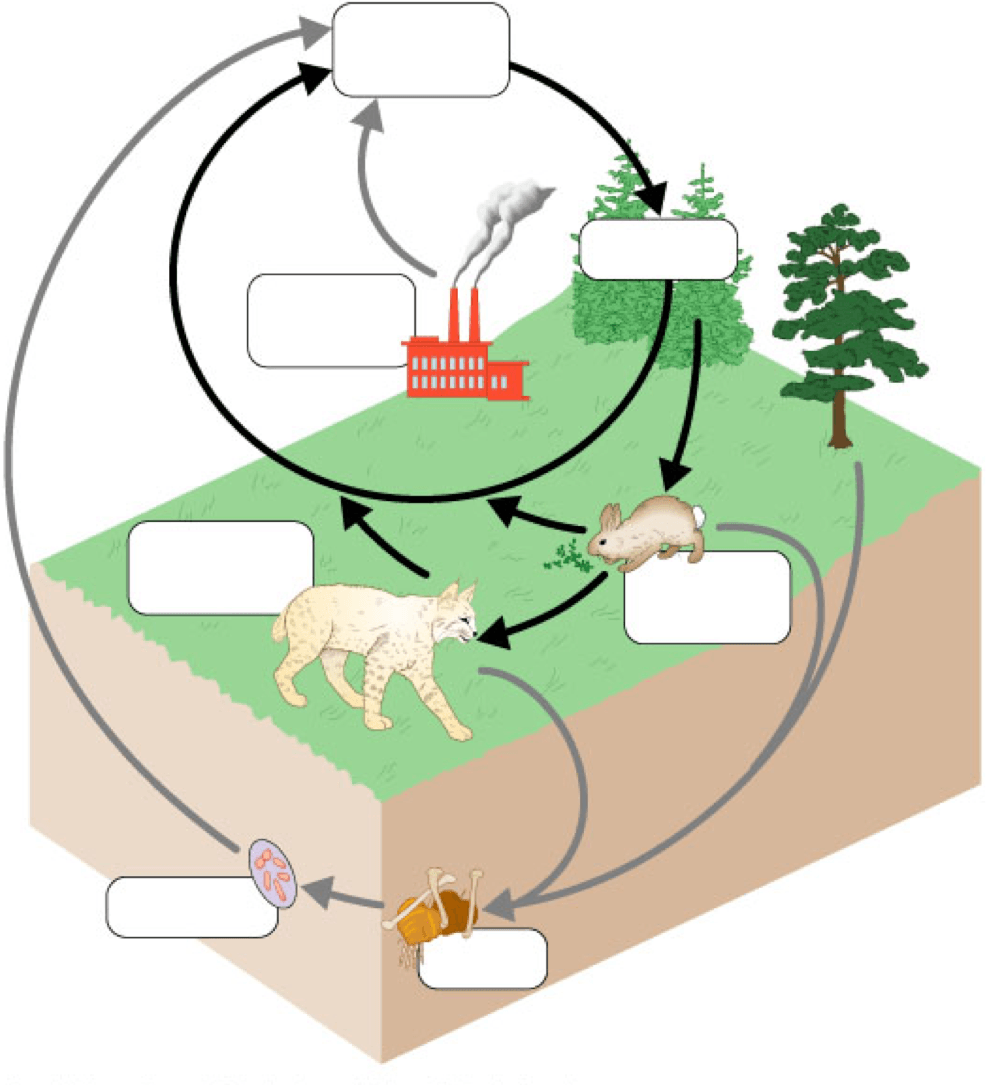
When plants and animals die -
they become part of the soil
the amount of carbon doubles - because it is created
carbon moves into the soil and the air
all carbon is destroyed
all carbon changes into oxygen
When animals _____, they release CO2
inhale
exhale
inhale and exhale
die
excrete wastes
Besides fuel, oil can be used to make _____ which can be used for water bottles and parts of iPods
CH4
gold
CO2
plastic
The carbon cycle is a biogeochemical cycle meaning
bio= life
geo= Earth, sediment
chemical = acid, base
chemical= movement of atoms
carbon is in the atmosphere, biosphere, lithosphere; and hydrosphere
Carbon can exist in 4 spheres
atmosphere
globosphere
biosphere
hydrosphere
lithosphere

If oil is made from decomposed dinosaurs and plastic is made from oil,
all plastic dinosaurs are made of real dinosaurs
real dinosaurs were made of plastic
the plastic keys on my computer/i Pad are from real dinosaurs
dinosaurs did not exist
the plastic on my i Phone or i Pod is from real dinosaurs

Carbon from a polar bear can end up on your peanut butter and jelly sandwich when
the polar bear dies and CO2 moves into the atmosphere
the polar bear inhaled CO2 from a peanut plant growing in the Artic
the polar bear eats peanut butter
CO2 moves from the atmosphere to the peanut plant
you eat peanut butter [crushed peanuts from the peanut plant]

How can a carbon atom from a dinosaur end up in an iPod?
dinosaurs ate plants or other dinosaurs
in the movie Jurassic Park, a dinosaur ate a person who had an iPod in his pocket
dinosaurs died and their bodies became a deposit of hydrocarbons [oil]
oil is used to make plastic which can be molded into parts of an iPod
humans drill for oil
Carbon has been on Earth for billions of years; meaning carbon
from a T-Rex could be in you
only exists as a gas
never moves
continually cycles between the atmosphere, biosphere, lithosphere, and hydrosphere

