
 Worksheets
Stars
Total questions: 52
Worksheet time: 25mins
Name
Class
Date
1.

What word best describes our sun?
a)
Average
b)
Supergiant
c)
Dwarf
d)
Red Giant
2.
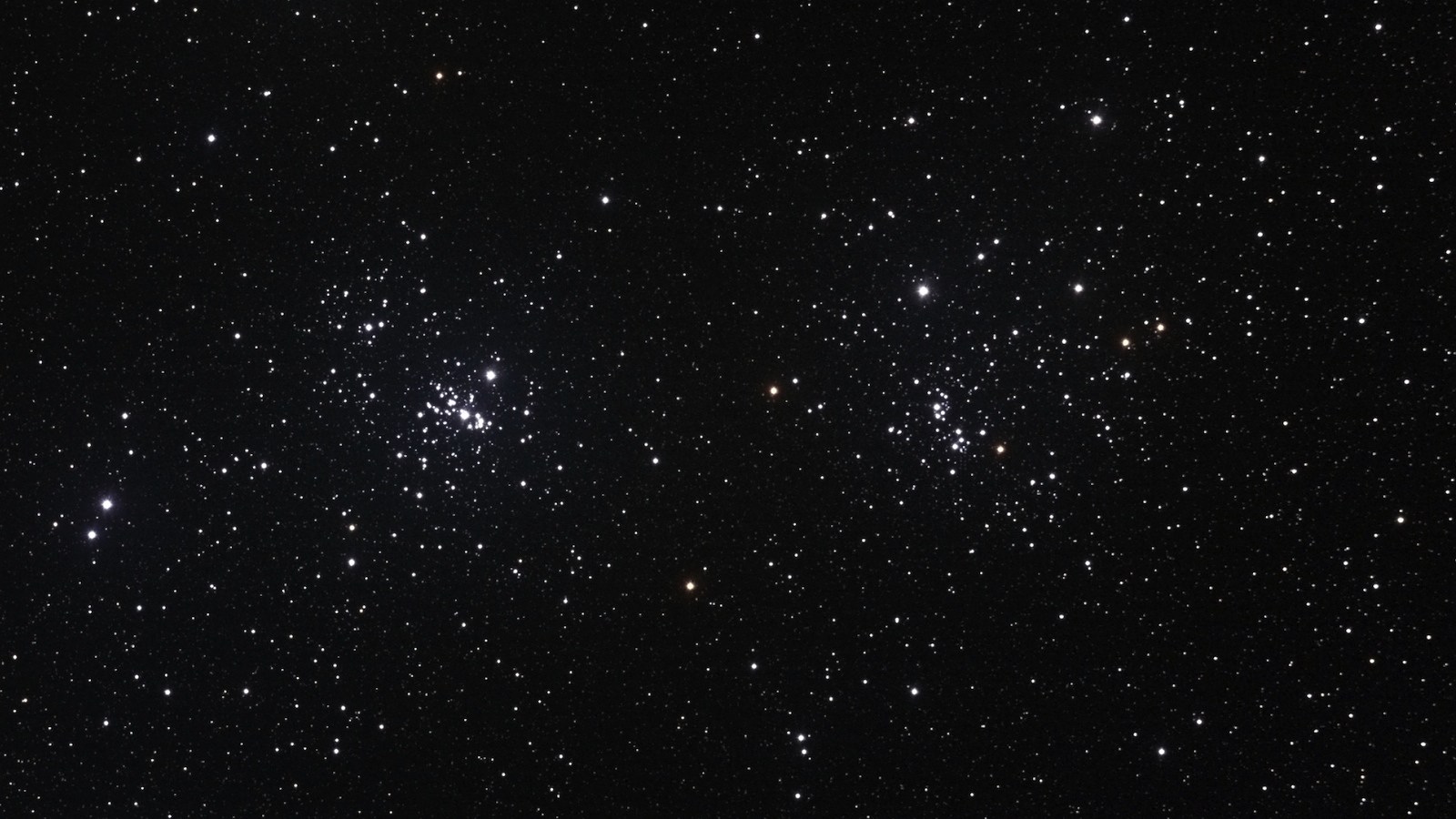
Why do other stars appear so much smaller than the sun?
a)
They are much smaller
b)
They are so far away
c)
They are not as bright
d)
They are dwarf stars
3.

What color of star is the hottest?
a)
Blue
b)
Red
c)
Yellow
d)
Orange
4.

What color of star is the coolest?
a)
Red
b)
Yellow
c)
Blue
d)
White
5.

What is the name of the largest stars?
a)
Protostars
b)
Supergiants
c)
Red Giants
d)
Dwarf Stars
6.

Why does the sun look small in the sky to us?
a)
It is 93,000,000 miles away
b)
It is smaller than Earth
c)
It is not very bright
d)
It travels around Earth
7.
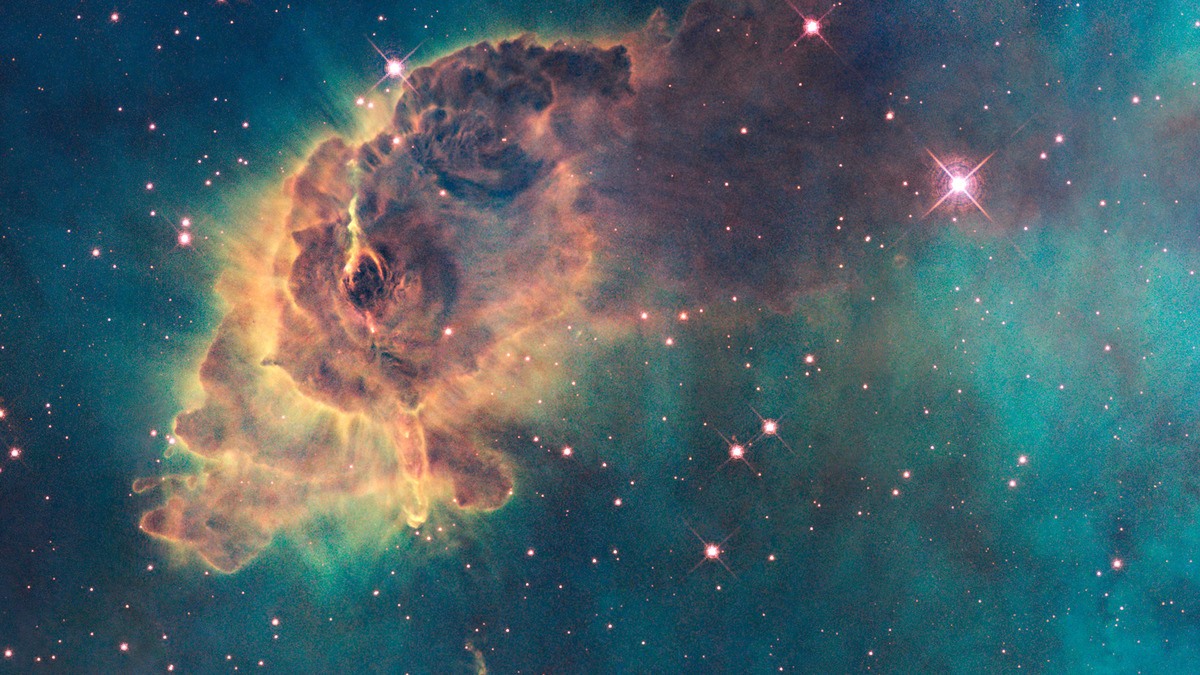
What is the name of the gas/dust clouds that form stars?
a)
Nebulas
b)
Protostars
c)
Supernova
d)
Neutron Star
8.
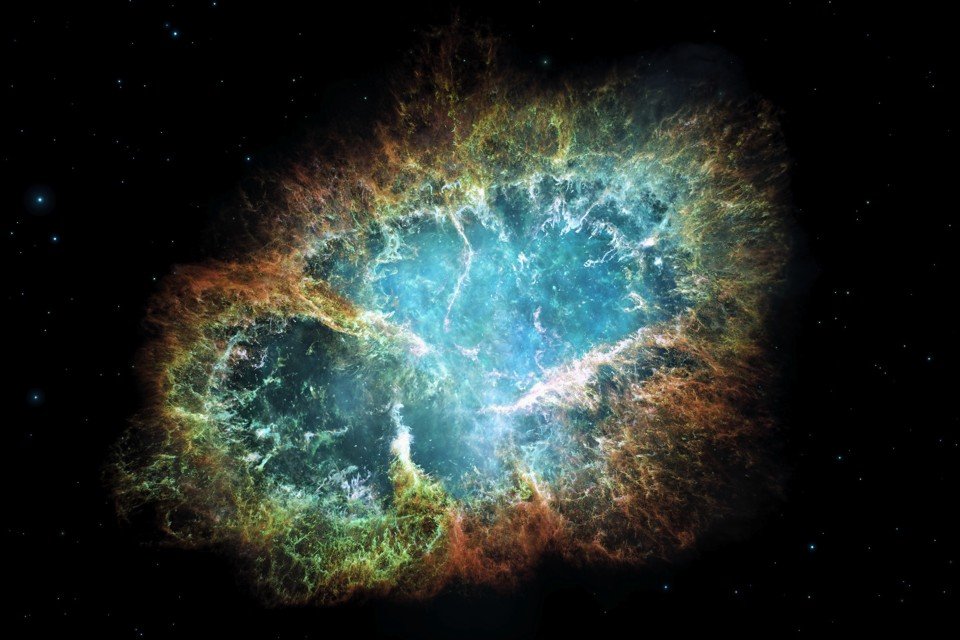
What is the name of the explosion at the death of a massive star?
a)
Supergiant
b)
Supernova
c)
Black Hole
d)
Nebula
9.
What is the main element in a stars composition?
a)
Hydrogen
b)
Helium
c)
Lithium
d)
Heavy Elements
10.
What do we use to classify the temperature, brightness, and size of stars?
a)
Color
b)
The star's shape
c)
H-R Diagram
11.
Because the Earth is 93 million mies from the Sun, the light from this star takes_____ to reach us.
a)
8 hours
b)
1 hour
c)
8 minutes
12.

Which star has the lowest luminosity?
a)
A
b)
B
c)
C
d)
D
13.

Which star has the lowest temperature?
a)
A
b)
B
c)
C
d)
D
14.

Which star is considered a Main Sequence Star?
a)
A
b)
B
c)
C
d)
D
15.
What is the earliest stage of a star's life cycle?
a)
protostar
b)
white dwarf
c)
neutron
d)
red giant
16.
Which stage of its life cycle does a star spend most of its time in?
a)
nebulae
b)
red giant
c)
protostar
d)
main sequence
17.
The color of a star tells us its
a)
magnitude
b)
temperature
c)
size
d)
age
18.
What is magnitude?
a)
the process inside a star that produces the star's energy
b)
term used by scientists to describe a star's brightness
c)
star groupings in space
d)
the process inside a star that produces the star's energy
19.
The life cycles of stars are determined by their:
a)
mass (size)
b)
color
c)
distance from Earth
d)
luminosity
20.

Which of these puts the main parts of an average star's life cycle in the correct order?
a)
protostar>
main sequence>
red giant >
white dwarf
main sequence>
red giant >
white dwarf
b)
protostar >
main sequence>
white dwarf>
red giant
main sequence>
white dwarf>
red giant
c)
main sequence>
protostar>
white dwarf>
red giant
protostar>
white dwarf>
red giant
d)
protostar>
red giant >
main sequence>
white dwarf
red giant >
main sequence>
white dwarf
21.
Bigger stars have longer lives than smaller stars.
a)
true
b)
false
22.
What will the Sun become at the end of its lifecycle?
a)
red giant
b)
red dwarf
c)
white dwarf
d)
super nova
23.

Put the stars in order from hottest to coolest.
a)
Blue, Red, White, Yellow, Orange,
b)
Red, White, Yellow, Orange, Blue
c)
Blue, White, Yellow, Red, Orange
d)
Blue, White, Yellow, Orange, Red
24.
The Sun makes up over 99% of the solar system's mass.
a)
True
b)
False
25.
What is the process that occurs in the core of a star, like the sun, that produces energy?
a)
fission
b)
fusion
c)
decay
d)
convection
26.
What stage of stellar evolution is the sun experiencing at this time?
a)
protostar
b)
main-sequence
c)
giant
d)
white dwarf
27.

What is the stage before this black hole?
a)
Supernova
b)
Neutron star
c)
white dwarf
d)
black dwarf
28.
What layer of the Sun can we see?
a)
Corona
b)
Photosphere
c)
Chromosphere
d)
Radiative zone
29.

The atmosphere of the sun has three parts
a)
corona, chromosphere, photosphere
b)
corona, core, hydrosphere
c)
corona, magnitude, mantle
d)
corona, geosphere, biosphere,
30.
Which statement describes stars from coolest to hottest?
a)
blue, white, red, orange
b)
white, yellow, orange, red
c)
orange, yellow, blue white
d)
red, orange, yellow, white, blue
31.
Which is not an end stage of a star?
a)
black giant
b)
black hole
c)
neutron star
d)
black dwarf
32.
Our famous giant star that appears red is called?
a)
Rigel
b)
Betelgeuse
c)
orion
d)
milkyway
33.
Our famous giant star that is blue is called
a)
riegis
b)
betelgeuse
c)
orion
d)
rigel
34.

A ________ is an object so dense with so much gravity that even light cannot escape.
a)
neutron star
b)
white dwarf
c)
blackhole
d)
black dwarf
35.

A gigantic explosion that causes the death of a large star is called
a)
pulsar
b)
red giant
c)
supernova
d)
black hole
36.
Everything you see around you was made inside ________.
a)
the earth
b)
factories
c)
stars
d)
an oven
37.
When a main sequence star begins to run out of fuel, it
a)
shrinks
b)
divides
c)
expands
38.

What do stars emit?
a)
Light
b)
Radiation
c)
Heat
d)
All of these
39.
Sun's layer that is know for producing light
a)
chromosphere
b)
mesosphere
c)
photosphere
d)
corona
40.
Sudden, violent eruptions that occur near sun spots
a)
Solar winds
b)
Solar spots
c)
Solar eruptions
d)
Solar flares
41.
Inner most layer of the Sun where hydrogen fuses into helium
a)
Corona
b)
Nebula
c)
Chromosphere
d)
Core
42.
This layer produces color for our Sun
a)
Corona
b)
Chromosphere
c)
Photosphere
d)
Radiation zone
43.
Darker, cooler areas on the sun’s surface; discovered by Galileo proving the Sun rotated
a)
sun spots
b)
solar wind
c)
solar flares
d)
solar light
44.
This layer is where particles move in a circular manner based on their temperature
a)
Corona
b)
Convection zone
c)
Radiation zone
d)
Photosphere
45.

the sun’s atmosphere
a)
corona
b)
universe
c)
photosphere
d)
solar flare
46.
What element is like "poison" to a star and causes it to supernova
a)
Helium
b)
Nitrogen
c)
Iron
d)
Hydrogen
47.

These are the pretty lights that occur at the north and south poles.
a)
Photosphere
b)
Aurora
c)
Magnetic field
d)
Solar wind
48.
These can disrupt electronics on Earth.
a)
Sunspots
b)
Solar flares
c)
Comets
d)
Mars
49.

What is this
a)
Prominice
b)
sun spot
c)
core
d)
Earth
50.

What phase of the moon does a solar eclipse occur?
a)
New moon
b)
1st quarter
c)
Full moon
d)
3rd quarter
51.
If the sun has such massive nuclear explosions in its core, why is it able to maintain its structure?
a)
This is unknown to astrophysicists
b)
Energy created isn't very substantial
c)
Gravity balances out nuclear fusion due to a star's massive size
d)
Stars are continually destroyed each time nuclear fusion occurs
52.

Super larger explosions off the solar surface are called
a)
Solar flares
b)
Auroras
c)
Coronal Mass Ejections
d)
Solar Wind
100 %

