
 Worksheets
Final Exam Review 2018
Total questions: 115
Worksheet time: 2hrs 48mins
Name
Class
Date
1.
Which of the following is the smallest unit of life that can carry out all life functions?
a)
the mitochondria
b)
the vacuoles
c)
the nucleus
d)
the cell
2.
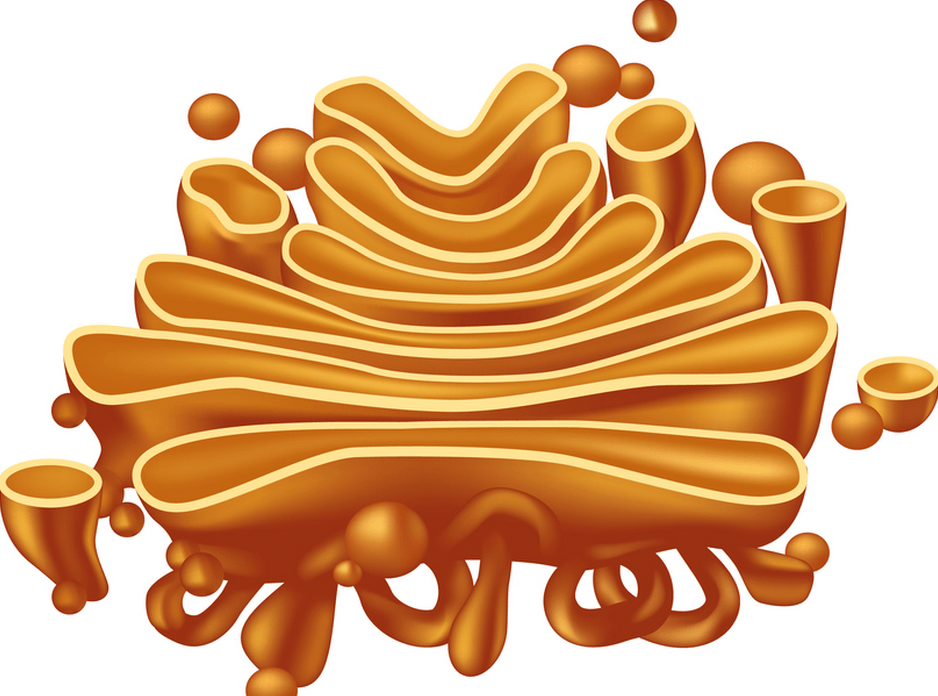
I am a protein packaging and shipping machine! Who am I?
a)
vacuole
b)
ribosome
c)
mitochondrion
d)
golgi apparatus
3.
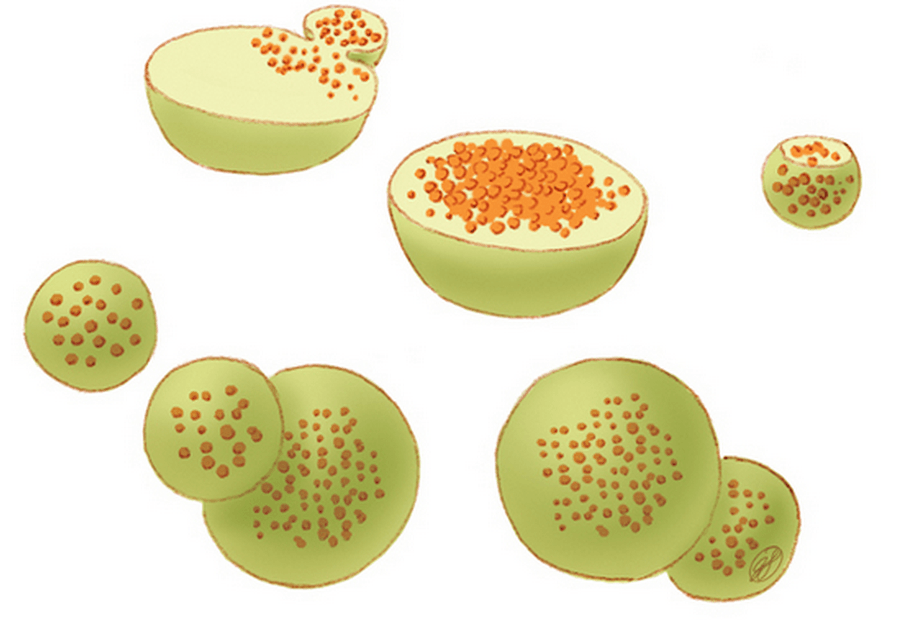
You might think of me as the trash collector, but recycler is maybe more accurate. What am I?
a)
mitochondria
b)
lysosome
c)
vacuole
d)
ribosome
4.
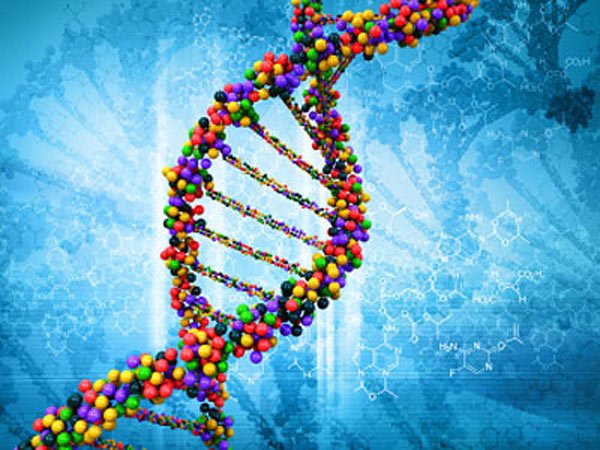
What is the name of the genetic material that is inside the nucleus?
a)
ER
b)
ATP
c)
YOLO
d)
DNA
5.

Which part of the cell is often called "the brain of the cell"?
a)
nuclear membrane
b)
endoplasmic reticulum
c)
nucleus
d)
mitochondria
6.

I am the outer most layer of an animal cell. What am I?
a)
cell wall
b)
nucleus
c)
cell membrane
d)
cell skin
7.
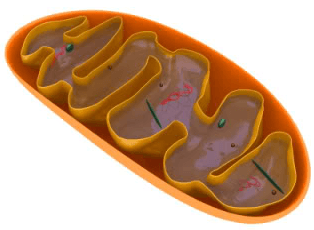
What are tiny organelles that convert glucose into ATP?
a)
Ribosomes
b)
Vesicles
c)
Cytoskeleton
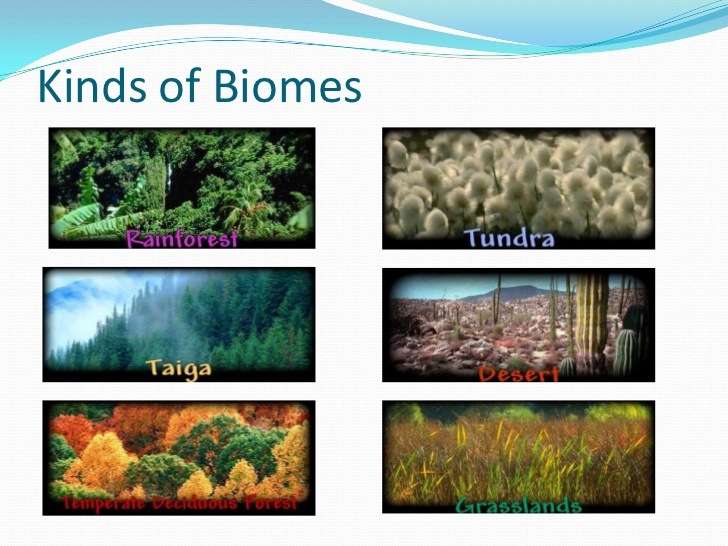
d)
Mitochondria
8.
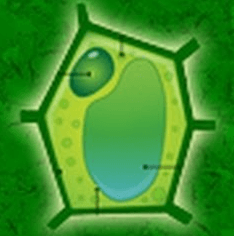
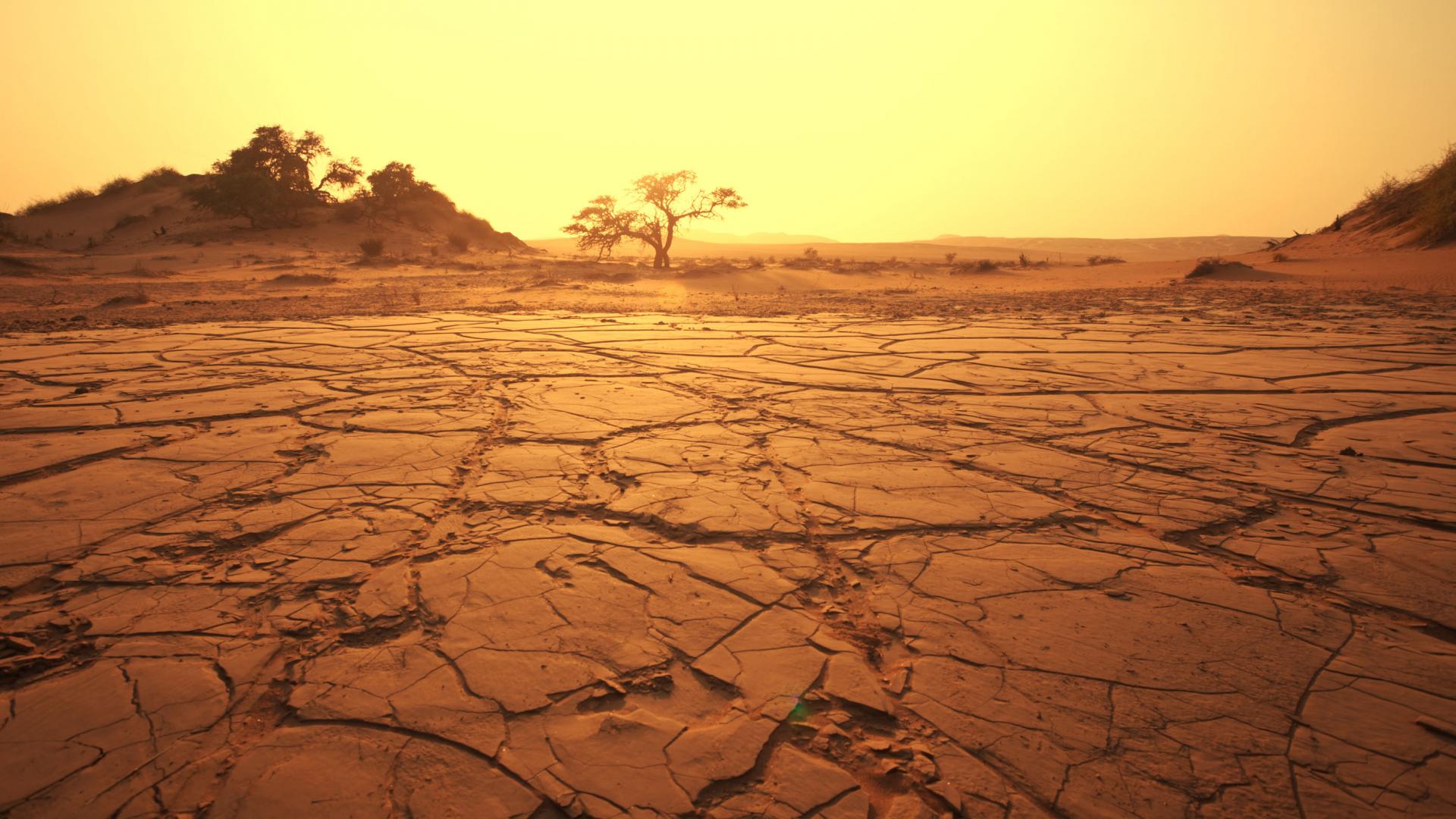
A rigid layer that lies outside the cell's membrane is...
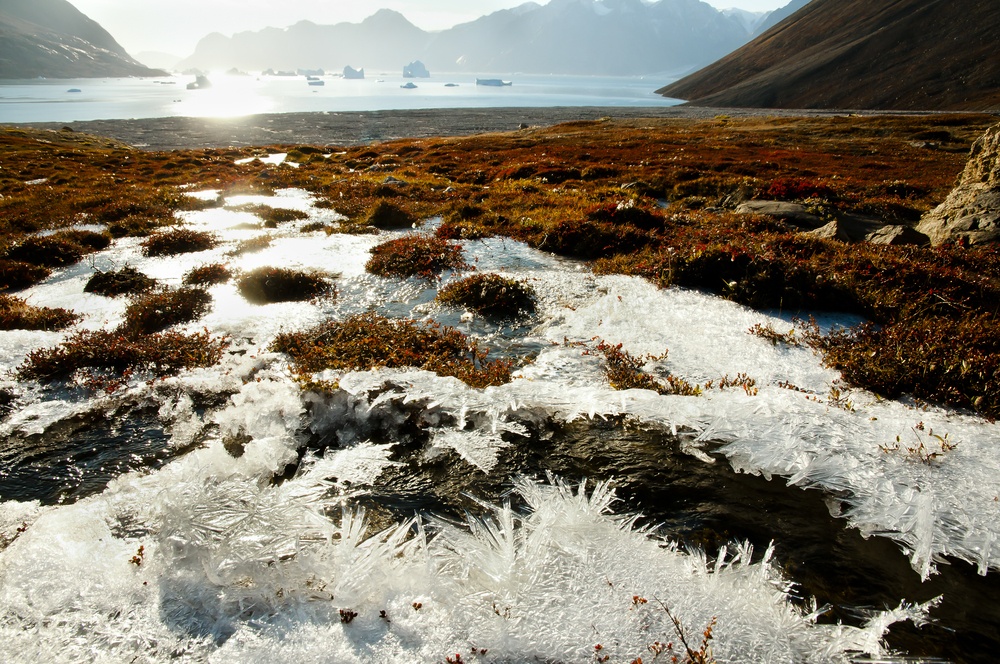
a)
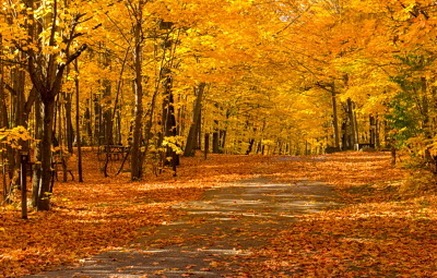
Cytoskeleton
b)
Cilia
c)
Cell Wall
d)
Flagella
9.

What would happen to the plant cell without the chloroplasts?
a)
There wouldn't be an organelle that performs photosynthesis
b)
There wouldn't be an organelle that serves as the resevoir for water and waste
c)
There wouldn't be an organelle that regulates what comes in and out of the cell
d)
They wouldn't be an organelle that makes necesary proteins
10.

What kind of cell is this?
a)
animal cell
b)
bell bell
c)
plant cell
d)
vacuole
11.

What mistake did Brady make on his model?
a)
He switched the labels for chloroplast and nucleus
b)
He should not have included a cell wall.
c)
He should not have included cytoplasm.
d)
He switched the labels for cell wall and cell membrane.
12.
The main purpose of the ____________ system is to break food particles into pieces that can be used.
a)
circulatory
b)
respiratory
c)
digestive
d)
skeletal
13.
What is responsible for delivering oxygen and removing carbon dioxide from the body?
a)
cell nucleus
b)
excretory system
c)
nervous tissue
d)
respiratory system
14.
Which of the following body systems work together for support, protection, and movement?
a)
respiratory and cardiovascular
b)
skeletal and muscular
c)
skeletal and integumentary
d)
digestive and respiratory
15.
Which of the following shows the levels of organization of an organism from LEAST to MOST complex.
a)
cells-tissues-systems-organs
b)
organs-cells-systems-tissues
c)
systems-organs-tissues-cells
d)
cells-tissues-organs-systems
16.
The __________ system directs the body to inner and outer changes.
a)
digestive
b)
circulatory
c)
nervous
d)
skeletal
17.

What body system removes the waste from your body?
a)
Circulatory
b)
Excretory
c)
Digestive
d)
Respiratory
18.

What body system makes your body move?
a)
Circulatory
b)
Respiratory
c)
Skeletal
d)
Muscular
19.

How many bones make up a human adult?
a)
205
b)
206
c)
207
d)
208
20.
The main purpose of the ________ system is to produce hormones for the body.
a)
excretory
b)
digestive
c)
reproductive
d)
endocrine
21.
What system is the body's way of fighting off pathogens that would make it sick?
a)
Excretory
b)
Immune
c)
Digestive
d)
Endocrine
22.
A homozygous dominant dog with brown fur is crossed with a heterozygous dog with brown fur. What are the percentages of the possible genotypes?
a)
100% BB
b)
75% BB and 25%Bb
c)
50 % BB and 50% Bb
d)
50% Bb and 50% bb
23.

Squidward has light blue skin, and his genotype for this trait is Bb. Would Squidward be considered a purebred or hybrid for light blue skin?
a)
Purebred
b)
Hybrid
24.
Two heterozygous (Tt) tall pea plants are crossed. Which describes their offspring?
a)
50% tall and 50% short
b)
75%tall and 25% short
c)
100%short
25.
B=brown eyes
b= blue eyes
What is true about two brothers that have brown eyes?
One has genotype BB the other Bb.
b= blue eyes
What is true about two brothers that have brown eyes?
One has genotype BB the other Bb.
a)
they have same phenotype and genotype
b)
they have different genotypes and phenotypes
c)
they have same phenotype but different genotypes
d)
they have same genotype but different phenotypes
26.
A dog gives birth to 5 puppies. What percentage of the chromosomes does each puppy share with the mother?
a)
25%
b)
50%
c)
75%
d)
100%
27.

If a Homozygous red snapdragon and a Heterozygous pink snapdragon were crossed - what percentage of the offspring would be homozygous white?
a)
0%
b)
25%
c)
50%
d)
75%
28.
When a starfish grows a new body off a broken arm, what kind of reproduction is this?
a)
Sexual
b)
Differentiation
c)
Asexual
d)
Specialization
29.
Where does an off spring get its traits in asexual reproduction?
a)
From both parents
b)
From only one parent
c)
From neither parent
d)
There are no traits handed down
30.
Sexual reproduction requires _____ parents and asexual reproduction requires ___ parents
a)
1,1
b)
2,2
c)
2,1
d)
1,2
31.
What percentage of chromosomes are handed down by a sperm cell?
a)
75%
b)
25%
c)
50%
d)
100%
32.
What is an advantage of sexual reproduction?
a)
Allows genetic variation
b)
Only needs one parent
c)
Happens very quickly
d)
Offspring are exact copies of parent
33.
All of the offspring of an organism have the same genetic material, which is identical to the parent organism. From this, we can conclude that this organism -
a)
makes its own food
b)
is unicellular
c)
live in a marine habitat
d)
reproduces asexually
34.

A German Shepard would probably not survive in the wild because...
a)
the dog is mixed.
b)
the dog is a product of artificial selection and not adapted for the wild.
c)
the dog is dumb.
d)
the dog is a product of natural selection and can survive in the wild.
35.

Scientist have created larger and sweeter strawberries for humans to consume (eat). What process was used?
a)
Natural Selection
b)
Artificial Selection
c)
Cellular Respiration
d)
Environmental Natural Selection
36.

Scientist, farmers, and ranchers breed the organisms that have the genes they are wanting. Which process are they using?
a)
Natural Selection
b)
Cellular Respiration
c)
Artificial Selection "Selective Breeding"
d)
Homeostasis
37.

If a mouse population changes color from white to black over many generations due to their environment, what selection is taking place?
a)
Natural Selection
b)
Selective Breeding
c)
Artificial Selection
d)
Hydrogen and Helium
38.

Farmers breed cows to produce high amounts of milk. This is an example of...
a)
Natural Selection
b)
Variations in a species
c)
Selective Breeding
39.

a)
Survival of the Fittest
b)
Extinction
c)
Derived trait
d)
Artificial Selection
40.

The blue whale is an example of..
a)
Artificial Selection
b)
Natural Selection
c)
Selective Breeding
d)
Mutations
41.
What organisms only survive in the wild (Nature)?
a)
Handicap Organisms
b)
White Mouse
c)
Only Fit organisms
d)
Organisms that cannot adapt
42.

The phrase "Survival of the Fittest" would best describe...
a)
Natural Selection
b)
Artificial Selection
c)
Selective Breeding
d)
Rainbow Trout
43.
Artificial selection means ...
a)
made by nature
b)
made by the water
c)
made by humans
d)
Hecho en Mexico
44.
Natural Selection = Nature made
Artificial Selection = Man made
Artificial Selection = Man made
a)
True
b)
False
45.
Which symbols best describe mutualism?
a)
+,+
b)
+,-
c)
+,0
d)
-,0
46.
Which symbols best describe parasitism?
a)
+,+
b)
+,-
c)
+,0
d)
-,0
47.
Which symbols best describe commensalism?
a)
+,+
b)
+,-
c)
+,0
d)
0,0
48.
A tick and a dog have this type of relationship.
a)
mutualism
b)
commensalism
c)
neutralism
d)
parasitism
49.
Cattle egrets are birds that forage in fields among cattle. The egrets get easy access to food and the cattle don't care if they are there or not.
a)
mutualism
b)
commensalism
c)
competition
d)
parasitism
50.
Red-billed oxpeckers are birds that feed on parasites found on an impala. The impala gets rid of parasites and the red-billed oxpeckers get a yummy dinner. This is an example of _______.
a)
commensalism
b)
mutualism
c)
neutralism
d)
competition
51.

A clown fish and a sea anemone are in a close relationship. The sea anemone provides shelter and protection for the clown fish. However, the sea anemone is not harmed. This is an example of ______________________.
a)
commensalism
b)
parasitic relationship
c)
mutualism
52.

What is a producer?
a)
an organism that gets energy from eating other organisms
b)
an organisms that uses sunlight to make its own food
c)
an organism that gets energy from eating dead organisms, non-living material or waste
d)
an organism that uses chemical energy to make its own food
53.

A connection of food chains with many food energy paths in an ecosystem is a ____________
a)
ecosystem
b)
food web
c)
environment
d)
population
54.

An animal that is hunted and eaten for food is a
a)
predator
b)
prey
c)
population
55.

The shrew provides energy for the _______?
a)
cricket
b)
grasshopper
c)
frog
d)
snake
56.

What is the role of decomposers in a food chain?
a)
Use sunlight to make food
b)
Eat other organisms to gain energy
c)
Make the food for the whole food chain
d)
Break down dead organisms and add nutrients to the soil
57.
When an organism receives or makes it's own energy, much of it is used for daily life functions such as moving, growing, reproducing, etc. How much energy is USED/LOST in between each trophic level? (Not how much is passed on)
a)
1%
b)
10%
c)
50%
d)
90%
58.

According to the image depicted. What trophic level is the grasshopper?
a)
Producer
b)
Primary consumer
c)
Secondary consumer
d)
Tertiary consumer
59.

According to the image depicted. What trophic level is the lavender?
a)
Producer
b)
Primary consumer
c)
Secondary consumer
d)
Tertiary consumer
60.

According to the image depicted, what would happen to the population of seagulls if the phytoplankton population were to suddenly decrease?
a)
The seagulls population would not be affected
b)
The seagulls population would increase
c)
The seagulls population would decrease
d)
The seagulls population would increase then decrease
61.
What would be the result of deforestation on an ecosystem?
a)
loss of habitat
b)
increase in biomass
c)
more genetic diversity
d)
increase in population
62.
In a food web, energy flows from producer to consumers. What else flows from producers to consumers?
a)
. soil and rock
b)
carbon and oxygen
c)
light and sound
d)
chlorophyll and nitrogen
63.

The following question refers to the diagram below, showing a food web. The arrows show the direction of energy flow. Each arrow points from the organism that is consumed to the organism that consumes it.
Which statement best explains why decomposers are an important part of this food web?
Which statement best explains why decomposers are an important part of this food web?
a)
They use sunlight to make their own food.
b)
They give off oxygen for animals to breathe.
c)
They provide camouflage for small animals.
d)
They make nutrients available to plants.
64.

The diagram below shows a fox and an owl both trying to catch a rabbit.
The fox and the owl are both
The fox and the owl are both
a)
finding a mate
b)
competing for food
c)
seeking shelter
d)
migrating for winter
65.

A food chain is shown below.
Which organism will have the most energy available?
Which organism will have the most energy available?
a)
plant
b)
grasshopper
c)
bird
d)
hawk
66.
This biome has some of the most rich and fertile soil in the world.
a)
taiga
b)
tundra
c)
grassland
d)
desert
67.
Oak trees obtain energy through photosynthesis.
Mushrooms absorb nutrients from decomposing plants and animals. Cottontail rabbits eat grasses, twigs, and bark. Mountain lions prey on deer, wild hogs, and rodents.
Which organism obtains energy without depending on another organism?
Mushrooms absorb nutrients from decomposing plants and animals. Cottontail rabbits eat grasses, twigs, and bark. Mountain lions prey on deer, wild hogs, and rodents.
Which organism obtains energy without depending on another organism?
a)
Oak tree
b)
Mushroom
c)
Cottontail rabbit
d)
Mountain lion
68.

Which of these correctly describes a relationship between organisms in the soil food web?
a)
Protozoa get nutrients from small arthropods.
b)
Mammals are predators of birds.
c)
Nematodes prey on arthropods.
d)
Bacteria get nutrients from organic matter.
69.

The number of individuals a habitat can sustain with the resources it has available
a)
Carrying capacity
b)
Limiting factors
c)
Resources
d)
Population
70.

A supply of materials in a habitat
a)
Resources
b)
Biomes
c)
Organisms
d)
Groceries
71.
Which of the following is an EXAMPLE of a limiting factor?
a)
Water
b)
the color of the sky
c)
Migration
d)
Thick fur
72.
Which of the following is an example of competition?
a)
Two vultures fight over a dead rabbit
b)
A bear eats a fish
c)
Birds migrate south
d)
Pet dog keeps a man company
73.

What is the carrying capacity of the following graph?
a)
1000
b)
8000
c)
800
d)
600
74.
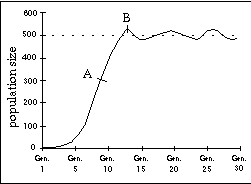
What is the carrying capacity of the graph?
a)
around 500
b)
more than 500
c)
less than 500
d)
around 600
75.
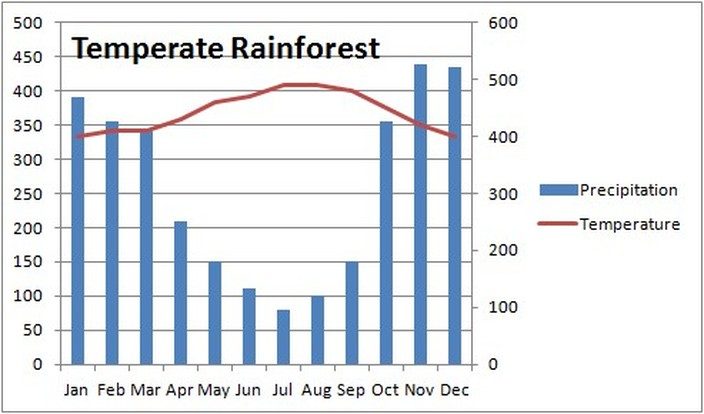
The most important abiotic factors when studying biomes are...
a)
Food and Water
b)
Water and Sunlight
c)
Temperature and Oxygen
d)
Water and Temperature
76.

Which biome is represented by the rainfall amounts in letter C?
a)
desert
b)
prairie
c)
deciduous forest
d)
tropical rain forest
77.
What is the main factor that separates the biomes?
a)
Land
b)
Water
c)
Climate
d)
Longitude
78.
Which biome is the driest?
a)
Desert
b)
Tundra
c)
Taiga
d)
Rainforest
79.
Which Biome has permafrost?
a)
Temperate Forest
b)
Rainforest
c)
Taiga
d)
Tundra
80.
Which biome has deciduous trees (which lose their leaves)?
a)
Temperate Forest
b)
Rainforest
c)
Grasslands
d)
Taiga
81.
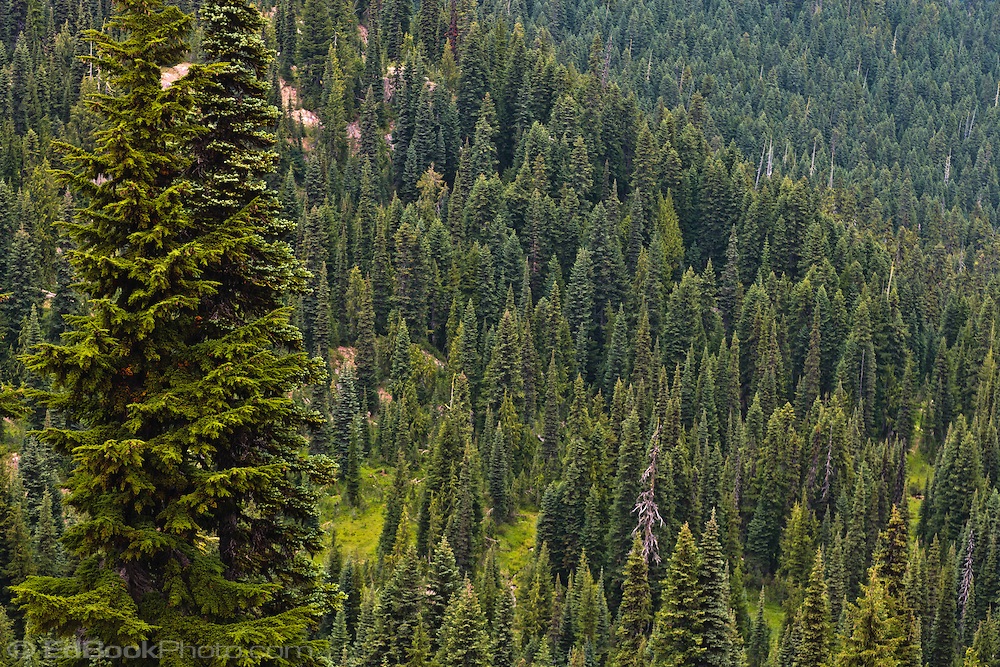
Which biome has coniferous trees (which don't lose their leaves)?
a)
Taiga
b)
Temperate Forest
c)
Tundra
d)
Grasslands
82.
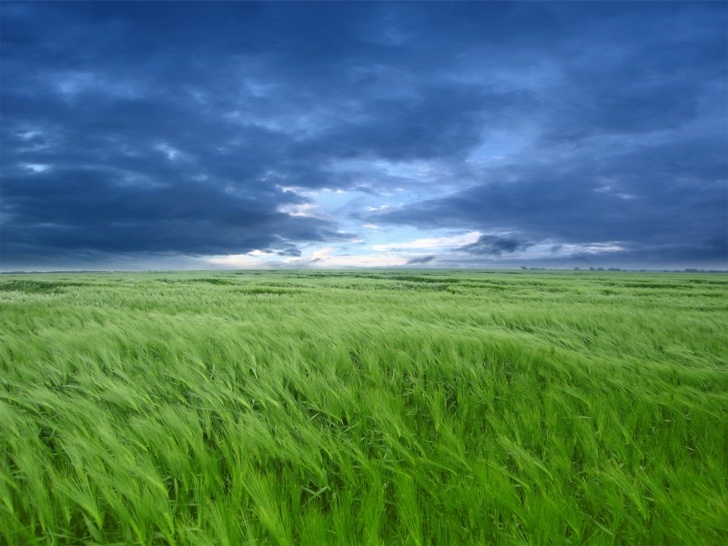
Which biome has wide-open fields of grass?
a)
Taiga
b)
Grasslands
c)
Temperate Forest
d)
Rainforest
83.
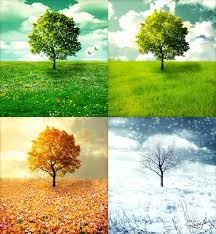
Which biome has 4 seasons?
a)
Taiga
b)
Tundra
c)
Grasslands
d)
Temperate Forest
84.

In which 2 biomes can only plants/animals with adaptations survive?
a)
Taiga/Temperate Forest
b)
Grasslands/Desert
c)
Tundra/Desert
d)
Rainforest/Tundra
85.
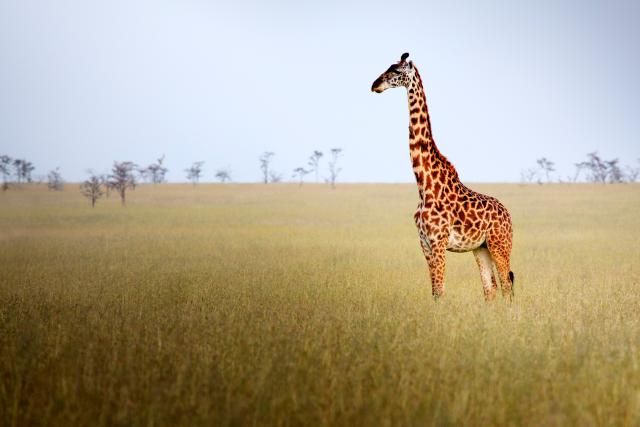
Which biome is home to lions, zebras, wildebeests, giraffes, and elephants?
a)
Grasslands
b)
Tundra
c)
Rainforest
d)
Temperate Forest
86.
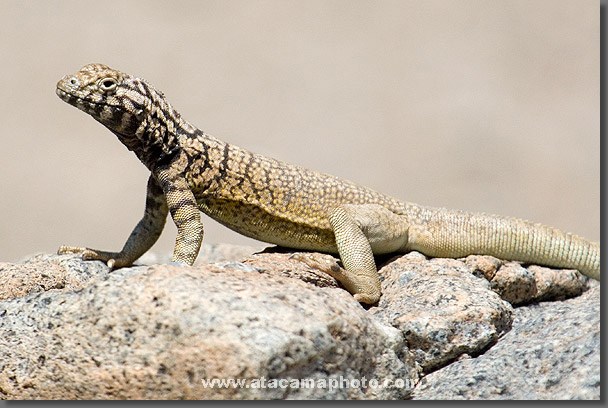
Which biome is home to cacti, scorpions, coyotes, kangaroo rats, and lizards?
a)
Desert
b)
Grasslands
c)
Temperate Forest
d)
Taiga
87.
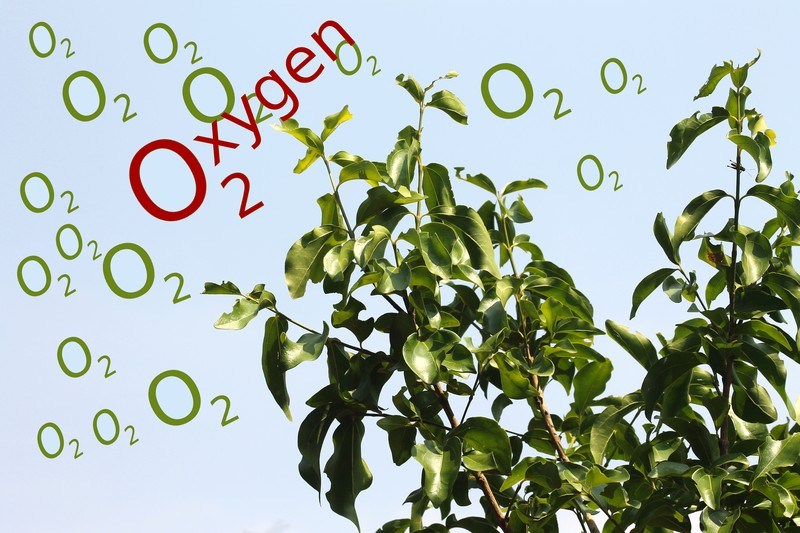
Which biome produces over 50% of the world's oxygen?
a)
Rainforest
b)
Temperate Forest
c)
Grasslands
d)
Taiga
88.
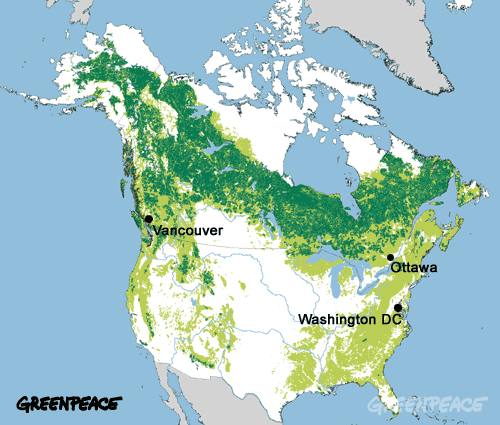
Which biome is Canada in?
a)
Tundra
b)
Taiga
c)
Temperate Forest
d)
Desert
89.

Which biome is home to jaguars, anacondas, leopards, gorillas, and poisonous tree frogs?
a)
Grasslands
b)
Temperate Forest
c)
Rainforest
d)
Tundra
90.
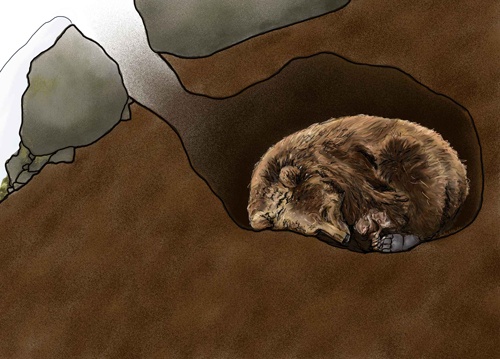
Which biome could an animal who hibernates in the winter to survive the cold live in?
a)
Grasslands
b)
Taiga
c)
Desert
d)
Rainforest
91.

Coloring or another physical characteristic that help an organism blend in with its environment
a)
mimicry
b)
camouflage
c)
hibernation
d)
migration
92.

When an organism copies a characteristic of something else in order to better its chances for survival and reproduction
a)
hibernation
b)
camouflage
c)
mimicry
d)
migration
93.

The seasonal movement of an organism from one place to another
a)
camouflage
b)
migration
c)
hibernation
d)
function
94.

When an organism slows its life functions for a period of time to better its chances for survival during harsh conditions
a)
camouflage
b)
migration
c)
mimicry
d)
hibernation
95.

Which feature of a rose helps it grow without being eaten by large animals?
a)
flowers with bright colors
b)
sharp thorns
c)
small seeds
d)
deep roots
96.

Which feature helps an animal hide from other animals?
a)
looking like a dangerous animal
b)
being the same color as the place it lives (camoflauge)
c)
having sharp claws or a strong shel
d)
having only a few young and caring for them
97.
Which adaptation (for the underlined animal) serves the function of defense?
a)
A walking stick looks like the twig on which it rests.
b)
A porcupine’s quills cause a predator to seek another meal.
c)
A whale filters plankton and krill from the water in which it swims.
d)
A penguin is dark on top and white below to blend in with the water.
98.
Which of the following is a physical adaptation for the underlined animal?
a)
A butterfly has bright colors to warn predators that it is poisonous.
b)
A hognose snake rolls over, slows its breathing, and hangs its tongue out to play dead.
c)
A herd of buffalo encircle their young to protect them from a pack of wolves.
d)
A dung beetle rolls a piece of dung across the desert.
99.
When all of the organisms of a species have died it is called
a)
evolution
b)
extinction
c)
adaptation
d)
natural selection
100.
What is an organism that has similar characteristics and can reproduce?
a)
species
b)
organism
c)
embryology
d)
vestigial
101.
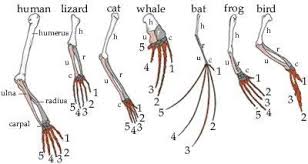
What is this an example of?
a)
vestigial structures
b)
embryology
c)
homologous structures
d)
fossil record
102.
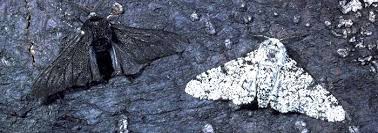
Predict which moth would increase in population
a)
light
b)
dark
103.
When the DNA of an organism is altered it is referred to as…
a)
Mutation
b)
Gene Flow
c)
Genetic Drift
d)
Sexual Selection
104.

Darwin wrote that organisms with traits that are best suited to the environment will ________________
a)
increase in number
b)
become extinct
105.

Which species’ DNA is most similar to the DNA of the toothed whale?
a)
Hippopotamus
b)
Baleen Whale
c)
Grazing Mammals
d)
Camels
106.
The environment around Manchester, England, changed during the Industrial Revolution. How did this change affect peppered moths living in the area?
a)
Natural selection favored moths with dark wings because predators could not see them on the soot-colored trees.
b)
Natural selection favored moths with white wings that were easy for predators to see.
c)
Natural selection favored moths with white wings because predators could not see them on the soot-colored trees.
d)
Natural selection caused moths with white wings to become extinct.
107.
Tigers, Jellyfish, Gorillas and Sponges are all part of kingdom _______.
a)
Animalia
b)
Plantae
c)
Fungi
d)
Bacteria
108.
Which kingdom is autotrophic AND has a cell wall?
a)
Bacteria
b)
Fungi
c)
Plantae
d)
Protista
109.

You would find mushrooms in which kingdom?
a)
Plantae
b)
Protists
c)
Fungi
d)
Animalia
110.
The scientific name for an organism is made from the:
a)
class and family name
b)
genus and species name
c)
domain and kingdom name
d)
kingdom and phylum name
111.
Term given to describe the 2 name naming system is:
a)
dichotmous key
b)
binomial nomenclature
c)
2 scientific names
d)
binomial key
112.
The 8 levels of classification, most broad to most specific.
a)
Domain, Genus, Family, Order, Class, Phylum, Kingdom, Species
b)
Domain, Species, Kingdom, Genus, Phylum, Family, Class, Order
c)
Domain, Kingdom, Phylum, Class, Order, Family, Genus, Species
d)
Order, Kingdom, Species, Domain, Phylum, Family, Class, Genus
113.

An illustration and a dichotomous key are given. What is the correct classification for this organism?
a)
Class Insecta
b)
Order Amblygygi
c)
Order Araneae
d)
Order Scorpiones
114.

A dichotomous key for trees is provided. Hikers found a tree that has large brown cones and single sharp needles. What species of tree have the hikers found?
a)
Juniper
b)
Pine
c)
Spruce
d)
Fir
115.
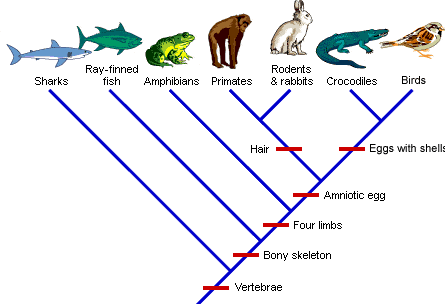
According to this cladogram, sharks are MOST closely related to which organism?
a)
Amphibians
b)
Ray finned fish
c)
Crocodiles
d)
Birds
100 %

