
 Worksheets
Environmental Science Final Exam
Total questions: 38
Worksheet time: 40mins
Name
Class
Date
1.
How much Energy moves on to the next level in the pyramid after some energy go to Waste, Use, & Heat
a)
40%
b)
10%
c)
5%
d)
20%
2.
Which best describes the role of decomposers in an ecosystem?
a)
Decomposers eat consumers and pass along energy.
b)
Decomposers eat scavengers and pass along energy.
c)
Decomposers get energy from the sun to help producers.
d)
Decomposers get energy by breaking down decaying matter.
3.
The main factors that determines which type of plants will grow are:
a)
Temperature and vegetation
b)
Precipitation and wind
c)
Temperature and Precipitation
d)
Altitude and Temperature
4.
What term is given by scientists to the living parts of an ecosystem?
a)
Biotic Factors
b)
Abiotic Factors
c)
Community
d)
Population
5.
Abiotic factors are parts of the environment that are...
a)
Nonliving
b)
Living
c)
Populations
d)
Vegetation
6.
Where does the energy from an ecosystem come from?
a)
Trees
b)
Sun
c)
Plants
d)
Water
7.

What type of consumer is the wolf?
a)
herbivore
b)
omnivore
c)
carnivore
d)
decomposer
8.

Which organism do the owl and the weasel compete for in the food web?
a)
Hawk
b)
Spider
c)
Grasshopper
d)
Shrew
9.

If there is 1000 Kcal available in the producers in trophic level 1, how much energy is available in the herbivores in trophic level 2?
a)
10 Kcal
b)
1 Kcal
c)
100 Kcal
d)
1000 Kcal
10.
2/3 of freshwater on Earth is "locked away" in what water source location?
a)
atmosphere
b)
rivers and lakes
c)
underground
d)
ice and glaciers
11.
What does not produce carbon dioxide?
a)
Photosynthesis
b)
Burning Fossil Fuels
c)
Animal respiration
d)
Plants decaying
12.
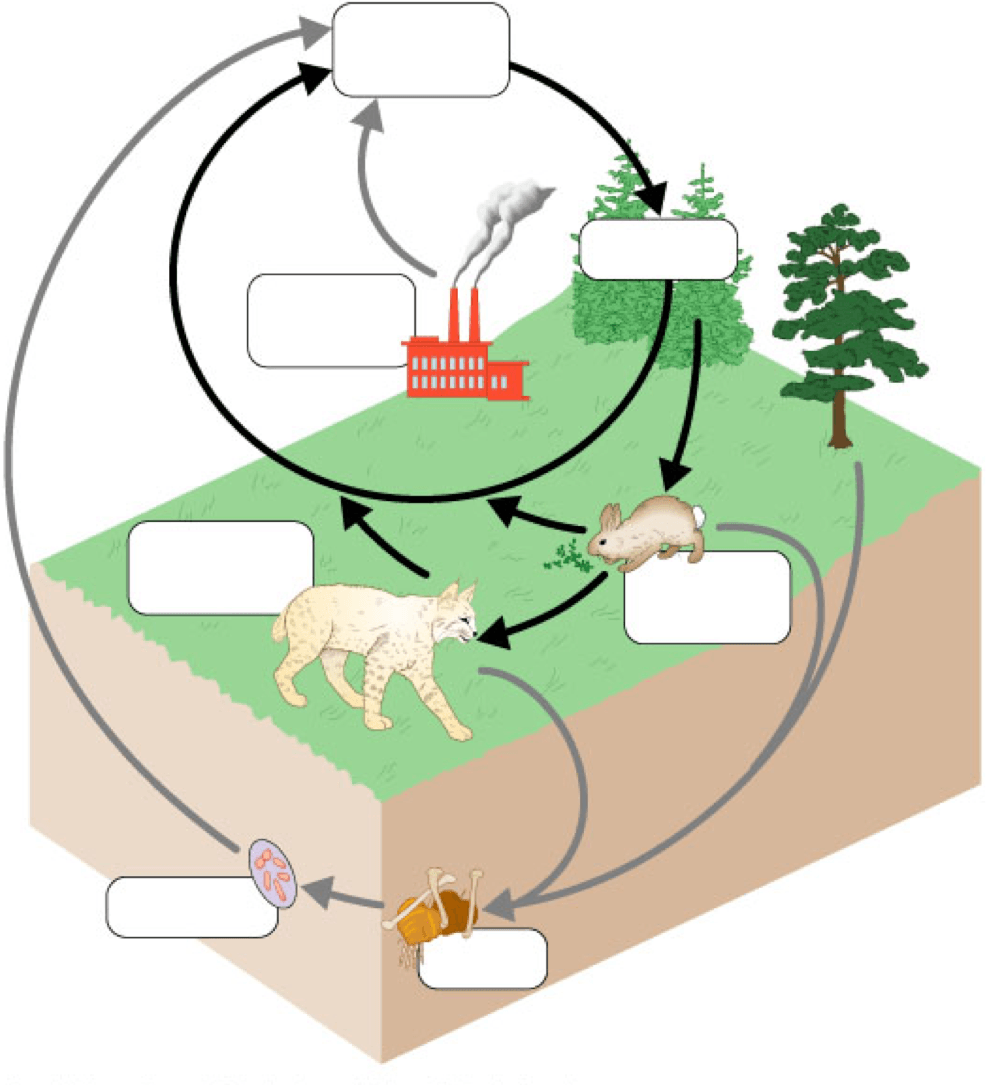
In what process is Carbon transformed into chemical energy?
a)
Photosynthesis
b)
Respiration
c)
Primary Production
d)
Secondary Production
13.
Globally, the leading cause of biodiversity loss is
a)
invasive species
b)
poaching and overharvesting
c)
pollution
d)
habitat change and/or loss of habitat
14.
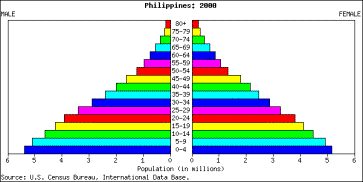
According to the population pyramid of this country, its population is most likely...
a)
growing slowly.
b)
growing rapidly.
c)
decreasing.
d)
not changing.
15.

Name the type of pyramid in the picture.
a)
slow growth
b)
fast growth
c)
zero growth
d)
decline
16.
Process in which bacteria convert nitrogen gas into a form that can be used by other living things is called
a)
nitrogen fixation
b)
ammonificaiton
c)
nitrification
d)
denitrification
17.
Which is NOT an animal adaptation of the tundra?
a)
migration
b)
camoflauge
c)
go underground to stay cool
d)
thick coats
18.
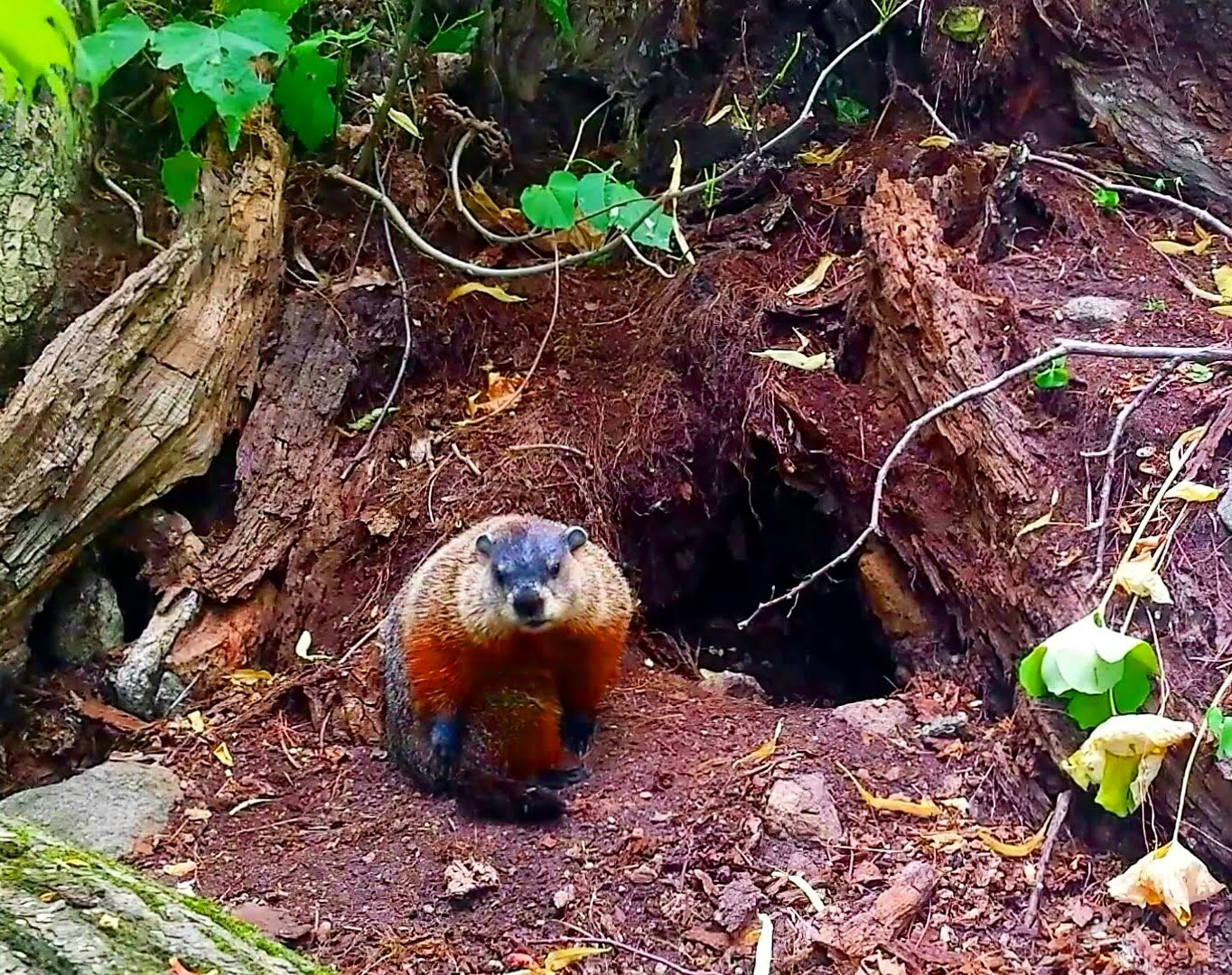
What type of symbiosis? Skunks often live in burrows that have been dug and abandoned by woodchucks.
a)
commensalism
b)
mutualism
c)
parasitism
d)
predation
19.
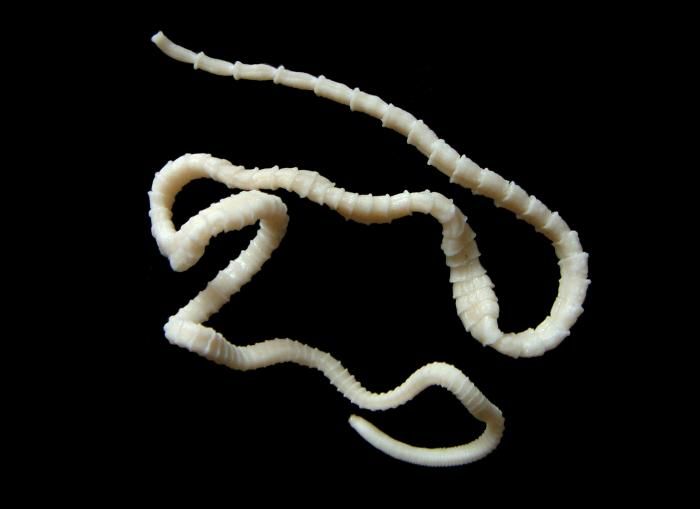
A tapeworm and a cat have this type of relationship.
a)
mutualism
b)
parasitism
c)
commensalism
d)
competition
20.
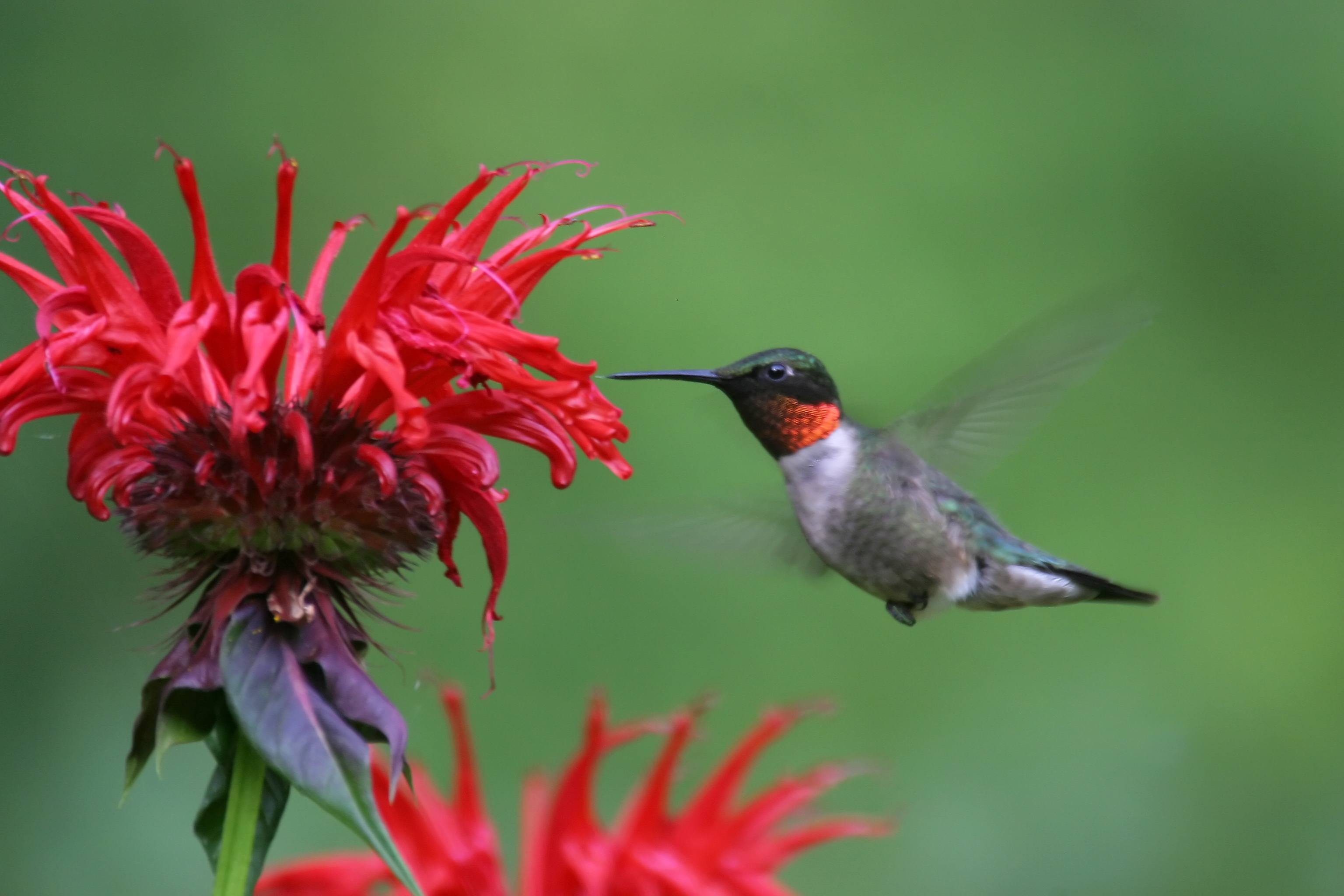
What type of symbiosis? Hummingbirds feed on nectar from flowers. The flowers are pollinated by hummingbirds as they move from flower to flower.
a)
commensalism
b)
mutualism
c)
parasitism
d)
predation
21.
A collection of organisms that belong to different populations but all live in the same area and interact with one another.
a)
Population
b)
Ecosystem
c)
Community
d)
Ecosphere
22.
Water pollution that comes from many sources is considered...
a)
point source pollution
b)
nonpoint source pollution
c)
thermal pollution
d)
ocean pollution
23.
Water pollution that comes from a single source is considered...
a)
point source pollution
b)
nonpoint source pollution
c)
thermal pollution
d)
ocean pollution
24.
Weather occurs here
a)
Troposphere
b)
Stratosphere
c)
Mesosphere
d)
Thermosphere
25.
What chemical is responsible for breaking up the ozone?
a)
CFCs
b)
Carbon Dioxide
c)
Nitrogen
d)
Oxygen
26.

What is an example of a renewable resource?
a)
hydroelectric
b)
oil
c)
coal
d)
fossil fuel
27.
Factories dumping water pollution into the ocean is what kind of pollution?
a)
Point Pollution
b)
Nonpoint pollution
28.
Cars with oil leaks are what kind of pollution?
a)
Point Pollution
b)
Nonpoint pollution
29.
What generally accounts for the greatest use of household water?
a)
Washing Machine
b)
Dishwasher
c)
Shower
d)
Landscaping
30.

the process by which a new community forms where no community lived before
a)
resource
b)
invasive (non- native) species
c)
primary succession
d)
competition
31.

What is the order of succession shown in this figure?
a)
A, B, C, D
b)
B, A, D, C
c)
C, D, A, B
d)
D, A, B, C
32.
Reaches a climax community quicker because soil is already present
a)
primary succession
b)
secondary succession
c)
both types of succession
33.
Which statement is MOST LIKELY to be true of a developing country?
a)
Most adults earn enough money to own cars.
b)
Most adults consume more than 3,000 calories a day.
c)
Most adults live in rural areas and work in agriculture.
d)
Most adults live in cities and work in factories or offices.
34.
What happens if there are more births than deaths in a country?
a)
The population decreases.
b)
This results in an increase in population.
c)
The population stays the same but there are more children.
35.
Which definition best matches the term population density?
a)
human beings in general
b)
number of people in a particular area
c)
A measurement of people for a specific area
d)
All the inhabitants of a particular area
36.
An endangered species is
a)
One whose numbers are so small that it is at risk of extinction
b)
One whose not been spotted after many years.
c)
One whose numbers are abundant.
37.
Which has NOT been a major cause of the population explosion?
a)
improved medical care and modern medicines
b)
people are living lonoger
c)
improved waste management
d)
increase in recycling and reusing products
38.
Lines of ___________ measure how far from the equator a place is.
a)
latitude
b)
longitude
c)
Prime Meridian
100 %

