wayground logo

Free Printable Worksheets

Font size

S
M
L
XL
Worksheets

Social STudies Final Exam REview

Total questions: 130

Worksheet time: 1hrs 28mins

Name
Class
Date
1.
Which continent is farthest to the south?
a)
Africa
b)
Australia
c)
South America
d)
Antarctica
2.
Which hemisphere is shaded dark on the map?
a)
northern hemisphere
b)
southern hemisphere
c)
eastern hemisphere
d)
western hemisphere
3.
Which ocean is east of the United States?
a)
Atlantic
b)
Pacific
c)
Indian
d)
Arctic
4.

Which hemispheres do we live in?

a)

northern and western

b)

northern and eastern

c)

southern and western

d)

southern and eastern

5.
Which two continents are located entirely in the Western Hemisphere?
a)
Europe and Africa
b)
Asia and Antarctica
c)
North America and Australia
d)
North America and South America
6.
the northern-most ocean in the world
a)
Arctic Ocean
b)
Atlantic Ocean
c)
Pacific Ocean
d)
Indian Ocean
7.
body of land surrounded by water on three sides
a)
Island
b)
Isthmus
c)
Peninsula
d)
Bay
8.
What is the continent that is red?
a)
North America
b)
Europe
c)
Africa
d)
Australia
9.
What is the continent that is yellow?
a)
Africa
b)
Australia
c)
Asia
d)
Antarctica
10.
What is the continent that is orange?
a)
Africa
b)
Australia
c)
Antarctica
d)
Asia
11.
Which themes describes how humans change a particular place?
a)
Location
b)
Place
c)
Human-Environment Interaction
d)
Movement
12.
What is the acronym that can be used to "help" you remember the 5 Themes of Geography?
a)
MR. HELP
b)
MS. HELP
c)
MR. HIP
d)
MRS. HEL
13.
The study of Earth
a)
Latitude
b)
Longitude
c)
Geography
d)
History
14.
What land form is this?
a)
valley
b)
canyon
c)
plain
d)
mountain
15.
What land form is this?
a)
island
b)
valley
c)
plain
d)
mountain
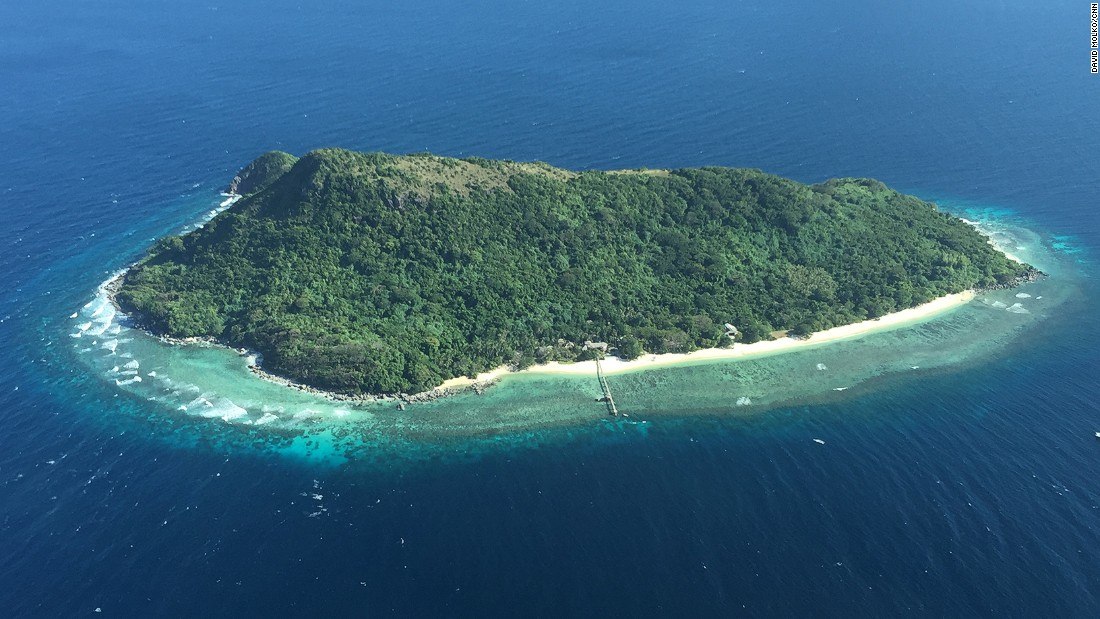
16.
I am a/an
a)
Peninsula
b)
Plain
c)
Valley
d)
Island
17.
The Declaration of Independence,
Primary Source - True or False?
a)
True
b)
False
18.
Which of answer below is a Primary Source?
a)
Diary
b)
Textbook 
c)
Notes from a teacher
d)
Encyclopedia 
19.
Which of answer below is a Secondary Source?
a)
Autobiography
b)
Photograph
c)
Patent
d)
Biography
20.
Which of answer below is NOT a Primary Source?
a)
National Geographic magazine article
b)
Diary
c)
1900's Buffalo Nickel
d)
Live video footage
21.
Which of answer below NOT is a Secondary Source?
a)
Journal article on the Egyptians
b)
New York Times article on Genghis Khan 
c)
Congressional Bill
d)
Thesaurus 
22.
What type of source is this?
a)
Primary
b)
Secondary
23.
What type of source is this?
a)
Primary 
b)
Secondary
24.
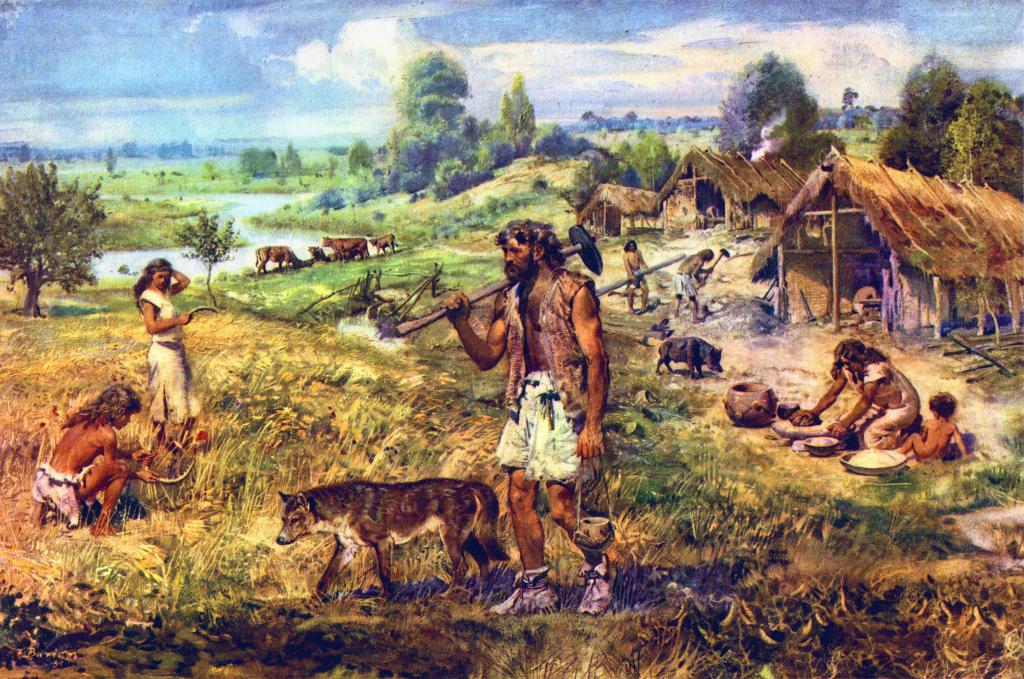
What is another name for the Neolithic Age?
a)
New Stone Age
b)
Old Stone Age
c)
Prehistoric Period
d)
The Ice Age
25.
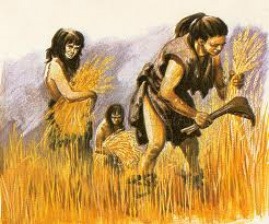
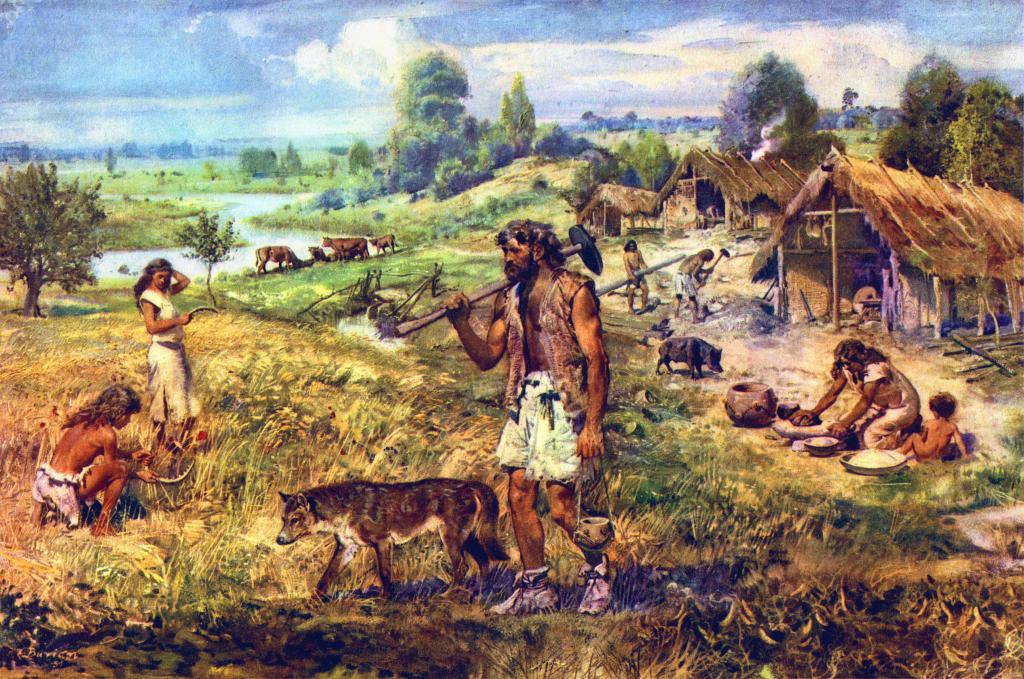
What change marked the beginning of the Neolithic Revolution? 
a)
beginning of hunting and gathering
b)
man learned to write
c)
man began farming
d)
man built towns and cities
26.
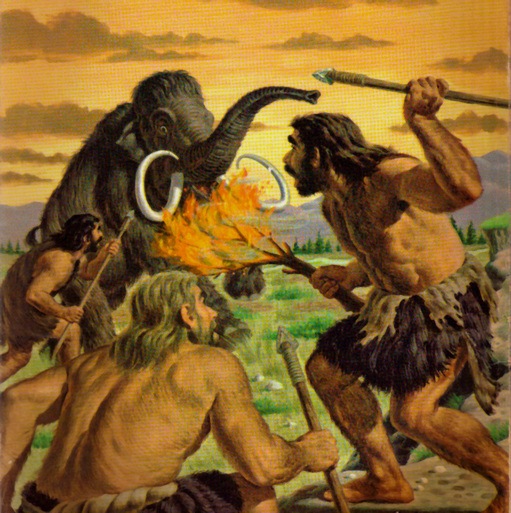
How did man get his food during the Paleolithic Age?
a)
Growing crops
b)
Hunting and Gathering
c)
Stealing from others
d)
Scavenging
27.
Which of the following happened when man began to farm?
a)
There were communities where people could do jobs other than farming jobs 
b)
They had more meat in their diet
c)
They were constantly attacked by wild animals
d)
They had to move from place to place following crops
28.
What is another word for farming?
a)
industry
b)
Paleolithic
c)
agriculture
d)
migration
29.
How did the "Stone Age"get its name?
a)
Man made his homes out of stone.
b)
Man made tools and weapons out of stone.
c)
Man carved sculptures out of stone.
d)
Man worshiped statues made of stone.
30.
A __________ shows the order in which events have occurred.
a)
timeline
b)
chronos
c)
title
d)
Anno Domini
31.
Timelines are read from
a)
right to left
b)
left to right
c)
upside down
d)
not read
32.
B.C.E. stands for
a)
Before Christ
b)
Best Common Era
c)
Before Common Era
d)
Common Era
33.
Which group of dates are arranged in chronological order?
a)
100 AD, 200 AD, 300 BC, 150 BC
b)
1000 BC, 450 BC, 2013 CE, 2014 CE
c)
450 BC, 200 BC, 100 AD, 98 AD
d)
1000BC, 300 BC, 400 BC, 10 AD
34.

Which timeline is labeled correctly?

a)

A

b)

B

c)

C

35.
A.D. means
a)
Anno Domini
b)
Add Dictator
c)
After Columbus
d)
Animal Dominoa
36.
What is a Circa?
a)
10 years
b)
When the exact date is not known
c)
100 years
d)
Everything
37.
C.E stands for...
a)
Before common Era 
b)
Common Era
c)
Christ Evolution 
d)
Coming Entrance 
38.

Which happened first, the building of the Pyramids or the development of hieroglyphic writing?

a)

Pyramids of Giza built

b)

Development of hieroglyphic writing

39.

Which event on this timeline happened FIRST?

a)

Last use of hieroglyphic writing

b)

Rosetta Stone is carved

c)

Settlers in Nile Valley

40.
This picture shows an area known as the..
a)
Farming Curve
b)
Fertile Crescent
c)
Green C
d)
Fertile Curve
41.
Civilization in Mesopotamia developed between which two rivers?
a)
the Persian Gulf and the Mediterranean
b)
the Tigris and the Persian Gulf
c)
the Persian Gulf and the Euphrates
d)
the Euphrates and the Tigris
42.
Who wrote a legal code that covered most areas of daily life?
a)
Gilgamesh
b)
Hammarabui
c)
Nineveh
d)
Sargon
43.

The Sumerian (Mesopotamia) writing system was called

a)

Cuneiform

b)

Hieroglyphs

c)

English

d)

Sargon

44.
A Sumerian temple to honor their chief god was called a
a)
scribe.
b)
cradle.
c)
Gilgamesh.
d)
ziggurat.
45.
A city with political and economic control over the surrounding countryside
a)
City-State
b)
Country
c)
Villiage
d)
Culture
46.
Babylonian leader who created the first written code of 282 laws that dealt with almost every part of daily life
a)
Gilgamesh
b)
Sargon
c)
Hammurabi 
d)
Sumer
47.

Where did the first civilizations arise because of farming conditions?

a)

in the mountains

b)

near the sea

c)

in river valleys

d)

in the desert

48.
"the land between the rivers"; an early civilization between the Tigris and Euphrates Rivers
a)
China
b)
India
c)
Egypt
d)
Mesopotamia
49.
Belief in more than one god
a)
Polytheism
b)
Monotheism
c)
Theocracy
d)
Theology
50.
What were the rivers effect on people?
a)
provided fertile soil
b)
killed crops
c)
they were calming 
d)
were pretty to look at
51.
Why was writing first invented?
a)
for texting
b)
to write stories
c)
for fun
d)
to keep records
52.

What modern day country is Mesopotamia mostly in? SIT

a)

India

b)

Egypt

c)

China

d)

Iraq

53.
How did the development of agriculture allow civilizations to move beyond just living  day to day with enough food to eat?
a)
more steady food supply with food surplus
b)
larger populations
c)
trade and specialization
d)
all of the above
54.
The Nile River flows through two important regions in Egypt called
a)
Mesopotamia
b)
Upper and Lower Egypt
c)
Eastern and Western Egypt
d)
Nubia and Cairo
55.
Which of the following beliefs was  central to Egyptian religion?
a)
the afterlife
b)
the pyramids
c)
the pharaohs
d)
the heavens
56.
Why were tombs filled with art, jewelry, etc.....?
a)
Tombs were museums.
b)
Tombs were private storage for the pharaoh.
c)
Tombs were the safest place in the kingdom.
d)
They believed the dead enjoyed their materials in the afterlife.
57.
Egyptian writing system
a)
papyrus
b)
alaphabet
c)
cuneiform
d)
heiroglyphics
58.
Who is at the top of the Egyptian social hierarchy?
a)
slaves
b)
pharaoh
c)
scribe
d)
merchant
59.
Ancient Egyptians believed in many gods, this is a practice known as
a)
Monotheism
b)
Socialism
c)
Polytheism
d)
Animism
60.
What was the special salt used to dry the body during mummification
a)
Sea
b)
Morton
c)
Natron
d)
Iodized
61.
Which way did the Nile flow?
a)
North to South
b)
South to North
c)
East to West
d)
West to East
62.
How did the yearly flooding of the Nile River affect the people of Egypt and Kush?
a)
It isolated the settlements.
b)
It left silt that improved the soil.
c)
It spread diseases that destroyed whole empires.
d)
It attracted hunters and gatherers looking for wildlife.
63.
True or False? There was an Upper and Lower Egypt.
a)
True
b)
False
64.
What the major river that was in Ancient Egypt?
a)
Amazon
b)
Mississippi
c)
Nile
d)
Tiber
65.
What process preserved the bodies of pharoahs for thousands of years?
a)
hieroglyphics
b)
papyrus
c)
mummification
d)
buriel
66.
What was the name for people who could write in ancient Egypt?
a)
authors
b)
writers
c)
typists
d)
scribes
67.
What is the name for the Egyptian writing?
a)
Hieroglyphics
b)
Gaeilge
c)
Cyrillic 
d)
The alphabet
68.
The northern part of Egypt is referred to as
a)
Southern Egypt
b)
Northern Egypt
c)
Upper Egypt
d)
Lower Egypt
69.
Where does the Nile River begin?
a)
The Mediterranean Sea
b)
At the 6th cataract
c)
Lake Victoria and the mountains of Central Africa
d)
In the Red Sea
70.
Egypt has three seasons based on the Nile. They are:
a)
flooding, planting, harvesting seasons.
b)
flooding, drought, and fishing seasons.
c)
hunting, gathering, and harvesting seasons
d)
winter, spring, and summer seasons
71.
What was Akhet?
a)
the harvest season
b)
the god of the Nile River
c)
the dry season
d)
the season of flooding
72.
What did the Egyptians consider the Gift of the Nile?
a)
the fish they were able to catch for food
b)
the fresh water they could use for drinking and bathing
c)
the breeze that helped them travel upstream
d)
the rich black soil from the Nile flooding
73.
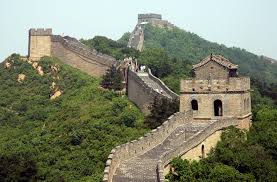
What is the purpose of the structure pictured here?
a)
It is a temple
b)
To protect China's northern border
c)
To protect China's Southern border
d)
To protect China from India 
74.
____ is fine, windblown yellow soil
a)
Loess
b)
Clan
c)
Oracle Bone
d)
Yangzi
75.
How did the Silk Road effect China?
a)
China became wealthy
b)
China ended farmed
c)
China started a war
d)
China stopped trading
76.
Trade route that stretched from western China to southern Asia
a)
filial piety
b)
Silk Road
c)
Great Wall
d)
Anyang
77.
Line of rulers from the same family
a)
Legalism
b)
long Chinese line
c)
filial piety
d)
dynasty
78.
Early civilizations like Mesopotamia, Egypt, India and China have one thing in common.....
a)
each civilization flourished despite harsh desert conditions
b)
we know little about them due to catastrophic natural disasters
c)
they were founded along rivers and fertile valleys
d)
their coastal locations allowed them to trade with the Roman Empire
79.
What did Emperor Qin build that allowed no one to leave, or invade, for thousands of years?
a)
a statue of himself
b)
a fortress
c)
The Great Wall
d)
a model of a dinosaur
80.
How was Chinese civilization affected by mountains and deserts?
a)
They became wealthy.
b)
They were isolated from other civilizations.
c)
They made it easier to travel.
d)
They made China easy to be attacked.
81.
The Silk Road refers to...
a)
A giant factory where silk is made
b)
A road made of a stringy material
c)
A religious path
d)
A series of trade routes between Asia and Europe
82.
What continent is Ancient China found on
a)
North America
b)
Europe
c)
Asia
d)
Africa
83.
What word best describes the land of the Greek peninsula?
a)
rocky and mountainous
b)
flat
c)
desert
d)
rolling plains
84.
Greece is a peninsula which means
a)
a mountain range with a river running through it. 
b)
land surrounded by water on three sides
c)
an area with major rivers running through it
d)
a very mountainous region
85.
The ancient Greeks were  
a)
Monotheistic  
b)
Polytheistic
c)
Atheist
d)
Scientologist
86.

Who was NOT a Greek philosopher?

a)

Alexander the Great

b)

Aristotle

c)

Socrates

d)

Plato

87.
According to the ancient Greeks, the gods and goddesses lived...
a)
in Athens.
b)
on Mount Olympus.
c)
in Sparta.
d)
in Turkey.
88.
What does the word "Democracy" mean?
a)
"rule by the government"
b)
"rule by the many"
c)
"rule by the wealthy"
d)
"rule by the people"
89.
A militaristic city-state where boys were trained from an early age to fight.
a)
Athens
b)
Delphi
c)
Corinth
d)
Sparta
90.
A city-state which favored democracy and a well-rounded education. 
(Also, the largest city-state by a wide margin)
a)
Sparta
b)
Athens
c)
Delphi
d)
Corinth
91.
True or False?  
The ancient Greeks were excellent sailors.
a)
True
b)
False
92.
How is the influence of ancient greece seen in today's world?
a)
the clothes that they wore
b)
buildings and architecture
c)
everybody walks everywhere
d)
communities are isolated
93.
 How was ancient Greek democracy different from democracy in the United States today? 
a)
a. citizens listened to the ideas of powerful speakers
b)
b. citizens voted directly on all issues
c)
c. citizens gave their leaders total power
d)
d. citizens elected representatives to make laws
94.
Which Greek philosopher had the method of asking questions? 
a)
Socrates
b)
Aristole
c)
Plato
d)
Alexander
95.
Greece is in which continent?
a)
Europe
b)
Africa
c)
North America
d)
Asia
96.
The games held every four years at a festival to honor Zeus were called
a)
Goodwill Games
b)
marathons
c)
Olympics
d)
triathlons 
97.
Alexander the Great is famous because 
a)
he was a student of Aristotle 
b)
he was King Philip's son
c)
he conquered a lot of land
d)
he died
98.
Who spread Greek ideas by building an empire in Europe, Asia, and Africa?
a)
Pericles
b)
Archimedes
c)
Socrates
d)
Alexander
99.
A type of government ruled by the people is a  ______________. 
a)
aristocracy
b)
monarchy
c)
democracy
d)
socialism
100.
The type of government the Spartans practiced was
a)
Democracy
b)
Monarchy
c)
Oligarchy
d)
Tyranny
101.

The majority (85%) of Greece is __________

a)

Mountains

b)

Desert

c)

Farmland

d)

Ice

102.
What were wealthy landowners called who made up Rome's ruling class? 
a)
Plebeians
b)
Patricians
c)
Monarchs
d)
Aristocrats
103.

What commoners such as artisans shopkeepers, and owners of small farms were called in Rome

a)

Aristocrats

b)

Patricians

c)

Monarchs

d)

Plebeians

104.
What were the two top officials in the Roman government chosen to serve one year?
a)
Consuls
b)
Praetors
c)
Tribunes
d)
Senators
105.
Whose job was to make sure the plebeians' concerns were brought to the government's attention?
a)
Praetors
b)
Consuls
c)
Tribunes
d)
Patricians
106.
Who made himself dictator for life and was seen as a hero to the plebeians because he gave them land & food, but was power-hungry to the patricians?
a)
Julius Caesar
b)
Mark Antony
c)
Scipio
d)
Caesar Augustus
107.
What was Caesar's grandnephew called before he became the first emperor of Rome
a)
Mark Antony
b)
Scipio
c)
Sulla
d)
Octavian
108.
Who said, "I found Rome a city of brick and left it a city of marble?"
a)
Julius Caesar
b)
Cleopatra
c)
Caesar Augustus
d)
Mark Antony
109.
A structure that carries water over long distances
a)
colosseum
b)
dome
c)
aqueduct
d)
arch
110.

A modern entertainment stadium similar to which Roman accomplishment?

a)

Pont du Gard

b)

The Colosseum

c)

Basilica of Constantine

d)

The Pantheon

111.
Which group most heavily influenced Roman art and architecture?
a)
Babylonians
b)
Greeks
c)
Egyptians
d)
Persians
112.
Who were the two main characters in the story that tells the beginnings of Rome?
a)
Romulus & Remus
b)
Zeus & Hera
c)
Ronulus & Roman
d)
Bill & Ted
113.
____ were the first set of written laws in Rome.
a)
10 Commandments
b)
Roman Code
c)
The Ten Chairs
d)
The Twelve Tables.
114.
The city of Rome is located on the ___ River.
a)
Tigris
b)
Nile
c)
Indus
d)
Tiber
115.
The Roman Senate most likely assassinated Julius Caesar because
a)
He named himself "dictator for life"
b)
He was a spy from Egypt
c)
He wanted to make life better for the plebeians
d)
they worked for Pompey
116.
Which of the following is true about the government of the Roman Republic?
a)
Senators had the least power
b)
Checks and balances kept any one group from gaining too much power
c)
The plebeians had the most influence in the government
d)
The Republic weakened Rome causing Rome to lose a large amount of land
117.
Which culture was known for their arches?
a)
Greeks
b)
Japanese
c)
Romans
d)
Muslims
118.
In what civilization would you find the Great Pyramid?
a)
Egypt
b)
Mesopotamia
c)
China
d)
Palestine
119.
Are the columns in the building an example of Greek architecture?
a)
Yes
b)
No
120.
What is a large rounded roof of a ceiling or ceiling that is shaped like a half of a ball?
a)
pediment
b)
dome
c)
castle
d)
house
121.
Which of the following is not a reason for the fall of the Roman Empire?
a)
the empire was too small
b)
barbarian invasions
c)
the empire was too big
d)
the population of Rome declined
122.
What is the name for the system of promises between lords and vassals that governed Europe in the Middle Ages?
a)
Christianity
b)
Feudalism
c)
Shinto
d)
Chivalry
123.
What was the name of the code that unifed Byzantine and western Roman empire?
a)
Hammurabi's Code
b)
Justinian's Code
c)
Theodora's Code
d)
Byzantine's Code
124.
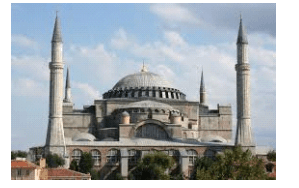
Identify this Byzantine Church that was commissioned by Justinian.
a)
Hagia Sophia
b)
National Cathedral
c)
Notre Dame
d)
Taj Mahal
125.
Who was the famous lady that influenced her husband to increase some legal rights of women?
a)
Irene
b)
Theodora
c)
Joan of Arc 
d)
Eleanor of Aquitaine 
126.
Why is Justinian's Code of laws so important today?
a)
It established all rules regarding. taxation.
b)
It established codes regarding the Eastern Orthodox Church.
c)
It established the basis for legal codes in Western World.
d)
It established what entertainment acts were at Hippodrome.
127.
What was the capital city of the Byzantine Empire? 
a)
Rome 
b)
Athens 
c)
Constantinople 
d)
Italy 
128.
What empire split into two with the eastern portion becoming the Byzantine Empire? 
a)
Greek Empire
b)
Chinese Empire
c)
Ottoman Empire
d)
Roman Empire
129.
The Pax Romana was a period of 
a)
war and disorder
b)
peace, unity, & accomplishments that lasted nearly 200 years.
c)
distrust & conflict between emperors & the Senate.
d)
conquests & fights for control of the empire.
130.
Which was NOT a cause of the fall of the Empire? 
a)
Political Instability 
b)
The empire became too small
c)
Economic problems 
d)
It became too large to manage effectively.