
 Worksheets
2018-2019 SLO Quiz Pre and Post
Total questions: 41
Worksheet time: 41mins
Name
Class
Date
1.

Which of the following correctly lists the layers in order from oldest to youngest?
a)
A, B, C, D, E
b)
E, B, C, D, A
c)
E, D, C, B, A
d)
C, B, A, D, E
2.

What is the thinnest layer of the earth’s composition?
a)
mantle
b)
inner core
c)
crust
d)
outer core
3.
The science of the destruction and creation of earth's crust is called
a)
plate tectonics
b)
hydrology
c)
astrology
d)
meteorology
4.
Which of the following explains how mountains are formed?
a)
Plates collide at divergent boundaries causing the crust to push upward.
b)
Plates collide at convergent boundaries causing the crust to push upward.
c)
Plates slide past each other at transform boundaries causing the crust to push upward.
d)
Plates collide at convergent boundaries causing the mantle to push upward
5.
The theory that says Earth's continents once made up an ancient supercontinent, and have been drifting apart ever since, is called the theory of...
a)
Pangea
b)
Plate Tectonics
c)
Natural Selection
d)
Gravity
6.

Which rock layer or intrusion is the youngest?
a)
A
b)
B
c)
C
d)
D
7.

The San Andrea's Fault in California is which type of boundary?
a)
Convergent
b)
Divergent
c)
Subductive Zone
d)
Transform
8.

At about what time did all of the S-waves hit?
a)
20 sec
b)
45 sec
c)
50 sec
9.
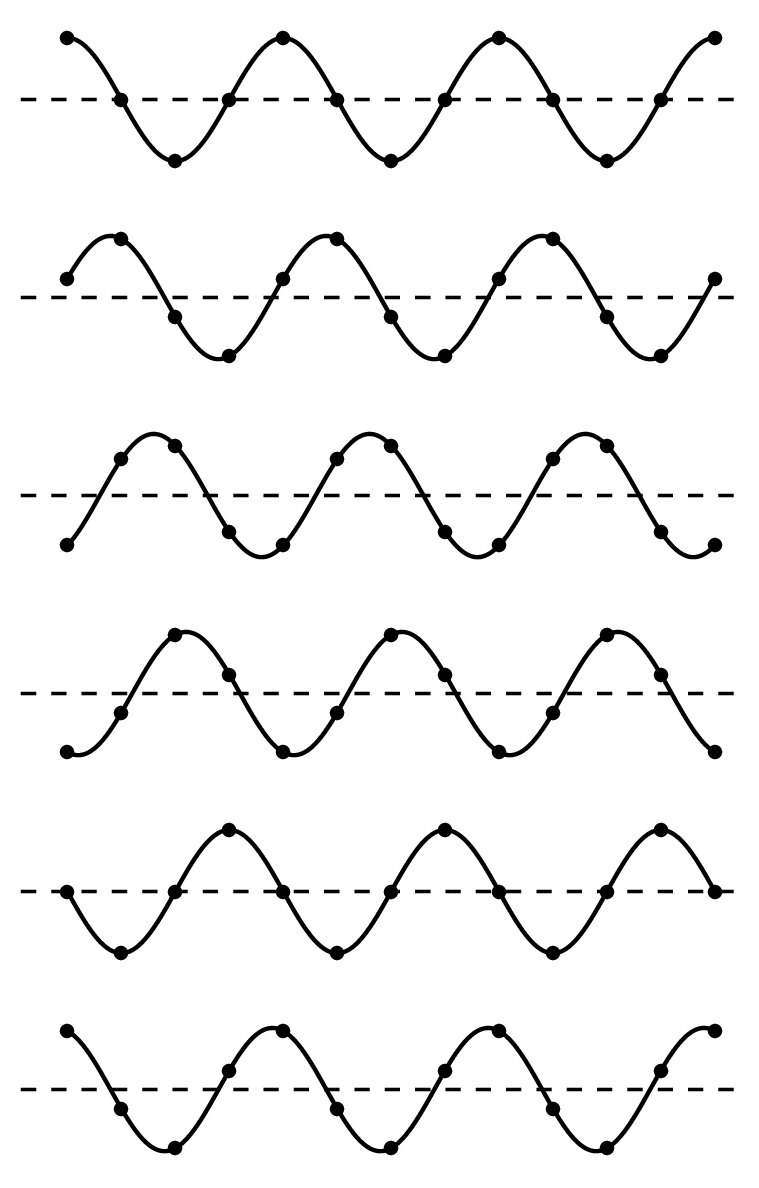
What kind of wave is this?
a)
Transverse Wave
b)
Longitudinal Wave
10.

The S-wave shadow zone shown in the figure exist because
a)
S-waves travel thru liquids
b)
Seismic waves cannot penetrate the mantle-core boundary
c)
The outer core is liquid
d)
The outer core is less dense
11.
If you traveled from the center of Earth to the surface, the pressure would...
a)
increase
b)
decrease
c)
stay the same
d)
unsure
12.
Seafloor spreading occurs along certain boundaries in the ocean. Which are most likely to form at the boundary where the seafloor is spreading?
a)
strike-slip faults
b)
subduction zones
c)
mid-ocean ridges
d)
continental shelves
13.

Heat transfers within the Earth
a)
Conduction
b)
Convection Current
c)
Ocean Current
d)
Radiation
14.

Addition of new sea floor
a)
Subduction
b)
Sea Floor Spreading
c)
Sea Floor subduction
d)
Convergent
15.

Which was NOT evidence of Wegener?
a)
Seafloor spreading
b)
fossils
c)
puzzle piece
d)
glacier evidence
16.

An area where magma melts through the crust in the middle of a plate is called a ________.
a)
island arc
b)
hot spot
c)
geyser
d)
pipe
17.
Weathering is
a)
the moving of sediments.
b)
the process of breaking down rocks
c)
large sheets of ice that cover land
d)
how clouds are formed
18.
Which term describes the transport (movement) of weathered rock?
a)
Weathering
b)
Deposition
c)
Erosion
d)
Earthquake
19.

What is the primary cause of slow change like a canyon forming?
a)
erosion from wind.
b)
erosion from water.
c)
deposition from wind.
d)
deposition from water.
20.
What is an event that would cause slow weathering?
a)
hurricane
b)
chemicals dissolve minerals in limestone
c)
earthquakes
d)
floods
21.

What slow change would have caused this river to become so shallow over time?
a)
Heavy rainfall flooded the river.
b)
A glacier melted and flooded the river.
c)
A large amount of soil was moved into the river during an earthquake.
d)
A small amount of soil was deposited over time.
22.

How do these plants slow erosion caused by heavy rains?
a)
Plant roots don't absorb water from the wet soil.
b)
Plant roots hold soil particles together.
c)
Plants' leaves release water from the soil into the air.
d)
Plant roots decrease moisture evaporation from the soil.
23.
A desert lake has evaporated to half its original size over the past 50 years. This caused a large increase in the lake's salt concentration. Over these 50 years, scientists have observed a decrease in the population of one fish species and an increase in the population of a shrimp species. Which hypothesis about the organisms ability to live with the salt concentration does the evidence suport
a)
The fish are better able to live in areas of high salt concentration
b)
Neither the shrimp nor the fish are able to live in areas of high salt concentration
c)
Both the shrimp and the fish are equally able to live in areas of high salt concentration
d)
The shrimp are better able to live in areas of high salt concentration
24.
Guppies are small fish that live in fresh water. Most guppy species reproduce sexually, but some reproduce asexually. There are two lakes in a particular region. One lake contains a species of guppy that reproduces asexually. The other lake contains a species of guppy that reproduces sexually. A scientist studying these lakes predicts that the sexually reproducing guppies would survive better than the asexually reproducing guppies if a fungus was introduced to both lakes. Which statement supports this hypothesis?
a)
The sexually reproducing guppies are carriers of harmful characteristics
b)
The sexually reproducing guppies require only one individual for reproduction
c)
The sexually reproducing guppies have a variation of inherited characteristics
d)
The sexually reproducing guppies are identical to one another
25.
How diversity within a species benefit that species if there is an environmental change?
a)
Diversity does not affect a species if there is an environmental change.
b)
Sexual reproduction within a species allows for diversity which benefits the species if there is an environmental change.
c)
Asexual reproduction within a species allows for diversity which benefits the species if there is an environmental change.
d)
None of the choices are correct
26.

Planaria are flatworms that are found in shallow streams often attached to the bottoms of rocks. A class is studying a population of planaria in a near by shallow stream. The graph above shows data collected over 11 weeks. The population started to decrease after 5 weeks. The students concluded that the stream did not have enough food to support a large population of planaria. If this trend continues, how many planaria will be living in the stream by the 12th week?
a)
600
b)
500
c)
400
d)
300
27.

What is going to happen to the population of finch that has a BB Genotype?
a)
Increase
b)
Decrease
c)
Stay the same
28.

Select the 3 statements that may explain the changes in the population of the peppered moths during this time:
a)
Options 1, 2, and 3
b)
Options 2, 3, and 4
c)
Options 1, 5, and 6
d)
Options 2, 4 and 5
29.

Which graph shows a population that would have the greatest chance of surviving a significant change in climate?
a)
A
b)
B
c)
C
d)
D
30.

Select the 4 possible explanations for the results shown in the graph.
a)
A, B, C, D
b)
B, C, D, E
c)
D, E, F, A
d)
C, D, E, F
31.

Which layer is the oldest?
a)
1
b)
2
c)
3
d)
4
32.

The diagram shows fossils in different rock layers. Which of these statements about the age of these fossils is most likely correct?
a)
Fossil A and C are the same age
b)
Fossil B is older than fossil C
c)
Fossils A is older than fossil B
d)
Fossil D is older than fossil C
33.
What does the strength of gravity between two objects depend upon?
a)
Mass & distance
b)
Mass & weight
c)
Gravity & inertia
d)
Inertia & mass
34.
All objects in the universe have a gravitational attraction to each other.
a)
True
b)
False
35.
Balanced forces do not change the objects speed or
a)
direction
b)
distance
c)
time
d)
mass
36.

What is the net force?
a)
5000 N right
b)
4000 N right
c)
40 N left
d)
4000 N left
37.
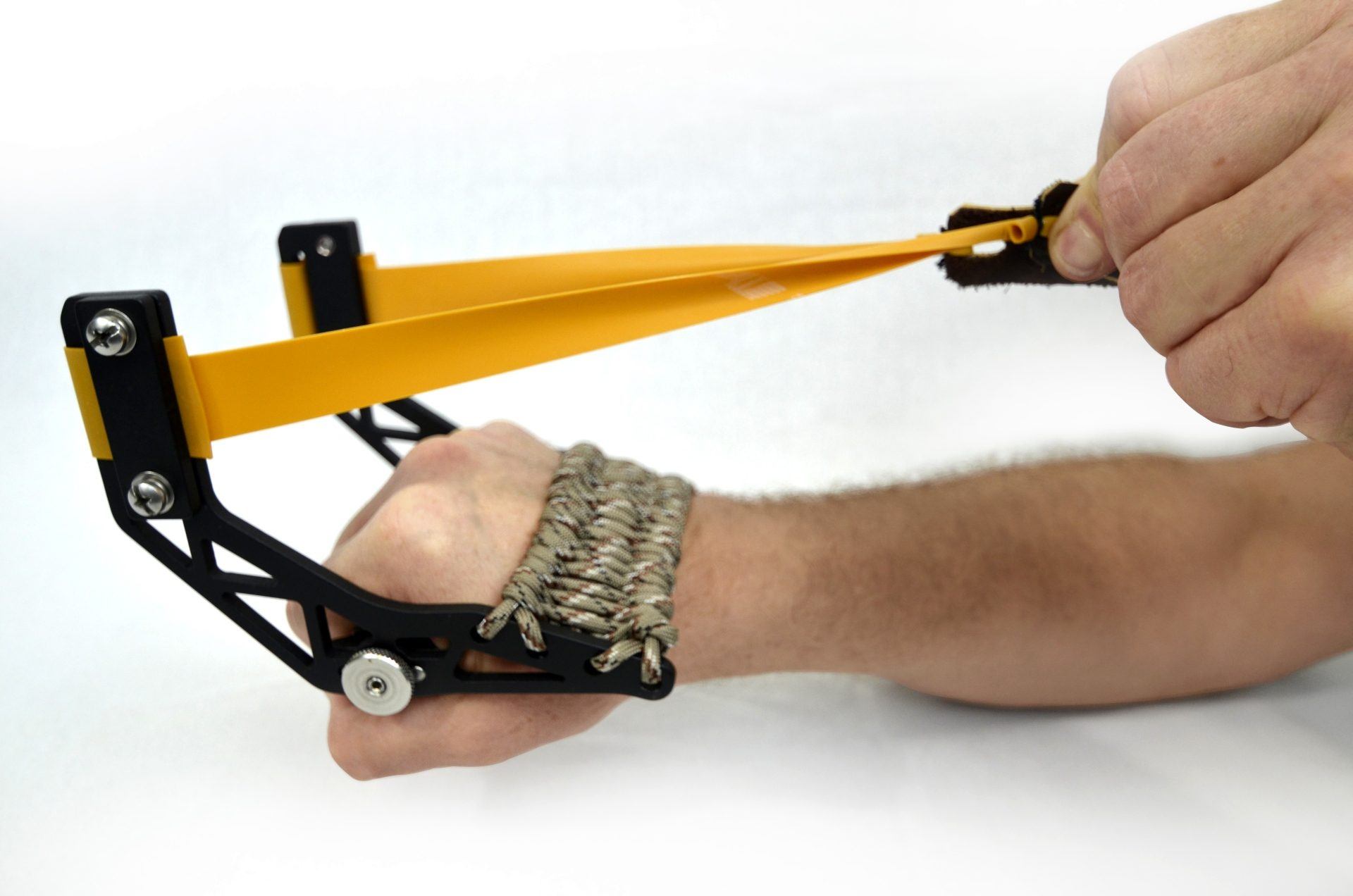
What type of energy is in this picture?
a)
Kinetic
b)
Potential
c)
Chemical
d)
Sound
38.
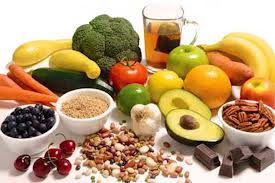
What kind of energy is represented in the picture?
a)
Thermal
b)
Chemical
c)
Sound
d)
Nuclear
39.

Calcium chloride and water are combined in a zip lock bag. When combined, the two substances heat up. Which of the following shows the correct energy flow diagram for this experiment?
a)
chemical --> radiant
b)
thermal --> chemical
c)
chemical --> thermal
d)
nuclear --> radiant
40.

which point has the most potential energy
a)
G
b)
f
c)
b
d)
a
41.

As a pendulum swings from its highest to lowest position, what happens to its kinetic and potential energy?
a)
Both the potential energy and kinetic energy decrease
b)
The potential energy decreases while the kinetic energy increases
c)
The kinetic energy decreases while the potential energy increases
d)
Bothe the potential energy and kinetic energy increase
100 %

