
 Worksheets
Unit 5 Review
Total questions: 44
Worksheet time: 1hrs 28mins
The highest level of organization is
organ system
organism
tissue
organ
cell

Gathers oxygen from the environment and gets rid of carbon dioxide from the body.
circulatory system
respiratory system
excretory system
nervous system

Breaks down food into nutrients that can be used by the body.
excretory system
cardiovascular system
digestive system
nervous sytem

Responds to sensory information by transmitting signals to and from different parts of the body.
lymphatic system
endocrine system
cardiovascular system
nervous system

Both the excretory and respiratory system
remove wastes from the body
take in nutrients for the body
protect the body from disease
supports and protects the body
What is the biggest function of the muscular system?
to help digest food
to help us move
to help us breathe
to help us remove waste
What is the most important function of the excretory system?
Break down food
Pump blood
Remove waste
Voluntary movement
Which two systems work together to break down and transport molecules?
muscular and respiratory
circulatory and skeletal
digestive and circulatory
endocrine and digestive

The picture below illustrates a white blood cell protecting our body. Which body system is the white blood cell part of?
excretory system
digestive system
immune system
circulatory system


Name this body system.
digestive system
respiratory system
excretory system
circulatory system
The organ system that provides the body with oxygen and rid the body of carbon dioxide.
Circulatory System
nervous system
digestive system
Respiratory System
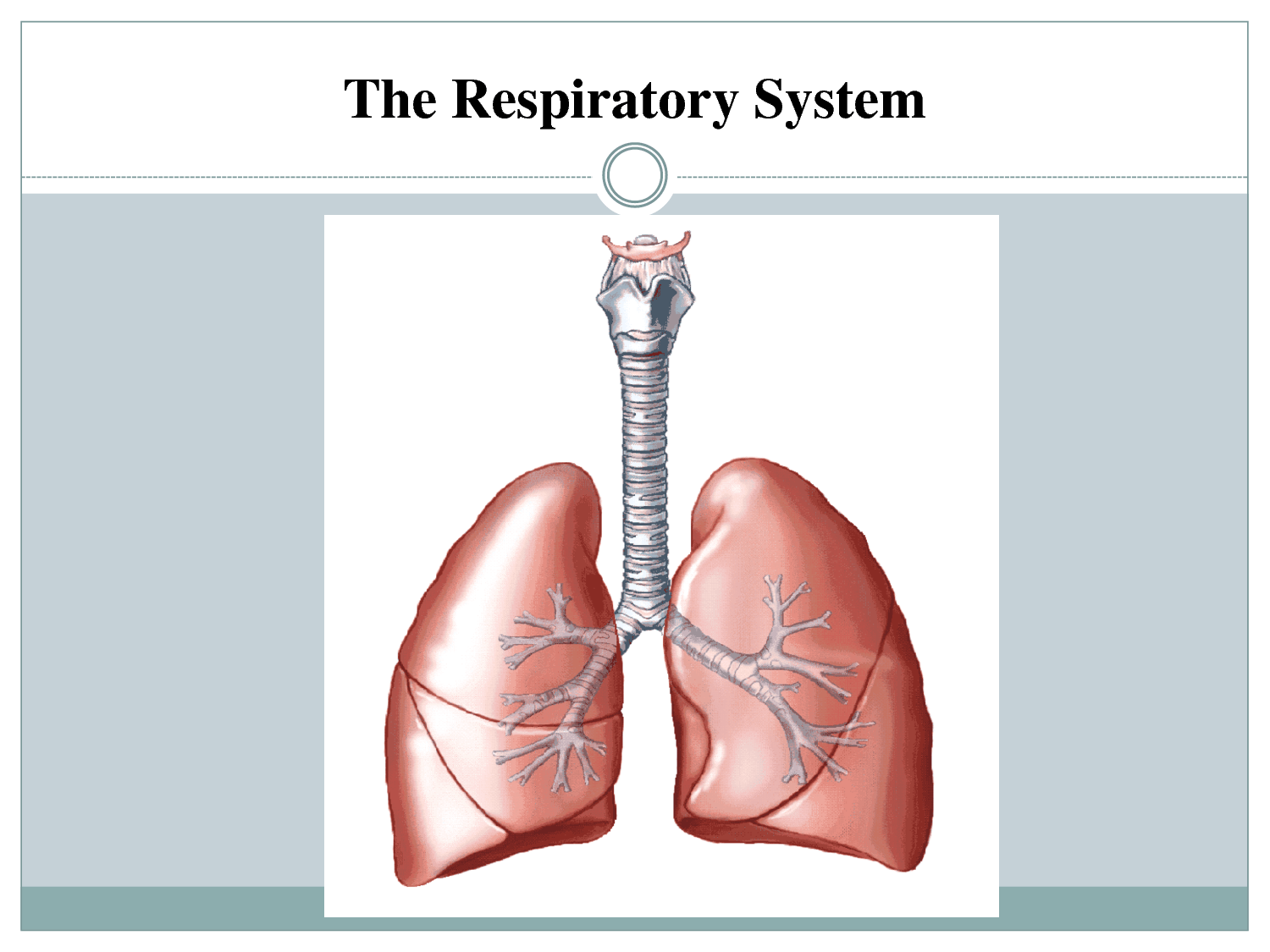
Which of the following best describes the job of the skeletal system?
Gives shape, support and aid in movement of the body.
Sends messages from the stomach to the brain.
Brings in and breaks down all nutrients for the body
removes waste products from the body

Name this body system.
skeletal system
digestive system
nervous system
respiratory system
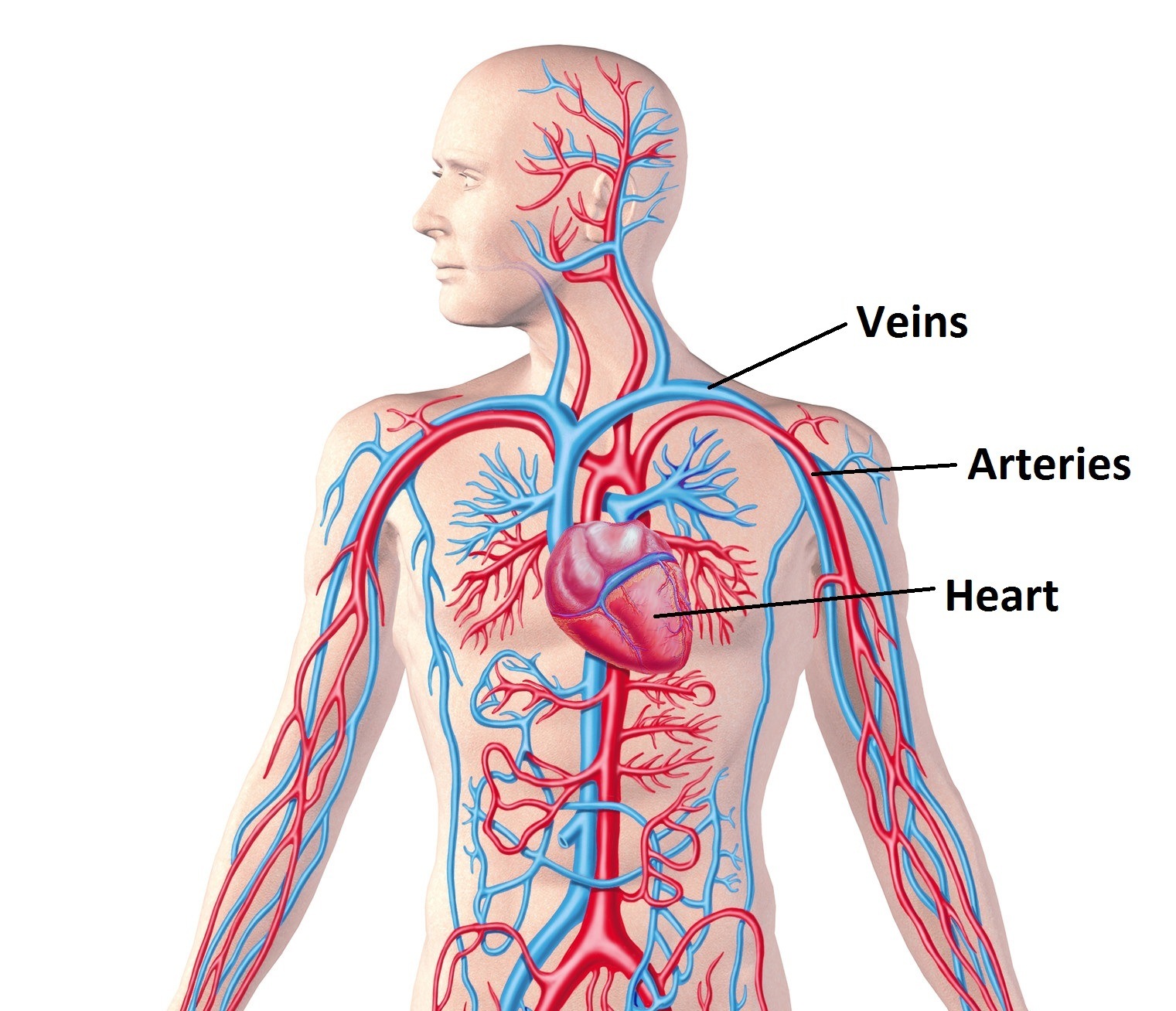
Which system allows blood to circulate throughout the body to transport oxygen and nutrients to all the cells and tissues?
Nervous system
Respiratory system
Circulatory system
Excretory system
Nicki Minaj goes to Silver River each week for 4 weeks and collects 5 samples of water to test the pH. What is this an example of?
Repetition
Replication
Hypothesis
Procedure

An environmental group contacts Lil' Kim to get her procedures for dyeing hair pink using elephant earwax so that they can check her results. This is an example of what?
Repetition
Replication
Hypothesis
Empirical Evidence
Alisson does an experiment to see how long it takes for a teaspoon of sugar to dissolve in a cup of water. She does this three times and then asks Carpaur to copy her experiment to see if he gets similar result. Which BEST describes what is Carpaur doing?
repetition
replication
conducting a procedure
collecting empirical evidence
What is a hypothesis?
a theory
an explanation about what you observed
a known fact
a testable explanation about what you observed
a guess
Air is matter. We found that the weight of the ball increases by .5 lbs each time we pumped more air into it. This shows that air has weight, one of the characteristics of matter.
Which sentence is the empirical evidence?
Air is matter.
We found that the weight of the ball increases by .5 lbs each time we pumped more air into it.
This shows that air has weight, one of the characteristics of matter.
None of the sentences contain the empirical evidence

Which piece of empirical evidence could be used to BEST support this claim:
High school students should be required to wear uniforms.
When adding everything up, a school uniform could end up costing more than $200.
A student reported, "Allowing us to wear our own clothes gives us a chance to show our unique style and independence."
At one school that recently required students to wear uniforms, attendence rates went up, and behavior incidents went down.
School uniforms can be ordered online .
What is the empirical evidence in the following argument?
In our experiment, the blocks had different masses, 20 g., 30 g., 44 g., 123 g. and 142 g. but the time for all five blocks to fall was about the same. It took between 1.5 and 1.8 seconds for them to fall. No, mass does not affect how quickly an object falls. Since the blocks had different masses but took about the same time, I know that mass does not affect how quickly something falls.
In our experiment, the blocks had different masses, 20 g., 30 g., 44 g., 123 g. and 142 g. but the time for all five blocks to fall was about the same. It took between 1.5 and 1.8 seconds for them to fall.
No, mass does not affect how quickly an object falls.
Since the blocks had different masses but took about the same time, I know that mass does not affect how quickly something falls.
None, of the sentences contain the empirical evidence
Empirical Evidence is ___________________
A statement or conclusion that answers a question
Scientific data that supports the claim
A justification that connects the claim to the evidence
Not vital when using an argument
Which level is the highest hierarchy for classification?
domain
family
species
kingdom

Kingdom Eubacteria is made of which type of organisms?
Prokaryotes
Eukaryotes
animal cells
plant cells

This level of classification is made up of different orders.
species
family
class
kingdom
Which of the following is the correct order of organization in living things from most complex to simplest?
a. Organism, cell, tissue, organ, organ system
a. Organism, organ system, organ, tissue, cell
a. Cell, tissue, organ, organ system, organism
a. Cell, organ, tissue, organ, organism, organ system

When doctors test your reflexes, which body system are they are really checking?
lymphatic system
endocrine system
cardiovascular system
nervous system
This level of classification is made up of different phylums.
species
family
class
kingdom

Look at the image. Starting at the top count downward 1,2,3 ,5,6,7. (Note this classification does not include domain). If the first level is Kingdom, which level would best represent class?
3
2
6
7
1
Look at the image. Starting at the top count downward 1,2,3 ,5,6,7. (Note this classification does not include domain). If the first level is Kingdom, which level would best represent family?
3
6
5
7
4
Look at the image. Starting at the top count downward 1,2,3 ,5,6,7. (Note this classification does not include domain). If the first level is Kingdom, which level would best represent species?
3
5
6
7
4

