
NEW
Font size
S
M
L
XL
 Worksheets
DCHS Biological Sciences- Lab Safety Test
Total questions: 30
Worksheet time: 24mins
Name
Class
Date
1.
You should never ______ chemicals in the lab.
a)
taste
b)
touch
c)
smell
d)
all of the above
2.
Keeping your work area neat and clean is important because:
a)
My teacher is a neat-freak
b)
I won't lose my supplies in the clutter.
c)
It keeps the room from looking messy.
d)
It helps prevent accidents.
3.
If you are not sure what to do during a lab activity:
a)
guess
b)
change lab partners
c)
ask a teacher
d)
just sit quietly and do nothing
4.
Disrupting other students in the laboratory with horseplay in the lab is:
a)
helpful.
b)
allowed
c)
dangerous.
d)
the quickest way to do a job.
5.
When in the lab you should wear...
a)
open-toed shoes.
b)
sandals.
c)
closed-toes shoes.
d)
no shoes.
6.
Which of the following IS considered safety equipment in our classroom?
a)
Eyewash Station
b)
Emergency Shower
c)
Fire Extinguisher
d)
All of the Above.
7.
When should you look over the experiment instructions?
a)
After starting the lab
b)
When your teacher tells you to
c)
Before starting the lab
d)
It doesn't really matter. Instructions are silly!
8.
Which of the following are examples of dressing appropriately in the lab?
a)
Pulling long hair back
b)
Leaving long hair down to get in the chemicals.
c)
Wearing sandals
9.
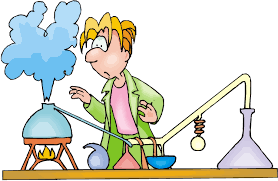
When is it OK to eat or drink in the lab?
a)
Always
b)
Never
10.

It's fine to smell chemicals directly from their containers.
a)
True
b)
False
11.
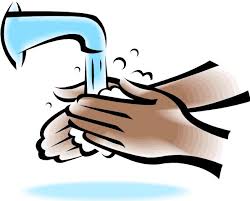
Before leaving the lab you should always wash your hands.
a)
True
b)
False
12.

Keep hands ________________ while using chemicals or preserved specimens
a)
away from face, eyes, mouth, and body
b)
in pockets
c)
to yourselves
d)
wet
13.

Any time chemicals, heat, loose particles, or glassware are used, all students will wear _______________. There will be no exceptions to this rule.
a)
gloves
b)
long-sleeve shirts
c)
all safety equipment available
d)
laboratory goggles
14.

Follow all ________________ instructions and directions carefully.
a)
written
b)
verbal
c)
silly
d)
written and verbal
15.
If an acid is splashed on your skin, wash at once with
a)
weak base
b)
soap
c)
plenty of water
d)
oil
16.
Hot glass looks the same as cold glass.
a)
True
b)
False
17.
Return all unused chemicals to their original containers.
a)
True
b)
False
18.

What is this?
a)
Measuring tube
b)
Test tube
c)
Graduated Cylinder
d)
Pipette
19.

What is used to protect your eyes from chemicals, broken glass, and fire?
a)
Fire blanket
b)
Eye wash
c)
Goggles
d)
Flask
20.

Identify this piece of equipment.
a)
magnifying glass
b)
coverslip
c)
slide
d)
microscope
21.

Identify the equipment shown here:
a)
graduated cylinder
b)
Erlenmeyer flask
c)
beaker
d)
volumetric flask
22.

Name this item
a)
weighing boat
b)
funnel
c)
wash bottle
d)
Erlenmeyer flask
23.

a)
Poison/Toxic
b)
Bio Hazard
c)
Radioactive
d)
Corrosive
24.
A set of steps engineers follow to complete the design of an object or idea is called the
a)
The Scientific Method
b)
The Engineering Design Process
25.
Something in an experiment that CAN BE CHANGED is called a
a)
density
b)
variable
c)
constant
d)
volume
26.
The first step in designing or redesigning a product is
a)
thinking about ways to solve the problem.
b)
deciding what needs you are trying to meet or problems you ar trying to solve.
c)
building a prototype.
27.
Molly investigated if the age of students caused them to be better drivers. What is the independent variable?
a)
Type of car
b)
Skill of driving
c)
Age of student
28.

There are 200 vegetable plants in a garden. How many of the vegetable plants are green beans?
a)
16
b)
24
c)
28
d)
32
29.

Given the data, what percent of people like caramel corn?
a)
26 %
b)
92 %
c)
38 %
d)
23 %
30.
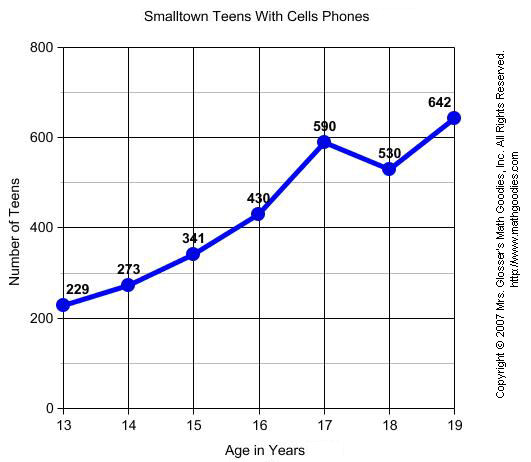
What label is along the y-axis in this graph?
a)
Copyright 2007
b)
Lines
c)
Age in Years
d)
Number of Teens
Reset

