
 Worksheets
Scientific Method
Total questions: 30
Worksheet time: 21mins
Name
Class
Date
1.
When experimenting with the growth of a plant, a scientist uses three (of the same type of) plants, two different fertilizers, equal light, and equal water. What type of variable is the fertilizer?
a)
Dependent
b)
Independent
c)
Control
d)
Compound
2.
What is a hypothesis?
a)
A hypothesis is the right answer to an experiment.
b)
A hypothesis is the wrong answer to an experiment.
c)
A hypothesis is an educated guess.
d)
I don't know.
3.
What step does every scientific experiment begin with?
a)
hypothesis
b)
question/problem
c)
procedures
d)
conclusion
4.

What are the materials in your scientific method?
a)
your favorite markers and lucky eraser
b)
everything you will need to complete your experiment
c)
a hypothesis
d)
step by step directions to complete an experiment
5.

What are the procedures step in the experiment?
a)
the conclusion to your experiment
b)
the materials needed to complete experiment
c)
step by step directions of how to complete your experiment
d)
an educated, best guess
6.
The independent variable is the ONE thing you _____.
a)
change on purpose
b)
control or keep constant
c)
measure
7.
The variable that is being measured or observed is called the _______________. Hint: this is the variable that is the result or effect
a)
independent variable
b)
dependent variable
c)
control variable
8.
An experiment is performed on plants to see how different liquids affect plant growth. Each plant in the experiment is given a different liquid: water, apple juice, or milk. What variables should be kept constant/controlled?
a)
type of plant, flower pot, soil, and amount of sunlight
b)
water, apple juice, milk
c)
only the amount of sunlight
d)
type of plant only
9.
In which step do you gather information or tell what you already know?
a)
Problem
b)
Research
c)
Hypothesis
d)
Results
10.
The hypothesis you make is always correct.
a)
True
b)
False
11.
What is the first step in the scientific method?
a)
Make an observation/question
b)
Design and conduct an experiment
c)
Make an hypothesis
d)
Share your results
12.

What is the scientific method
a)
Something in science
b)
Just a fun experiment
c)
Process that scientist use to study the world around them.
13.

Everything you want to remain the same or unchanged is called are called the ___________ variables.
a)
independent
b)
dependent
c)
controlled
14.

The change that happens because of your experiment is called the ___________ variable.
a)
independent
b)
dependent
c)
controlled
15.

The one variable you change is called the ___________ variable.
a)
independent
b)
dependent
c)
controlled
16.

The final results and answers to your big question is shared in your ________________.
a)
conclusion
b)
hypothesis
c)
observation
d)
inquiry
17.

After a scientific experiment is performed, data is recorded, and conclusions are drawn, what should be done next?
a)
Share your research with other scientists
b)
Keep your research a secret
c)
Destroy all evidence of your experiment
18.
You should never ______ chemicals in the lab.
a)
taste
b)
touch
c)
smell
d)
all of the above
19.
Disrupting other students in the laboratory with horseplay in the lab is:
a)
helpful.
b)
allowed
c)
dangerous.
d)
the quickest way to do a job.
20.
When in the lab you should wear...
a)
open-toed shoes.
b)
sandals.
c)
closed-toes shoes.
d)
no shoes.
21.
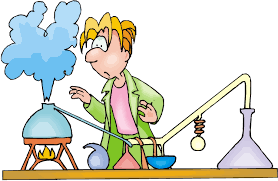
When is it OK to eat or drink in the lab?
a)
Always
b)
Never
22.
Horseplay or practical jokes in the laboratory are
a)
okay if you are working alone
b)
not dangerous
c)
okay
d)
always against the rules
23.

a)
balance
b)
metric ruler
c)
spring scale
d)
streak plate
24.

a)
graduated cylinder
b)
spring scale
c)
test tube
d)
beaker
25.

a)
beaker
b)
graduated cylinder
c)
test tube
d)
eyedropper
26.

a)
magnifying glass
b)
compass
c)
mirror
d)
tuning fork
27.

a)
gradated Cylinder
b)
compass
c)
metric Ruler
d)
globe
28.

a)
beaker
b)
telescope
c)
microscope
d)
spring scale
29.

a)
safety goggles
b)
microscope
c)
hand lens
d)
metric measuring tape
30.

a)
metric measuring tape
b)
spring scale
c)
metric ruler
d)
balance
100 %

