wayground logo

Free Printable Worksheets

NEW

Font size

S
M
L
XL
Worksheets

8th MP.1 Review

Total questions: 28

Worksheet time: 18mins

Name
Class
Date
1.

What is the atomic number?

a)

the number of protons

b)

the number of protons and neutrons

c)

the number of neutrons

d)

the number of protons and electrons

2.
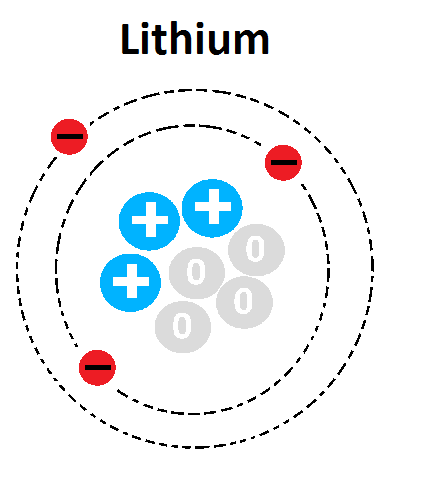
What is the atomic number of this atom?
a)
1
b)
3
c)
4
d)
7
3.
An element with a mass number of 11 and an atomic number of 5 has how many neutrons?
a)
11
b)
5
c)
6
d)
16
4.

Atoms have no electric charge because they...

a)

Have an equal number of charged and non-charged particles

b)

Have neutrons in their nuclei

c)

Have an equal number of electrons and protons

d)

Have an equal number of neutrons and protons

5.
In the modern periodic table elements are arranged by:
a)
atomic mass
b)
atomic number
c)
valence electrons
d)
number of isotopes
6.
Elements in the same ________ are more chemically similar.
a)
group
b)
period
c)
club
d)
table
7.
The atomic number tells you what?
a)
number of electrons
b)
number of protons
c)
number of neutrons
d)
both electrons and protons in an atom.
8.
A proton is....
a)
A negatively charged subatomic particle
b)
A positively charged subatomic particle
c)
A neutrally charged subatomic particle
d)
The only subatomic particle located in the nucleus
9.
a)
10
b)
2
c)
8
d)
18
10.
a)
17
b)
18
c)
7
d)
3
11.
Which particles are in the nucleus?
a)
Protons
b)
Neutrons
c)
protons and electrons
d)
protons and neutrons
12.
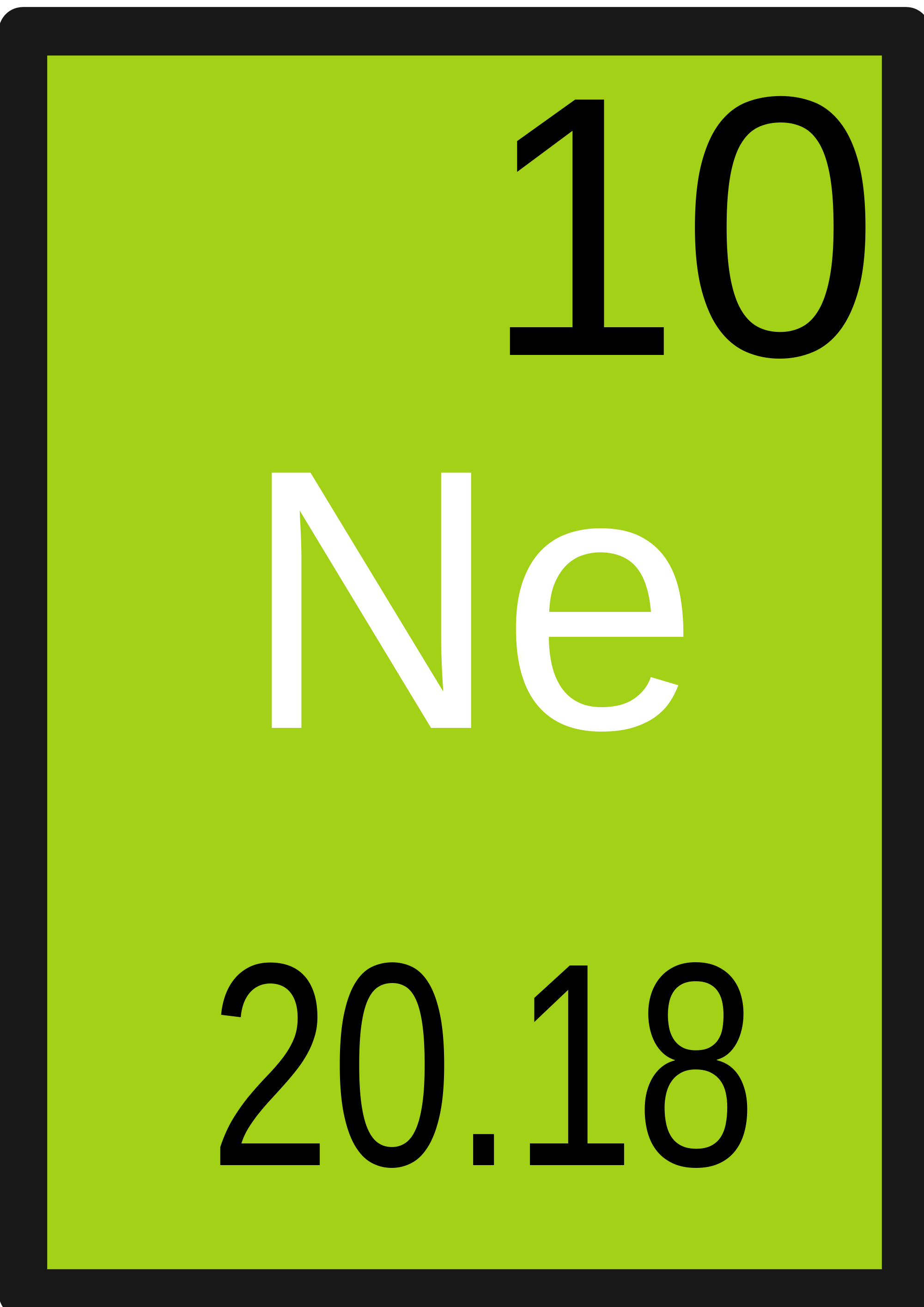
What is the atomic mass of Neon?
a)
10
b)
20.18
c)
10.18
d)
30.18
13.
Atomic mass - Atomic Number =
a)
protons
b)
neutrons
c)
electrons
d)
Average Mass
14.
Compounds are 2 or more elements that are __________________ combined.
a)
physically
b)
chemically
c)
not
d)
neutrally
15.

How do covalent bonds form?

a)

Donating & receiving valence e- between atoms.

b)

Opposite slight charges attract each other between compounds.

c)

Scientists are still not sure how they form.

d)

Sharing valence e- between atoms.

16.

Graphite and diamond are both made of carbon nut their properties are very different. Why do they have such different properties?

a)

The carbon atoms in graphite have less protons which make it softer

b)

Graphite is made up of dark carbon atoms

c)

The carbon atoms in diamond have more protons which make it stronger

d)

They have different molecular structures

17.
The difference between elements and compounds is that...
a)
elements can be separated by physical means and compounds cannot.
b)
elements cannot be separated by physical means and compounds can.
c)
elements contain only one kind of atom and compounds contain more than one kind of atom.
d)
elements contain more than one kind of atom and compounds contain only one kind of atom.
18.
Which is the chemical name for the compound CO2
a)
carbon trioxide 
b)
carbon monoxide
c)
carbon dioxide
19.

This model is called a...

a)

Lewis Symbol

b)

Bohr Model

20.
This picture represents which of the following?
a)
element
b)
compound
c)
mixture
21.
This picture represents which of the following?
a)
Element
b)
Compound
c)
Mixture
22.
This picture represents which of the following?
a)
element
b)
compound
c)
mixture
23.

Electrons involved in bonding between atoms are

a)

closest to the nucleus.

b)

valence electrons.

c)

inside the nucleus.

d)

positively charged.

24.
Which of the following is NOT a characteristic of IONIC COMPOUNDS?
a)
High melting point
b)
Conducts electricity
c)
Strong bonds
d)
Low boiling points
25.
Which of the following is a characteristic property of ionic compounds?
a)
They form hard, brittle crystals with characteristic shapes
b)
They have low melting points
c)
They have low boiling points
d)
They contain no charged particles
26.
An ionic bond is the attraction between:
a)
oppositely charged ions
b)
similarly charged ions
c)
neutral ions
d)
neutral atoms
27.

Why do covalent bonds share electrons?

a)

To become ions

b)

To become more polar

c)

To attain a noble-gas configuration

d)

To increase their atomic numbers

28.
Is the following picture a simple compound or extended structure?
a)
Simple Compound 
b)
Extended Structure
c)
Neither