
 Worksheets
Unit 2 Cells Review
Total questions: 31
Worksheet time: 22mins
Name
Class
Date
1.

Directs all cell activities through the DNA located there.
a)
Lysosomes
b)
Nucleus
c)
ribosomes
d)
Mitochondria
2.
Which of the following is directly involved in the transportation of materials inside/within the cell?
a)
Endoplasmic Reticulum
b)
Vacuole
c)
Lysosome
d)
Mitochondria
3.
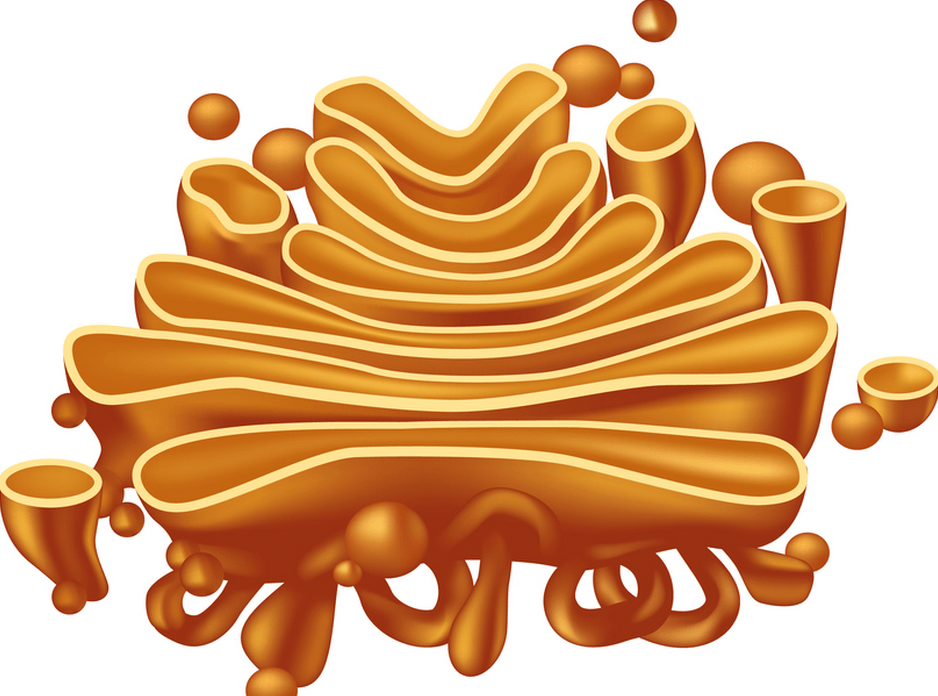
I am a protein packaging and shipping machine! Who am I?
a)
vacuole
b)
ribosome
c)
mitochondrion
d)
golgi apparatus
4.
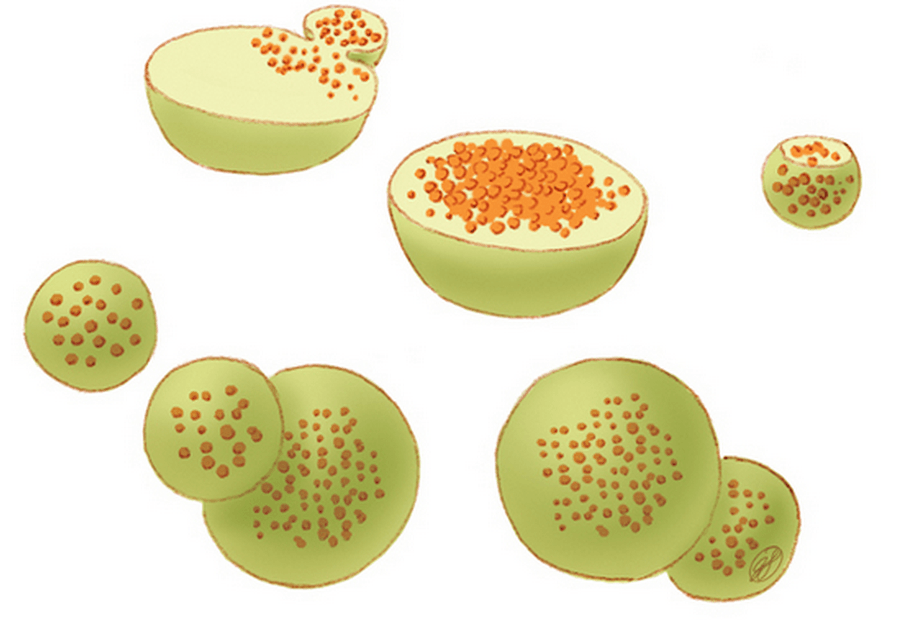
You might think of me as the trash collector, but recycler is maybe more accurate. What am I?
a)
mitochondria
b)
lysosome
c)
vacuole
d)
ribosome
5.
Where are proteins made?
a)
Golgi body
b)
Mitoichondria
c)
Chromosomes
d)
Ribosomes
6.
This organelle takes food and turns it into ENERGY for plant and animal cells.
a)
Chloroplast
b)
Mitochondria
c)
Lysosome
d)
Ribosome
7.
This thin layer protects the cell and regulates what substances enter and leave the cell.
a)
cell membrane
b)
cell
c)
cell wall
d)
golgi body
8.
A gel-like fluid in which many different organelles are found.
a)
cell membrane
b)
nucleus
c)
organelle
d)
cytoplasm
9.
___________ allow cells to recognize each other and act like ID tags.
a)
Carbohydrates
b)
Proteins
c)
Phospholipids
d)
Cholesterol
10.
___________ strengthens and stabilizes the cell membrane.
a)
Carbohydrates
b)
Proteins
c)
Phospholipids
d)
Cholesterol
11.
What forms the channels and pumps in the phospholipid bilayer?
a)
carbohydrates
b)
proteins
c)
hydrophilic heads
d)
lipids
12.
A cell will __________________ in a hypotonic solution.
a)
swell and perhaps burst (lyse)
b)
shrink
c)
the size of the cell will not change
d)
the size of the cell will change from large to small and from small to large
13.
The movement of water across a selectively permeable membrane without the use of any energy is called
a)
endocytosis
b)
diffusion
c)
active transport
d)
osmosis
14.
Two examples of passive transport are
a)
Earth and Sun
b)
Diffusion and Osmosis
c)
Energy and Wind
d)
None of the above
15.
What a cell needs to transport particles by active transport?
a)
Sun
b)
Wind
c)
Energy
d)
Channels
16.
A person would never have pure water put into their veins in a hospital because their cells would...
a)
Shrink/Dehydrate
b)
Expand
17.
The movement of molecules against a concentration gradient
a)
simple diffusion
b)
facilitated diffusion
c)
active transport
d)
osmosis
18.
Hydrophilic means...
a)
water-loving
b)
water-fearing
c)
nonpolar
d)
lipid soluble
19.

Hydrophobic region of the cell membrane?
a)
E
b)
B
c)
C
d)
A
20.

Hydrophilic portion of cell membrane?
a)
A
b)
C
c)
D
d)
E
21.

This picture represents which type of cellular transport?
a)
passive transport
b)
endocytosis
c)
exocytosis
d)
osmosis
22.
A cell in an isotonic solution will
a)
swell
b)
shrink
c)
stay the same size
d)
impossible to tell
23.

Special proteins help move particles, but NO energy is needed. This is..
a)
facilitated diffusion
b)
exocytosis
c)
active transport
d)
equilibrium
24.
The function of the plasma membrane is....
a)
regulate what enters and leaves the cell.
b)
fight bacteria and viruses that enter the cell.
c)
make sure each cell reproduces
d)
make sure each cell can move
25.
All cells have a:
a)
Nucleus
b)
Plasma membrane
c)
Cell wall
d)
Buddy
26.
Which of the following molecules can pass through the plasma membrane by simple diffusion?
a)
Na+
b)
small, non polar molecules like O2
c)
Glucose
d)
ATP
27.

Identify letter I.
a)
nucleus
b)
mitochondria
c)
cell membrane
d)
endoplasmic reticulum
28.
Identify letter K.
a)
nucleus
b)
mitochondria
c)
endoplasmic reticulum
d)
Golgi apparatus
29.
Identify letter H.
a)
nucleus
b)
mitochondria
c)
Golgi apparatus
d)
ribosomes
30.

Identify letter B.
a)
Golgi apparatus
b)
nucleus
c)
cell membrane
d)
mitochondria
31.
Identify letter G.
a)
Golgi apparatus
b)
ribosome
c)
cell membrane
d)
mitochondria
100 %

