
 Worksheets
Periodic Table
Total questions: 35
Worksheet time: 30mins
Name
Class
Date
1.
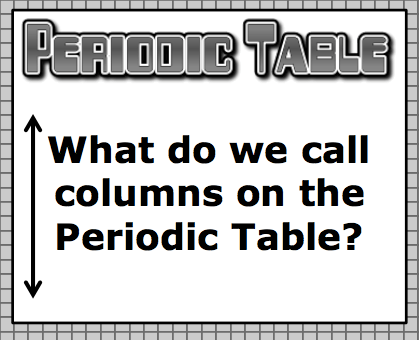
a)
Periods
b)
Groups
2.
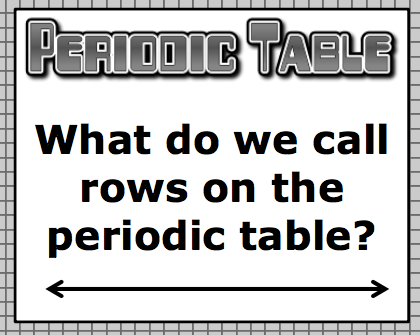
a)
Periods
b)
Groups
3.

a)
energy levels
b)
valence electrons
c)
protons
d)
neutrons
4.
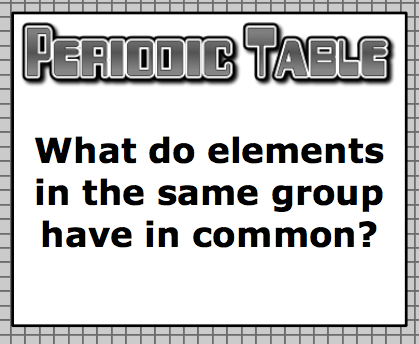
a)
energy levels
b)
valence electrons
c)
protons
d)
neutrons
5.
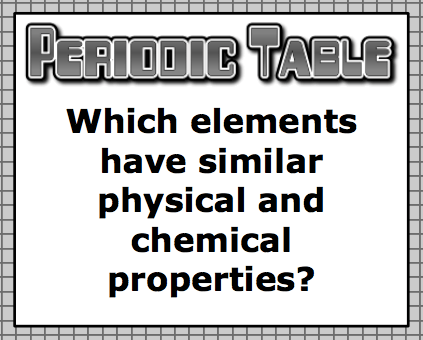
a)
Same group
b)
Same period
6.
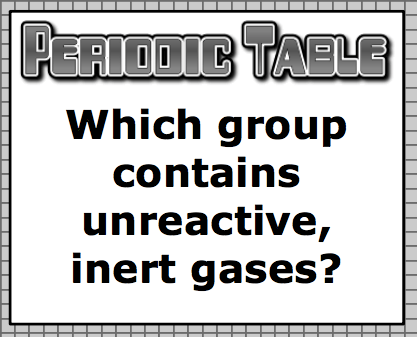
a)
Group 1
b)
Group 17
c)
Group 2
d)
Group 18
7.
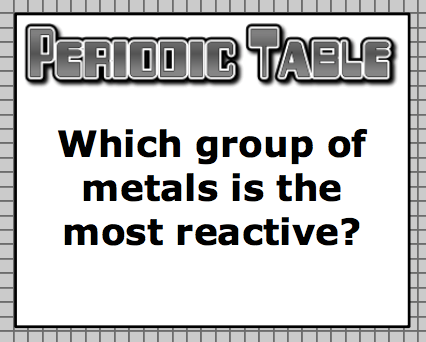
a)
Group 1
b)
Group 17
c)
Group 18
d)
Group 2
8.
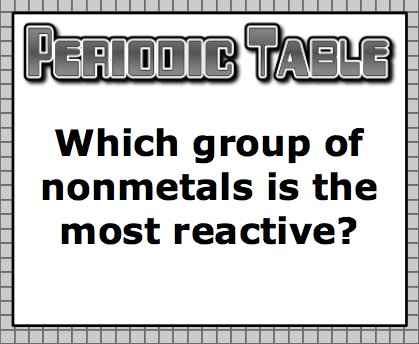
a)
Group 1
b)
Group 17
c)
Group 18
d)
Group 2
9.
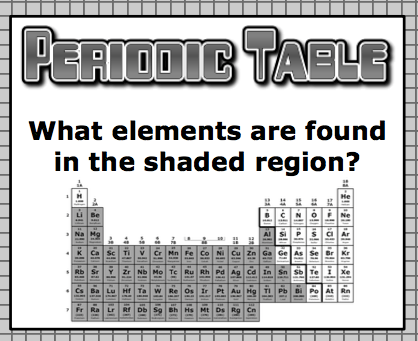
a)
Metals
b)
Nonmetals
c)
Metalloids
10.
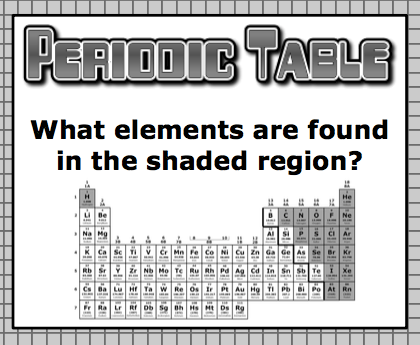
a)
Metals
b)
Nonmetals
c)
Metalloids
11.
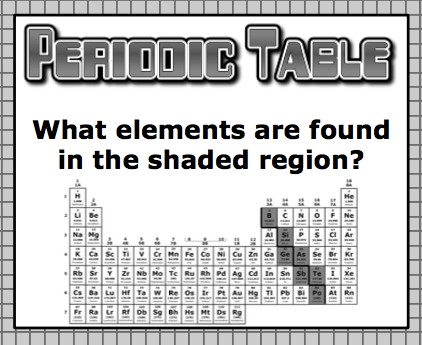
a)
Metals
b)
Nonmetals
c)
Metalloids
12.
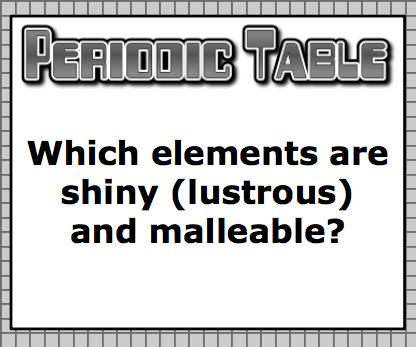
a)
Metals
b)
Nonmetals
c)
Metalloids
13.
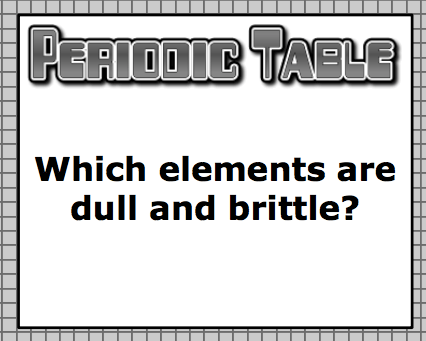
a)
Metals
b)
Nonmetals
c)
Metalloids
14.
a)
Metals
b)
Nonmetals
c)
Metalloids
15.
a)
Metals
b)
Nonmetals
c)
Metalloids
16.
a)
Metals
b)
Nonmetals
c)
Metalloids
17.
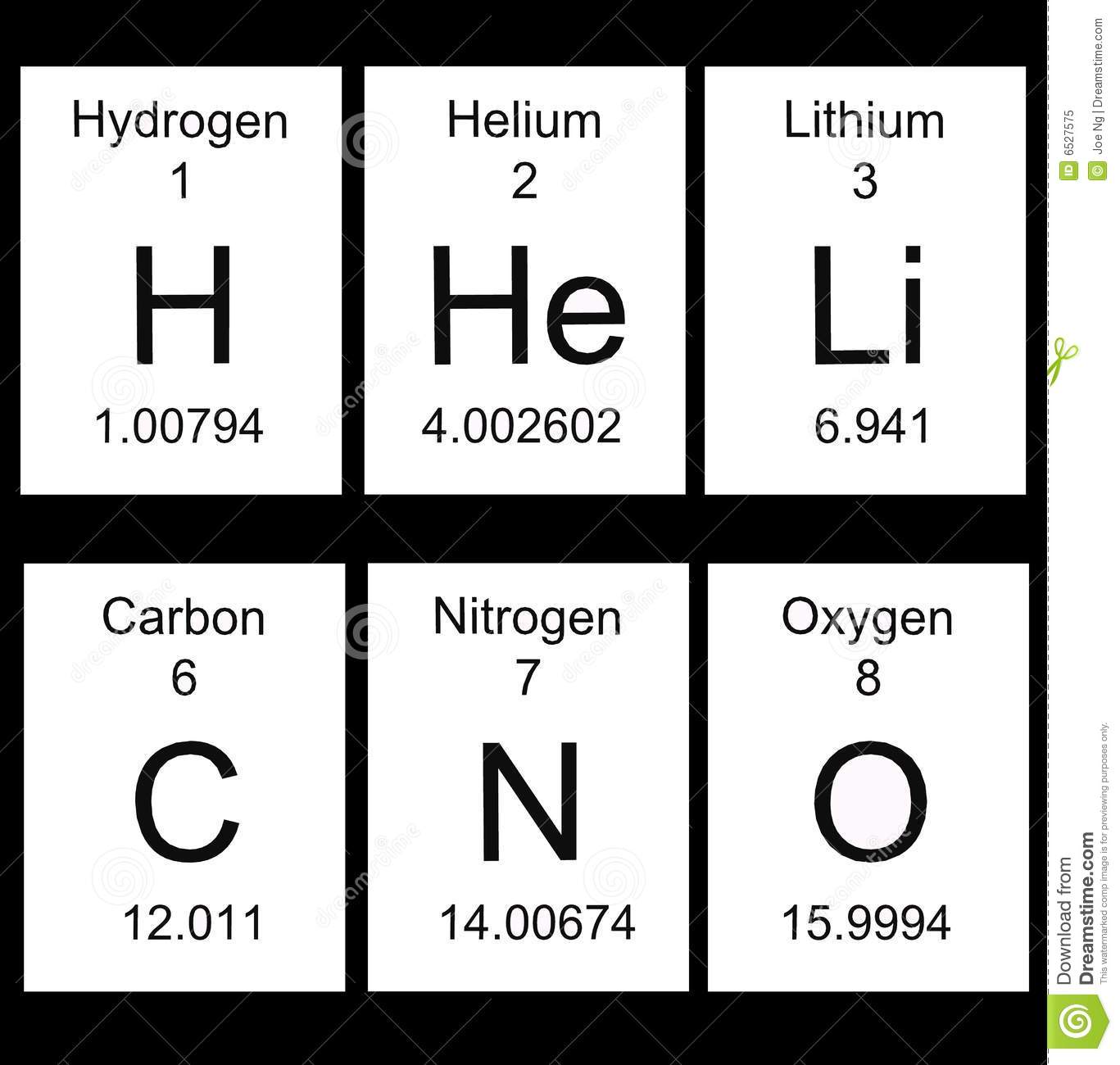
The number at the bottom of each square on the periodic table is the ...
a)
atomic number
b)
atomic mass
c)
chemical symbol
d)
element name
18.
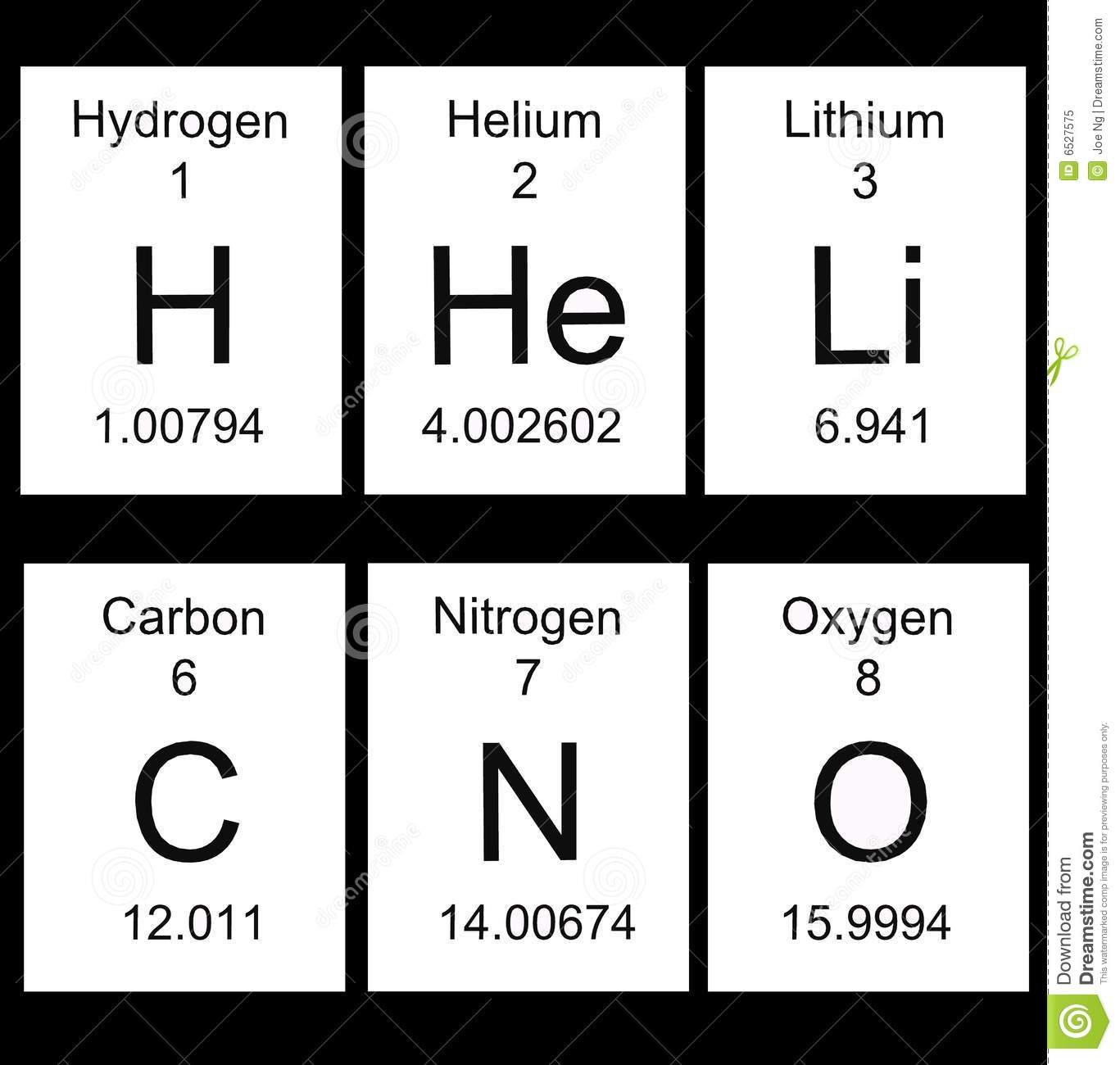
The number at the top of each square on the periodic table is the ...
a)
atomic number
b)
atomic mass
c)
Chemical Symbol
d)
Element Name
19.
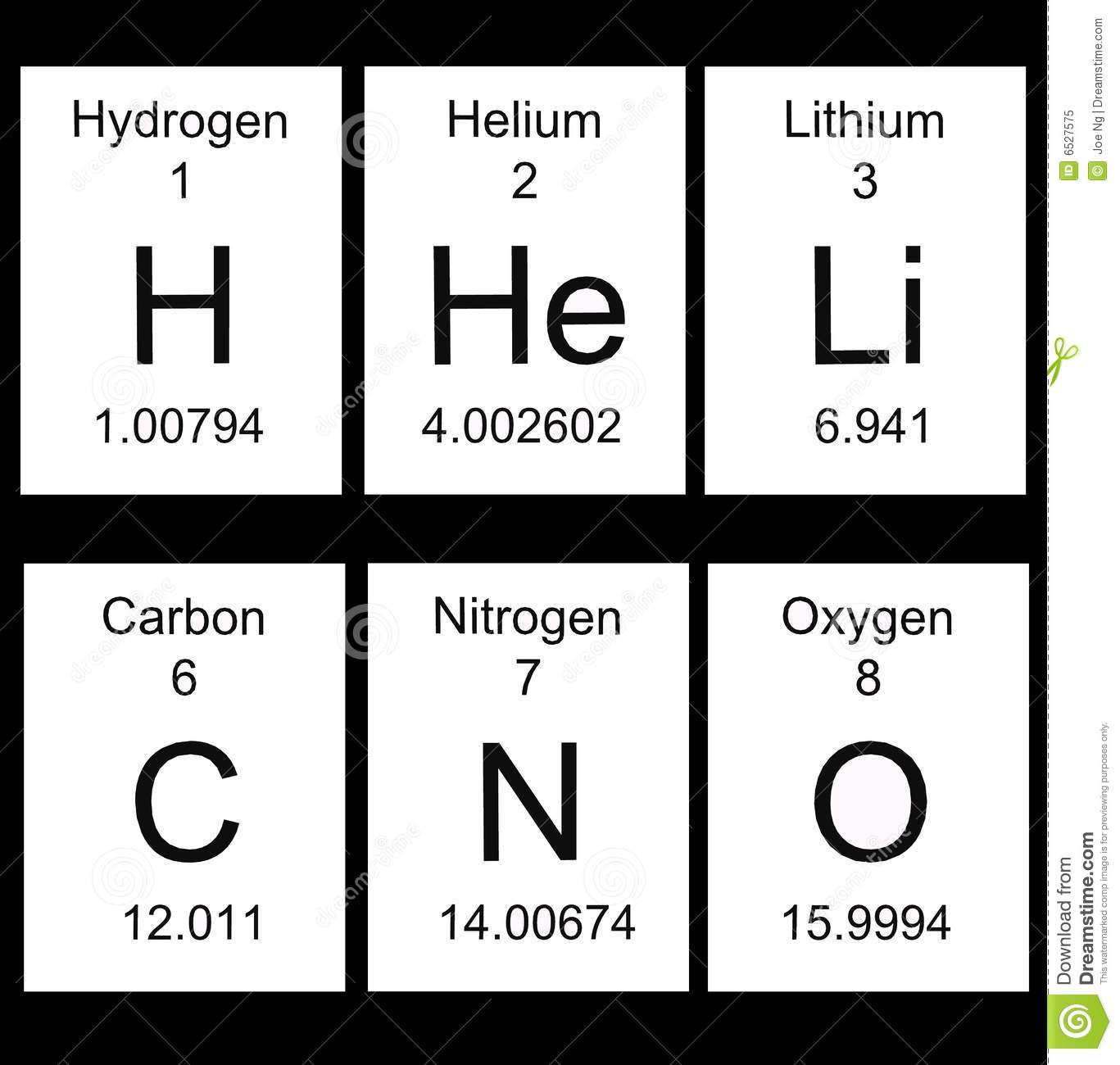
What is the chemical symbol for Lithium?
a)
H
b)
He
c)
Li
d)
N
20.

A rule that states that repeating chemical and physical properties of elements change periodically with the atomic number of the elements is the _________.
a)
periodic law
b)
alkaline-earth metals
c)
actinide
d)
group rule
21.

Most of the elements on the periodic table are classified as _____.
a)
Metals
b)
Nonmetals
c)
Metalloids
d)
Periods
22.
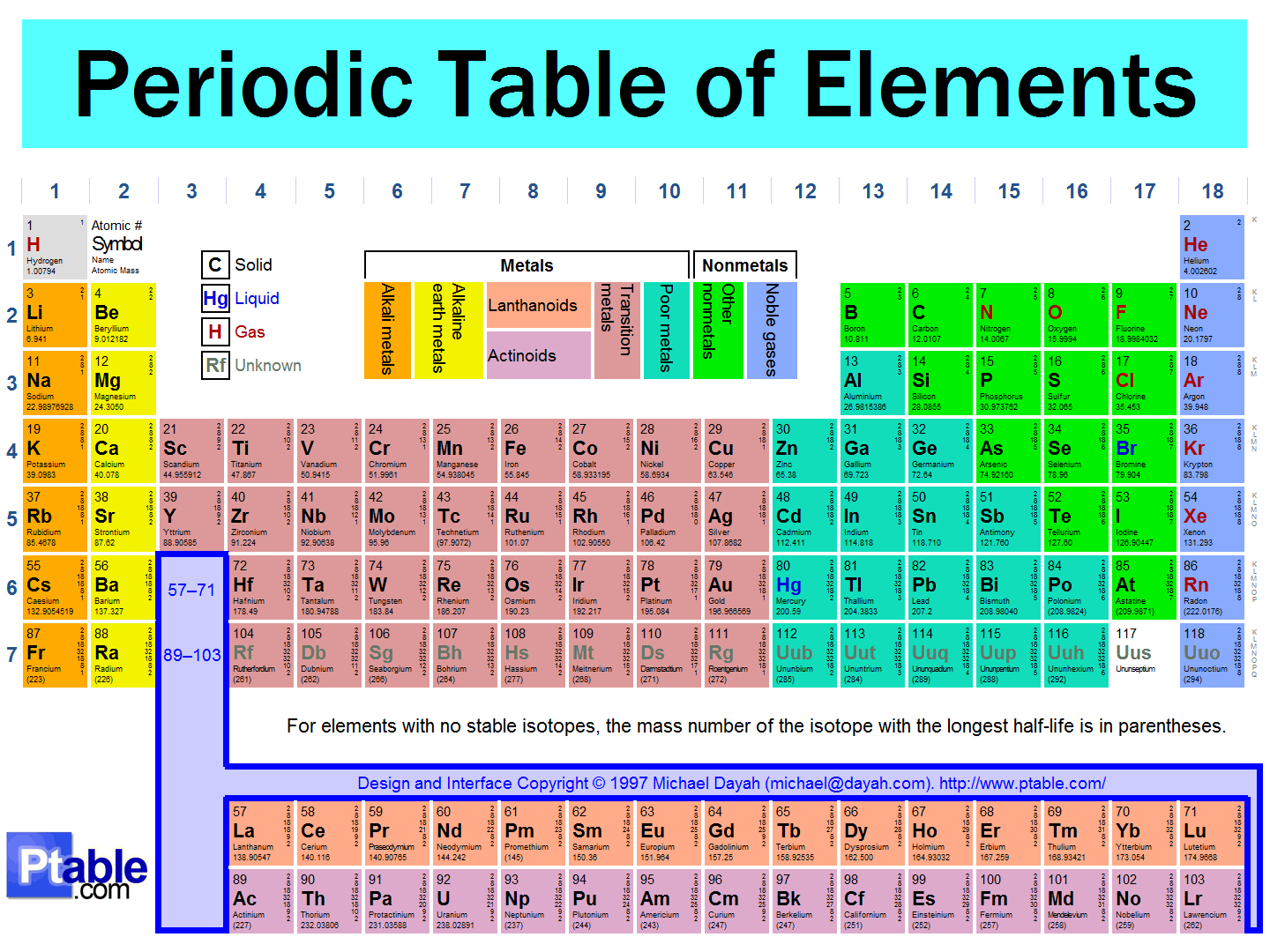
This class of elements are sometimes called "semiconductors."
a)
Metals
b)
Nonmetals
c)
Metalloids
d)
Groups
23.
Each column in the periodic table is called a
a)
period
b)
group
c)
cluster
d)
unit
24.
The atomic number tells you what?
a)
number of electrons
b)
number of protons
c)
number of neutrons
d)
both electrons and protons in an atom.
25.
Which group of the periodic table is composed of inert (not reactive) gases?
a)
alkali metals
b)
alkaline earth metals
c)
halogens
d)
noble gases
26.
Elements which are shiny, conduct electricity and heat are called
a)
metal
b)
nonmetal
c)
metalloid
d)
nonexistent
27.

The atoms along the staircase are called
a)
metals
b)
nonmetals
c)
metalloids
d)
noble gases
28.
A horizontal row of elements in the periodic table.
a)
column
b)
group
c)
period
29.
Elements in a ..................have similar chemical properties.
a)
period
b)
group
c)
row
30.
The simplest substance is..?
a)
Carbon
b)
An element
c)
Water
d)
A simple compound
31.
A proton is....
a)
A negatively charged subatomic particle
b)
A positively charged subatomic particle
c)
A neutrally charged subatomic particle
d)
The only subatomic particle located in the nucleus
32.
A neutron has a charge of
a)
+2
b)
No charge
c)
-1
d)
+1
33.
To find the number of neutrons in an atom you subtract the _____________ from the atomic mass number
a)
element symbol
b)
atomic number
c)
valence electrons
d)
isotopes
34.
Why is the periodic table so useful to scientists?
a)
it can be used to predict how they react
b)
it reminds them what the elements look like
c)
it list the chemical formulas
d)
it contains the recioes for a variety of deifferent kinds of mixtures
35.
Elements om the same group on the periodic table tend to have similiar physical and chemical properties because
a)
they have the same number of protons
b)
have the same number of neutrons
c)
have the same number of electrons in their outer energy levels
d)
have the same number of electron in their nucleus
100 %

